
Key Movement Bottlenecks for Five Large Mammals Lay Outside Protected Areas in Tamil Nadu
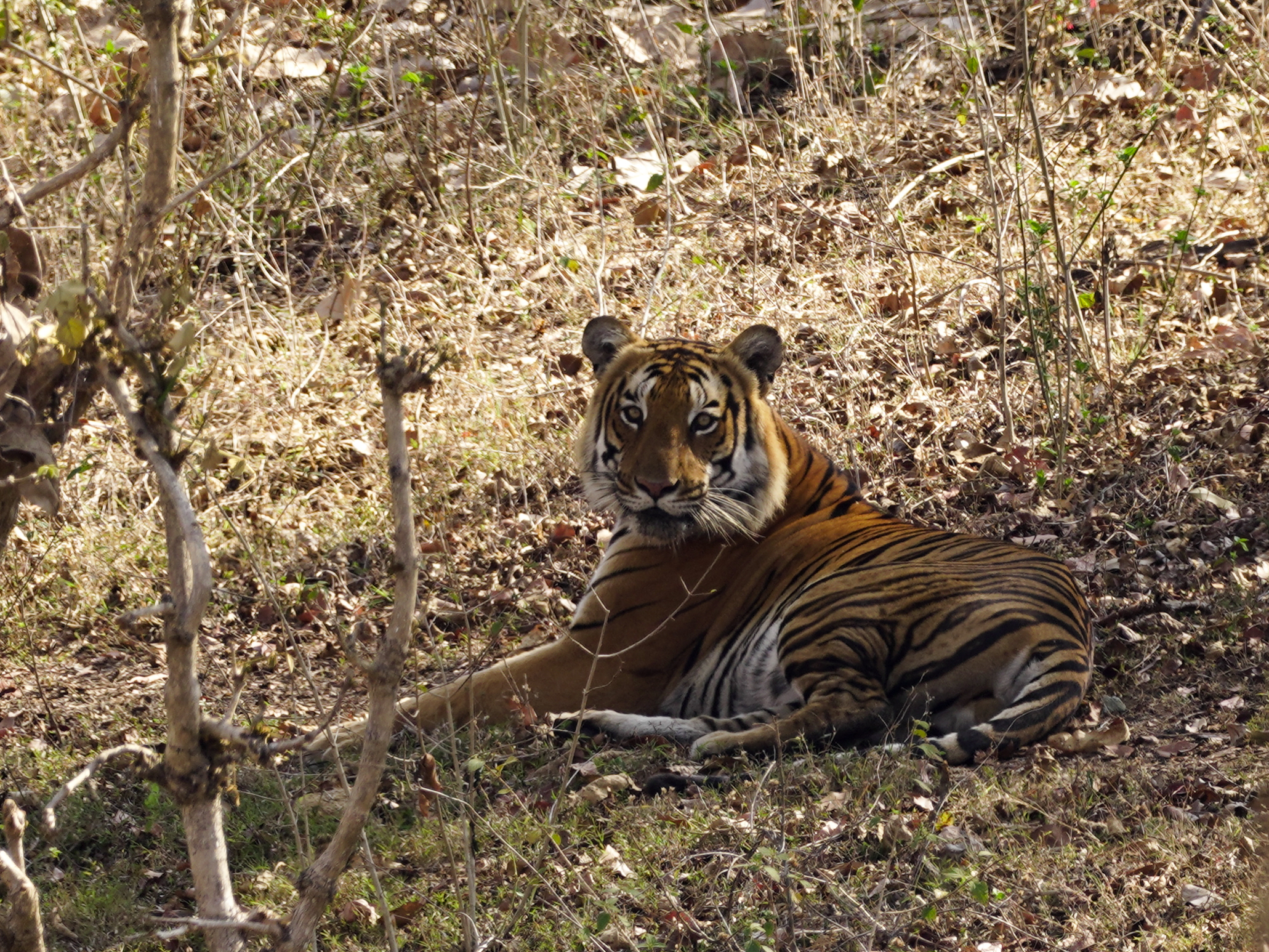
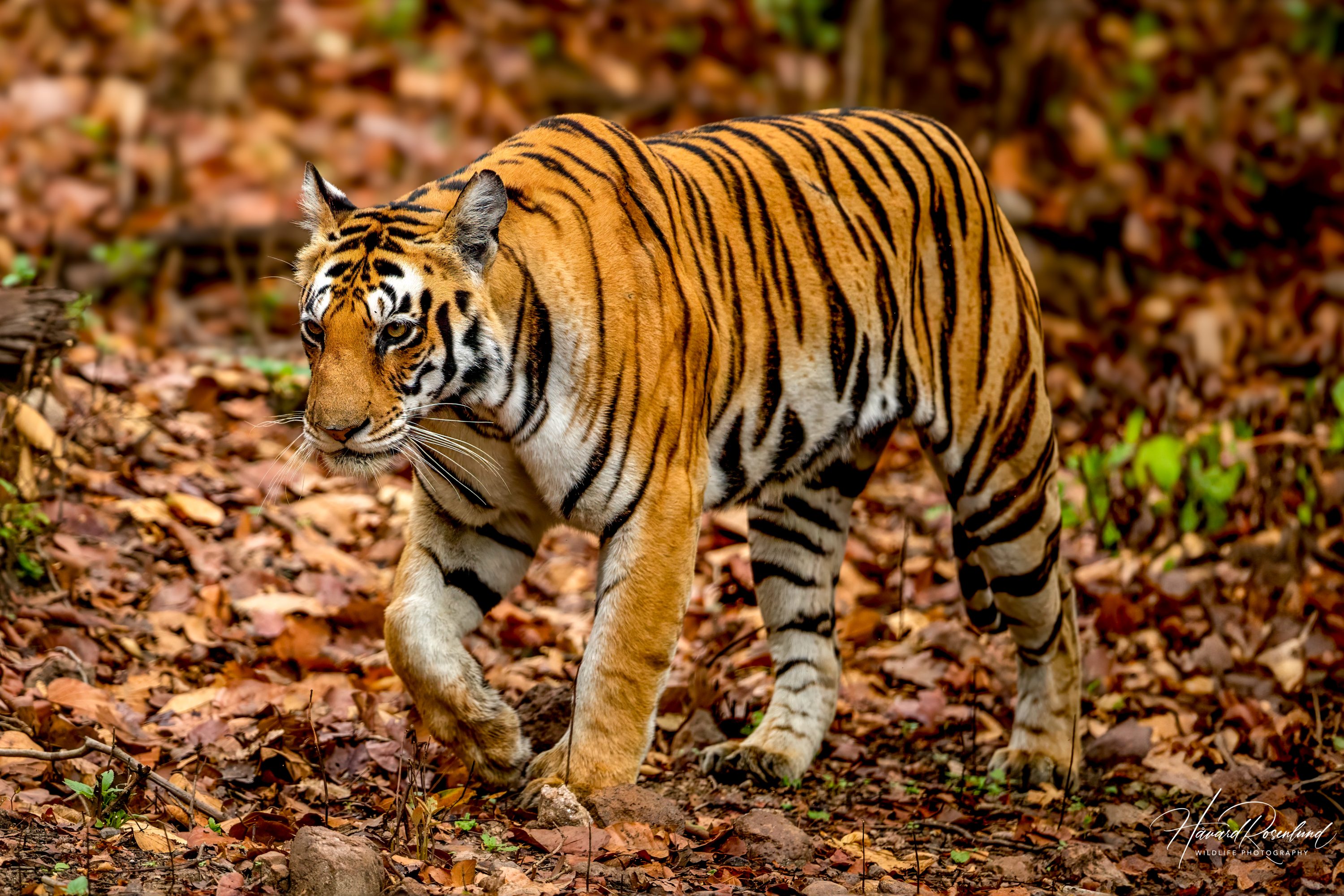
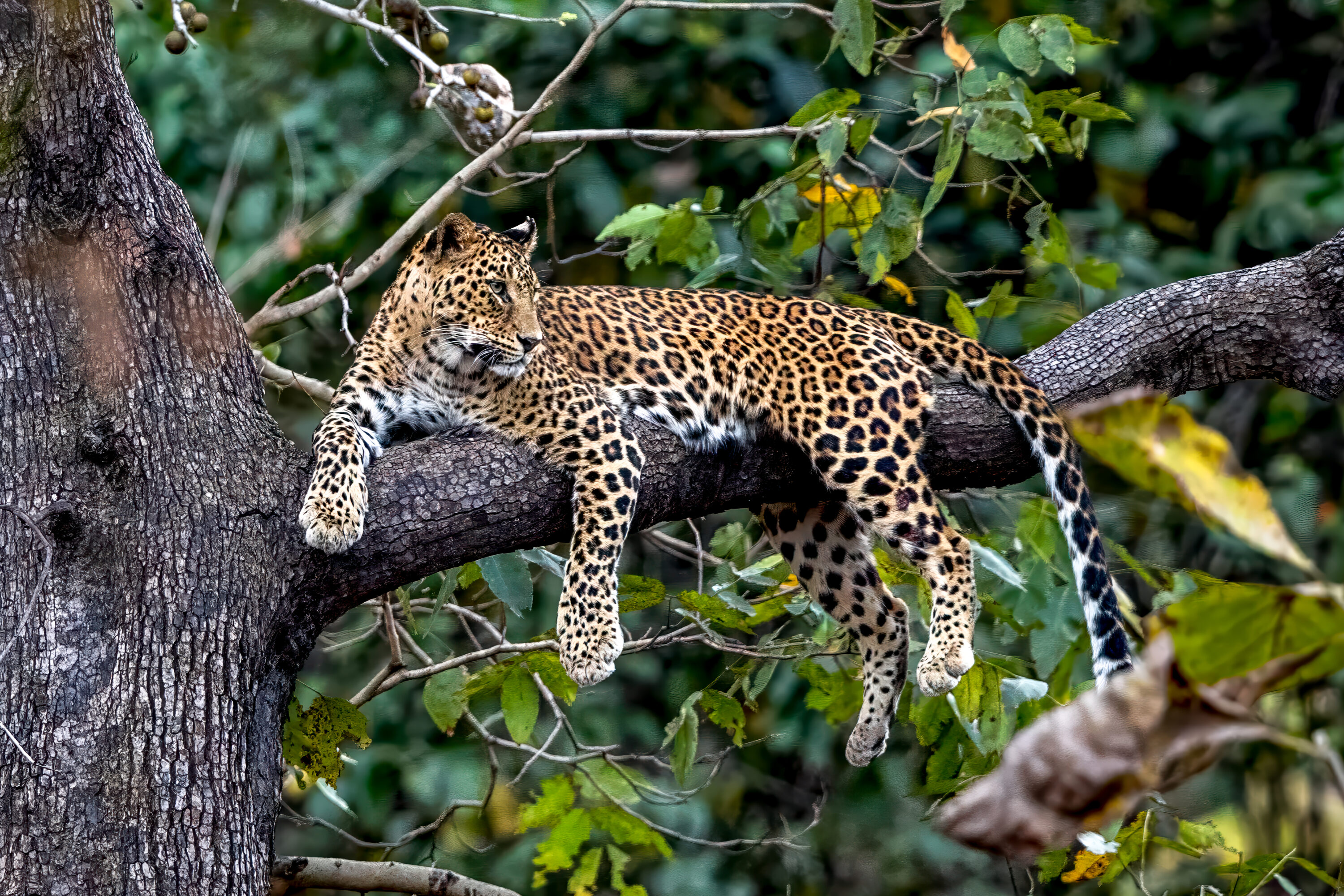
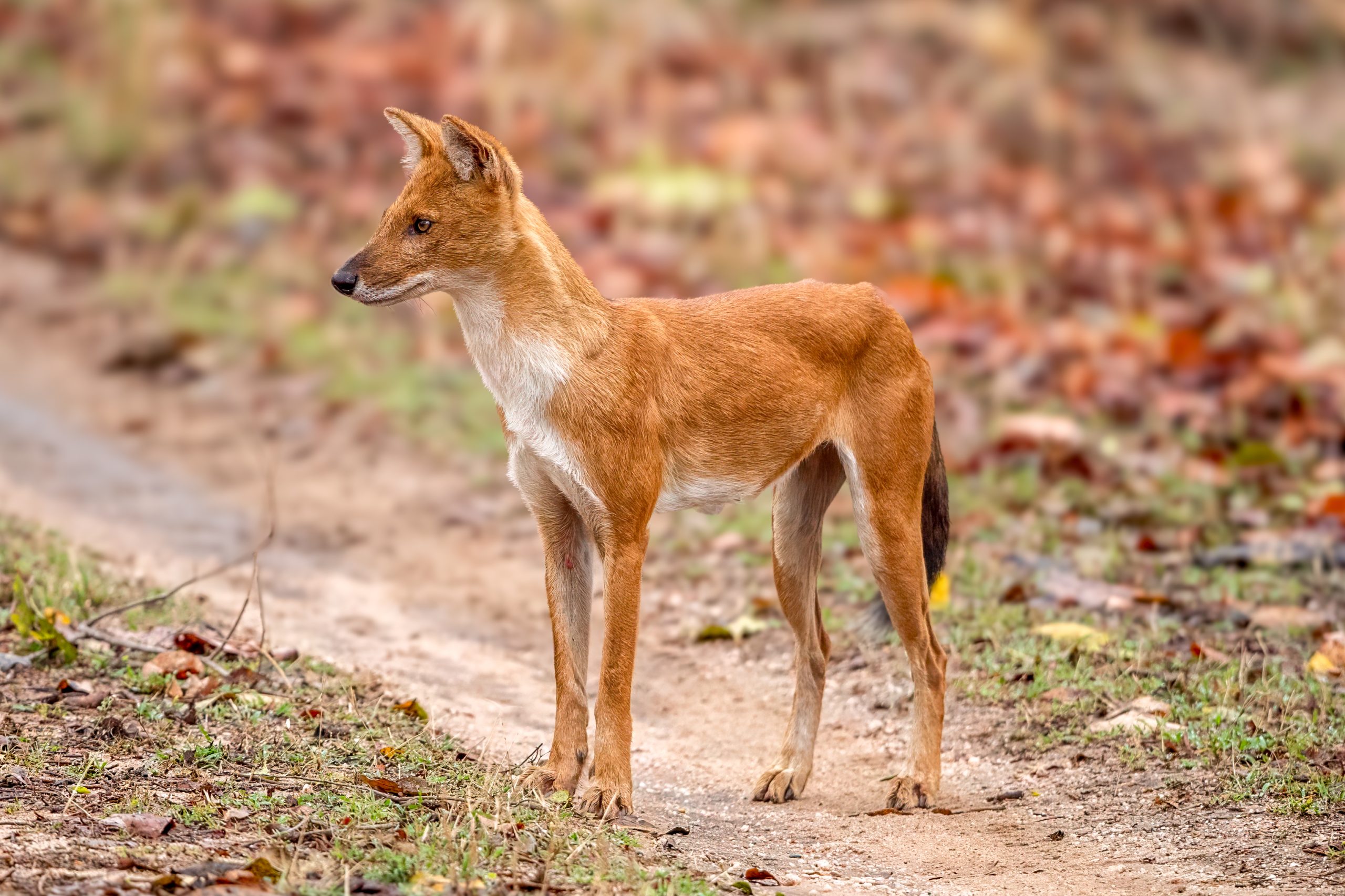
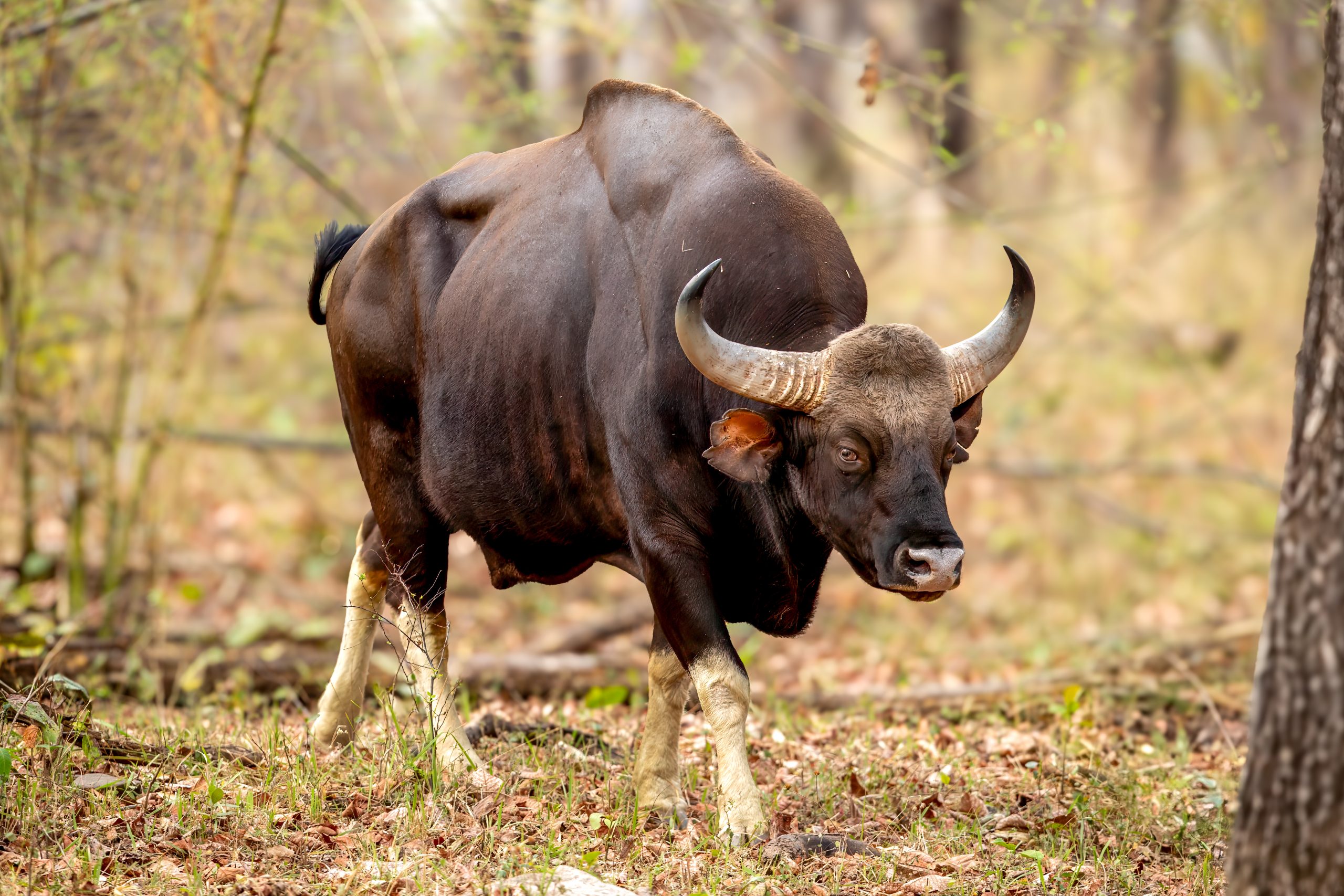
A 2026 landscape study mapped habitat selection and potential movement routes for five large mammals across the Western and Eastern Ghats of Tamil Nadu, India: tiger (Panthera tigris), leopard (Panthera pardus), dhole (Cuon alpinus), Asian elephant (Elephas maximus) and gaur (Bos gaurus).
Four species selected protected areas most strongly
Here, habitat selection means use relative to how much of each habitat was available. The models showed the highest habitat selection inside protected areas for all five species except leopard. Leopards also showed relatively high selection in fragmented landscapes just outside protected areas, while tiger habitat use was largely confined to protected areas. All five species showed the lowest habitat selection in highly fragmented areas farther from protected areas, and the models indicated that these landscapes were also the least suitable for movement.
Several movement bottlenecks lay outside protected areas
Connectivity modelling identified several narrow movement bottlenecks outside protected areas, especially in fragmented parts of the Nilgiris, Gudalur, Coimbatore and Dharmapuri forest divisions. These are places where the model suggests movement between larger habitat blocks is channelled through relatively few routes. They are modelled connectivity pinch points, not direct observations of individual animals moving through them.
The authors note that many of these bottlenecks overlap landscapes where conflict between people and large mammals is also a concern. They therefore emphasise management outside protected areas as well as within them, particularly protected-area–agriculture interfaces for large herbivores, while better prey availability inside protected areas could strengthen conditions for tiger, leopard and dhole.
Ecology
Related news
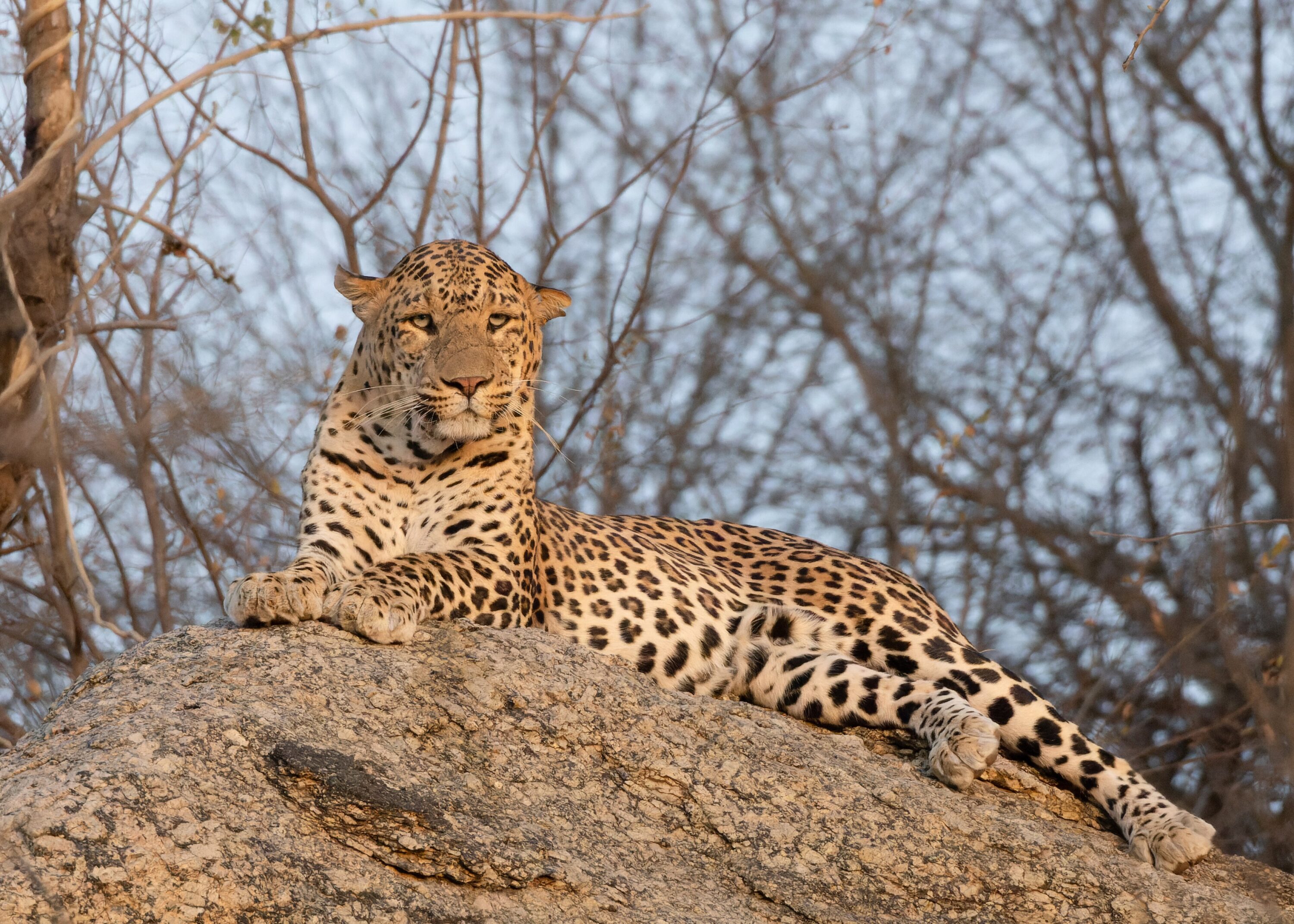
Habitat and Prey Were More Strongly Linked to Leopard Persistence Than Tiger Suppression in Bhutan
Bhutan's first nationwide leopard-density analysis estimated 1.02 leopards per 100 km², while repeated surveys showed that habitat and…
Read story →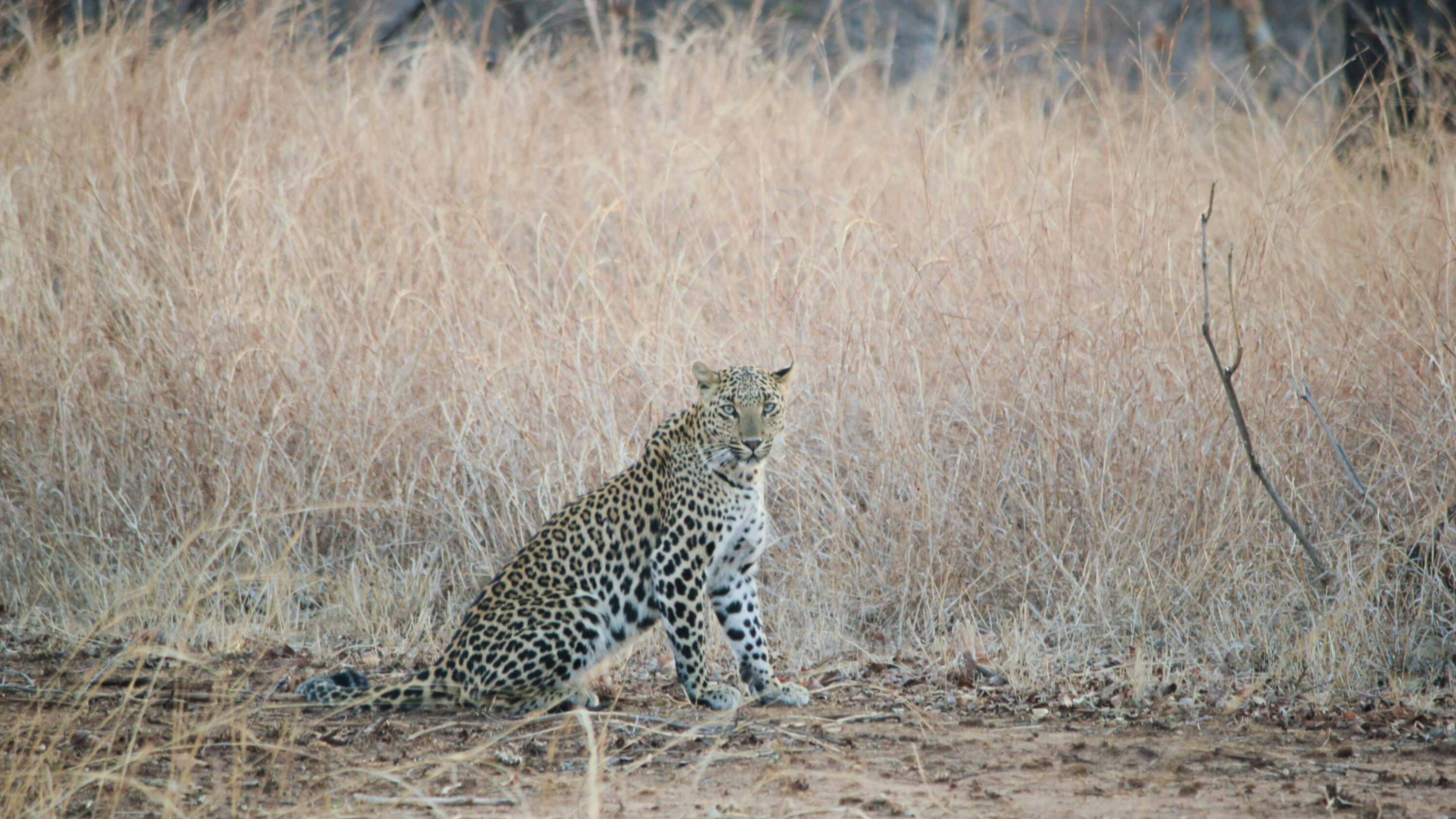
Settlement Proximity Was the Strongest Model Predictor of Tiger and Leopard Livestock Depredation in Panna
A spatial study around Panna Tiger Reserve found settlement distance was the strongest MaxEnt predictor for both tiger…
Read story →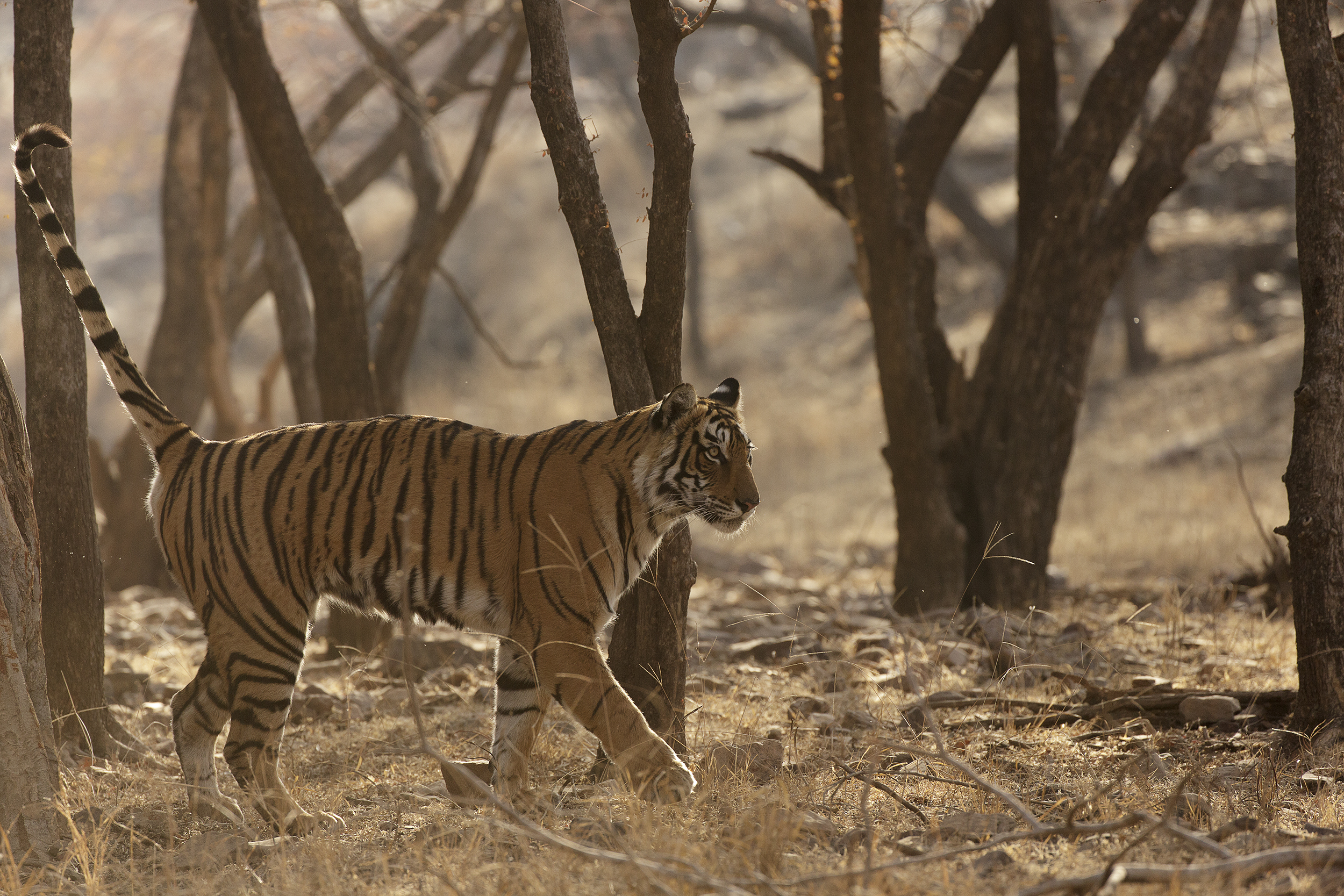
Urine and Scat Chemical Profiles Distinguished Tiger From Leopard With 79% and 75% Cross-validated Accuracy
Chemical profiles from tiger and leopard urine and scat reached about 79% and 75% species-classification accuracy in five-fold…
Read story →SPECIES IN THIS STORY
Species in this story
Independent research and conservation news archive
Did you find this information useful?
Wildlife Vagabond is independently built and maintained. Voluntary support helps cover source verification, hosting and continued work on research and conservation news.
Support Wildlife VagabondThe news archive will remain freely available.