
Woodland Caribou Genomics Revealed Nested Genetic Groups That Crossed Some Management Boundaries
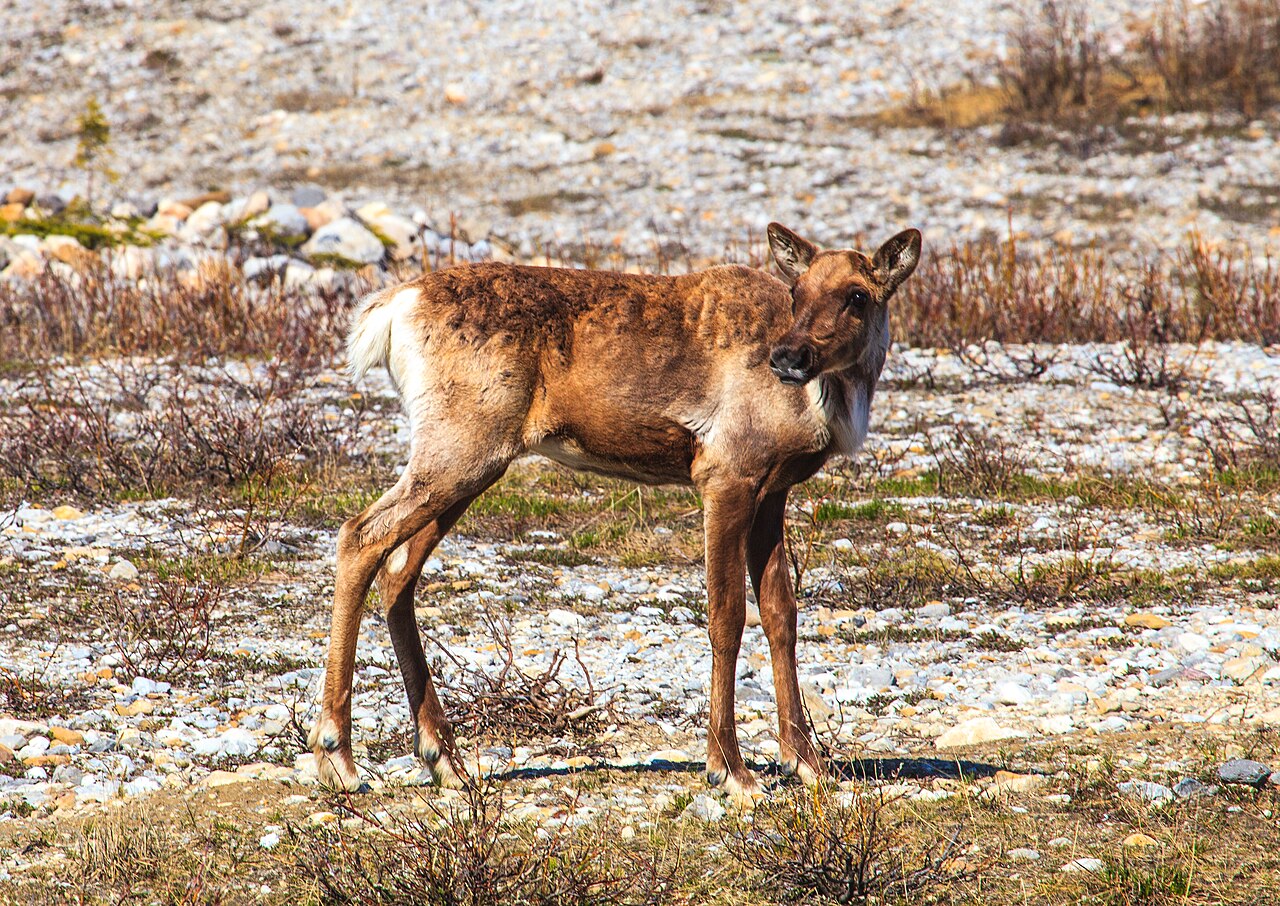
Genomic data from 759 woodland caribou (Rangifer tarandus caribou) across British Columbia and Alberta revealed genetic structure at several nested levels, and the major genetic groups did not fully match the conservation and management units currently recognised in western Canada.
The researchers analysed about 33,000 single-nucleotide polymorphisms, or SNPs, from animals representing 45 predefined subpopulations. A SNP is a position in the genome where individuals differ by a single DNA base. Thousands of these markers spread across the genome can reveal how strongly populations are related, where gene flow occurs and where long-term separation has left genetic boundaries.
Genetic structure existed at several nested scales
The analyses did not reveal one single “correct” division of woodland caribou. Instead, the genetic structure was hierarchical: broad groups contained smaller genetic subdivisions within them. At the broadest levels the data supported roughly two to six major clusters, while progressively finer analyses divided the sampled caribou into more local groups.
Six broad clusters captured much of the major regional variation: Itcha–Ilgachuz, north-western British Columbia, north-eastern British Columbia, central British Columbia and Alberta, south-eastern British Columbia, and Jasper–Banff. Itcha–Ilgachuz was the most strongly differentiated group and contained particularly distinctive genetic variation.
These broad genetic clusters did not fully follow the boundaries of current recognised caribou units. Those units are conservation and management groupings based on several kinds of biological and geographic information, not purely on the genetic clusters identified in this one study. The mismatch therefore shows that genomic history cuts across some existing boundaries rather than demonstrating that one administrative scheme can simply be replaced by six genetic groups.
Rivers, mountain corridors and distance helped shape finer differences
Several landscape features coincided with breaks in gene flow. The Peace River and its drainage separated major northern and southern groups, while the Rocky Mountain Trench helped divide north-western from north-eastern caribou. Farther south, the North Thompson and Fraser river systems, Yellowhead Pass, the Athabasca River and the Great Divide were associated with additional genetic boundaries.
Geographic distance also mattered. Caribou that were farther apart tended to be more genetically different, a pattern known as isolation by distance. In practical terms, dispersal and mating occur more often among nearby populations than among populations separated by long distances or difficult landscape features, so genetic differences can accumulate gradually across the range.
Mid-latitude caribou retained a signal of post-glacial mixing
Genetic diversity was highest in the middle of the sampled range and lower toward both the northern and southern ends. The study measured this partly through expected heterozygosity — the probability that the two copies of a genetic marker drawn from a population are different. Higher heterozygosity therefore indicates a broader mixture of genetic variants.
The authors interpret the mid-latitude peak as a legacy of post-glacial secondary contact. During the last glacial period, caribou lineages were separated in different refugial regions. As ice retreated, those lineages expanded again and came back into contact. Where they met and hybridised, previously separated genetic variants were mixed, leaving elevated heterozygosity in the contact zone.
History and contemporary landscapes both contributed
The broadest genetic pattern largely reflected post-glacial recolonisation, while finer differences were increasingly associated with present-day geography, distance and landscape heterogeneity. The result is a nested genetic structure produced by processes acting over very different timescales.
The authors argue that conservation planning should therefore recognise genetic diversity at several levels rather than assuming that one set of boundaries captures all biologically relevant variation. The study provides a genomic description of that variation; it does not by itself prescribe a single replacement map for existing management units.
Genetics & genomics
Related news
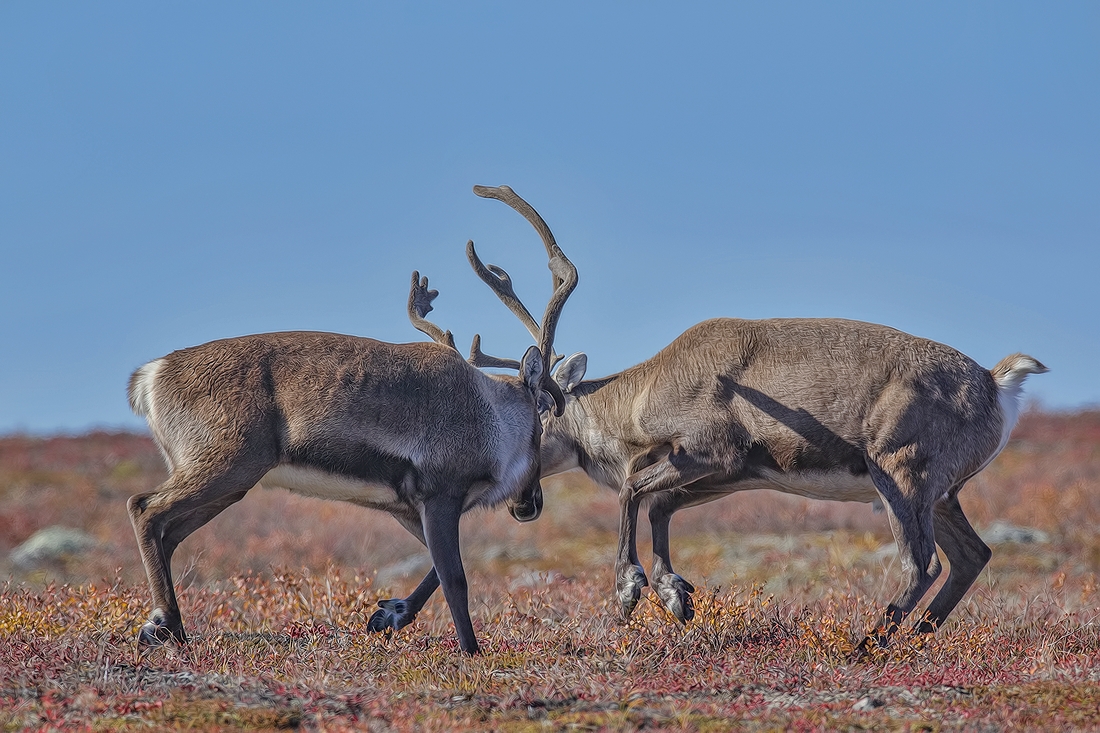
Inuit harvesters help detect an emerging parasitic disease in Arctic caribou
Near Kugluktuk in Nunavut, Inuit harvesters reported unusual tissue changes in caribou. Tests found DNA from two parasitic…
Read story →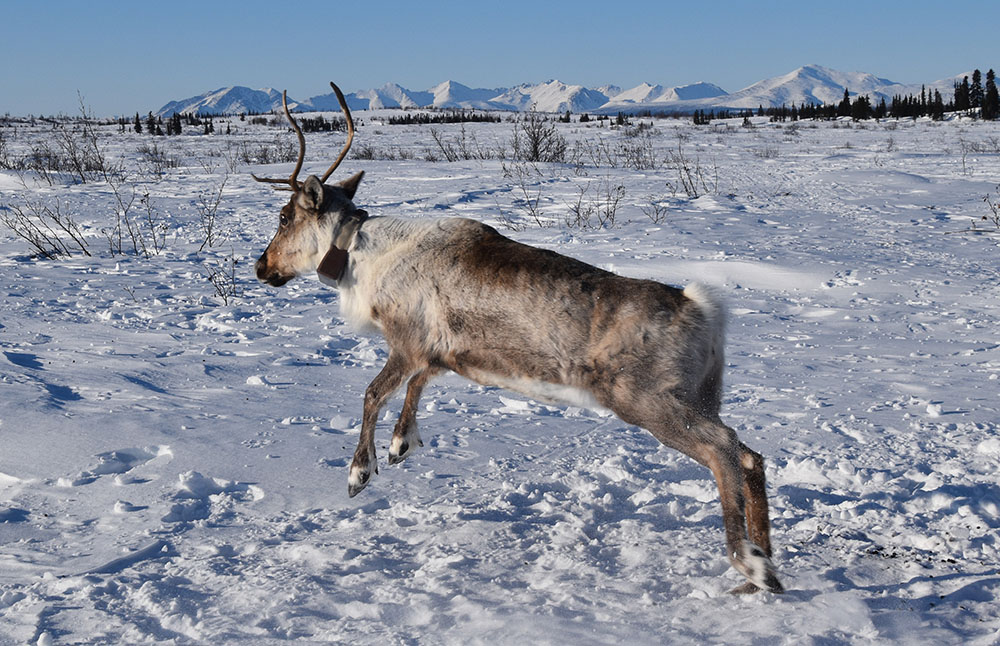
Video Collars Showed GPS Methods Were Only About 70% Accurate at Detecting Caribou Calving
Video collars from 160 adult females in the Porcupine and Western Arctic herds showed that two GPS movement…
Read story →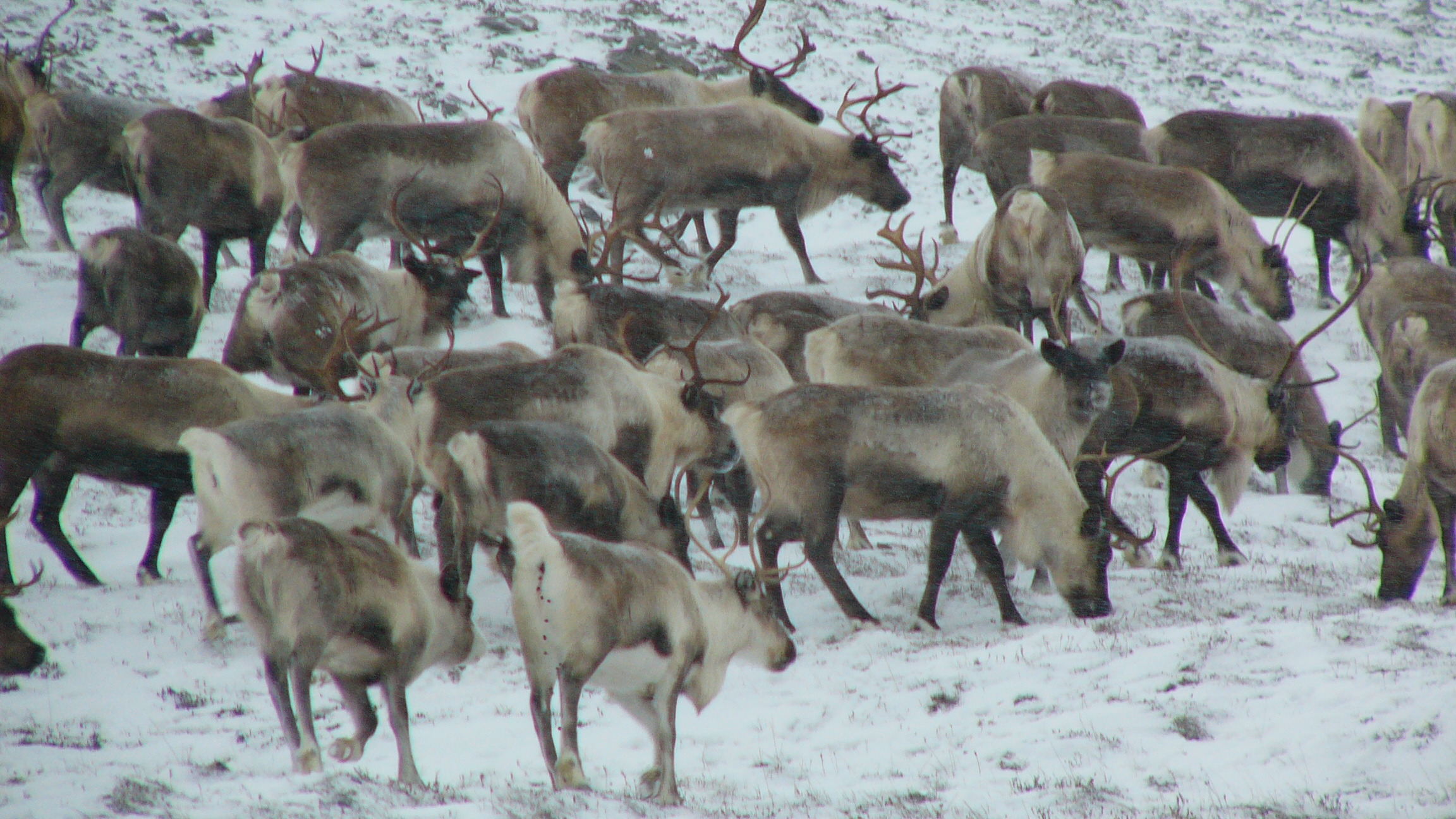
Reindeer and Caribou Showed Broad Genetic Differences Across Russia, Alaska and Canada
Microsatellite data from 1,544 reindeer and caribou in 42 populations showed broad genetic differentiation among Russia, Alaska and…
Read story →SPECIES IN THIS STORY
Species in this story
Independent research and conservation news archive
Did you find this information useful?
Wildlife Vagabond is independently built and maintained. Voluntary support helps cover source verification, hosting and continued work on research and conservation news.
Support Wildlife VagabondThe news archive will remain freely available.