
Cayo Santiago Macaque Inbreeding Fell Within the Range of Several Wild Chinese Populations
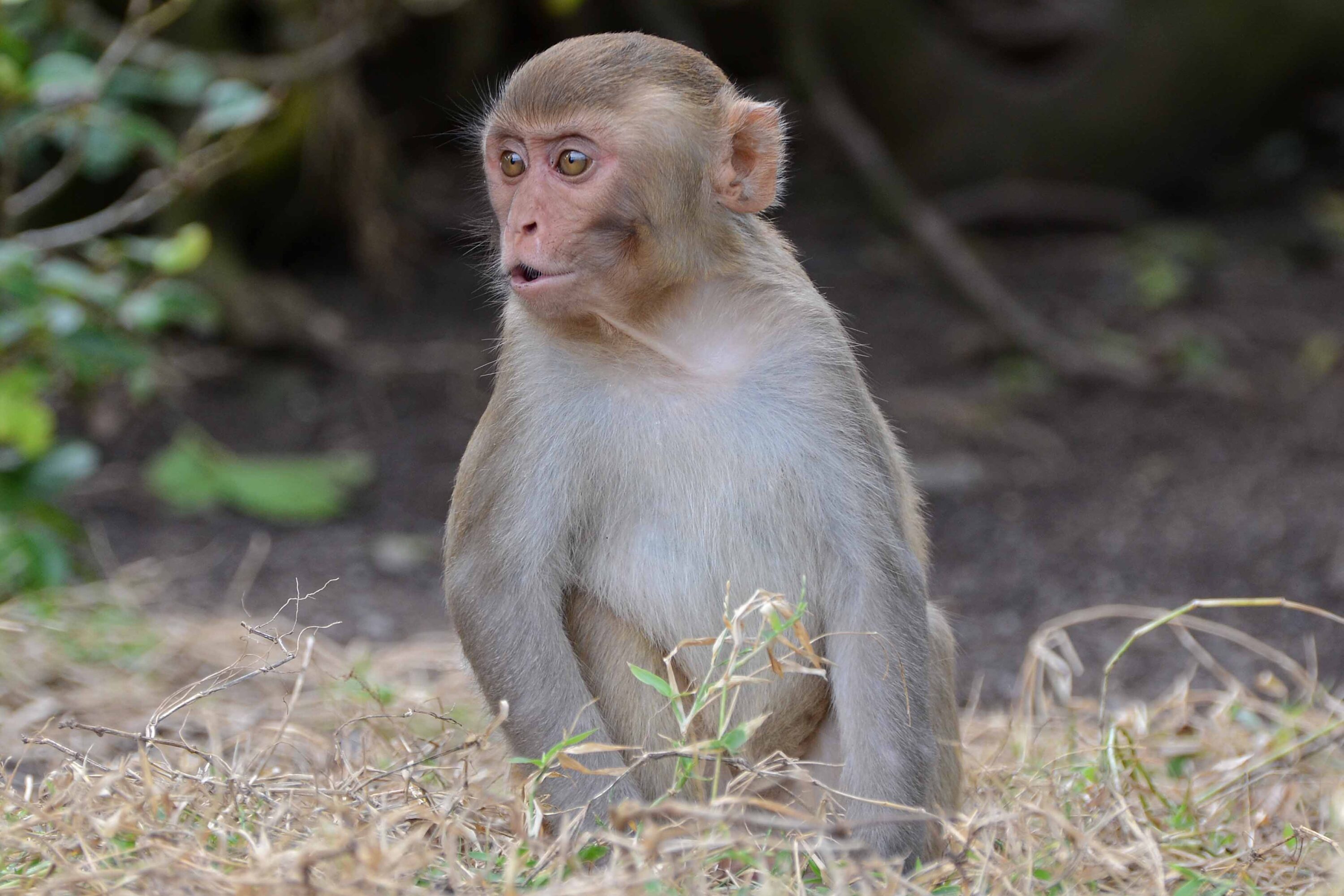
A 2026 preprint found little genomic evidence of recent close-kin breeding in the isolated rhesus macaque (Macaca mulatta) population on Cayo Santiago, Puerto Rico. Researchers compared 97 island macaques with 79 animals from five wild populations in China using runs of homozygosity (ROH), and found that Cayo Santiago fell within the broad range seen in several of the wild comparison populations.
Cayo Santiago was founded in 1938 with 409 wild-born rhesus macaques from India and has received no new animals since. Isolation therefore makes shared ancestry unavoidable over time, but shared ancestry is not the same as frequent mating between close relatives.
Long and short ROH reveal ancestry on different timescales
A run of homozygosity is a stretch of the genome where the two chromosome copies carry matching DNA inherited from common ancestors. Recombination breaks inherited chromosome segments into shorter pieces over generations, so very long ROH usually point to relatively recent common ancestry between an individual’s parents. Shorter ROH retain more information about older background relatedness and population history.
The Cayo Santiago genomes had relatively low sequencing depth, around 5× on average, but the researchers used a reference panel to impute missing genotypes. This allowed them to infer ROH longer than 4 centimorgans, a genetic measure of segment length.
Very long homozygous segments were uncommon
Long ROH were scarce in the Cayo Santiago animals, and the same broad pattern occurred in the five wild Chinese populations. The authors therefore found little evidence that close-kin mating is common in the isolated island population.
Shorter ROH were much more informative about Cayo Santiago’s founder history. This distinction explains why an isolated population can show substantial background relatedness without showing widespread recent mating between close relatives.
The authors discuss behaviours such as male dispersal and recognition of paternal kin as possible mechanisms that could reduce close-kin mating in rhesus macaques. The genomic analysis did not test those behaviours directly, however, so they remain explanations consistent with the pattern rather than demonstrated causes.
Effective population size was about 420
Using the ROH distribution, the researchers estimated Cayo Santiago’s recent effective population size at about 420 individuals. Effective population size is not a census of how many macaques physically live on the island. It describes how large the population behaves genetically in terms of the individuals effectively contributing genes to later generations.
The Cayo estimate fell within the range inferred for several of the wild Chinese populations. This supports the authors’ broader conclusion that genomic inbreeding on the island is not exceptionally high simply because the population has been isolated for decades.
The wild comparison populations came from China, not India
The comparison is informative but not geographically matched to Cayo Santiago’s founders. The island macaques descend from Indian animals, whereas the available wild genomes used in the preprint came from China. Indian and Chinese rhesus lineages have different demographic histories, so the study cannot show that Cayo Santiago has exactly the same inbreeding profile as wild populations from the founders’ source region.
The Chinese dataset also used subspecies labels from an earlier genomic study. Because rhesus-macaque subspecies boundaries are debated, the authors treat those names primarily as labels for geographically separated populations rather than as a new taxonomic conclusion.
Overall, the preprint supports a specific conclusion: despite long isolation and clear background relatedness, Cayo Santiago shows few genomic signatures of recent close-relative mating and falls within the broad inbreeding variation seen in the available wild comparison populations. The work has not yet undergone peer review, so its estimates and interpretation remain provisional.
Genetics & genomics
Related news
Female Rhesus Macaques That Watched Unfamiliar Female Faces Longer Were More Likely to Have Offspring the Following Year
At a semi-free-ranging population in Puerto Rico, females that spent longer looking at an unfamiliar female’s neutral face…
Read story →
Human Activity and Large Wildlife Overlapped Most in Chitwan’s Buffer Zone
Camera traps across Chitwan National Park and surrounding forests showed the greatest overlap of human activity with large…
Read story →
Aging rhesus macaques show broader protein changes in blood than in brain fluid
A study of 66 rhesus macaques found age-related differences in many more measured proteins in plasma than in…
Read story →SPECIES IN THIS STORY
Species in this story
Independent research and conservation news archive
Did you find this information useful?
Wildlife Vagabond is independently built and maintained. Voluntary support helps cover source verification, hosting and continued work on research and conservation news.
Support Wildlife VagabondThe news archive will remain freely available.