
DNA From 123 Male Giraffes Supports a Two-Species Classification
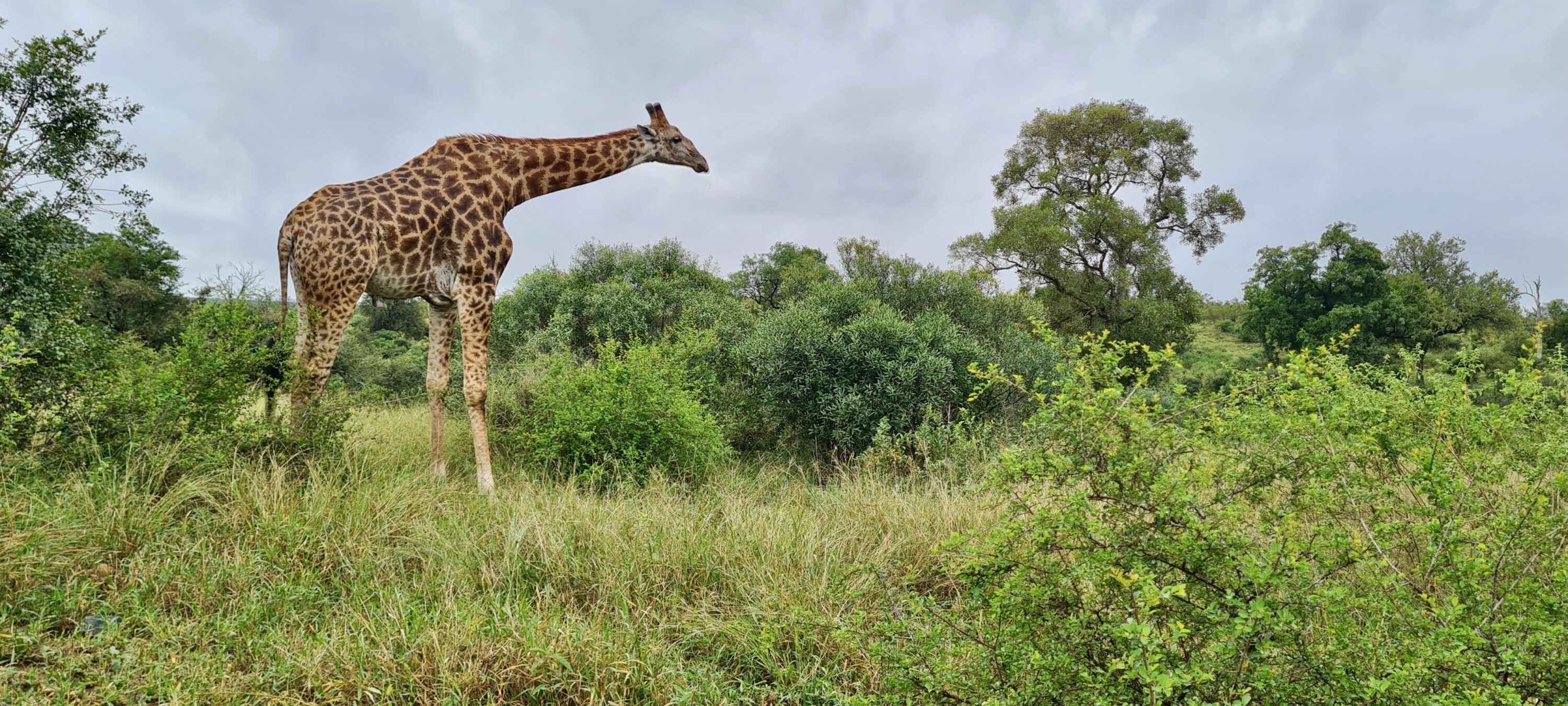
A genetic study published in 2026 adds new evidence to the long-running debate over how many giraffe species should be recognised. By comparing several competing taxonomic arrangements, the researchers found their strongest overall support for dividing the genus into two species corresponding to a northern and a southern lineage.
The team used whole-genome sequencing data available for 123 male giraffes to assemble four genes from the male-specific region of the Y chromosome, three corresponding X-chromosome genes, complete mitochondrial genomes and 21 autosomal introns. This let them compare markers with different inheritance patterns: mitochondrial DNA mainly follows the maternal line, whereas the male-specific Y chromosome follows the paternal line.
Y-chromosome data separated northern and southern lineages
The Y-chromosome data showed a deep division between northern giraffes — the traditional antiquorum, peralta, rothschildi and reticulata forms — and four southern forms: giraffa, wardi, tippelskirchi and thornicrofti. Under the authors’ preferred classification, these become two species: Giraffa camelopardalis in the north and Giraffa giraffa in a broader southern sense.
A key result was what the researchers call a barcoding gap. Within each proposed species, Y-chromosome differences were consistently smaller than the differences between the northern and southern groups. Mitochondrial DNA showed the same broad pattern. Three- and four-species classifications retained some genetic support in particular analyses, but their within-species and between-species distances overlapped; only the two-species arrangement produced a clear gap for both the Y-chromosome and mitochondrial markers.
Gene flow did not erase the deeper split
The 21 autosomal introns and other markers also supported the broad north–south division, while revealing a more complicated history of gene flow. The study found recent natural introgression between the southern African giraffa and wardi forms, involving both male and female lineages, which supports placing them within the same species. It also found evidence of older introgression between the main northern and southern lineages. Introgression is the transfer of genetic material between populations through hybridisation followed by repeated breeding with one of the parental populations.
The authors connect the genetic division with skull morphology and with the sharply contrasting coat patterns of reticulated and Masai giraffes in southern Kenya, where the northern and southern lineages can meet. They propose that selection against hybrids may have reinforced differences involved in mate choice and thereby limited gene flow, but present this as an evolutionary explanation rather than a directly demonstrated mechanism.
On the basis of monophyly and nucleotide divergence across the marker sets, the researchers conclude that the two-species classification best fits their data. This differs from other modern taxonomic treatments that recognise three or four giraffe species, so the number of recognised giraffe species remains actively debated.
Evolution & taxonomy
Related news
Giraffe and White Rhino Blood Samples Differed in 28 Metabolites
Blood samples from southern giraffes and white rhinoceroses differed in 28 metabolites across repeated statistical checks. Branched-chain amino…
Read story →
Organic Acids Fell as Amino Acids Rose in Giraffe Milk Late in Lactation
Milk from five giraffes in South Africa shifted chemically between about 9.4 and 15.1 months of lactation: Krebs-cycle…
Read story →
First Giraffe Calf Born in Iona Since Angolan Giraffes Were Reintroduced
A giraffe calf has been recorded in Angola’s Iona National Park for the first time since Angolan giraffes…
Read story →SPECIES IN THIS STORY
Species in this story
Independent research and conservation news archive
Did you find this information useful?
Wildlife Vagabond is independently built and maintained. Voluntary support helps cover source verification, hosting and continued work on research and conservation news.
Support Wildlife VagabondThe news archive will remain freely available.