
Goldcrest Was Associated With Conifer-Dominated Forest Sites Around Jena
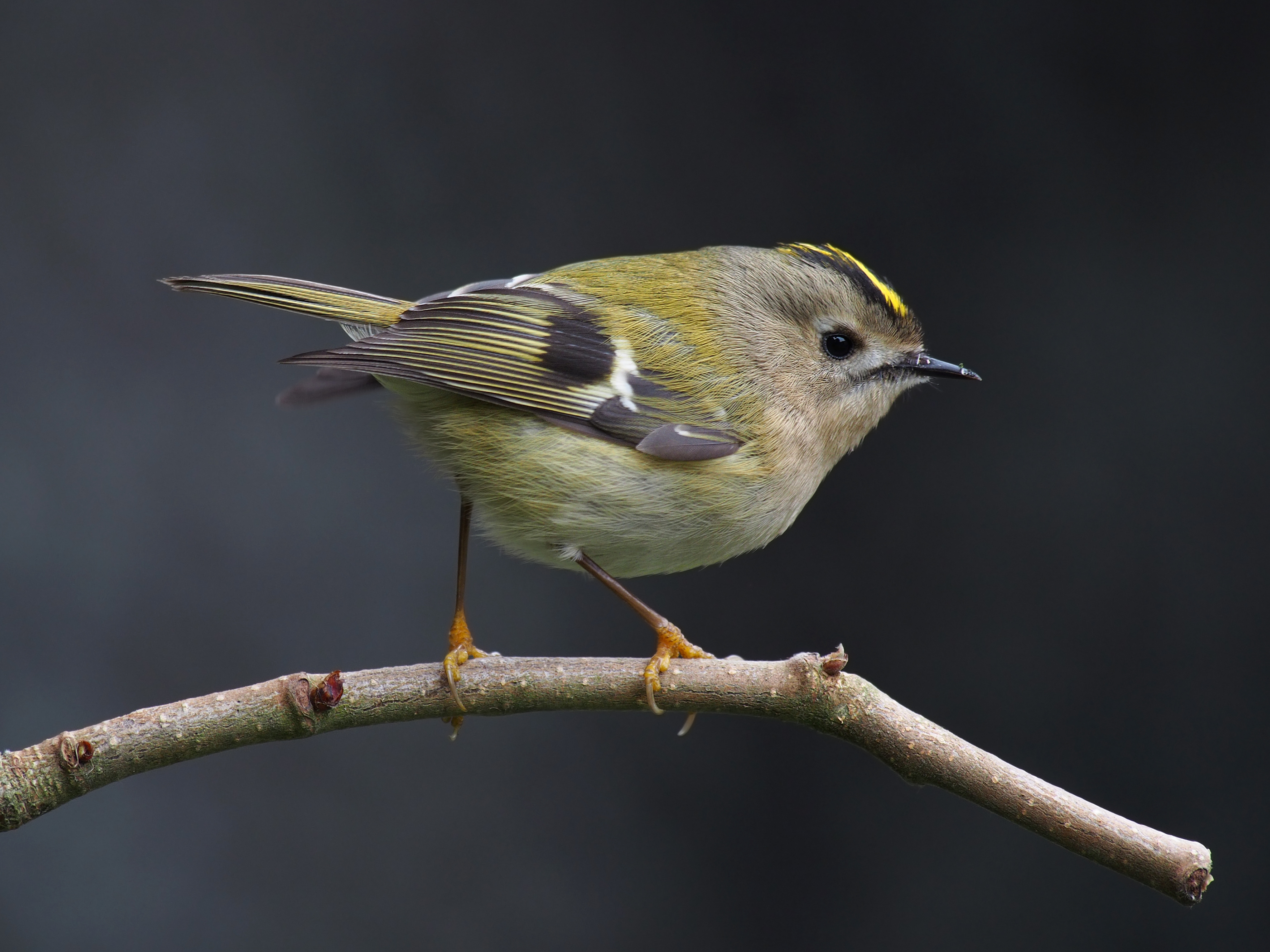
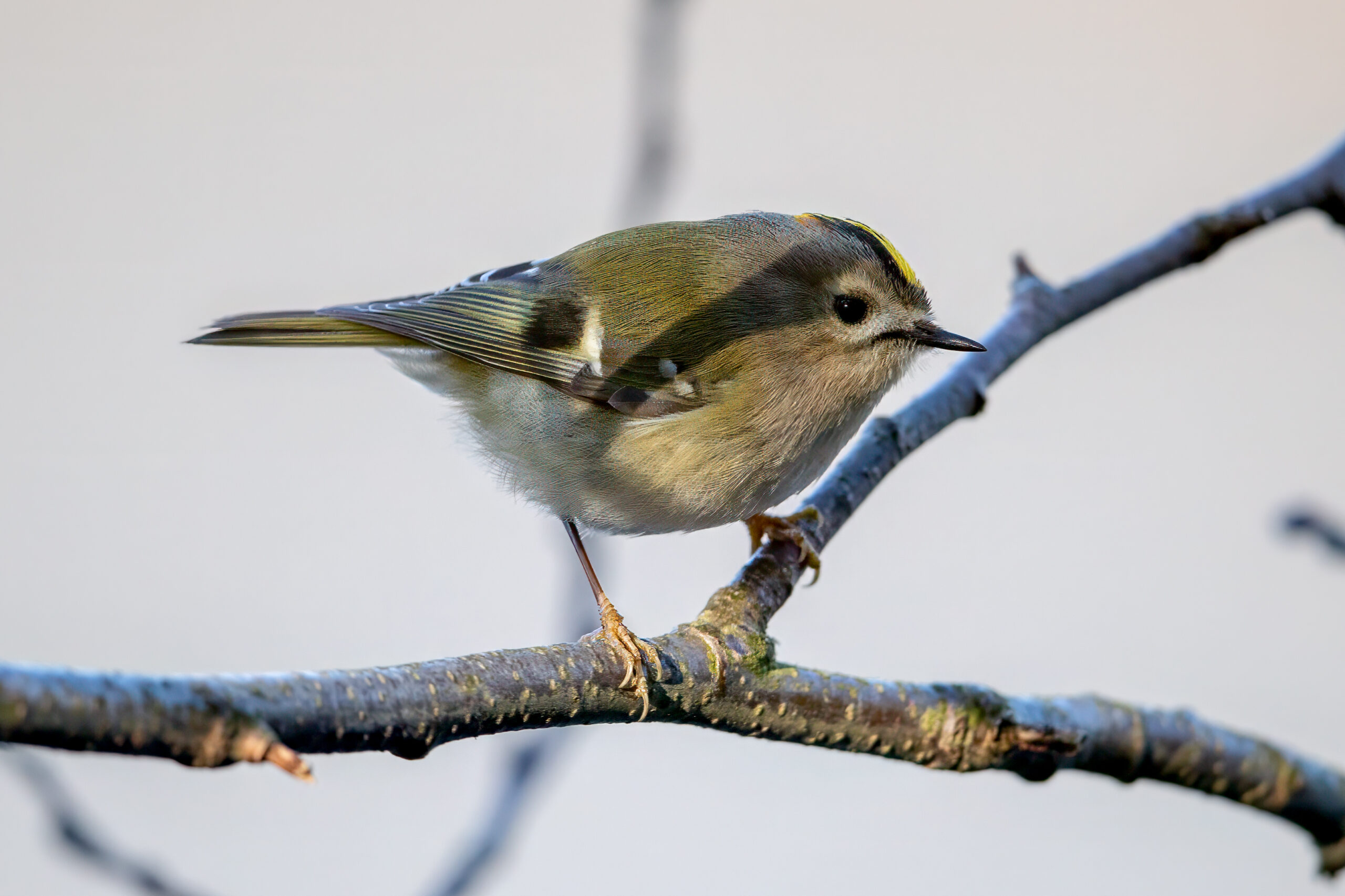
Goldcrest (Regulus regulus) was among the species associated with the conifer-dominated end of a forest gradient in a year-round acoustic study around Jena, Germany. The study, available online on 28 February 2026, used automated sound recorders to compare bird communities from deciduous through mixed to coniferous stands in all four seasons.
Researchers monitored 20 forest sites for 30-day periods in winter, spring, summer and autumn 2024. AudioMoth recorders and BirdNET-assisted identification produced 11,080 species activity-days from 58 bird species; an activity-day means that a species was acoustically registered at a site on a given day. Goldcrest was one of the most frequently registered species, with 778 activity-days.
Forest Type Changed Community Composition, Not Overall Diversity
Bird diversity varied strongly with season, peaking in spring and summer and falling in autumn and winter. Forest type itself did not significantly affect overall species diversity. Instead, it changed community composition: bird communities differed clearly along the forest gradient in winter, spring and summer, while the forest-type effect was not significant in autumn.
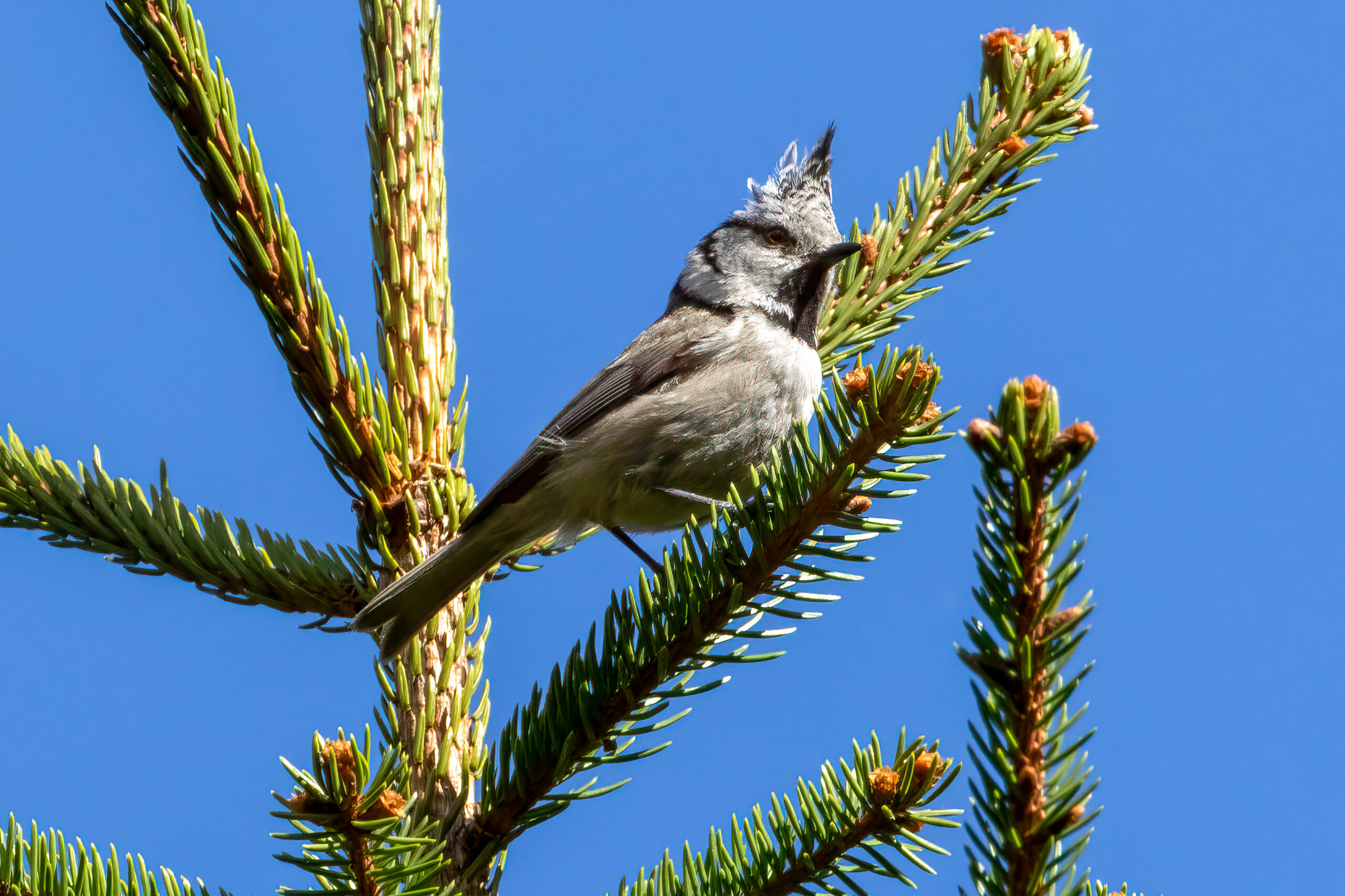
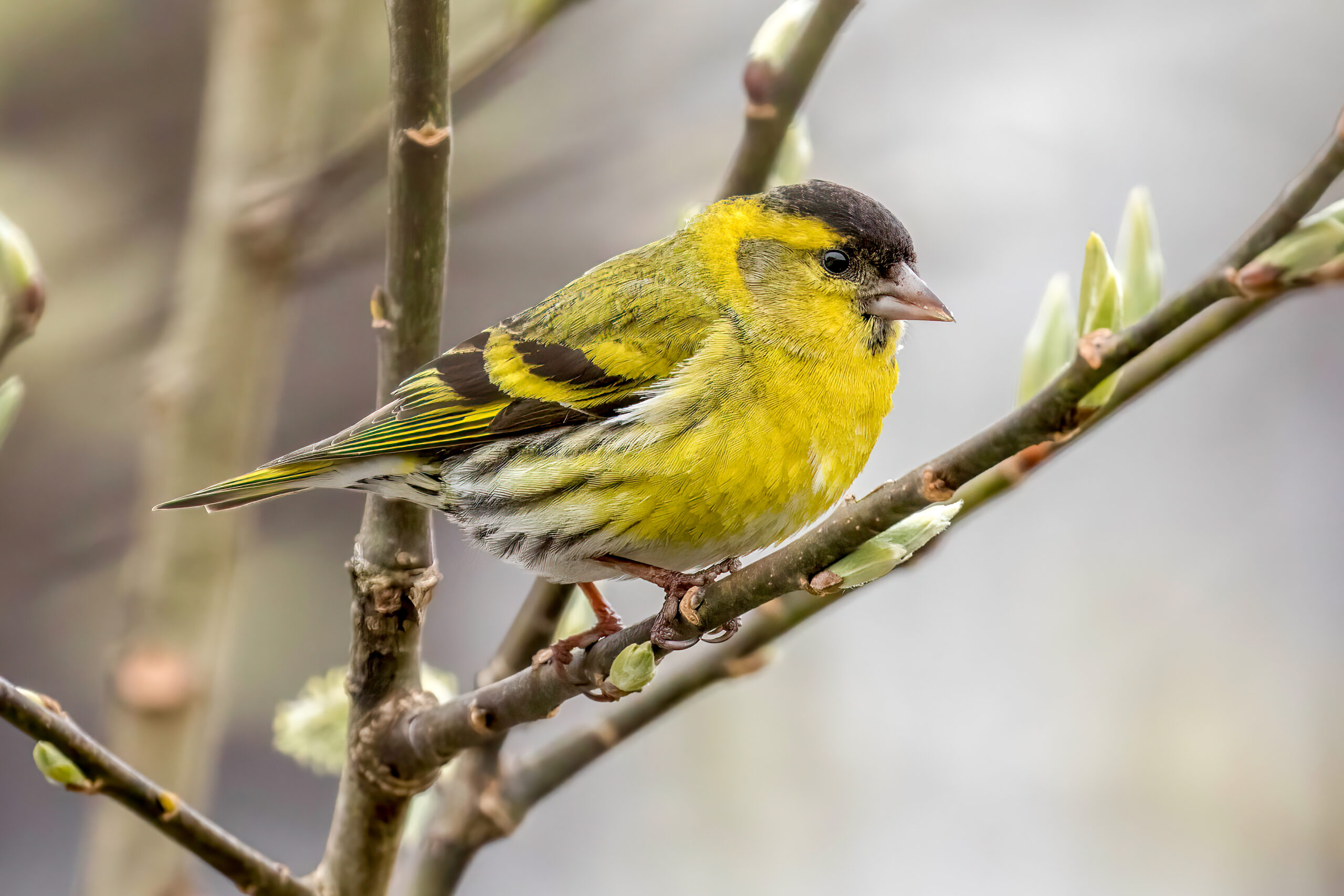
In the full-year ordination, goldcrest, crested tit (Lophophanes cristatus) and Eurasian siskin (Spinus spinus) were associated with the coniferous end of the gradient. The authors note, however, that no species emerged as a formal indicator of a particular forest type.
Season Had the Strongest Overall Effect
Across the full year, season had the strongest influence on the composition and diversity of the acoustic bird community, largely because migratory species entered and left the forests. The forest-type gradient nevertheless remained visible within seasons, indicating that tree composition continued to structure which species used the sites through much of the year.
Ecology
Related news
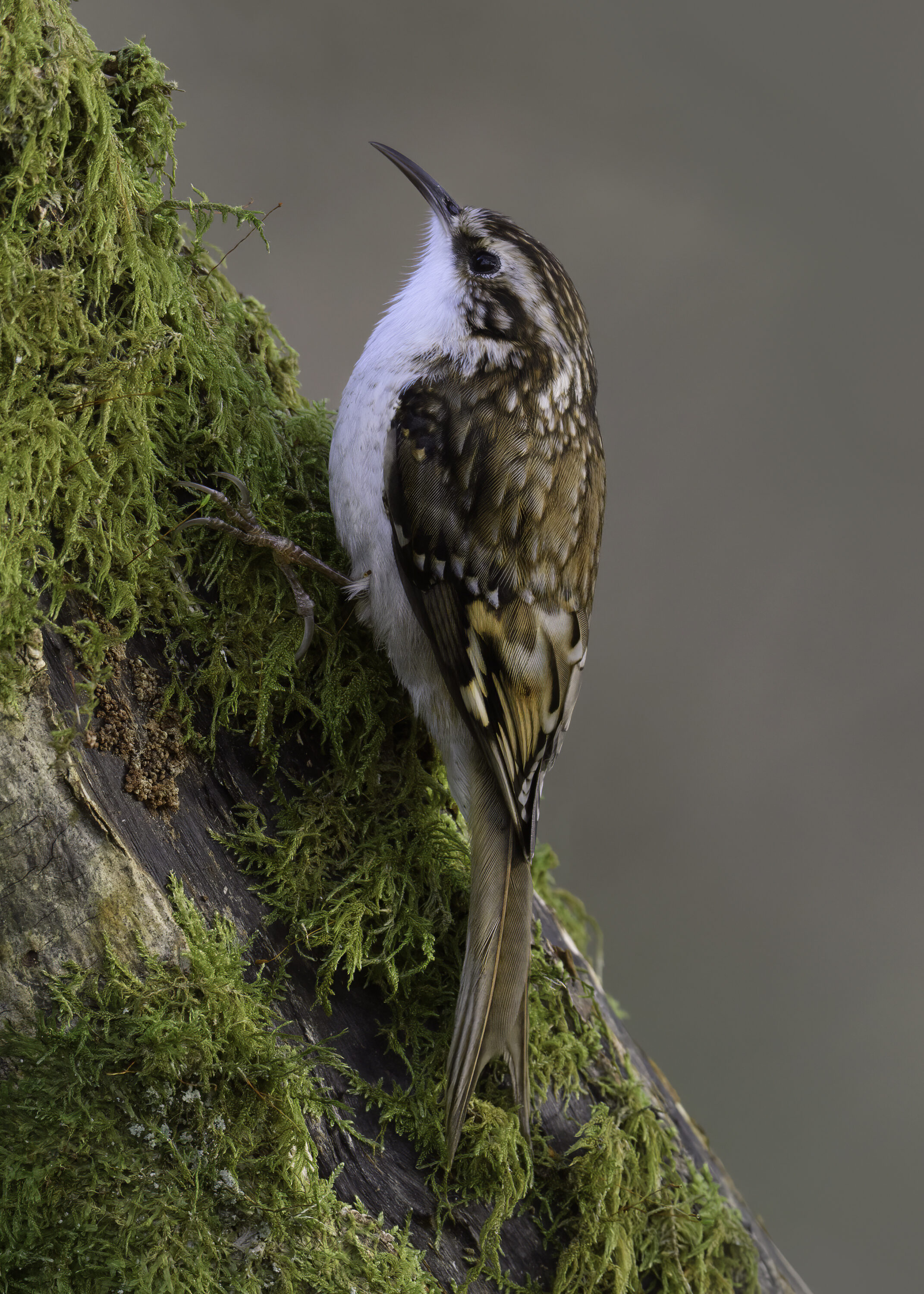
Eurasian Treecreeper Vocal Activity Declined Even at Low-impact Clearcut Sites
A Finnish before-and-after study found lower Eurasian treecreeper vocal activity even where less than one-third of nearby forest…
Read story →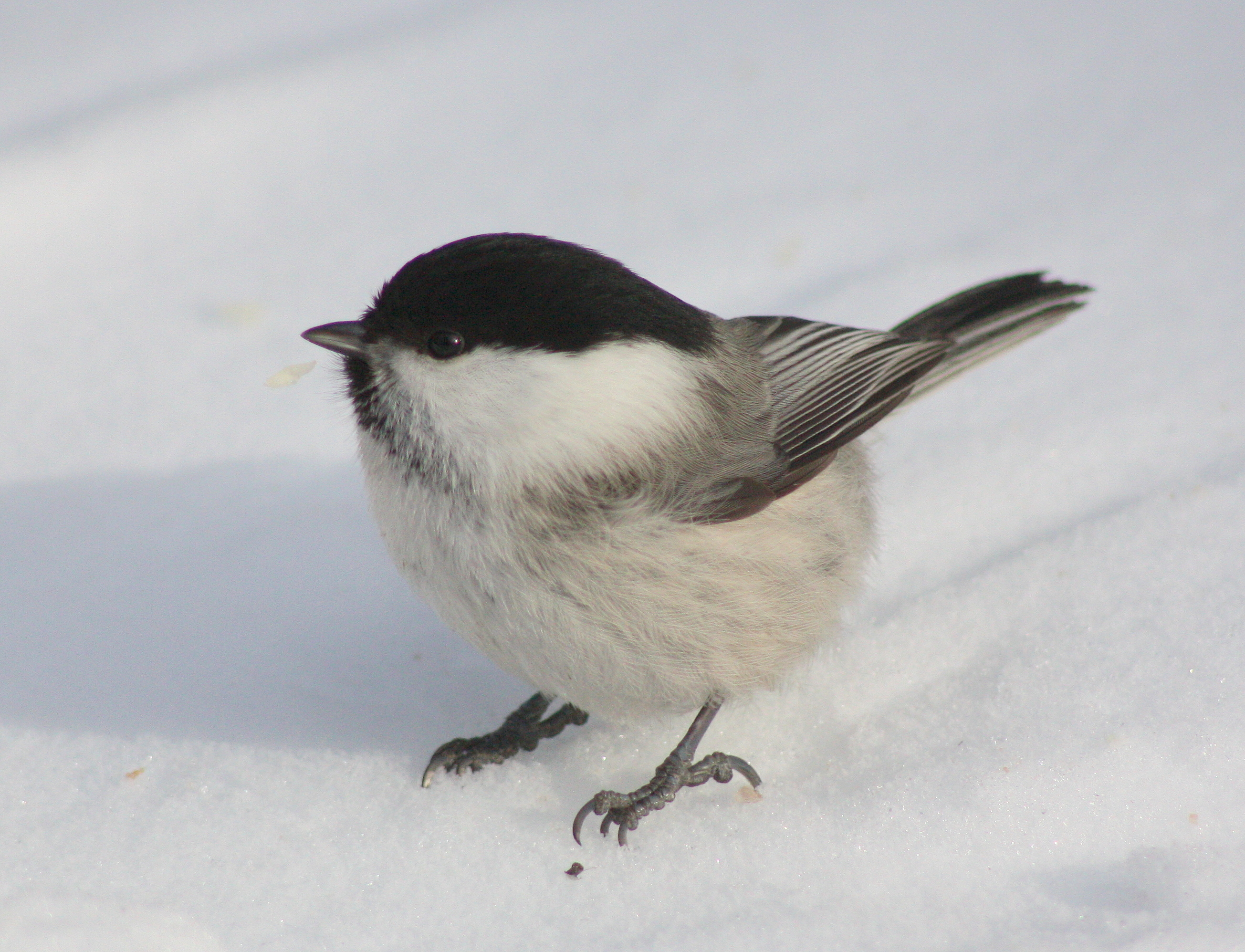
Willow Tits Were Much Less Likely to Be Recorded Beyond 50 Metres From Green Corridors in Oulu
Across 153 forest patches in Oulu, willow tits were much less likely to be recorded once patches lay…
Read story →
Mean Eurasian Blue Tit Winter Count Rose Fourfold in Finnish Urban Survey Plots
Across 31 Finnish settlements, mean Eurasian blue tit counts rose from 2.8 birds per standardised urban plot in…
Read story →SPECIES IN THIS STORY
Species in this story
Independent research and conservation news archive
Did you find this information useful?
Wildlife Vagabond is independently built and maintained. Voluntary support helps cover source verification, hosting and continued work on research and conservation news.
Support Wildlife VagabondThe news archive will remain freely available.