
Across 2022–2023, 61.1% of Monitored Great Cormorant Eggs on Giresun Island Produced Fledged Young
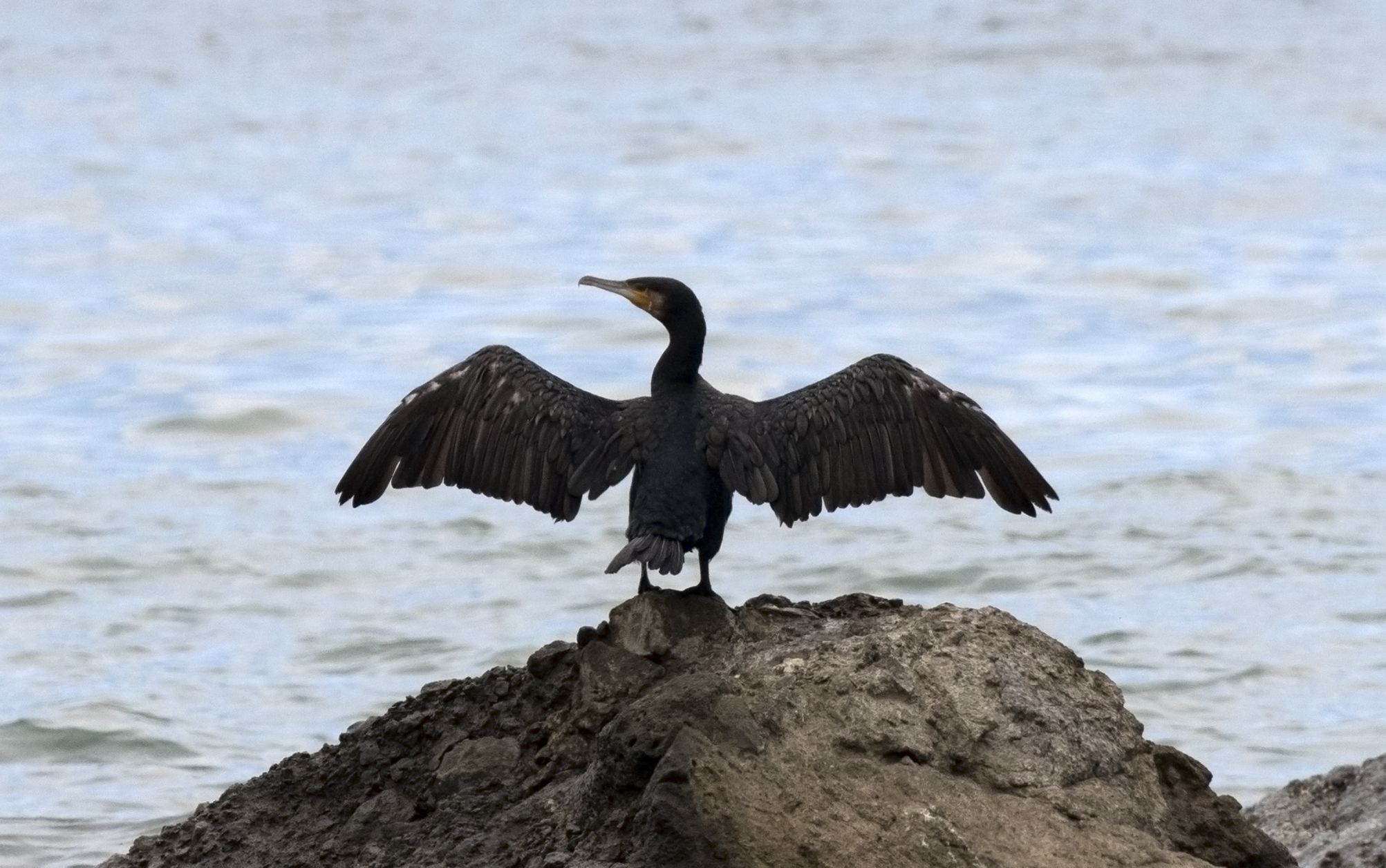
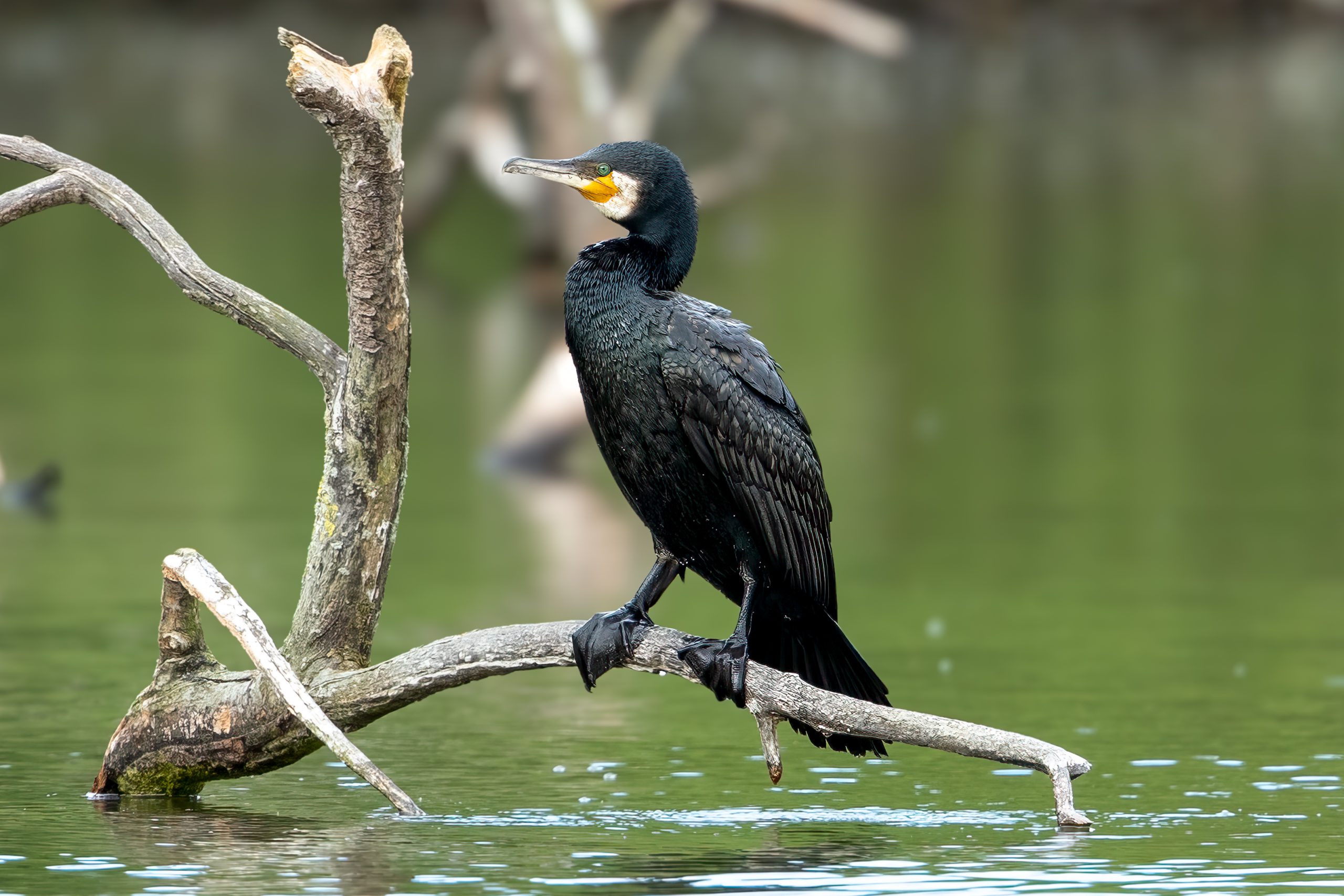
A two-year study on Giresun Island in the eastern Black Sea found that 61.1% of the Great Cormorant (Phalacrocorax carbo) eggs in monitored nests produced young that reached fledging. Researchers counted nests across the island in 2022 and 2023 and followed accessible nests through laying, hatching and chick development.
In 2022, 322 Great Cormorant nests were recorded on the island and 258 were monitored. In 2023, 431 were recorded and 267 monitored. Across the 525 monitored nests, 1,116 eggs were laid; 816 hatched and 682 young reached fledging, normally at about 45–50 days of age. Hatching success was therefore 73.1%. Of the chicks that hatched, 83.6% survived to fledging, leaving an overall egg-to-fledgling survival rate of 61.1%.
Great Cormorant breeding performance was slightly higher in 2023 than in 2022. Egg-to-fledgling survival rose from 59.4% to 62.7% and hatching success from 71.4% to 74.8%, while survival from hatching to fledging was almost unchanged at 83.3% and 83.8%.
The study also followed 75 European Shag (Gulosus aristotelis) nests and 455 Yellow-legged Gull (Larus michahellis) nests. Egg-to-fledgling survival was 37.6% in European Shags and 19.6% in Yellow-legged Gulls, compared with 61.1% in Great Cormorants. Yellow-legged Gulls had particularly low hatching success, at 25.6%, but 76.3% of chicks that did hatch survived to fledging. Their main loss therefore occurred before or around hatching rather than among chicks that had already hatched.
The figures describe the monitored nests during the 2022 and 2023 breeding seasons, not a long-term average for the entire island colony. Within those two seasons, Great Cormorants had the highest egg-to-fledgling survival of the three seabird species monitored on Giresun Island.
Reproduction & development
Related news
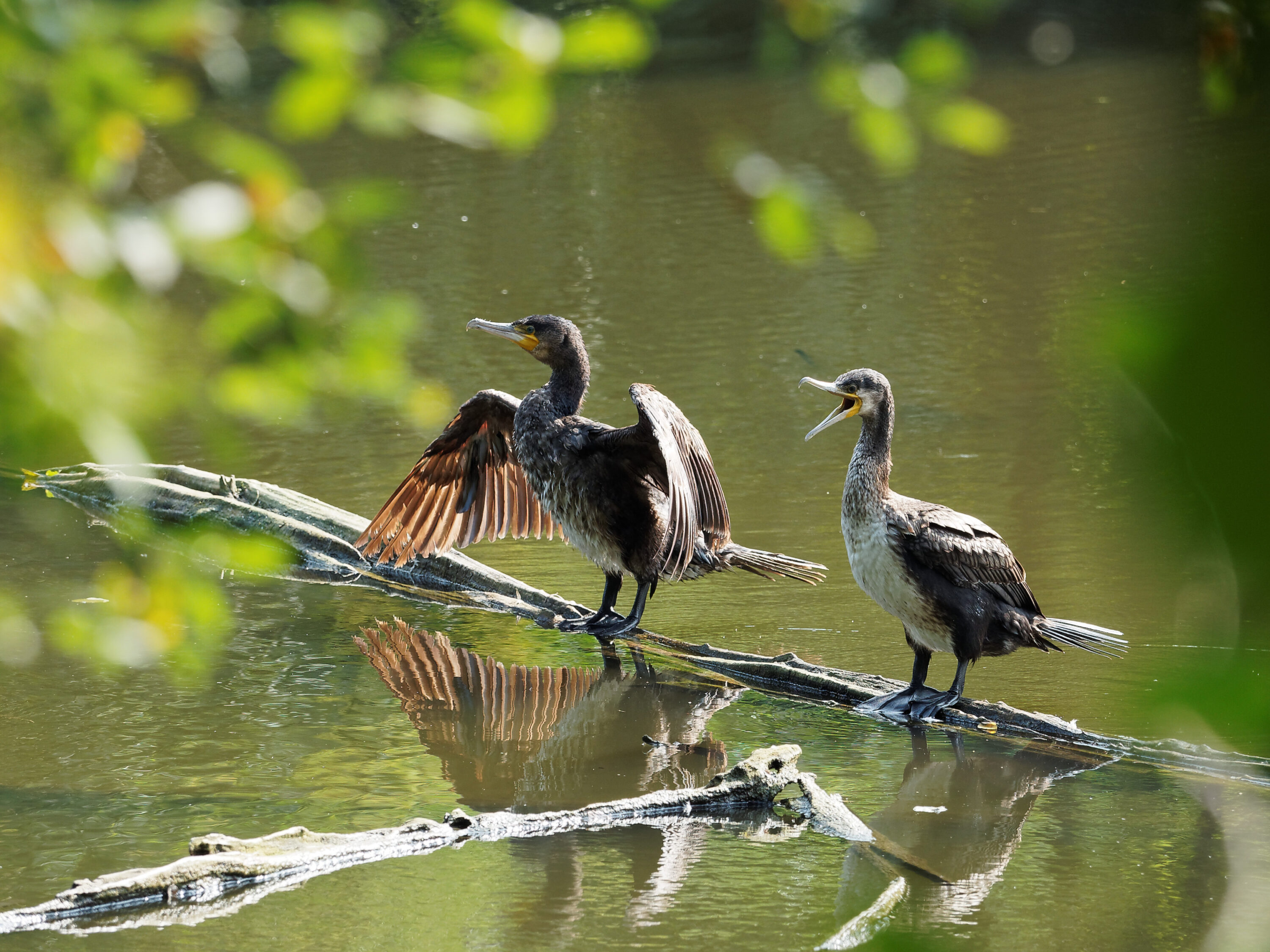
Great Cormorants Increased as Southern Baltic Diving Seabirds Stayed 40% Below Early-1990s Levels
A 35-year analysis of Polish Baltic winter surveys found strong growth in great cormorants, while the wider diving-seabird…
Read story →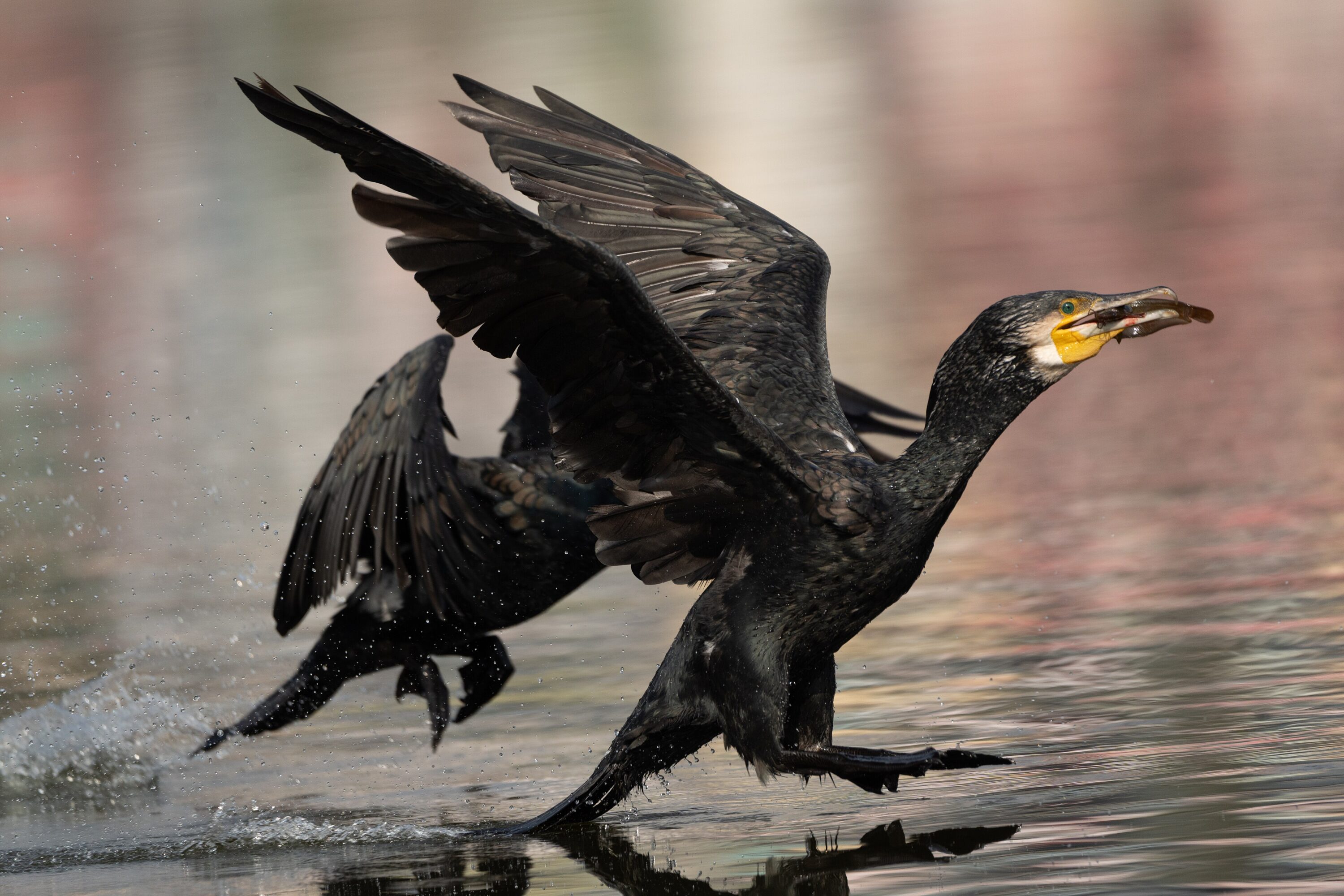
European Inventory Estimated More Than €670 Million in Annual Fish Damage From Great Cormorant Predation
A 2026 European inventory using information from more than 300 organizations estimates annual cormorant-related damage to fish stocks…
Read story →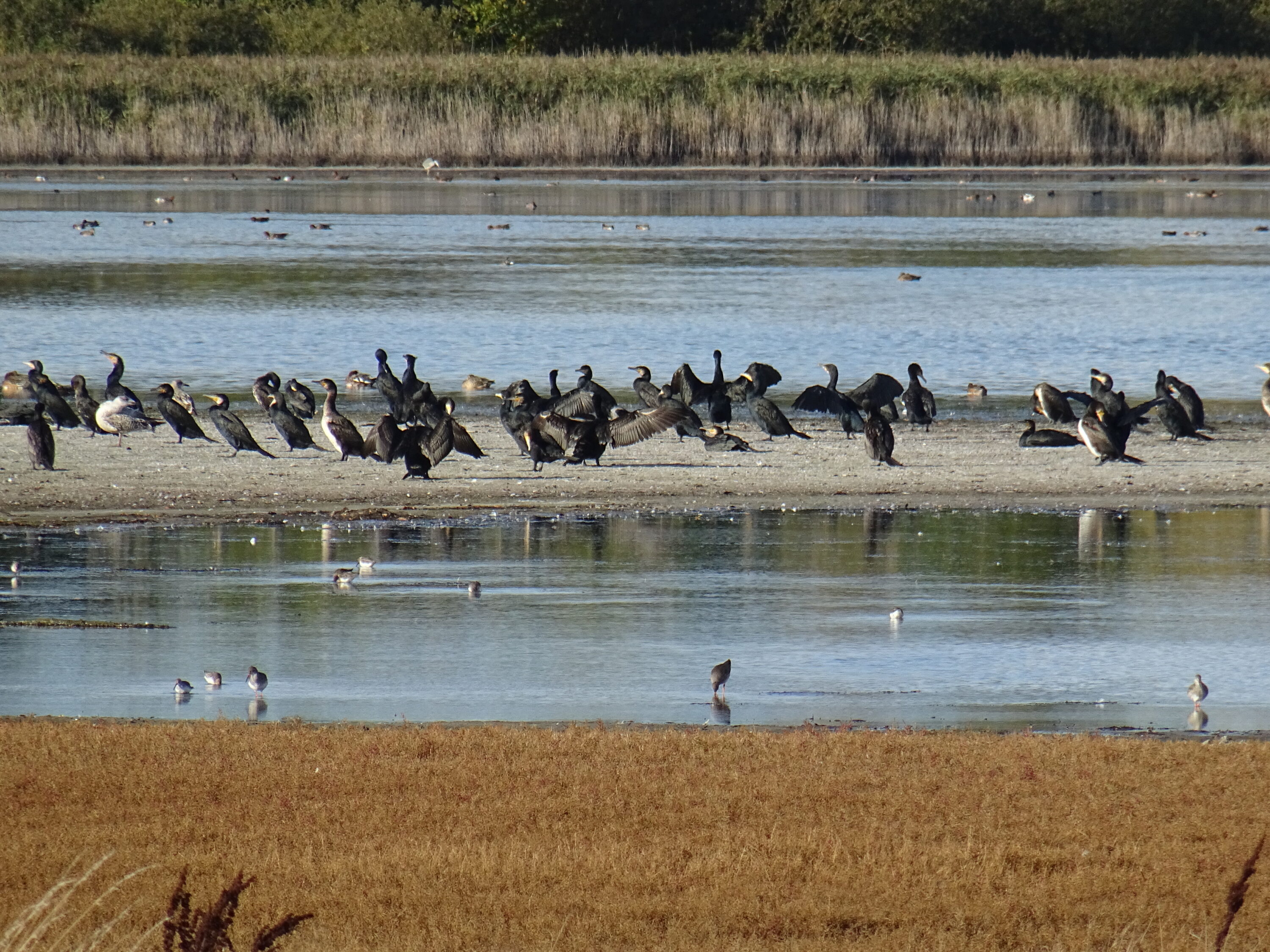
Estimated Great Cormorant Predation Reached 52–88% in Tagged Cod and 14–84% in Tagged Flounder
In Genner Bay, Denmark, a PIT-tag study estimated that great cormorants consumed 52–88% of tagged cod and 14–84%…
Read story →SPECIES IN THIS STORY
Species in this story
Independent research and conservation news archive
Did you find this information useful?
Wildlife Vagabond is independently built and maintained. Voluntary support helps cover source verification, hosting and continued work on research and conservation news.
Support Wildlife VagabondThe news archive will remain freely available.