
Great Reed Warblers Showed Similar Vigilance to Cuckoo, Sparrowhawk and Turtle Dove Calls
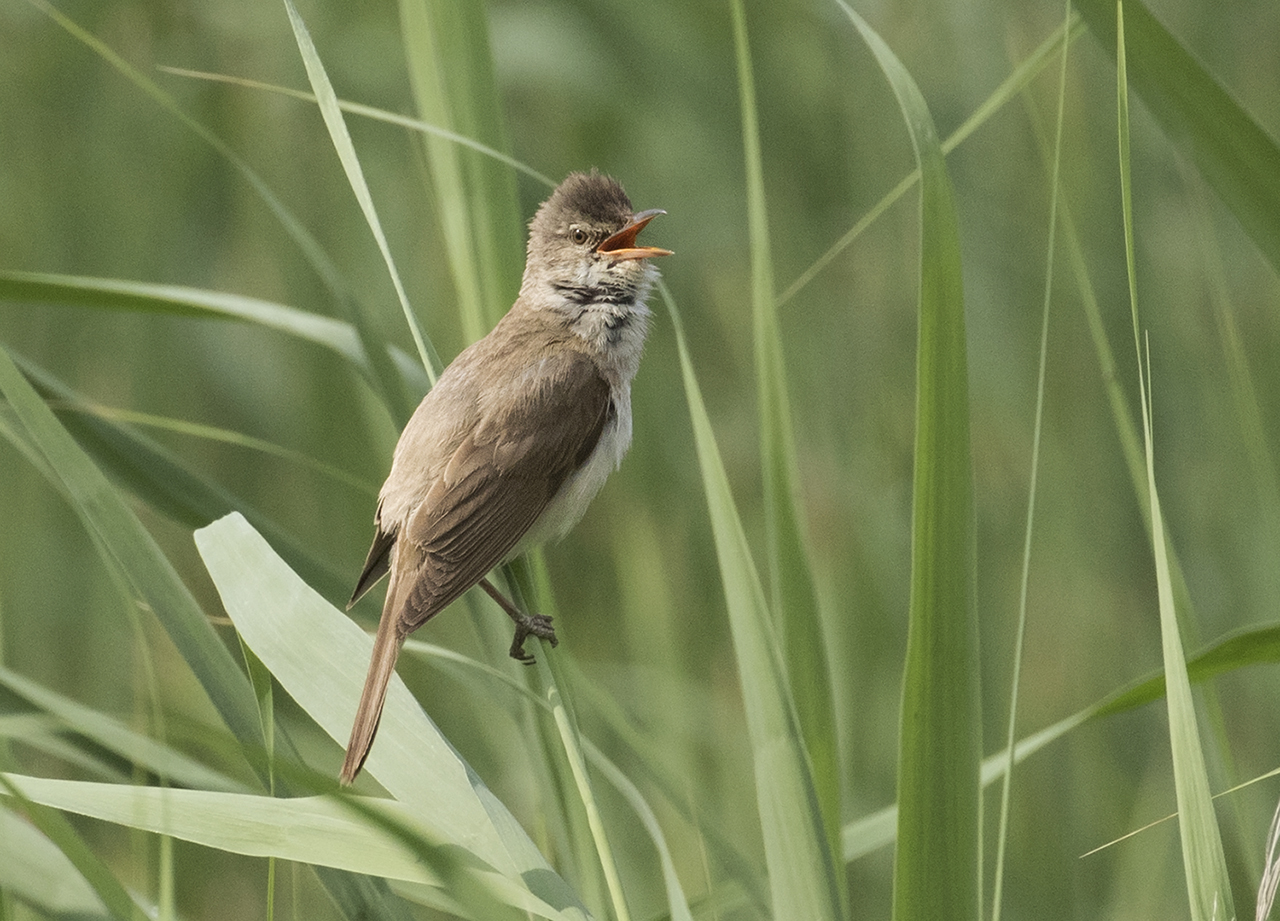
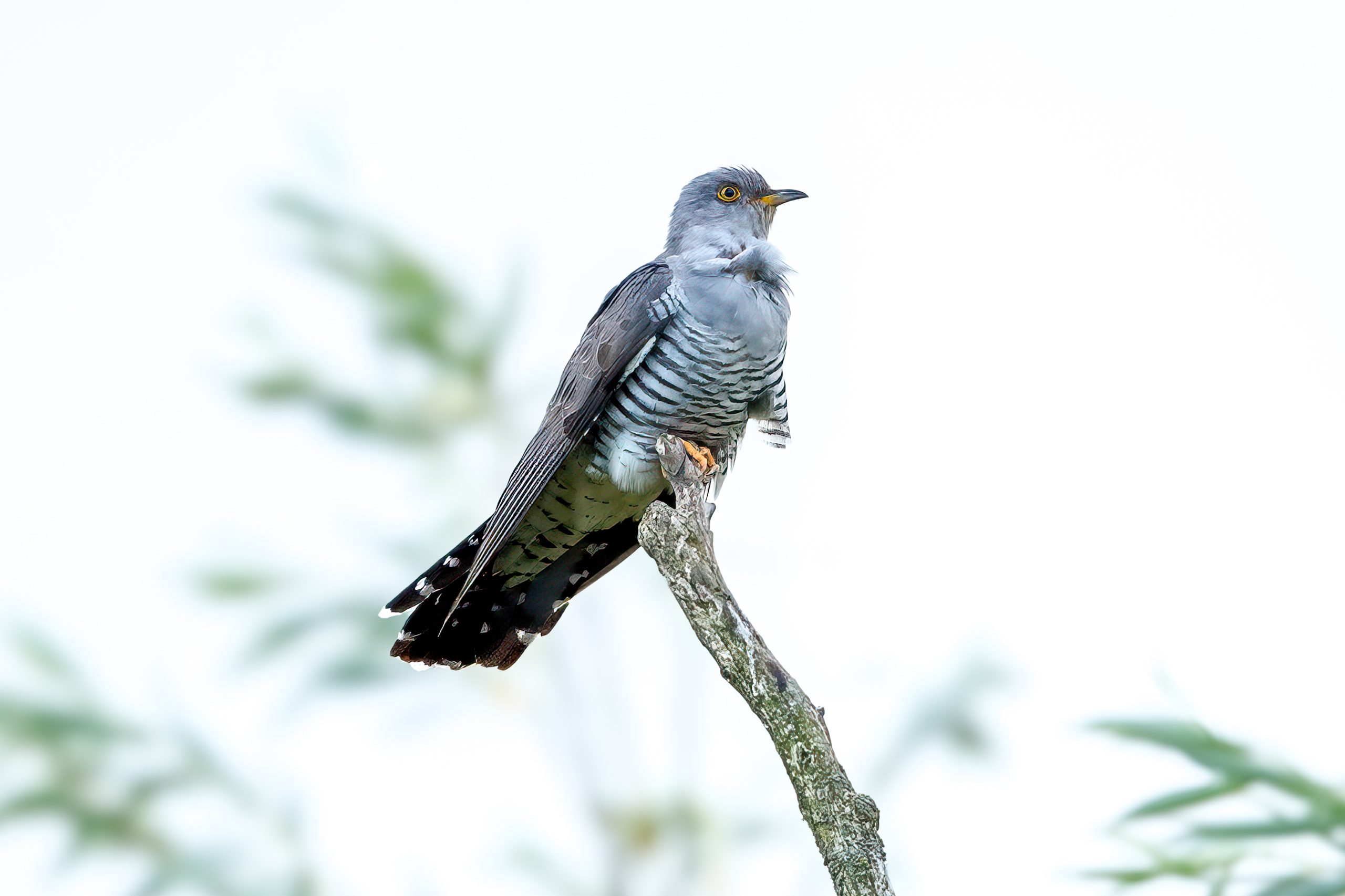
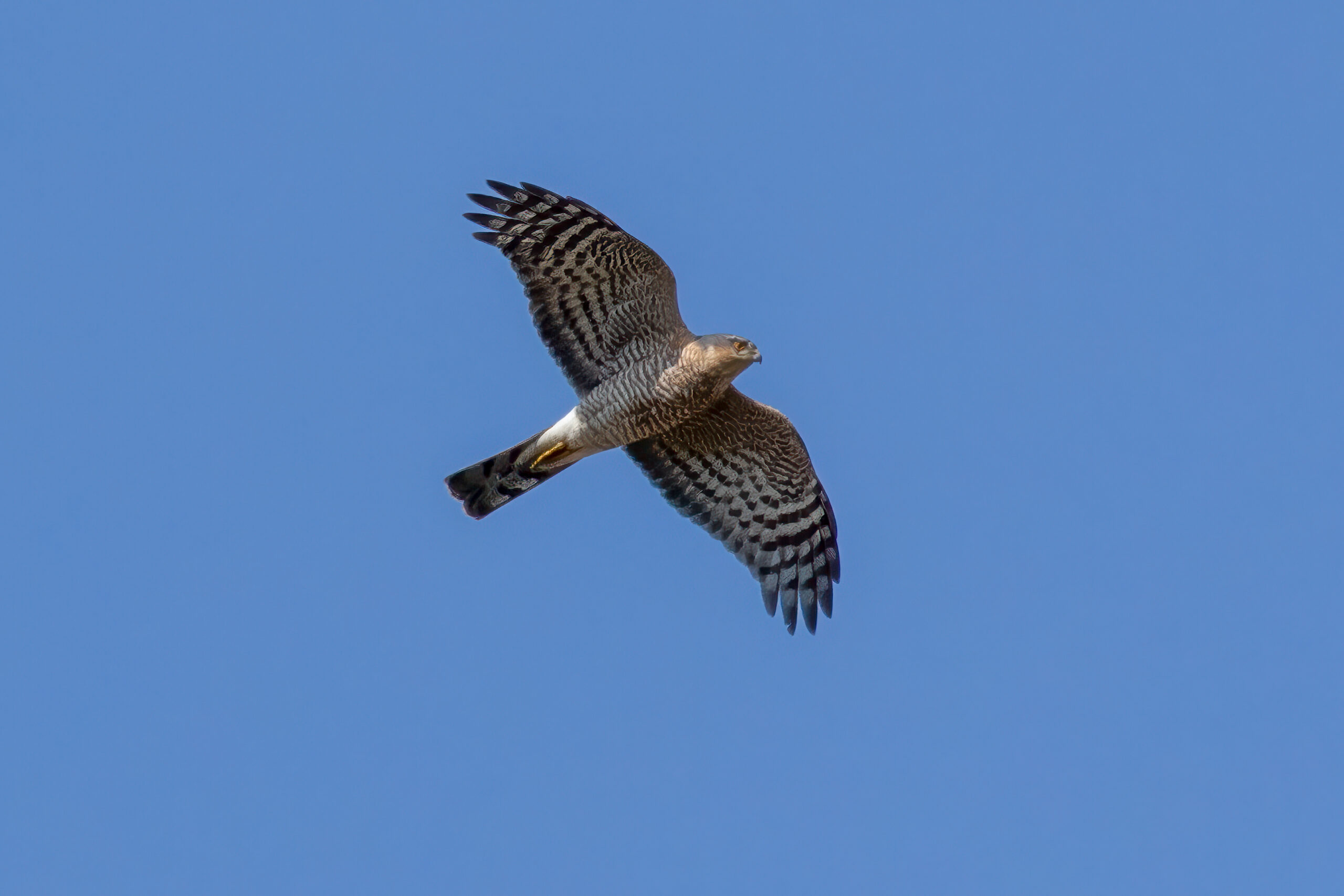
Incubating female great reed warblers (Acrocephalus arundinaceus) showed similarly high vigilance when they heard calls from a common cuckoo (Cuculus canorus), a Eurasian sparrowhawk (Accipiter nisus) or a harmless European turtle dove (Streptopelia turtur), according to a study published on 28 February 2026.
The researchers used playback experiments and observations of naturally occurring sounds in two great reed warbler populations in Czechia and Poland exposed to contrasting levels of cuckoo brood parasitism. This allowed them to test whether females adjusted their alertness to the type of sound or to the local likelihood of cuckoo parasitism.
Responses Did Not Differ Among the Three Playback Types
Vigilance was measured through behaviours such as turning the head, raising the head into an alert posture and leaving the nest. The researchers found no clear differences in these responses between playbacks of the bubbling call of a female cuckoo, the chattering call of a sparrowhawk and the advertising call of the turtle dove.
Responses also did not differ between the two study populations despite their contrasting brood-parasitism pressure. Observations of reactions to naturally occurring calls likewise found no clear difference between threatening and non-threatening species.
The Results Supported Generalised Acoustic Vigilance
The authors tested the parasite-assessment hypothesis, which predicts that hosts should adjust vigilance according to local cuckoo pressure. The similar responses in the two populations did not support that prediction.
Instead, the authors propose a generalised acoustic vigilance hypothesis: great reed warblers may maintain consistently high vigilance around the nest rather than repeatedly distinguishing among acoustic threats. They suggest that such a strategy could help females respond to several risks, including brood parasites, predators and other nest intruders.
Behaviour
Related news
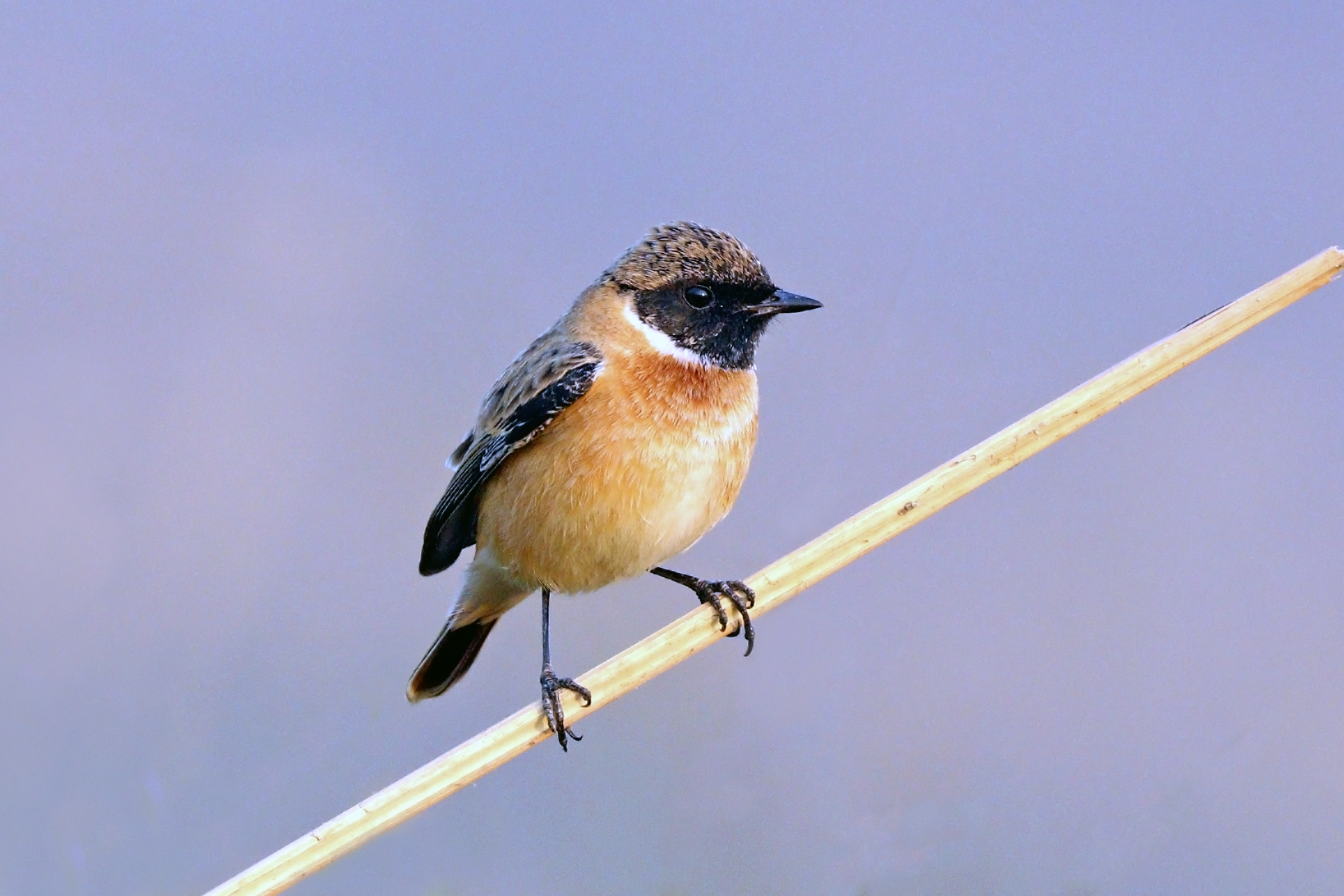
Egg Rejection Did Not Clearly Increase After Cuckoo Arrival in Two Host Species
Grey bushchats and Siberian stonechats showed no clear increase in foreign-egg rejection after common cuckoos arrived. The result…
Read story →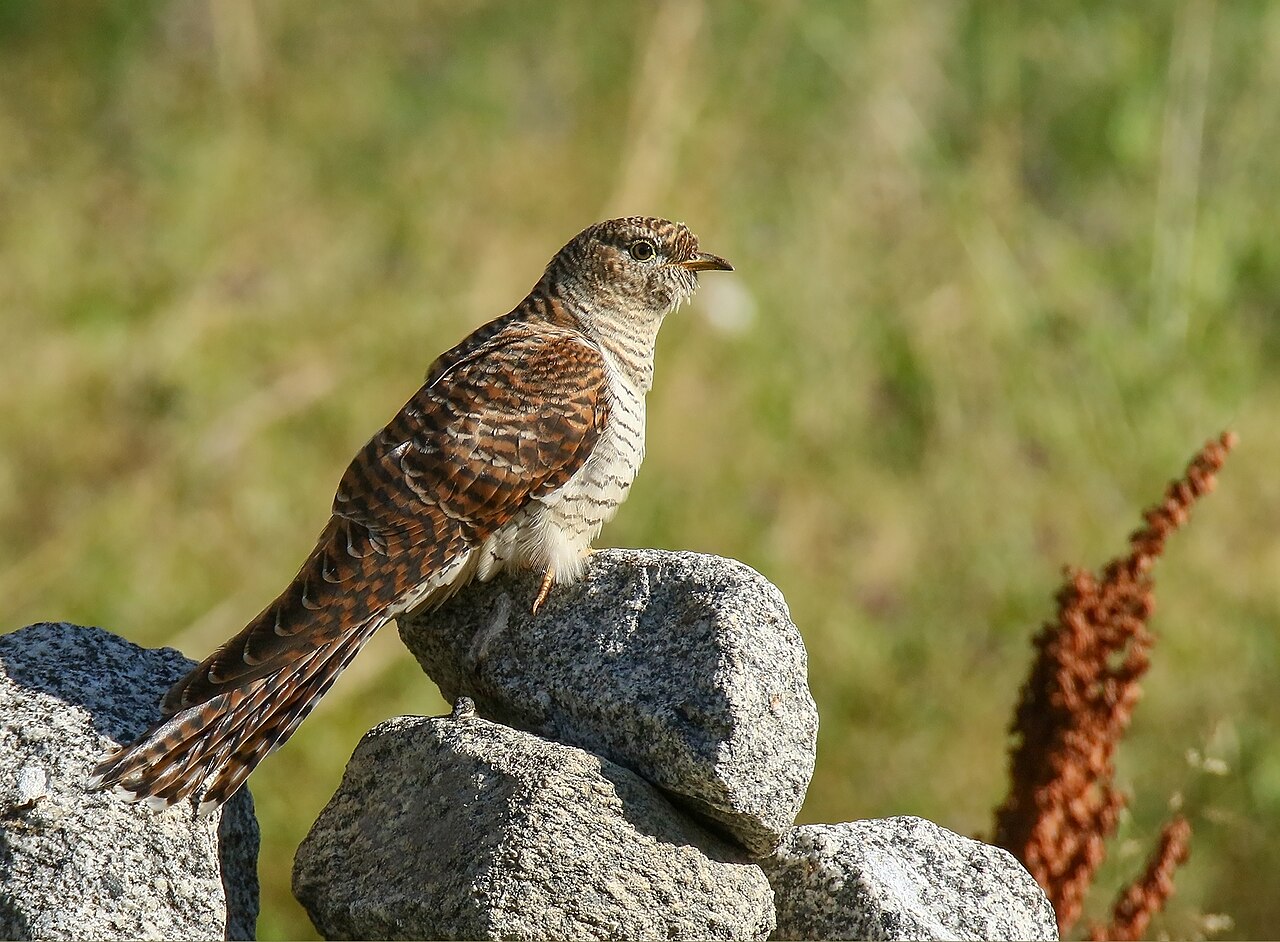
Cuckoos Use Two Different Strategies to Lay Eggs in Redstart Nests
Video from Finnish redstart nest boxes provides the first direct evidence that common cuckoos use two egg-laying strategies,…
Read story →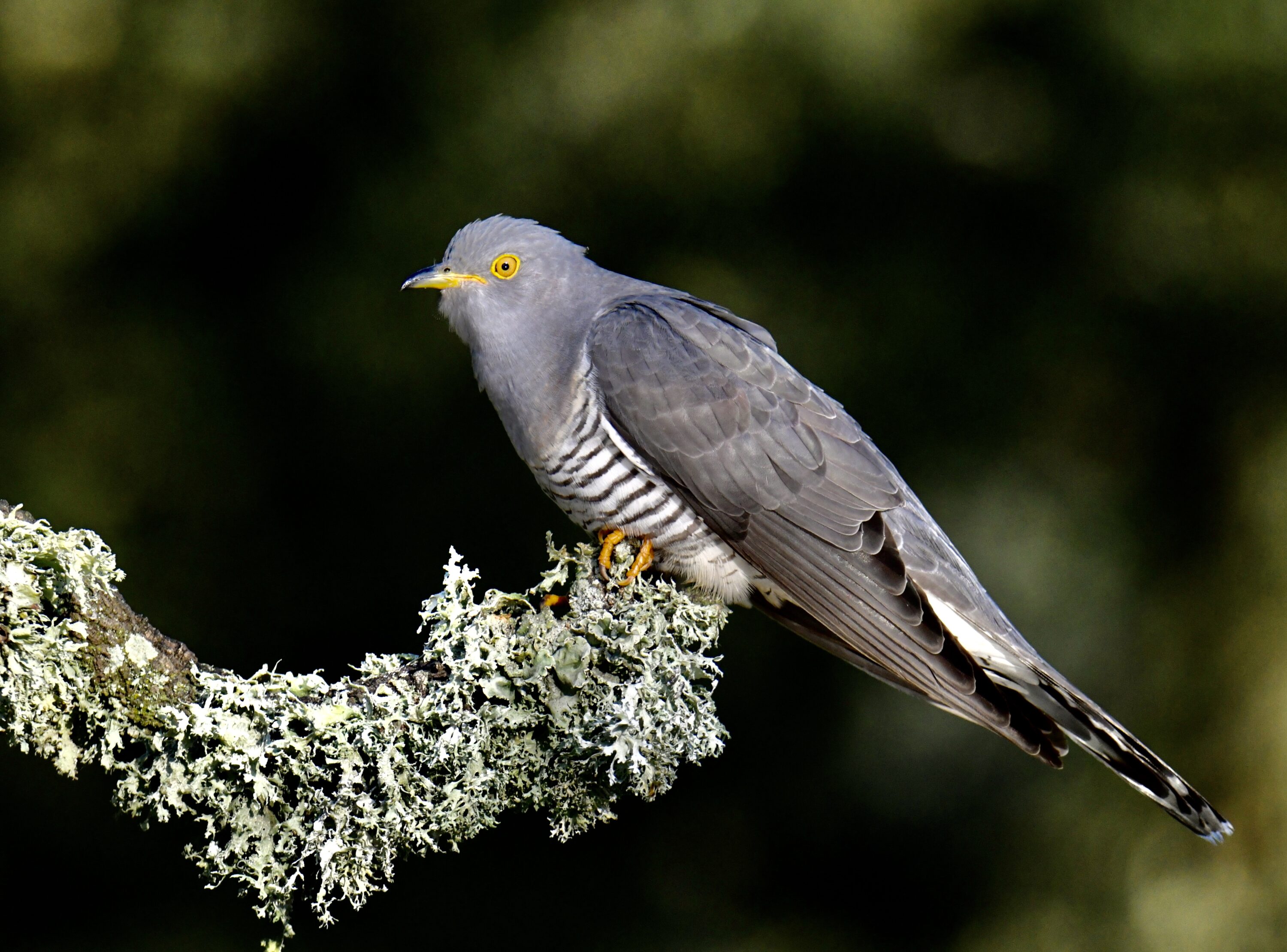
Models Highlighted Iberian Mountains and the Po Watershed as Key Stopover Regions for UK Common Cuckoos
Models based on satellite tracks from 88 UK-breeding male common cuckoos highlighted Iberian mountain ranges and the Po…
Read story →SPECIES IN THIS STORY
Species in this story
Independent research and conservation news archive
Did you find this information useful?
Wildlife Vagabond is independently built and maintained. Voluntary support helps cover source verification, hosting and continued work on research and conservation news.
Support Wildlife VagabondThe news archive will remain freely available.