
Great Tit Droppings Added PFAS Information but Could Not Replace Plasma or Feathers
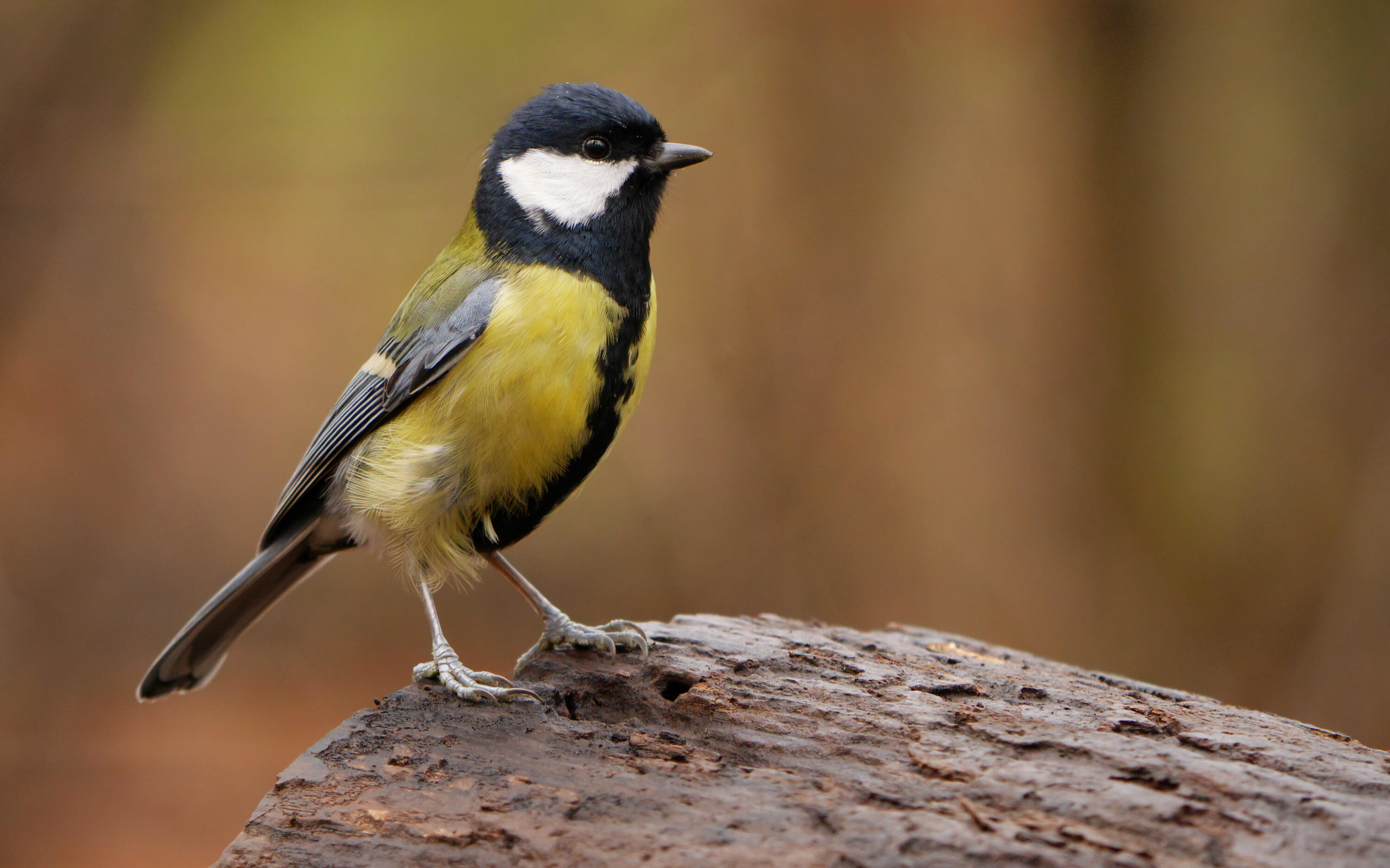
A study of great tits (Parus major) around Antwerp, Belgium, found that faeces can add useful information to PFAS monitoring but cannot replace blood plasma or feathers. The researchers compared 42 target PFAS in adults and nestlings from four sites: a fluorochemical manufacturing facility in Zwijndrecht, the neighbouring Blokkersdijk nature reserve, Vlietbos about 1–2 kilometres away, and Fort 7 in Antwerp.
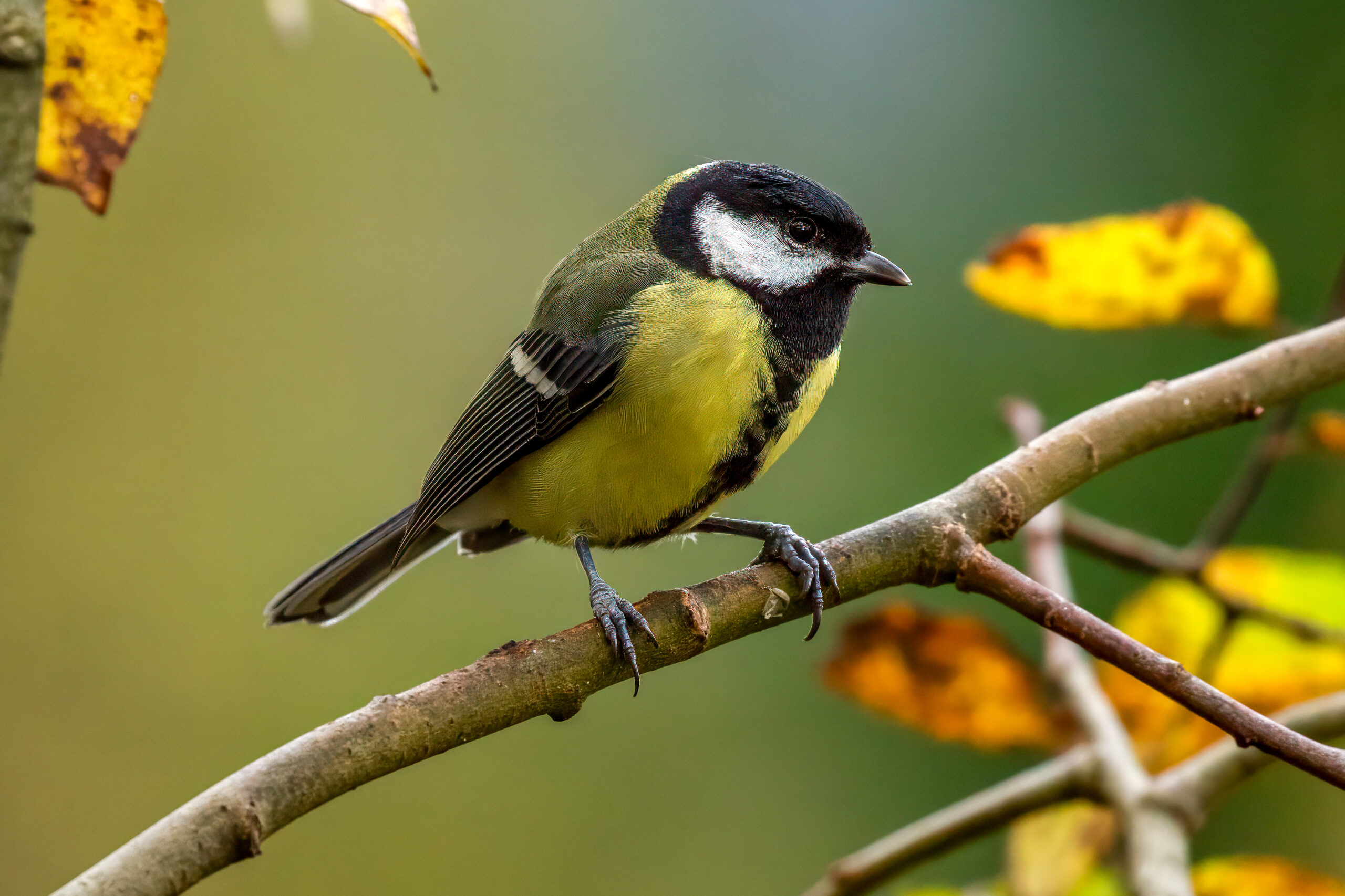
PFAS are persistent industrial and consumer chemicals that can accumulate in organisms. Great tits are useful terrestrial bioindicators because they are resident birds with relatively small home ranges, so their chemical exposure can reflect local environmental contamination. Faeces are especially attractive for monitoring because they can be collected without catching the bird.
The three sample types carried different PFAS profiles
The chemical profiles differed among plasma, feathers and faeces. At the factory site, Blokkersdijk and Vlietbos, long-chain perfluoroalkyl sulfonic acids dominated most profiles, with PFOS the most prominent compound in both adults and nestlings. Fort 7 showed a more mixed pattern among the three sample types. Some compounds were strongly tied to one matrix; diPAP compounds, for example, were detected only in feathers.
These differences matter because the three materials do not record exposure in the same way. PFAS can enter, bind to or leave plasma, feathers and faeces through different processes and over different time periods. A concentration measured in one matrix therefore cannot automatically be treated as equivalent to a concentration in another.
Droppings complemented rather than replaced other samples
The researchers found only a few associations between PFAS concentrations in the different matrices from the same birds. Faecal concentrations therefore could not reliably predict what would be measured in plasma or feathers. At the same time, droppings revealed compounds and compositional information that made them useful as an additional, completely non-invasive monitoring material.
The study was designed to compare monitoring samples, not to test health effects. It did not measure disease, reproduction or survival, so detecting PFAS in these birds does not by itself show what biological effects the chemicals caused. The main result is methodological: faeces can broaden PFAS monitoring in terrestrial birds, but researchers need to know which biological matrix they are measuring and should not treat the three sample types as interchangeable.
Other research
Related news
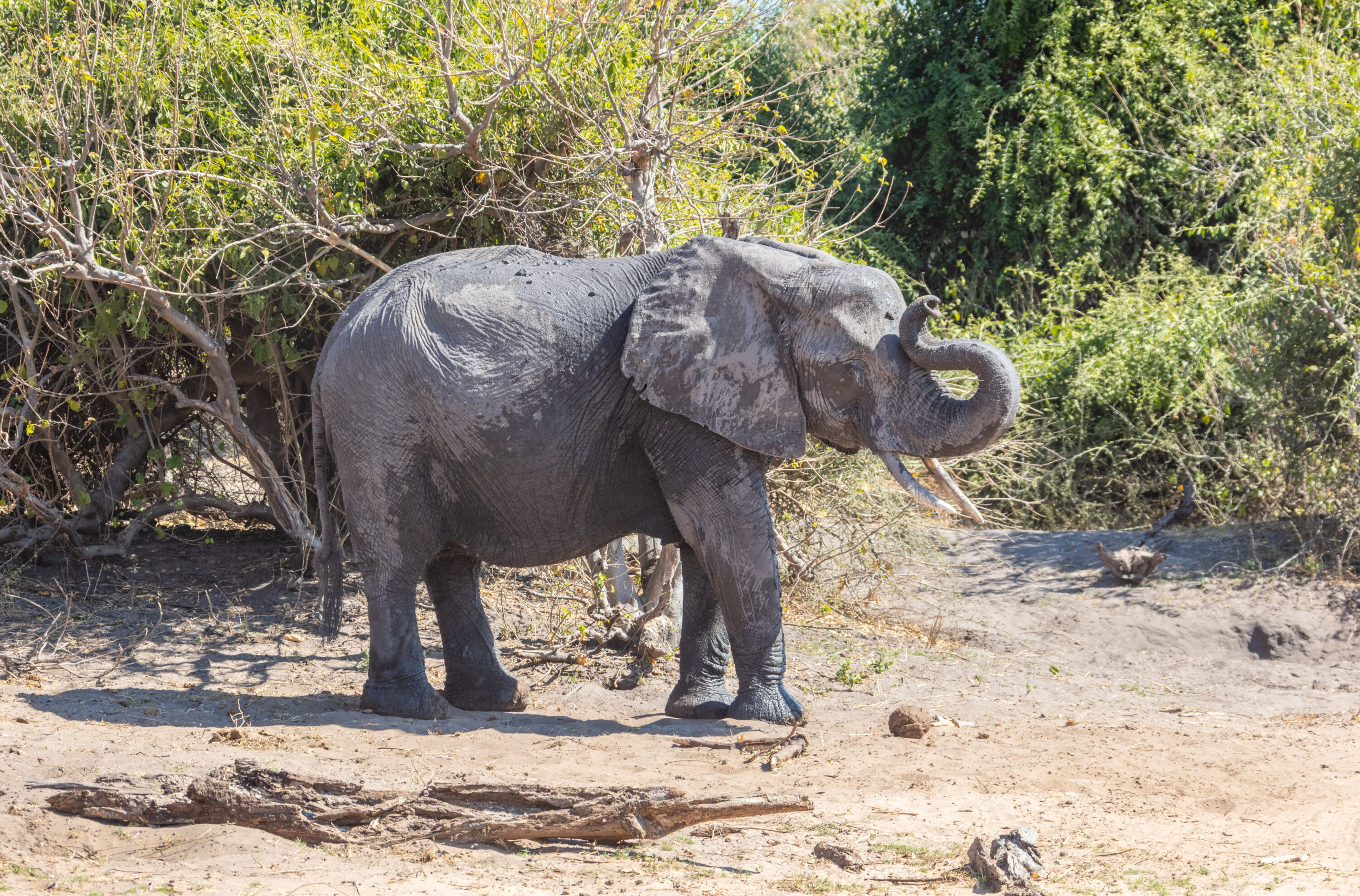
Satellite Count Recorded 15.7% Fewer Elephants Than Aircraft in Botswana
A synchronous Botswana survey counted 816 elephants from aircraft but only 688 visible in 30 cm satellite imagery.…
Read story →
Lesser Black-backed Gulls Made Up 73% of Paresis Cases in Lisbon
A ten-year review of gull admissions from Lisbon and Setúbal found that lesser black-backed gulls dominated paresis cases,…
Read story →
Video Collars Showed GPS Methods Were Only About 70% Accurate at Detecting Caribou Calving
Video collars from 160 adult females in the Porcupine and Western Arctic herds showed that two GPS movement…
Read story →SPECIES IN THIS STORY
Species in this story
Independent research and conservation news archive
Did you find this information useful?
Wildlife Vagabond is independently built and maintained. Voluntary support helps cover source verification, hosting and continued work on research and conservation news.
Support Wildlife VagabondThe news archive will remain freely available.