
House Sparrow Breeding Success Was Similar at Different Distances From Mobile Towers
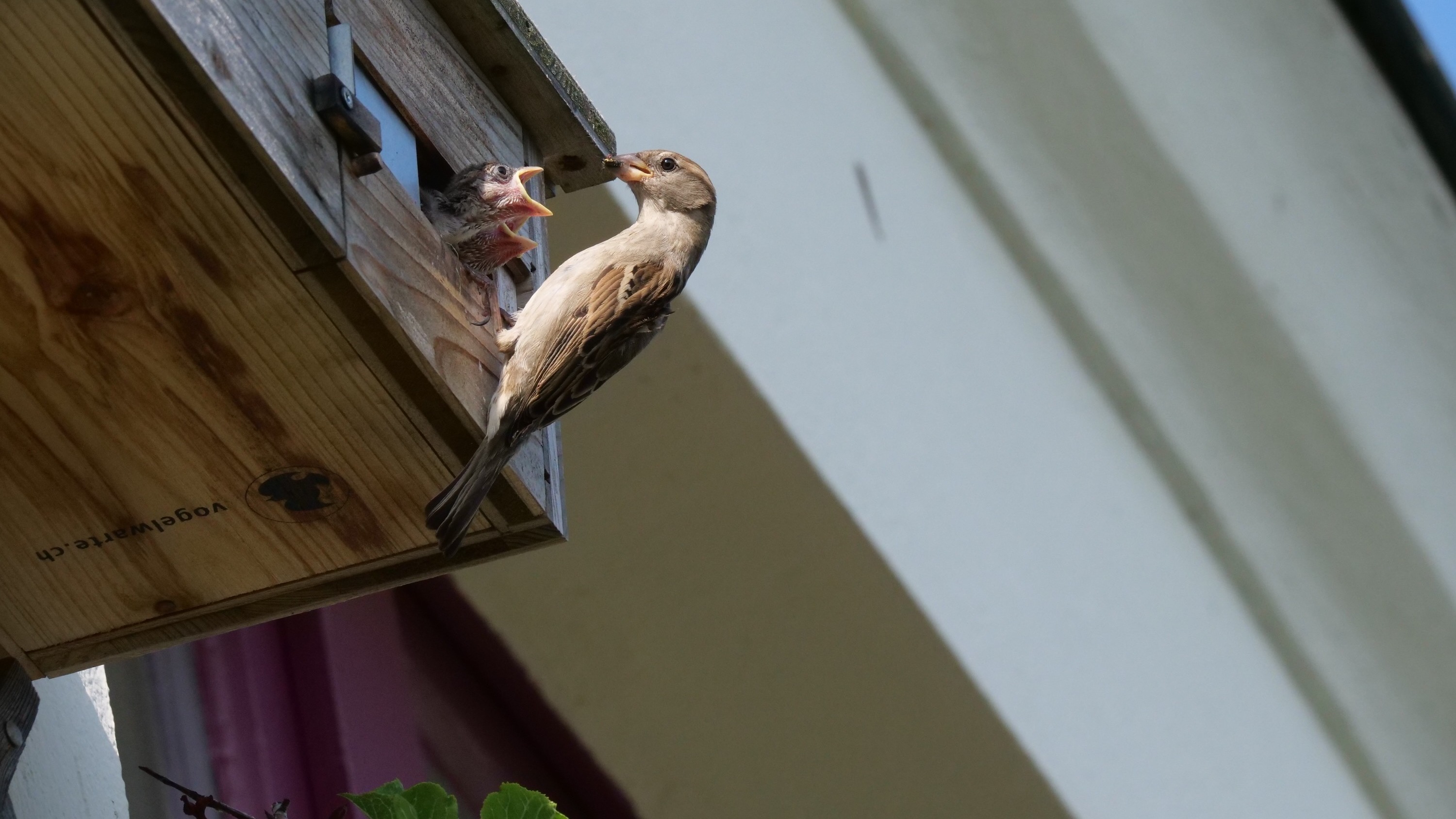
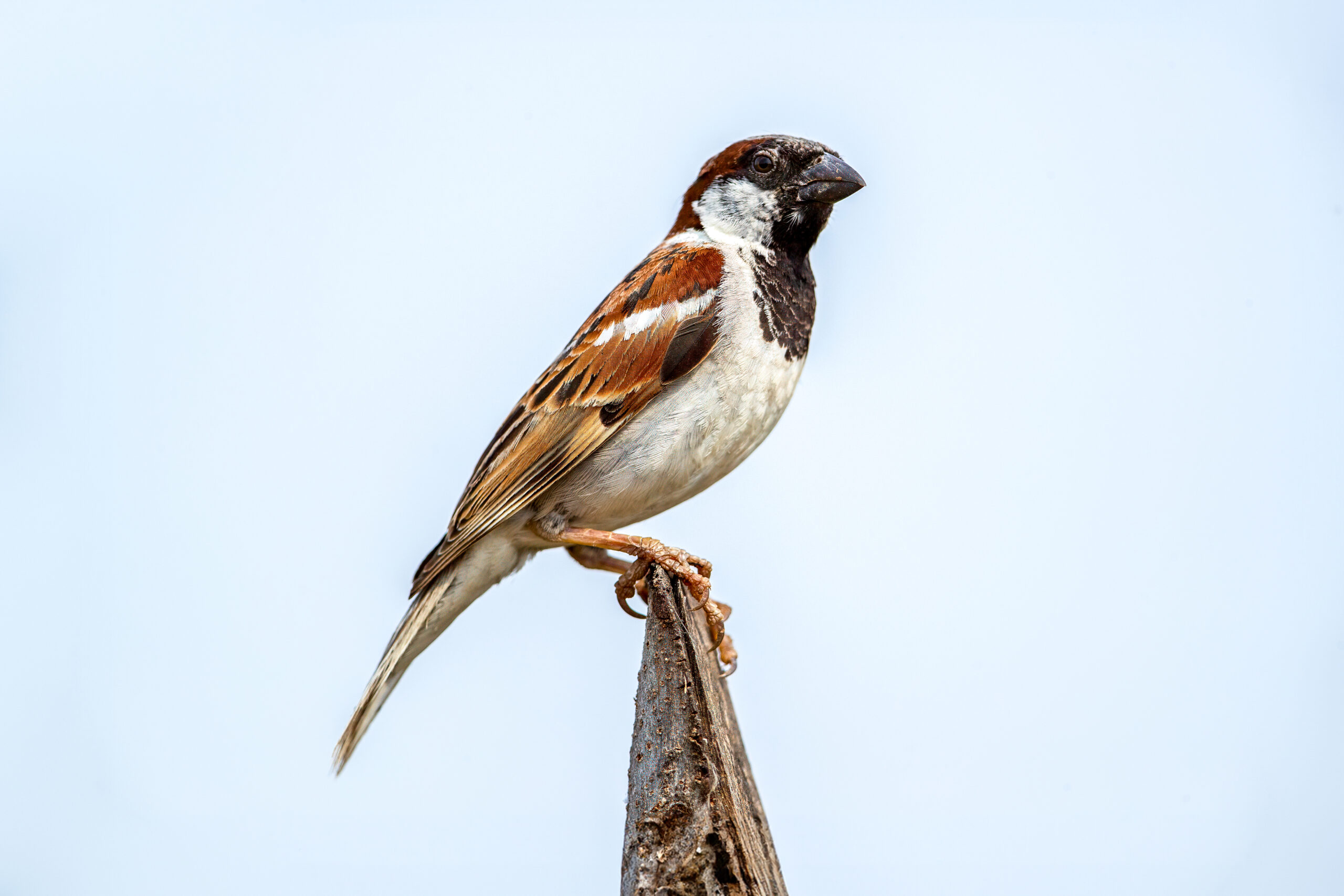
A nine-year field study in southern India found similar breeding success among house sparrow (Passer domesticus) nest boxes placed at different distances from mobile-phone towers. The researchers found no clear difference between boxes within 200 metres of the towers, those 200–500 metres away and those beyond 500 metres.
The work took place from 2014 to 2022 in Jangareddigudem, a semi-urban town in Andhra Pradesh. The researchers compared nest boxes in three zones around two mobile-phone towers: within 200 metres, 200–500 metres away and more than 500 metres away. For the breeding comparison, they randomly selected 30 boxes in each zone.
From 2017, the team also measured electromagnetic field strength at different distances. Average readings declined from about 12 volts per metre at 100 metres to 6.5 volts per metre at 200 metres and 2 volts per metre at 500 metres, confirming a clear exposure gradient with distance.
Breeding success did not differ among the three distance zones
Breeding success was calculated as the number of young that fledged divided by the number of eggs laid in a nesting attempt. The reported mean values were about 72.5 per cent within 200 metres, 73.1 per cent at 200–500 metres and 71.1 per cent beyond 500 metres. Breeding success was very similar among the three zones.
Other observations followed the same general pattern. Sparrows typically occupied newly available boxes within 30–45 days, and breeding activity occurred an average of three times per year across all three zones. The authors also report that the town-wide count rose from 53 to 2,032 individuals while the supply of nest boxes increased.
The study compared birds living around existing towers
The paper describes the work as an observational field study: the researchers followed birds around existing towers rather than assigning them to experimental exposure levels. Under the conditions measured in Jangareddigudem, they found no clear difference in breeding success or nest-box occupancy among the three distance zones.
Reproduction & development
Related news
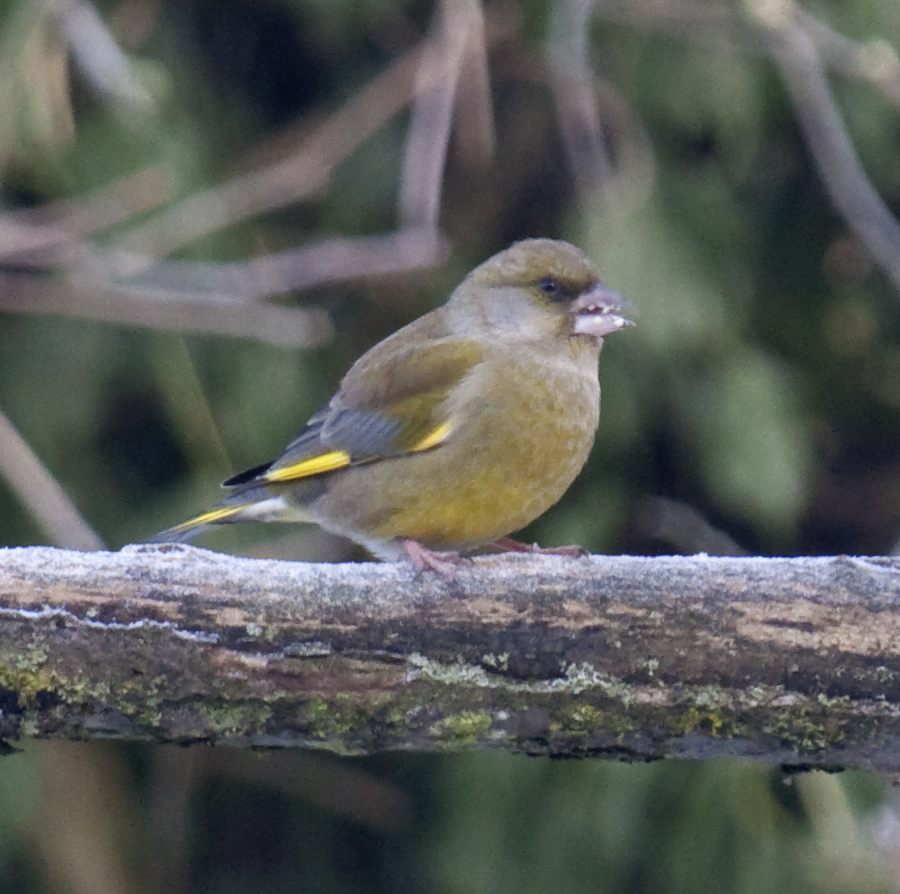
Type A Trichomonas Was More Than Twice as Prevalent in British Birds at Supplementary-fed Sites
Type A of the bird parasite Trichomonas gallinae was more than twice as prevalent in British birds at…
Read story →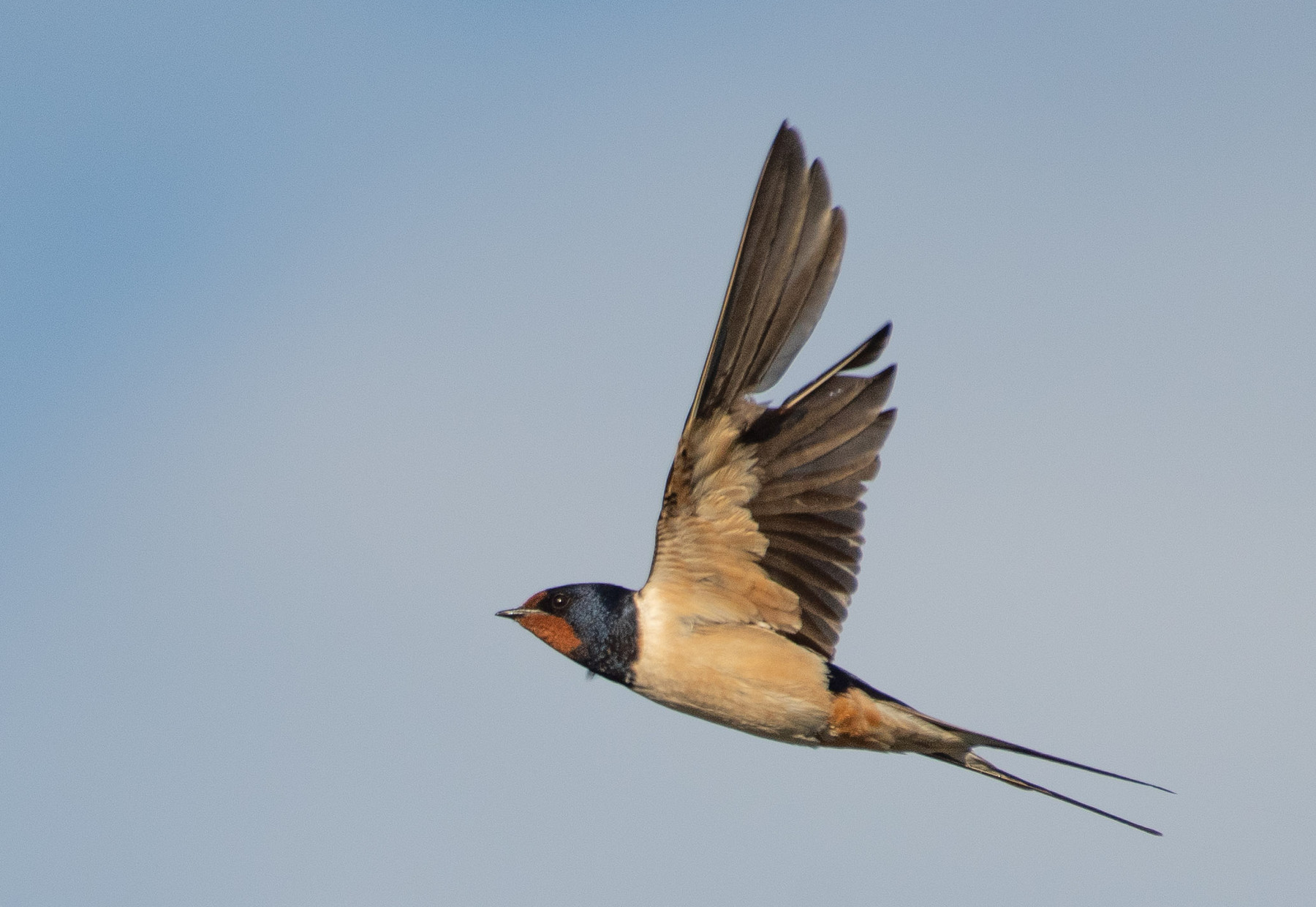
Usutu Virus RNA Was Found Nearly Three Times as Often as West Nile Virus RNA in Southern France
Among 2,533 wild birds from 69 species in southern France, Usutu virus RNA was detected in 12.0% and…
Read story →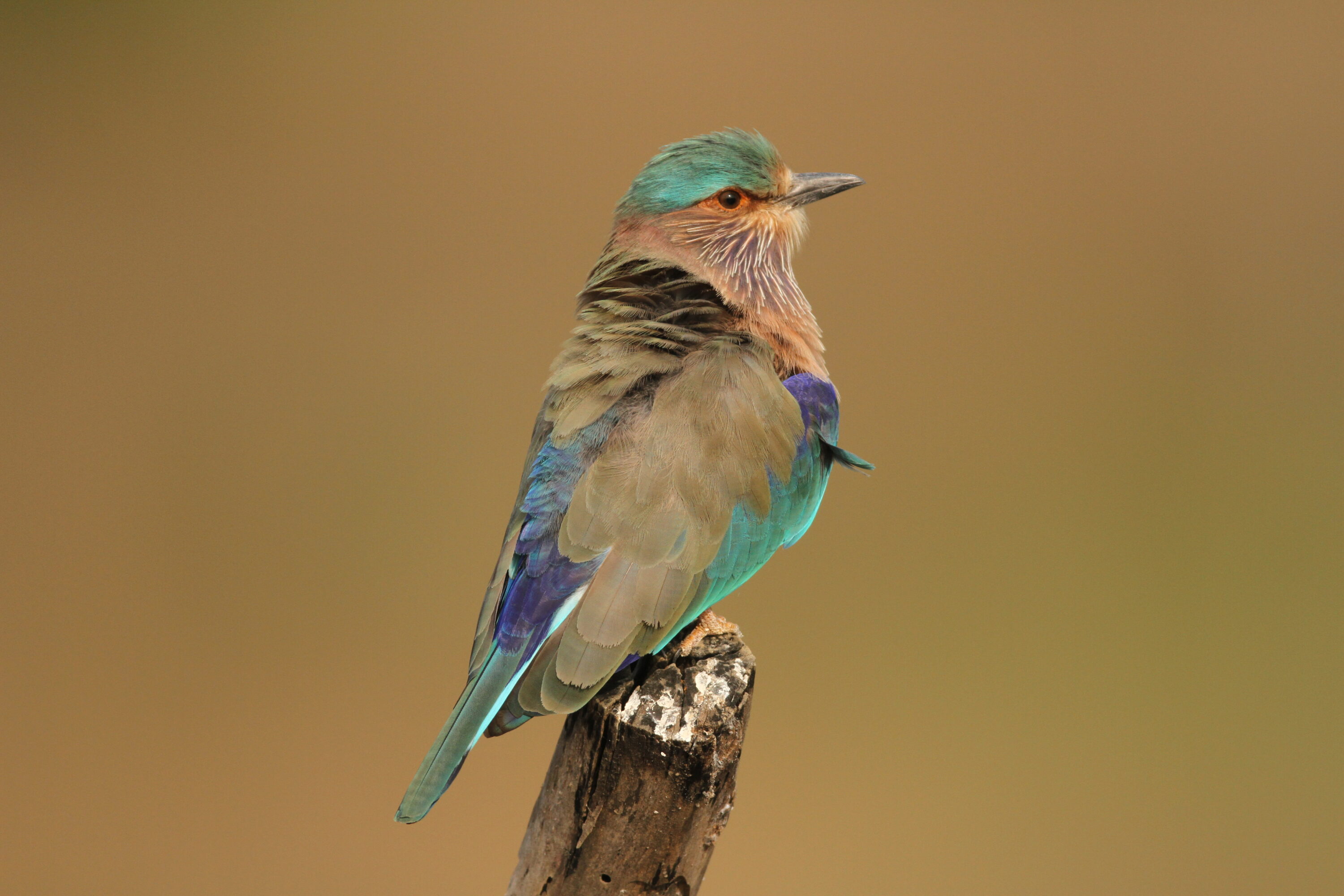
Six Cavity-Nesting Bird Species Bred Successfully in Artificial Nests in Punjab
Punjab Agricultural University reported successful breeding in artificial nests by six cavity-nesting species, including Indian roller, spotted owlet…
Read story →SPECIES IN THIS STORY
Species in this story
Independent research and conservation news archive
Did you find this information useful?
Wildlife Vagabond is independently built and maintained. Voluntary support helps cover source verification, hosting and continued work on research and conservation news.
Support Wildlife VagabondThe news archive will remain freely available.