
Type A Trichomonas Was More Than Twice as Prevalent in British Birds at Supplementary-fed Sites
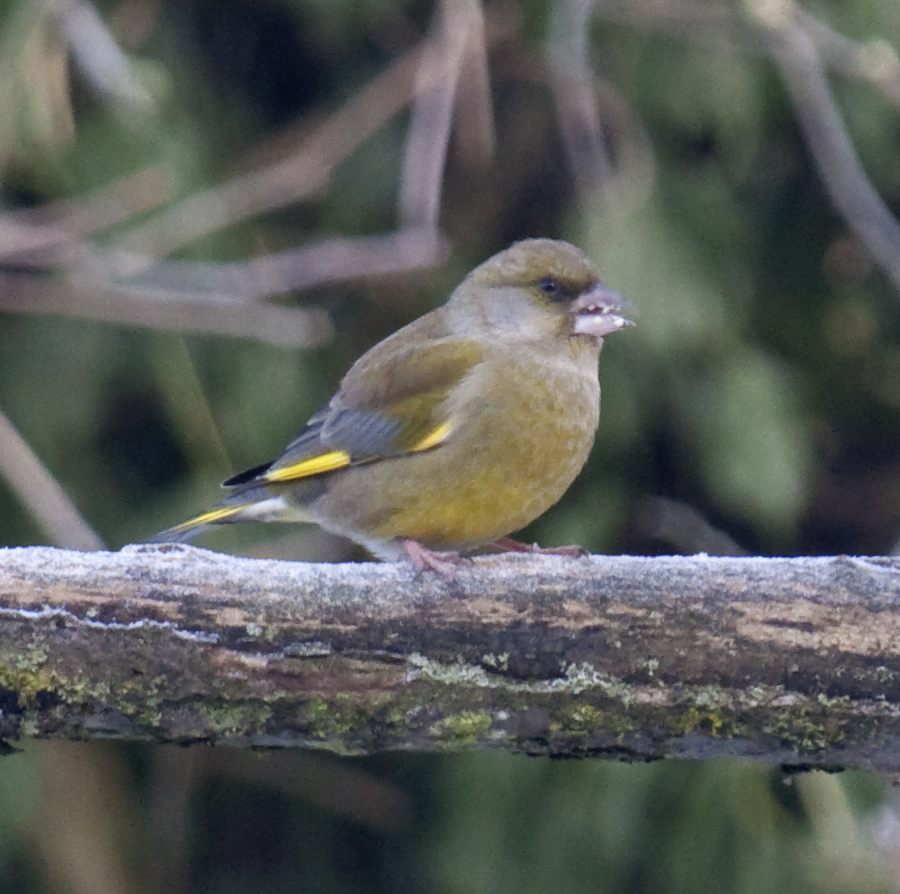
The single-celled parasite Trichomonas gallinae causes trichomonosis in birds. It is widespread in columbids, while the Type A strain is associated with the finch trichomonosis epidemic in Europe. In this study, Type A was more than twice as prevalent in British birds at sites with supplementary feeding as at unfed sites. The analyses covered 363 wild birds: columbid samples from the United Kingdom, France, Burkina Faso and Senegal, and non-columbids from the United Kingdom. Researchers also sampled 51 shared food and water resources at 12 UK sites.
T. gallinae was detected in 79% of the columbids in the combined dataset, 36% of non-columbids and 39% of the shared environmental resources. Strain composition in columbids, passerines and shared resources also changed in parallel between years, which the authors interpret as strong evidence that shared resources help transmit the parasite between bird families.
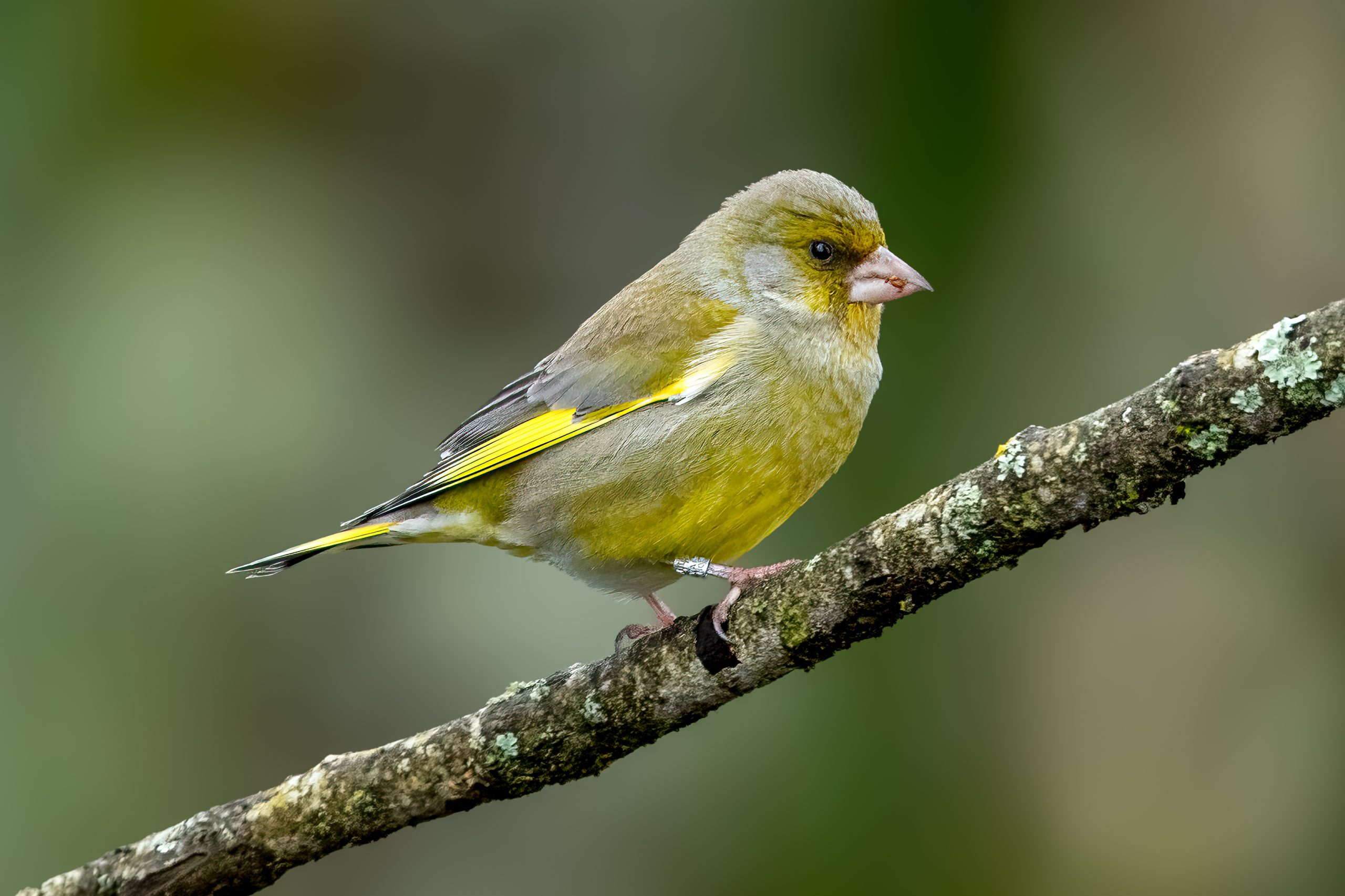
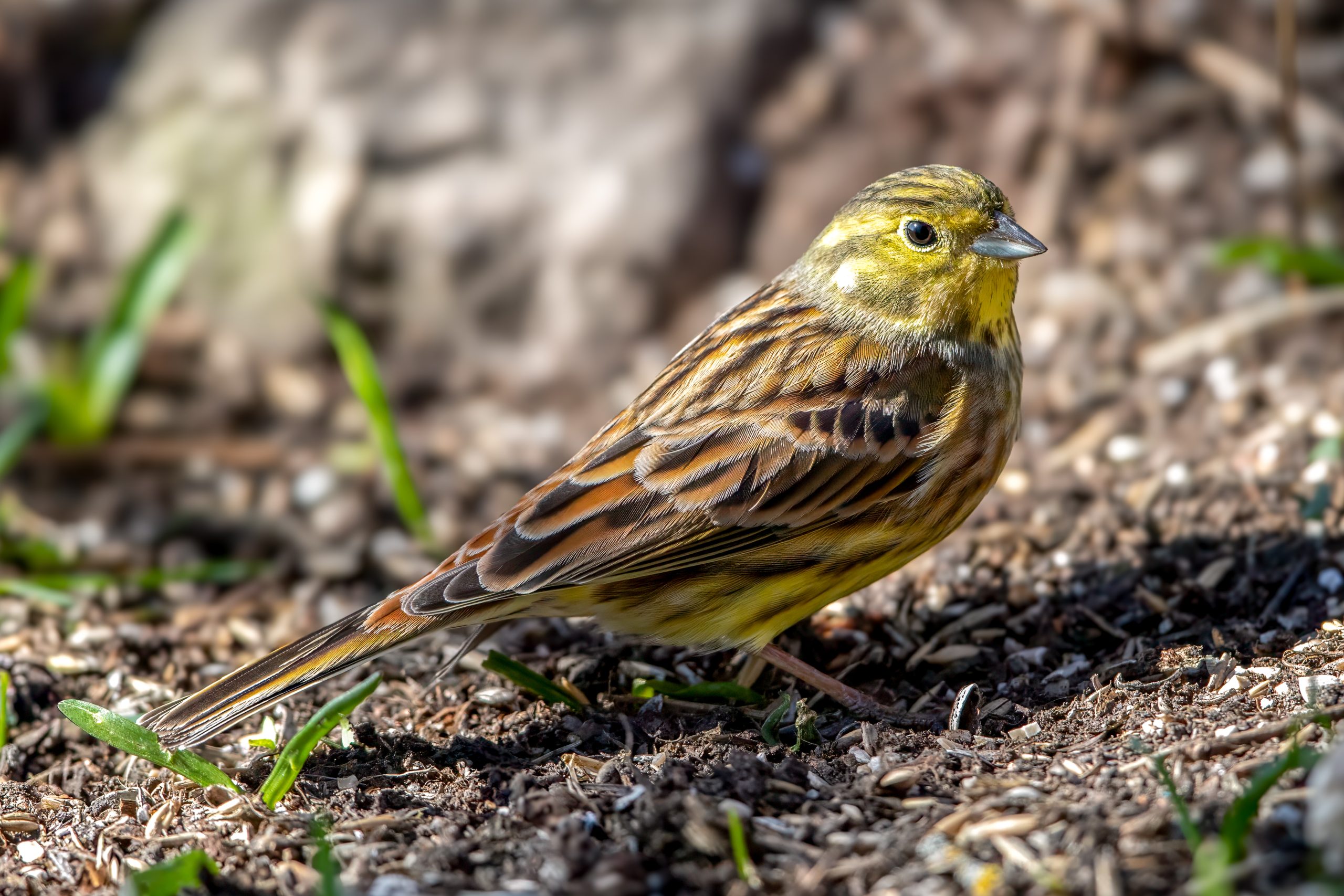
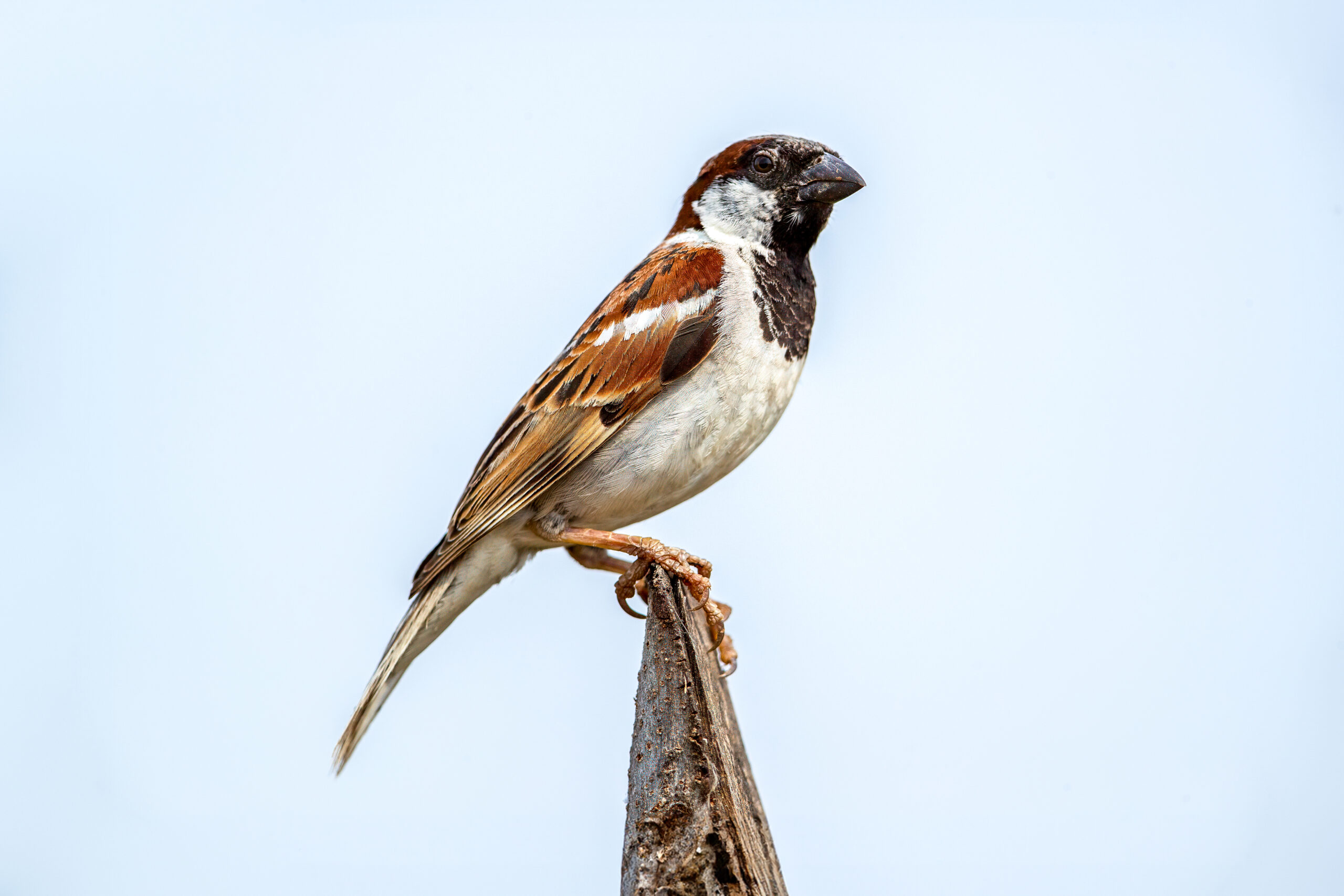
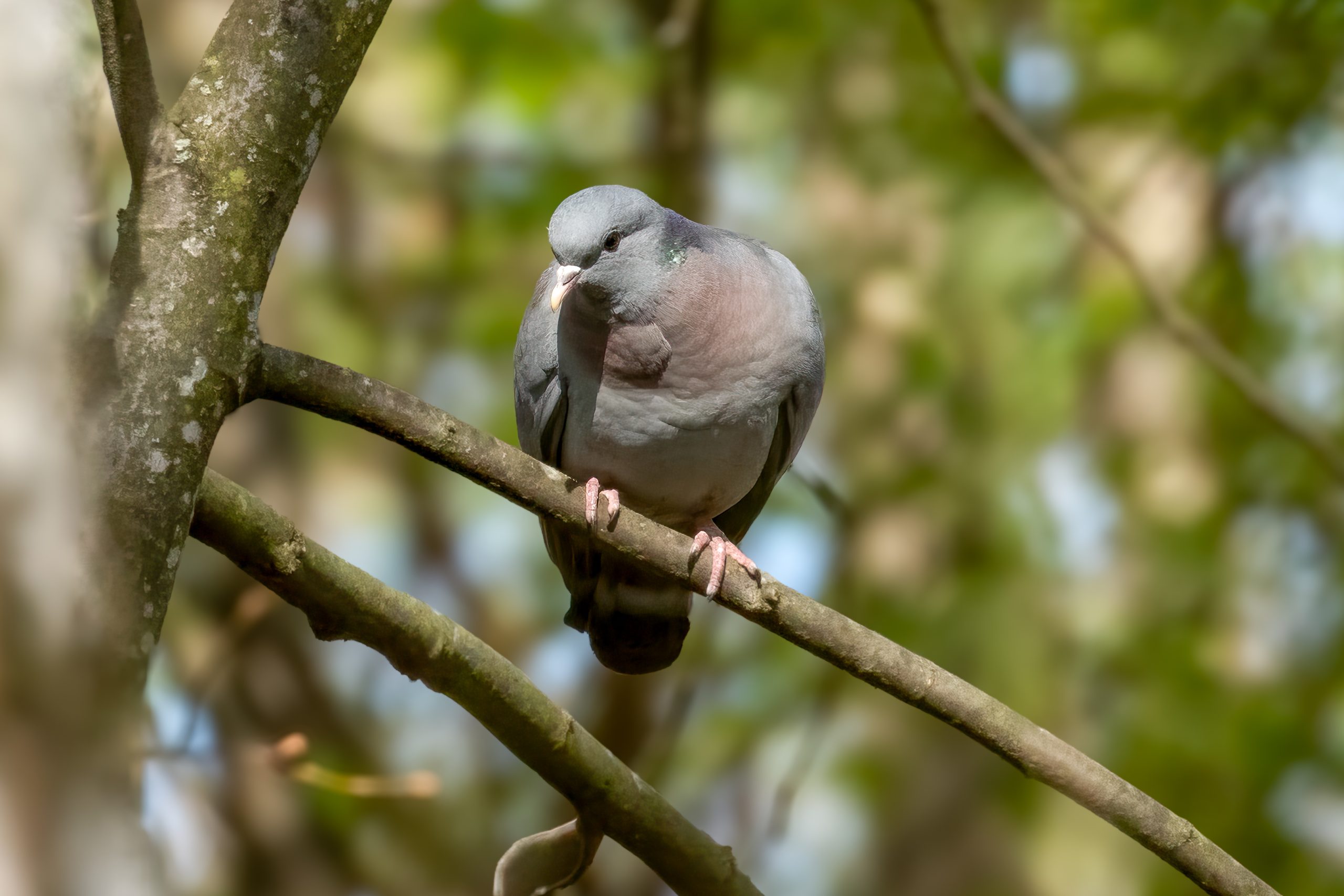
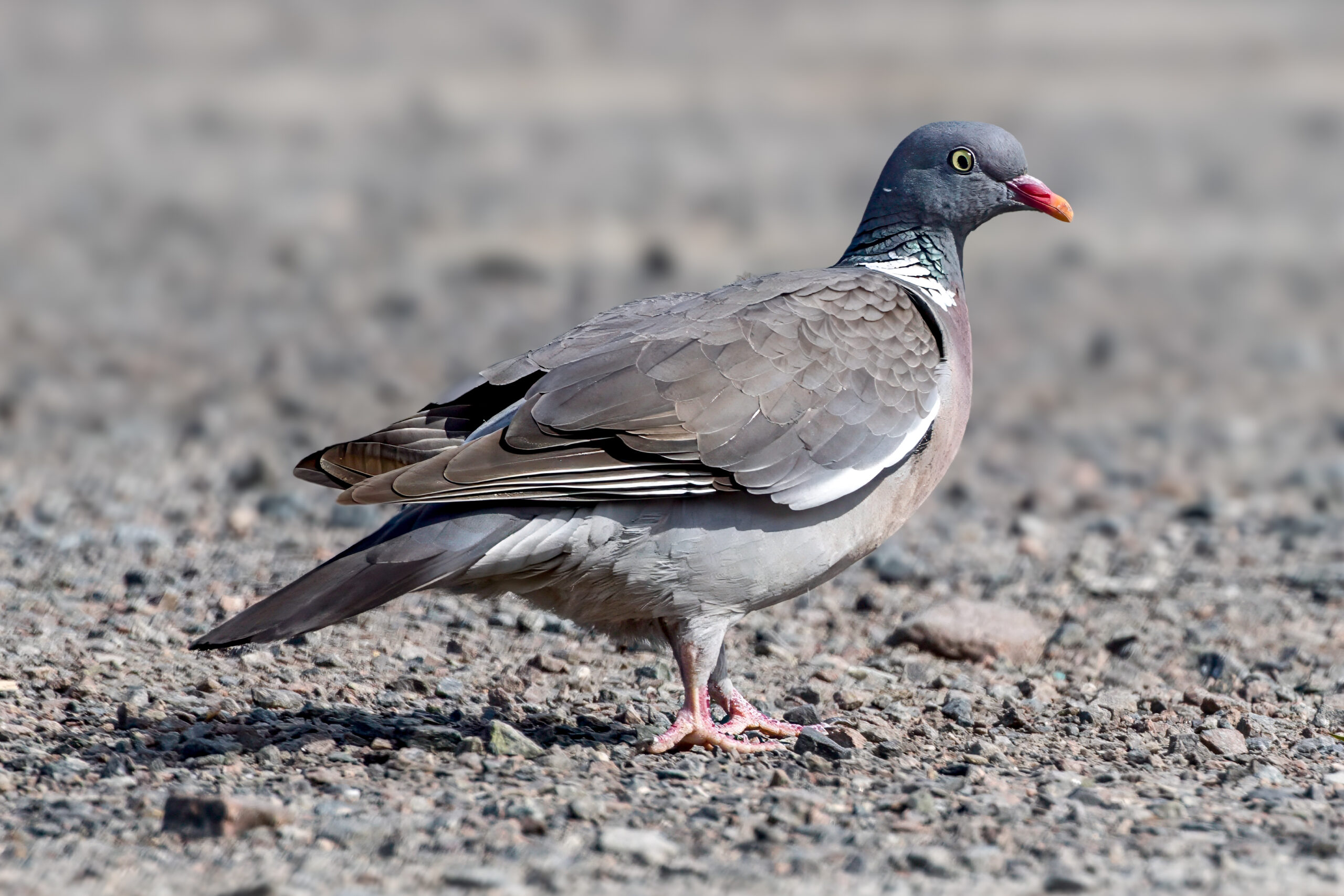
Subtype A1 was confirmed in European greenfinches (Chloris chloris), yellowhammers (Emberiza citrinella) and house sparrows (Passer domesticus), and the same subtype was found in stock doves (Columba oenas) and common wood-pigeons (Columba palumbus). This cross-family pattern supports the role of columbids as reservoir hosts — hosts that can maintain the parasite and act as sources of infection — with spillover into passerines through shared resources.
In the environmental samples, T. gallinae was detected nearly three times as often in high-density food resources such as feeders and seed piles as in lower-density resources such as sown plots and naturally regenerating vegetation. The authors therefore suggest that, where supplementary food is provided, spreading it over a larger area could reduce opportunities for transmission. They emphasise that the practical effectiveness of such measures still needs to be tested.
Disease, parasites & microbiology
Related news
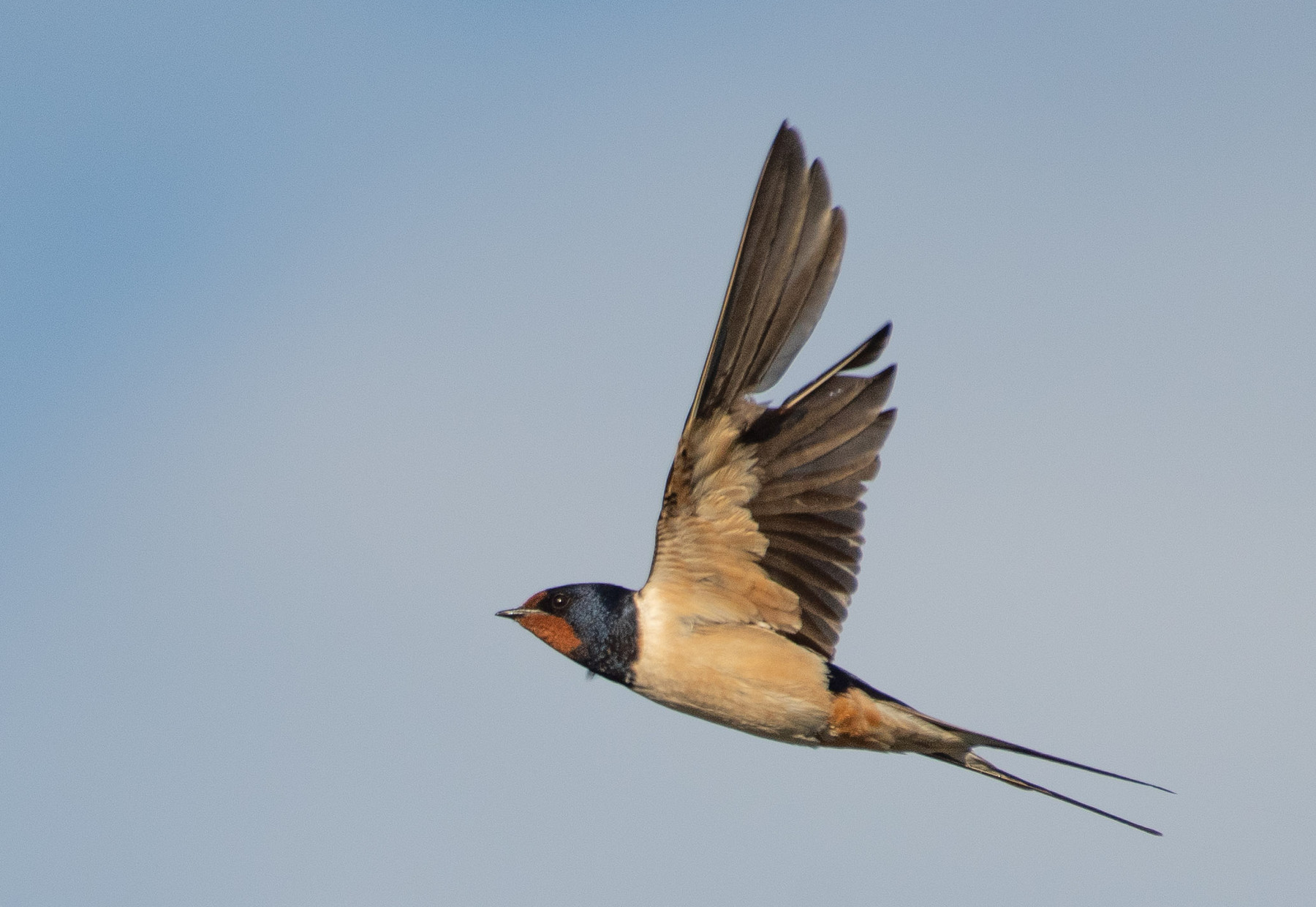
Usutu Virus RNA Was Found Nearly Three Times as Often as West Nile Virus RNA in Southern France
Among 2,533 wild birds from 69 species in southern France, Usutu virus RNA was detected in 12.0% and…
Read story →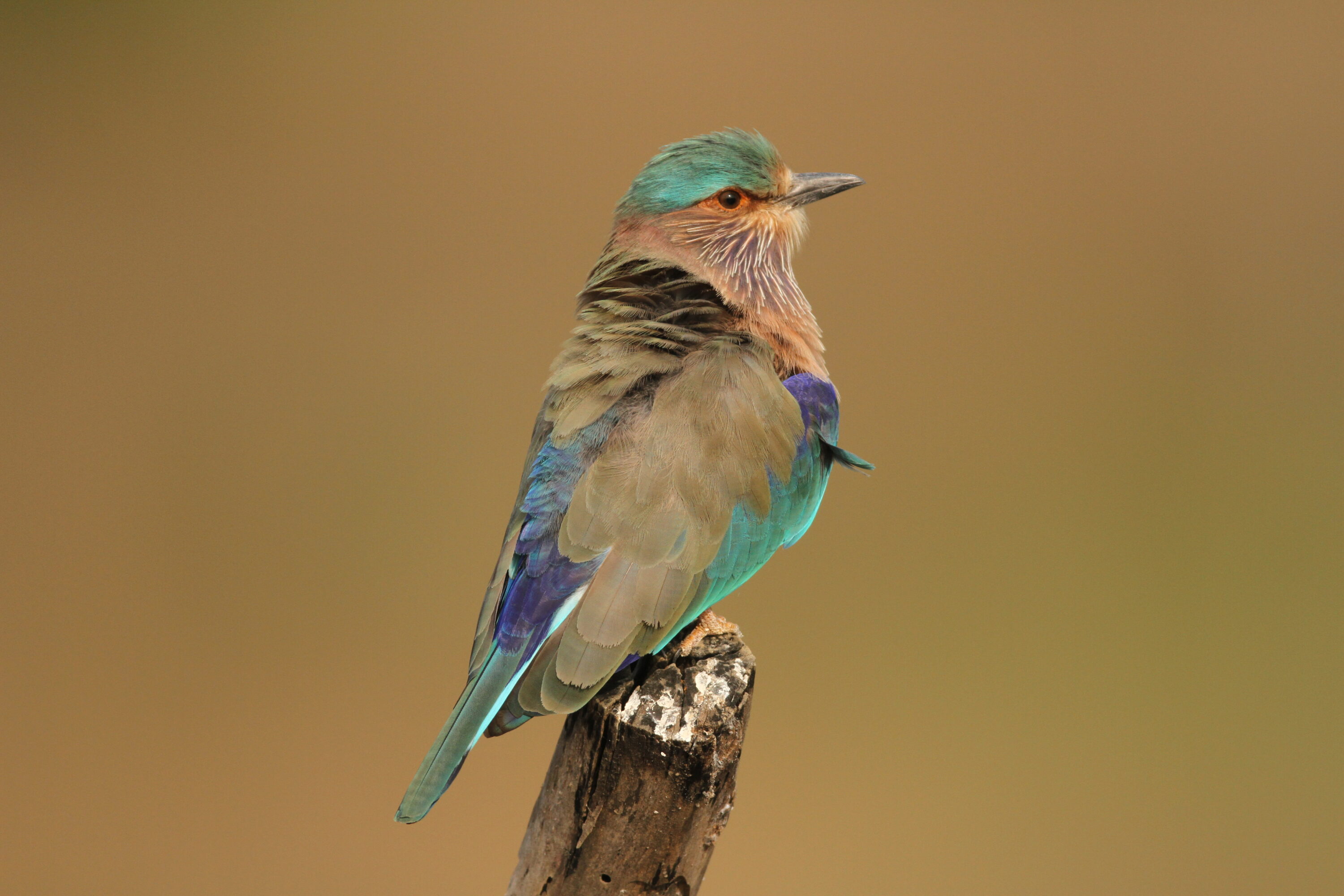
Six Cavity-Nesting Bird Species Bred Successfully in Artificial Nests in Punjab
Punjab Agricultural University reported successful breeding in artificial nests by six cavity-nesting species, including Indian roller, spotted owlet…
Read story →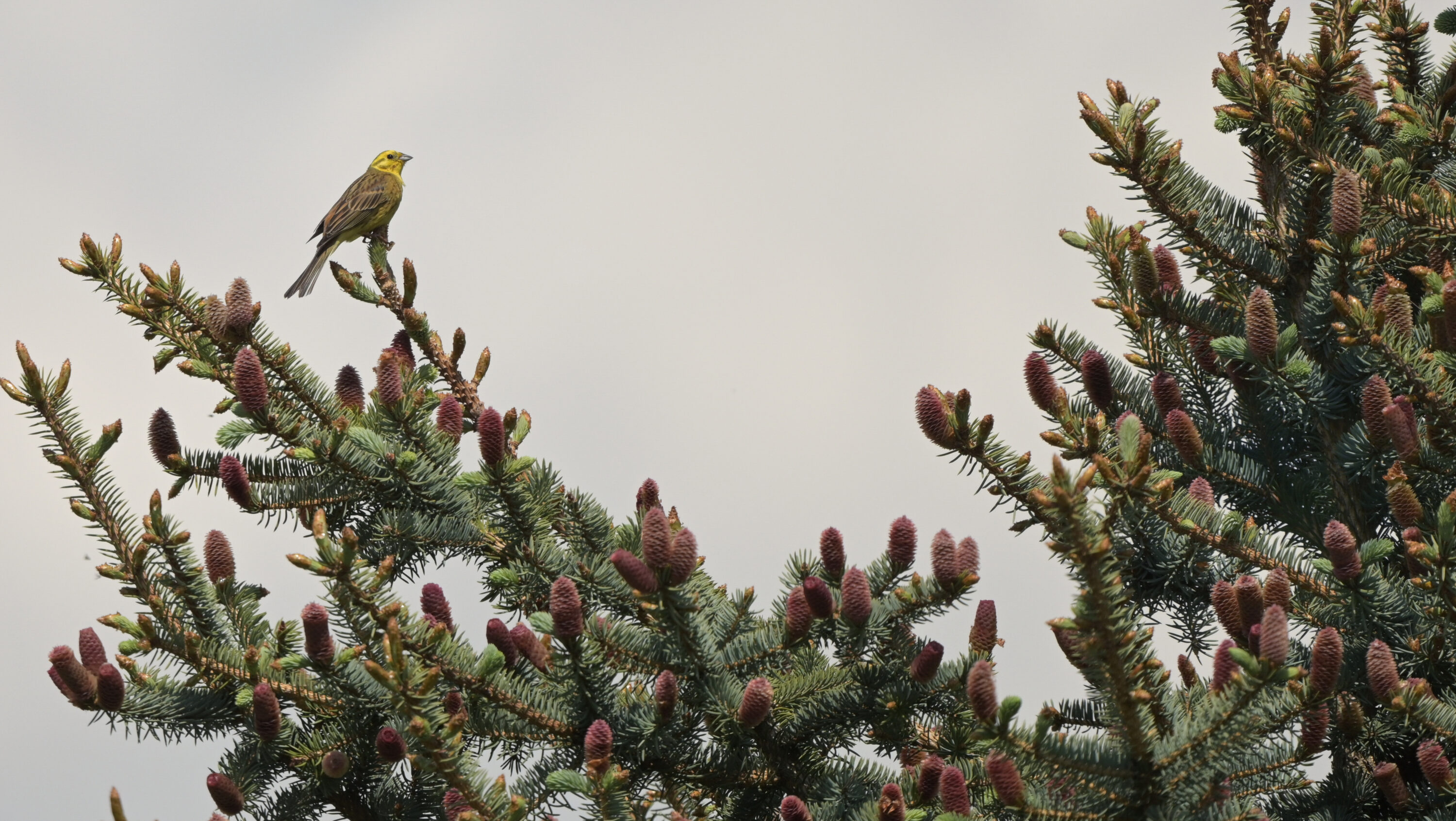
Diversified Crop Patches Had More Bird Observations Than Conventional Fields in Germany
A three-year study in Brandenburg recorded 20.0 bird observations per hectare in a diversified patch-cropping field, compared with…
Read story →SPECIES IN THIS STORY
Species in this story
Independent research and conservation news archive
Did you find this information useful?
Wildlife Vagabond is independently built and maintained. Voluntary support helps cover source verification, hosting and continued work on research and conservation news.
Support Wildlife VagabondThe news archive will remain freely available.