
Human Hair and Fishing Line Caused Seven Deaths in Barn Swallow Nests
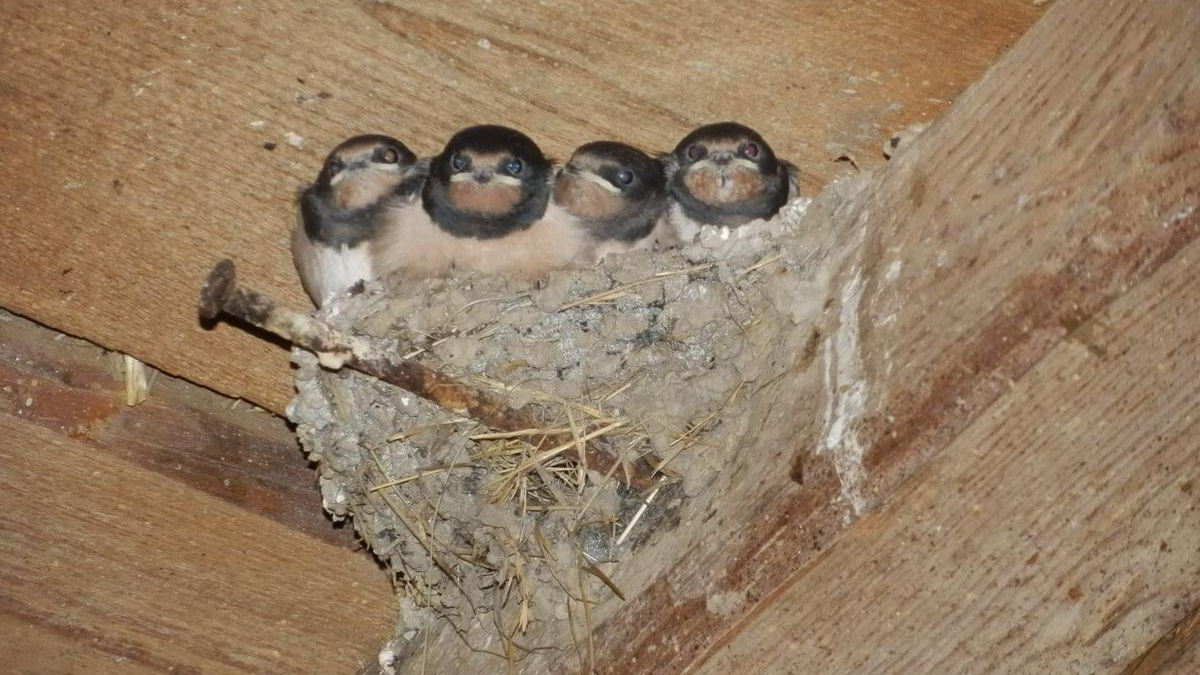
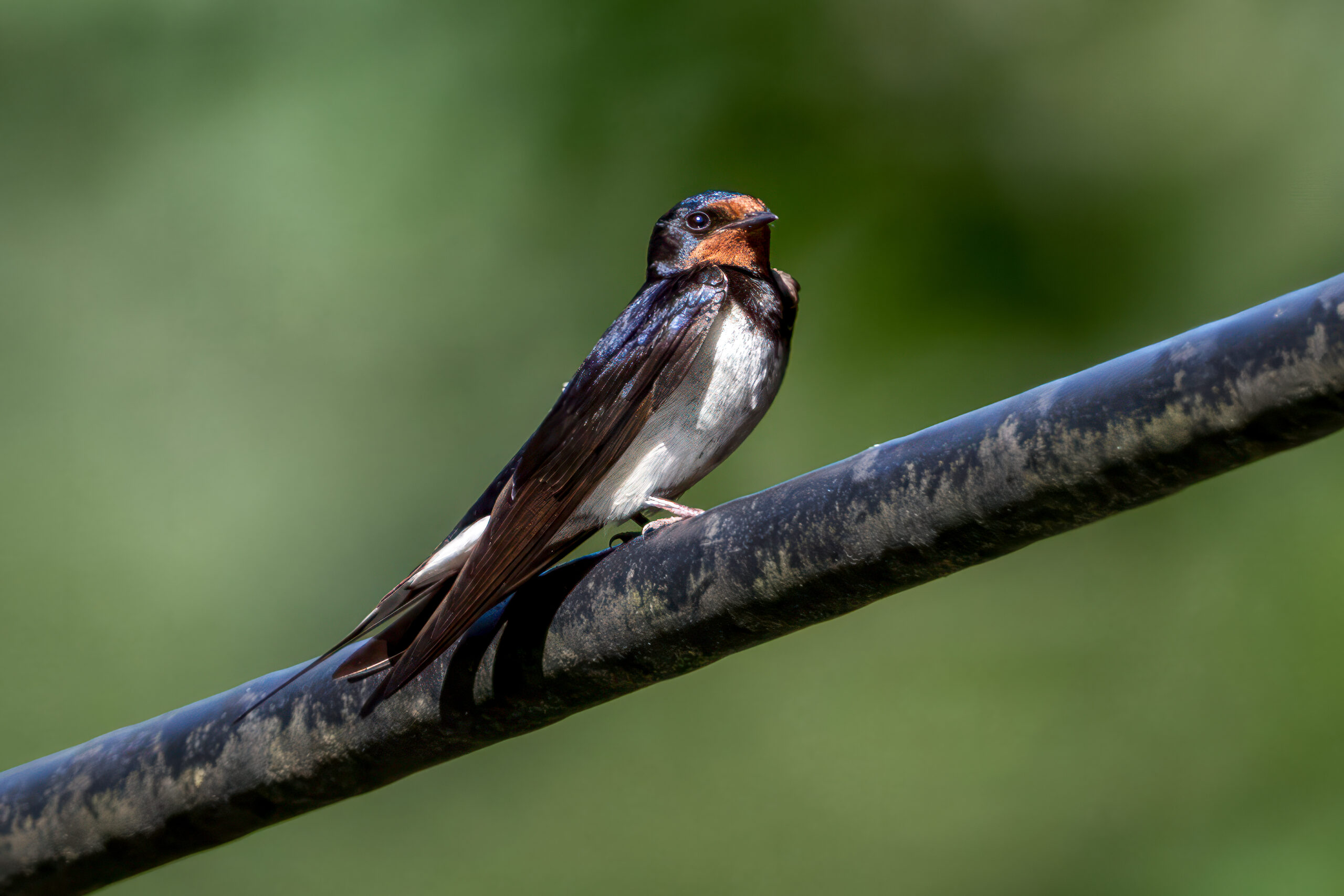
Human hair and discarded fishing line were linked to seven fatal entanglements of breeding adults or nestlings in a survey of 193 active barn swallow (Hirundo rustica) nests in China. Researchers checked 123 nests near Danzhou in Hainan and 70 near Zhalong in Heilongjiang every two to three days during the 2024 breeding seasons.
Anthropogenic material occurred in 74 nests, or 38.3% of the total. Human hair was found in 43 nests (22.3%): 42 in Hainan and one in Heilongjiang. Plastic occurred in 42 nests (21.8%): 35 in Hainan and seven in Heilongjiang. Both human hair and plastic were therefore much more frequent in the Hainan nests. Eleven nests contained both hair and plastic.
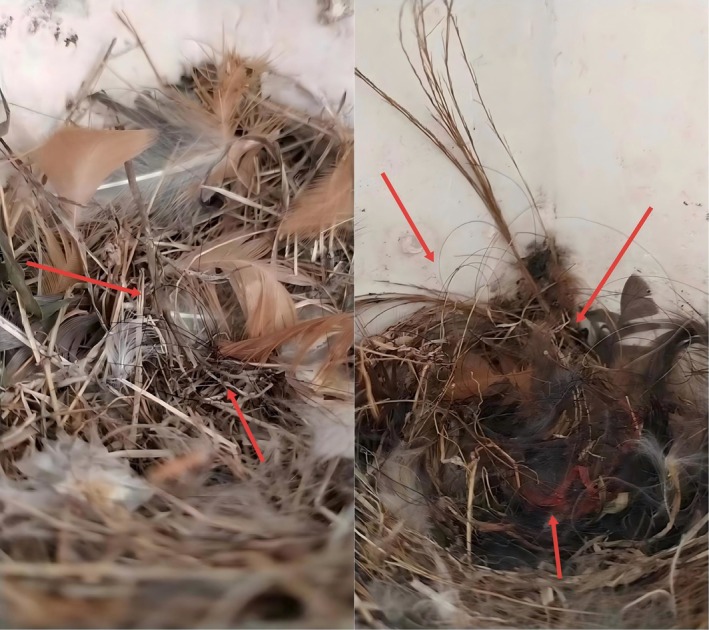
Hair and fishing line caused all recorded deaths
Four deaths in Hainan involved human hair, while three in Heilongjiang involved fishing line. Together, the seven cases represented 3.6% of the nests surveyed. The study is the first to report entanglement mortality caused by human hair in barn swallows. Investigators also frequently found hair wrapped around the feet of live nestlings or caught in their bills and partly swallowed; they removed it by hand when detected.
Anthropogenic nest material can be directly lethal
The authors describe human hair and plastic as a potential direct threat in the human-dominated places where barn swallows often breed. Human hair consists largely of keratin, a resistant protein that can take years to decompose. The authors therefore argue that these materials may turn apparently suitable nest sites into an ecological trap.
The comparison between the two regions was descriptive rather than a controlled geographical test. Nests were found opportunistically and were clustered within each study area, and the authors lacked data from a wider area to quantify the relationship between human disturbance and nest materials.
Threats
Related news
Usutu Virus RNA Was Found Nearly Three Times as Often as West Nile Virus RNA in Southern France
Among 2,533 wild birds from 69 species in southern France, Usutu virus RNA was detected in 12.0% and…
Read story →
Larger Broods and Older Social Fathers Were Linked to Shorter Telomeres in Male Barn Swallow Nestlings
A long-term study near Milan found shorter telomeres in male barn swallow nestlings from larger broods or with…
Read story →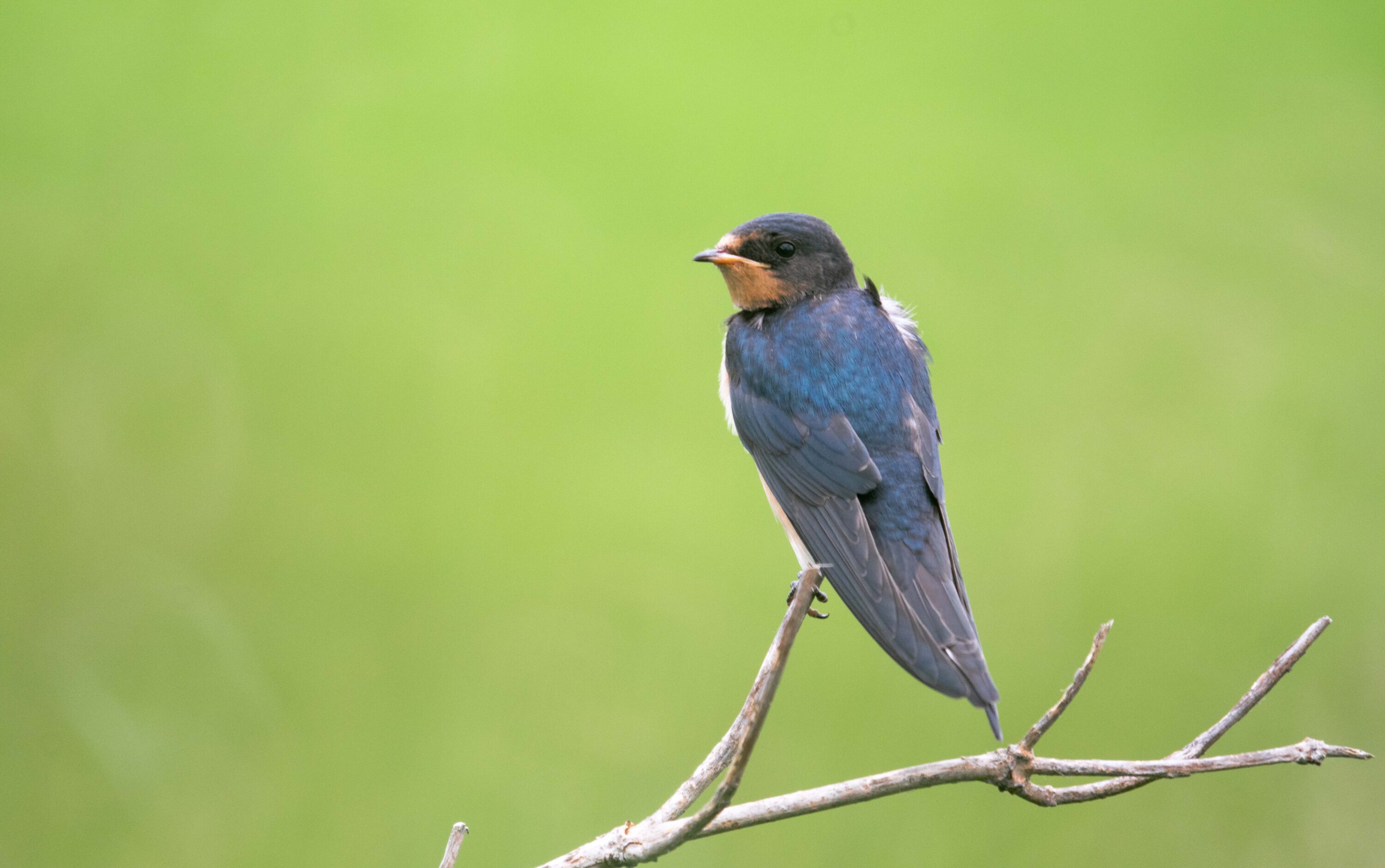
Mitochondrial DNA Reveals a More Complex Evolutionary History of Barn Swallows
A study of 580 complete barn swallow mitochondrial genomes found five major maternal lineages, including a newly recognised…
Read story →SPECIES IN THIS STORY
Species in this story
Independent research and conservation news archive
Did you find this information useful?
Wildlife Vagabond is independently built and maintained. Voluntary support helps cover source verification, hosting and continued work on research and conservation news.
Support Wildlife VagabondThe news archive will remain freely available.