
Africa 4 Toxoplasma lineage detected in wild impalas from Greater Kruger
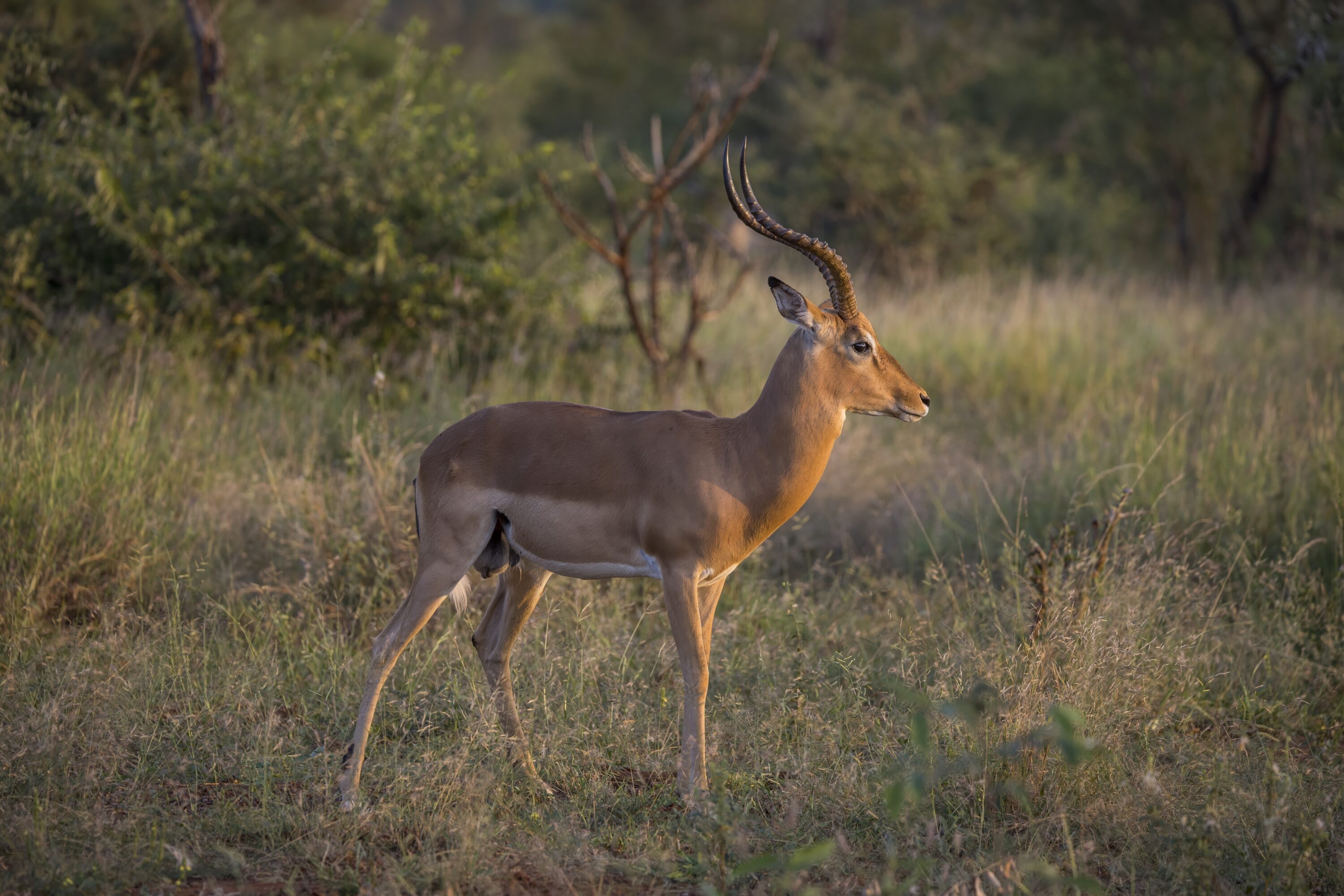
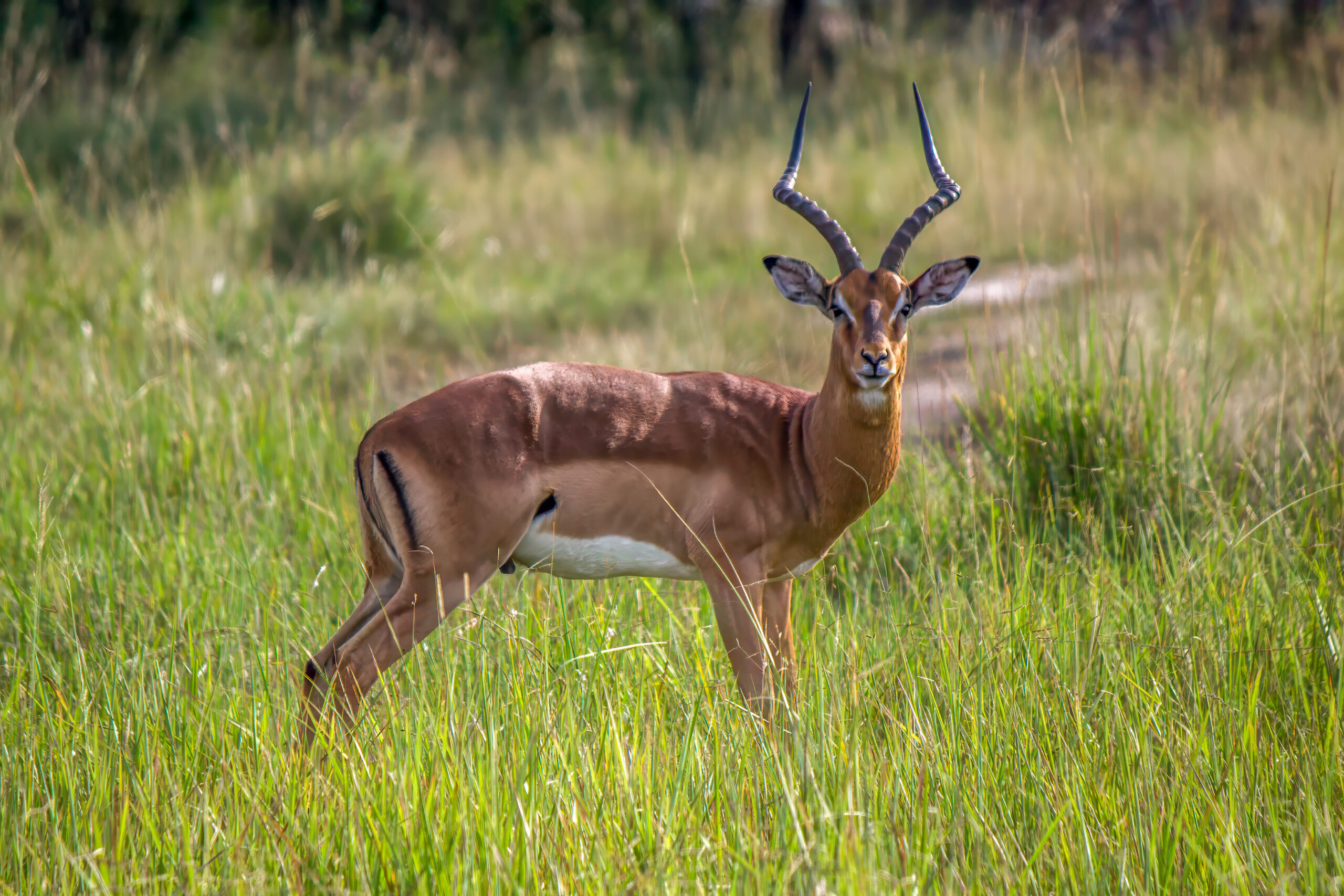
A 2026 study of wild impalas (Aepyceros melampus) from Timbavati Private Nature Reserve in South Africa detected the Africa 4 lineage of Toxoplasma gondii, a single-celled apicomplexan parasite that causes toxoplasmosis, in wildlife from the Greater Kruger region. The study also measured how commonly antibodies and parasite DNA could be detected in impalas destined for use as game meat.
Researchers collected serum and seven tissue types from 138 impalas. Antibodies against T. gondii were detected with a modified agglutination test, while quantitative PCR was used to search for parasite DNA in tongue, heart, diaphragm, triceps muscle, liver, spleen and brain tissue. Strong DNA-positive samples were then genotyped with 15 microsatellite markers, short repeated DNA regions whose variation can distinguish genetic lineages.
Antibodies were found in 8.7% and parasite DNA in 7.2%
Twelve of the 138 impalas had antibodies against T. gondii, giving a seroprevalence of 8.7%. Parasite DNA was detected in at least one tissue from ten animals, or 7.2% of the sample. Positive tissues included tongue, heart, brain, triceps and diaphragm, while no parasite DNA was detected in the liver or spleen samples.
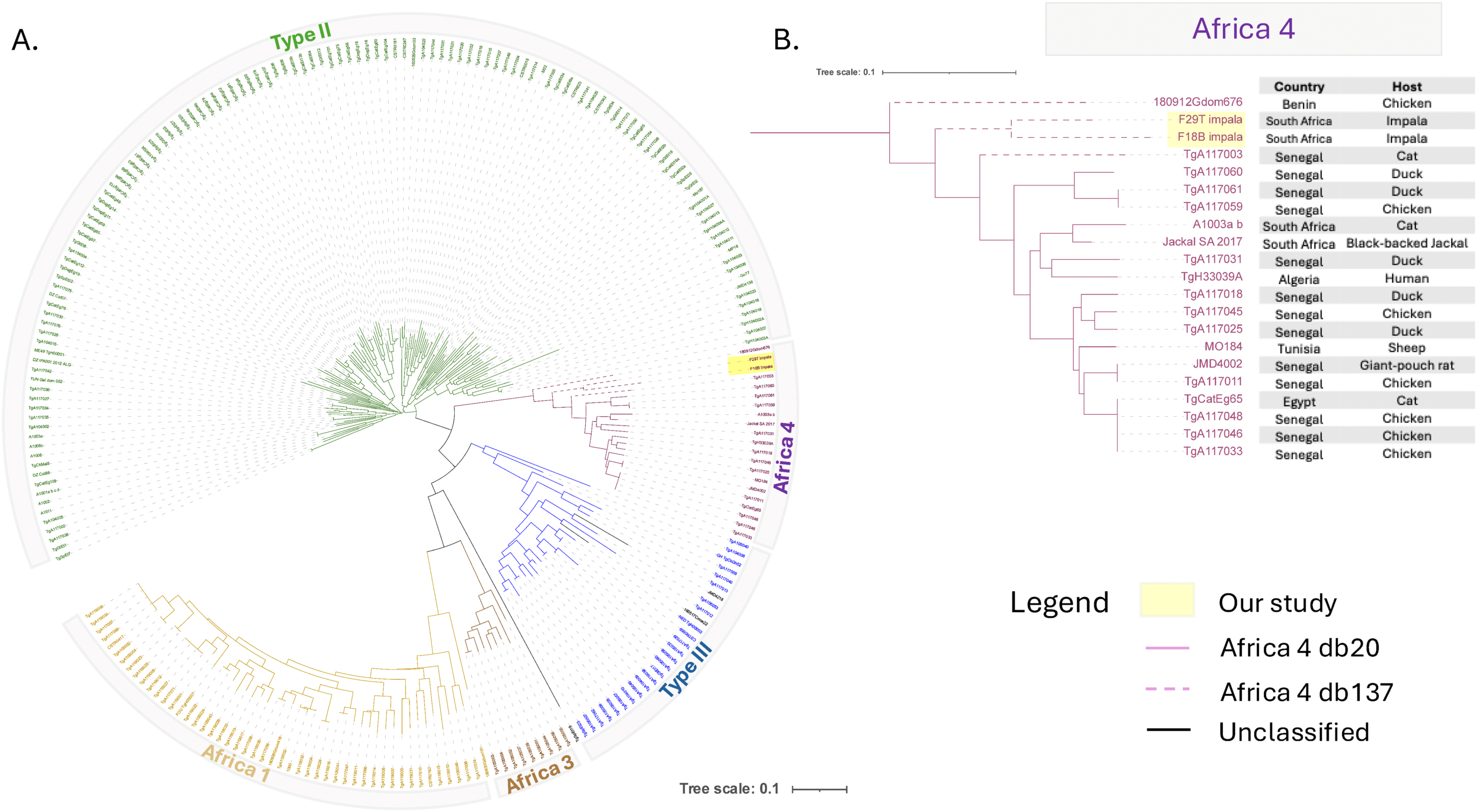
Both fully genotyped samples belonged to the Africa 4 lineage
Two animals produced strong enough PCR signals for full genotyping. One positive sample came from brain tissue and the other from tongue tissue, and both belonged to the Africa 4 lineage. This adds a new wildlife host to the known picture of genetic diversity in African T. gondii populations.
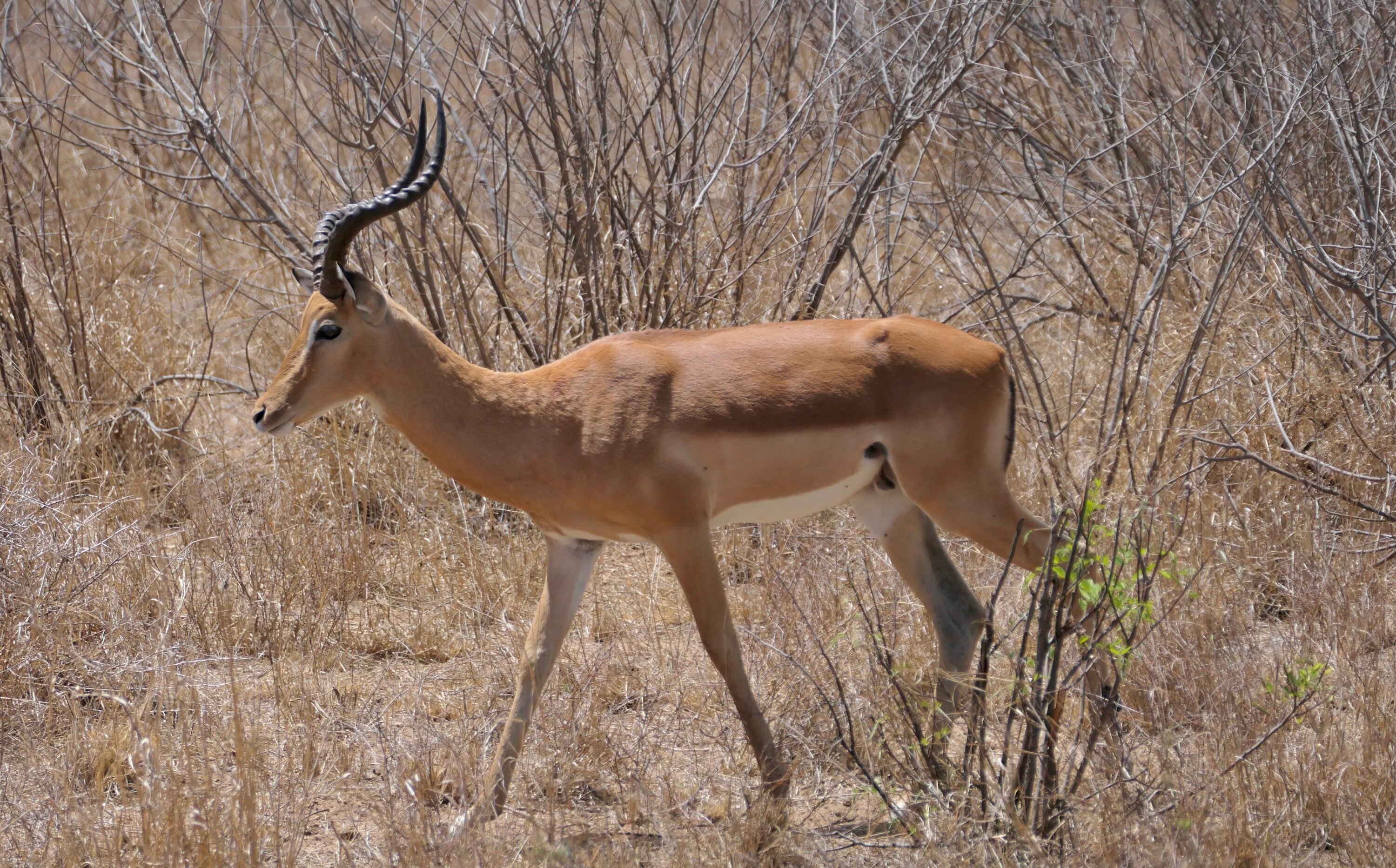
Only three impalas were positive in both the antibody test and PCR analysis. The researchers note that serology and direct DNA detection measure different aspects of infection, which helps explain why the two approaches did not identify exactly the same animals.
Because the sampled impalas were destined for human consumption, the authors discuss the findings in a One Health context, which treats human, animal and environmental health as interconnected. They identify Africa 4 strains circulating in South African wildlife and call for further characterisation of the genotype’s biological properties and disease-causing potential before the public-health implications can be assessed more precisely. They also note that consumption of raw or undercooked infected game meat can provide a route for T. gondii transmission.
Disease, parasites & microbiology
Related news
Faecal egg counts missed many nematode infections in African ungulates
In Kruger National Park, egg counts in faeces often detected fewer infections than counts of adult worms recovered…
Read story →
Food Leaves Its Mark on the Gut Bacteria of Kruger’s Wildlife
Gut bacteria in nine mammal species from Kruger National Park followed clear patterns linked to food and digestion.…
Read story →
First Reported Giardia Detections in Four Wild Herbivore Species in Kenya
Molecular screening of wildlife and livestock in Laikipia produced the first reported Giardia detections in African buffalo, plains…
Read story →SPECIES IN THIS STORY
Species in this story
Independent research and conservation news archive
Did you find this information useful?
Wildlife Vagabond is independently built and maintained. Voluntary support helps cover source verification, hosting and continued work on research and conservation news.
Support Wildlife VagabondThe news archive will remain freely available.