Inside the Spur-Winged Goose’s Respiratory System
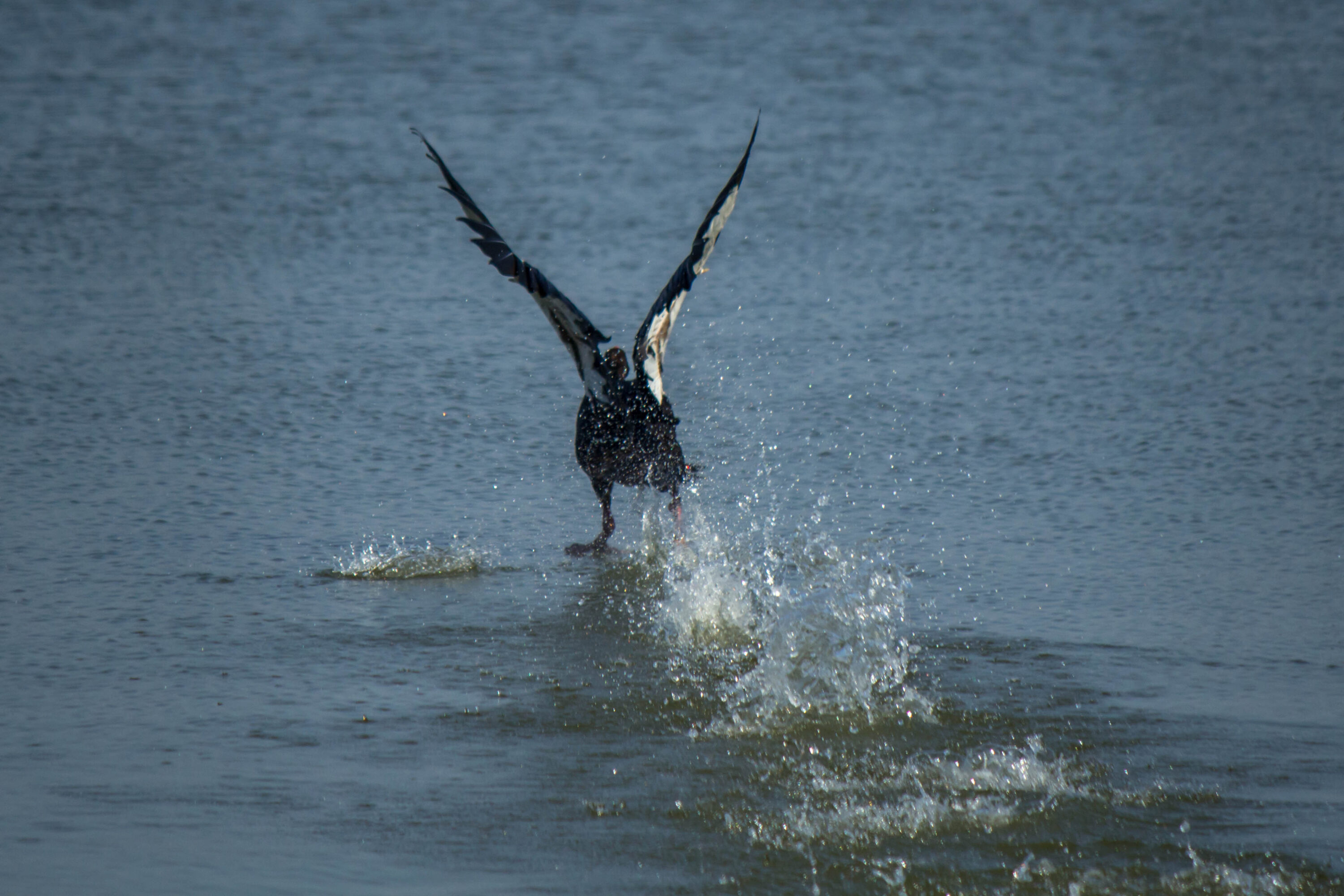
The spur-winged goose (Plectropterus gambensis) is a waterfowl species found in Nigeria’s Sudano-Sahelian wetlands. Researchers dissected ten adults—five males and five females—to describe the structures and measurements of the respiratory system.
The nostrils were paired, slit-like openings at the base of the upper beak. A nasal septum divided the nasal cavity into two halves, each with a narrower front region and a broader rear region containing nasal conchae.
From the larynx to the lungs
The larynx had paired arytenoid cartilages at its upper end and a cricoid cartilage farther back, capped by a raised structure called the laryngeal mound. In the sampled birds, the trachea averaged 34.72 centimetres in males and 31.42 centimetres in females. It had 138–146 cartilage rings in males and 136–142 in females. These rings help keep the windpipe open as the bird breathes.
At the trachea’s lower end was the syrinx, the organ birds use to produce calls and other vocal sounds. The researchers described it as tracheobronchial because it lies where the trachea meets the two primary bronchi. The bronchi had C-shaped cartilage. The paired lungs were described as triangular and spongy; the bronchi and pulmonary blood vessels entered through the ventral hilum, the opening on the underside of each lung.
The authors describe their findings as the first normal anatomical baseline for the spur-winged goose’s respiratory system. A detailed account of its structures can provide a reference for comparative anatomy and veterinary work on the species.
Anatomy & morphology
Related news
Microscopy Study Described the Respiratory System of Adult Spur-winged Geese
A 2026 microscopy study of ten adult spur-winged geese in Nigeria described the nasal cavity, larynx, trachea, bronchi…
Read story →
Anatomical Study Documented Feeding Structures and Sex Differences in the Spur-winged Goose Digestive Tract
A 2026 study of ten adult spur-winged geese from Jere, Borno State, Nigeria, described the beak, tongue, oesophagus…
Read story →
Microscopy Study Mapped the Upper Digestive Tract of Adult Spur-Winged Geese
A 2026 microscopy study of six adult spur-winged geese described tissues and glands throughout the upper digestive tract,…
Read story →SPECIES IN THIS STORY