
Inuit harvesters help detect an emerging parasitic disease in Arctic caribou
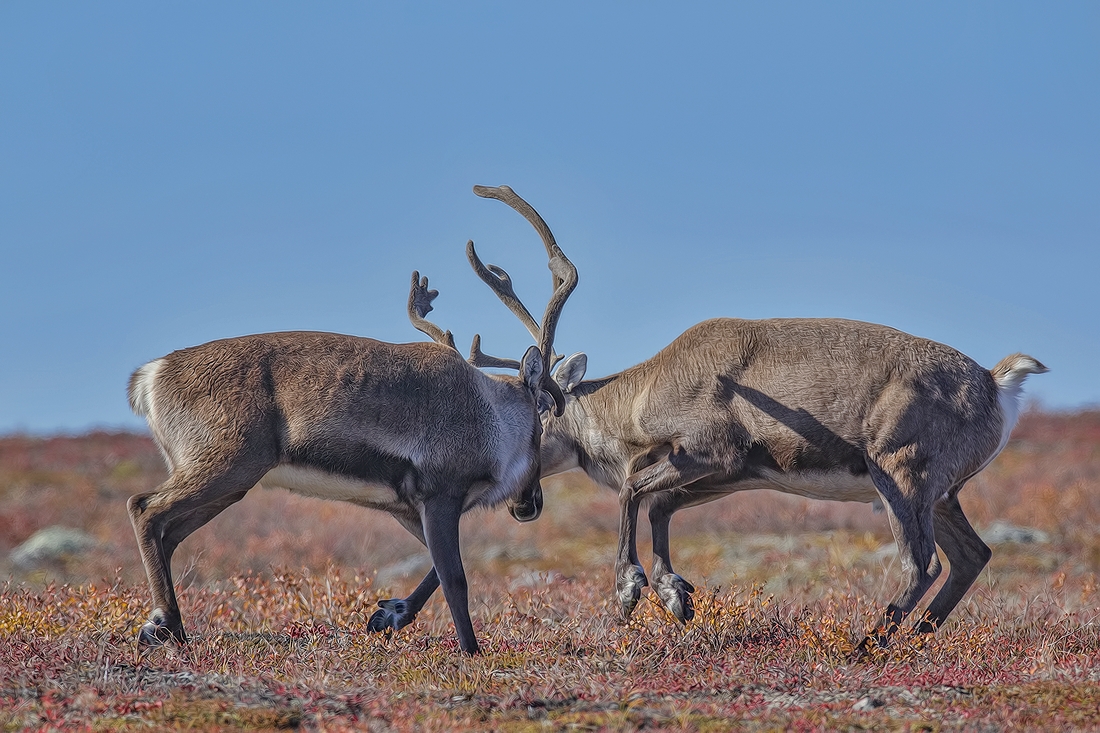
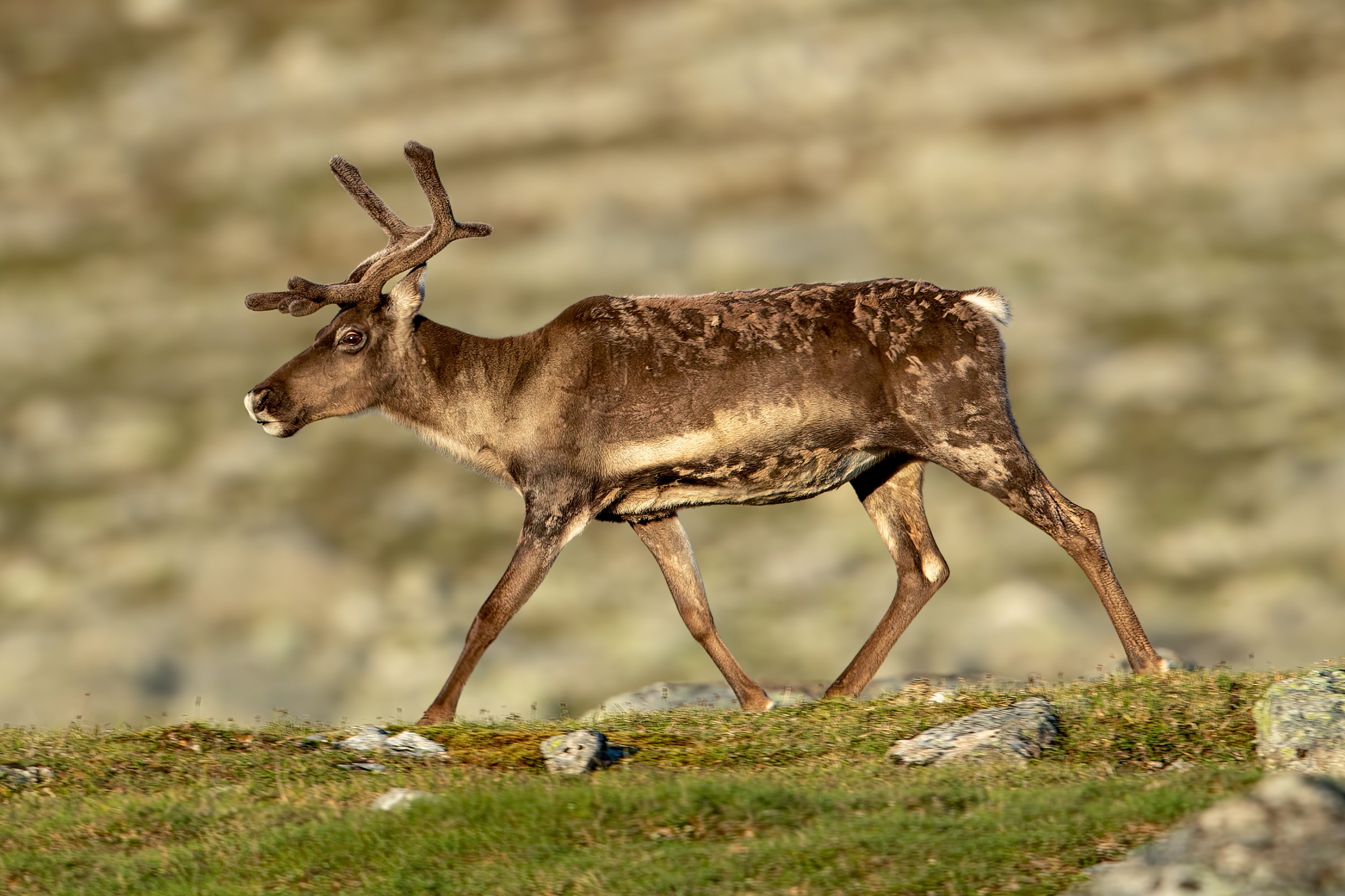
Inuit harvesters near Kugluktuk, Nunavut, helped identify an emerging disease affecting barren-ground caribou (Rangifer tarandus). In late summer 2023, harvesters described two kinds of abnormal tissue: fluid and yellow-white deposits inside the chest and abdomen, and bruised or discoloured muscle in the legs and back. They submitted samples from caribou harvested for food through a community-based wildlife-health programme.
Parasite DNA found in abnormal tissue
Researchers examined the submitted samples and tested the lesions for parasite DNA. Under the microscope, they found inflammation involving eosinophils, a type of white blood cell, and occasionally saw nematode parasites. DNA from two filarioid nematodes—parasitic roundworms—was identified: Setaria yehi and Onchocerca sp. lineage 2. These worms are transmitted by blood-feeding insects, including biting flies and mosquitoes.
The two kinds of tissue damage are biologically interesting because filarioid roundworms can inhabit different parts of the body, including body cavities and tissues around muscles. An earlier field update associated the cavity changes with Setaria and the muscle changes with Onchocerca. The later genetic study identified an Onchocerca lineage without confirming the earlier species-level name. Nor do the samples establish how widespread the condition is, because the harvesters submitted tissues that already looked abnormal.
A possible climate connection
The parasites had been circulating in caribou before 2015, while the disease syndromes associated with them have emerged more recently. The researchers suggest that climate change could be involved by altering the ecology of Arctic vectors—organisms that transmit parasites between hosts—or the animals’ susceptibility to infection. They present this as a possible explanation, not proof that climate change caused the disease.
The changes matter for caribou health and for communities that depend on the animals as food. Discoloured meat and unusual fluid can make harvested animals appear unsuitable to eat, even though the study does not demonstrate a new human infection risk. Continued surveillance led by Indigenous communities may help detect wildlife disease and support food-security decisions.
Disease, parasites & microbiology
Related news
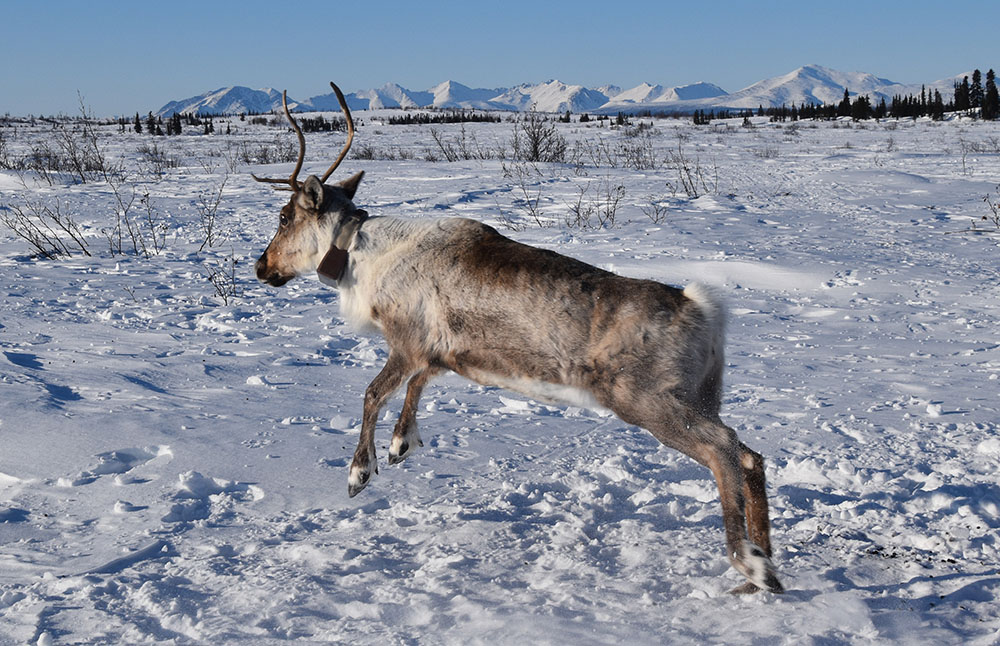
Video Collars Showed GPS Methods Were Only About 70% Accurate at Detecting Caribou Calving
Video collars from 160 adult females in the Porcupine and Western Arctic herds showed that two GPS movement…
Read story →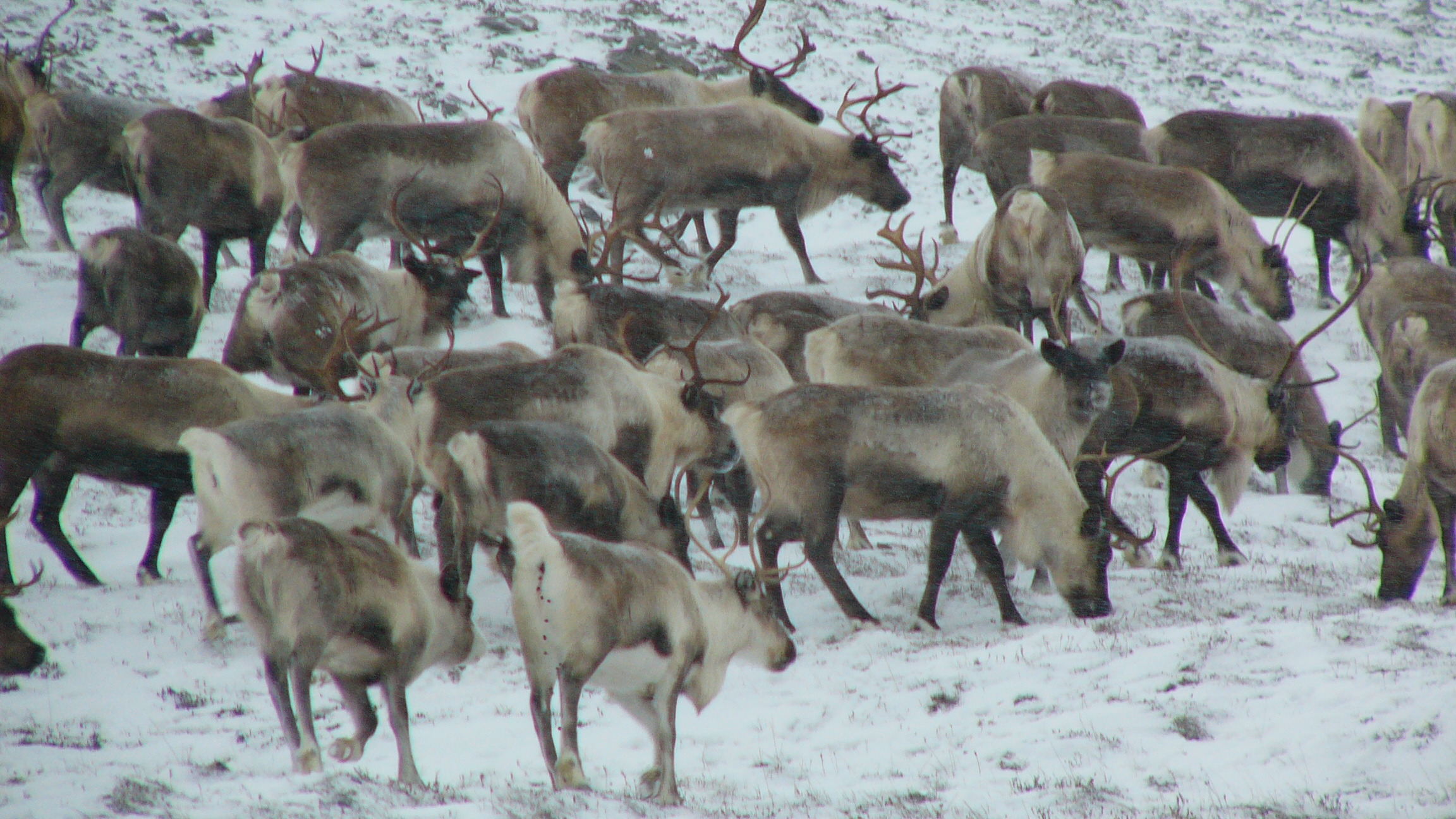
Reindeer and Caribou Showed Broad Genetic Differences Across Russia, Alaska and Canada
Microsatellite data from 1,544 reindeer and caribou in 42 populations showed broad genetic differentiation among Russia, Alaska and…
Read story →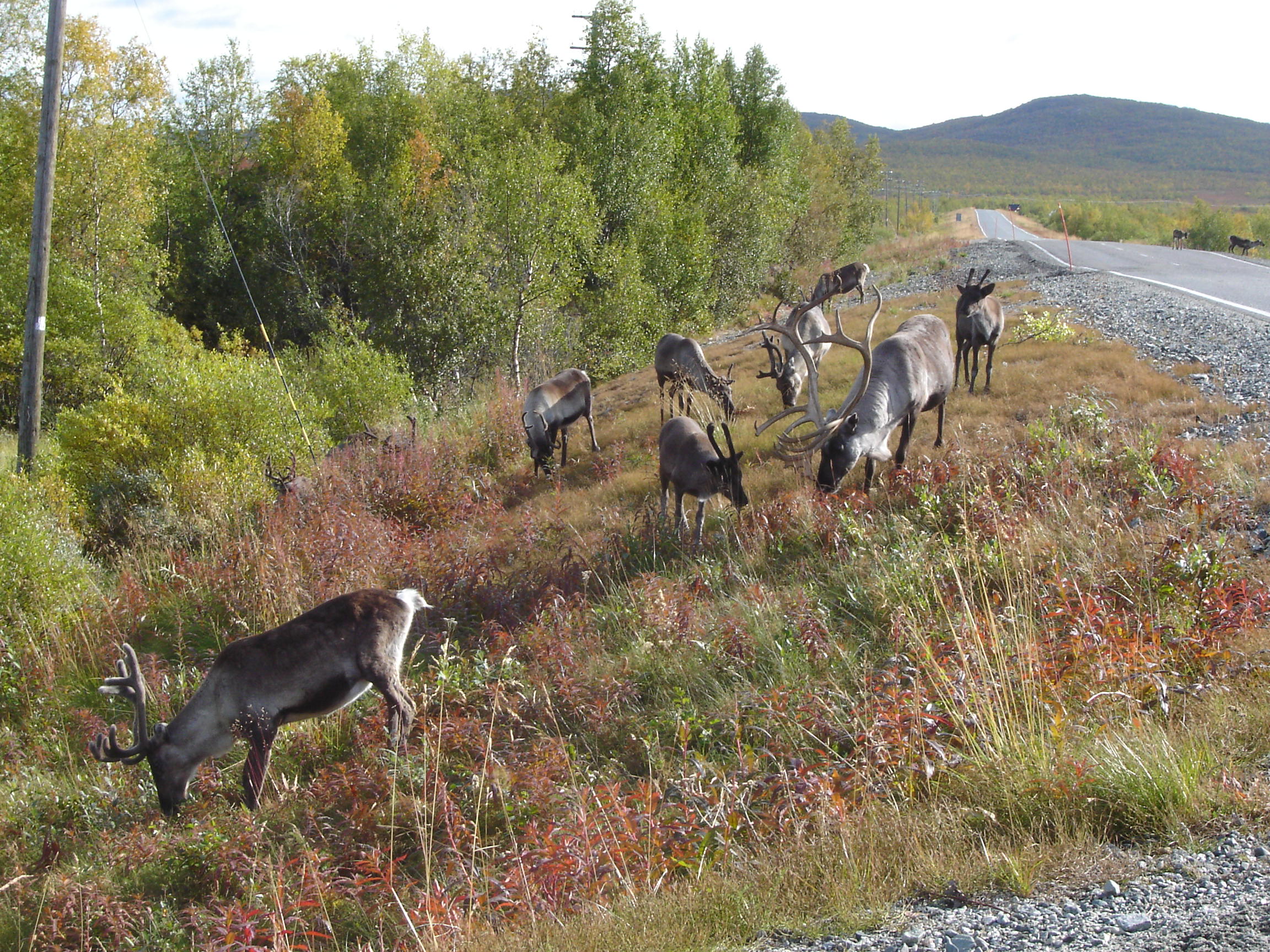
Decades of Reindeer Exclusion Raised Lichen Biomass 4.5-fold and Changed Soil Carbon
Long-term reindeer exclosures in three northern Finnish pine forests had 4.5 times more lichen biomass, moister and cooler…
Read story →SPECIES IN THIS STORY
Species in this story
Independent research and conservation news archive
Did you find this information useful?
Wildlife Vagabond is independently built and maintained. Voluntary support helps cover source verification, hosting and continued work on research and conservation news.
Support Wildlife VagabondThe news archive will remain freely available.