
Irish and British Curlews Showed Little Genetic Separation but Both Differed From Swedish Birds
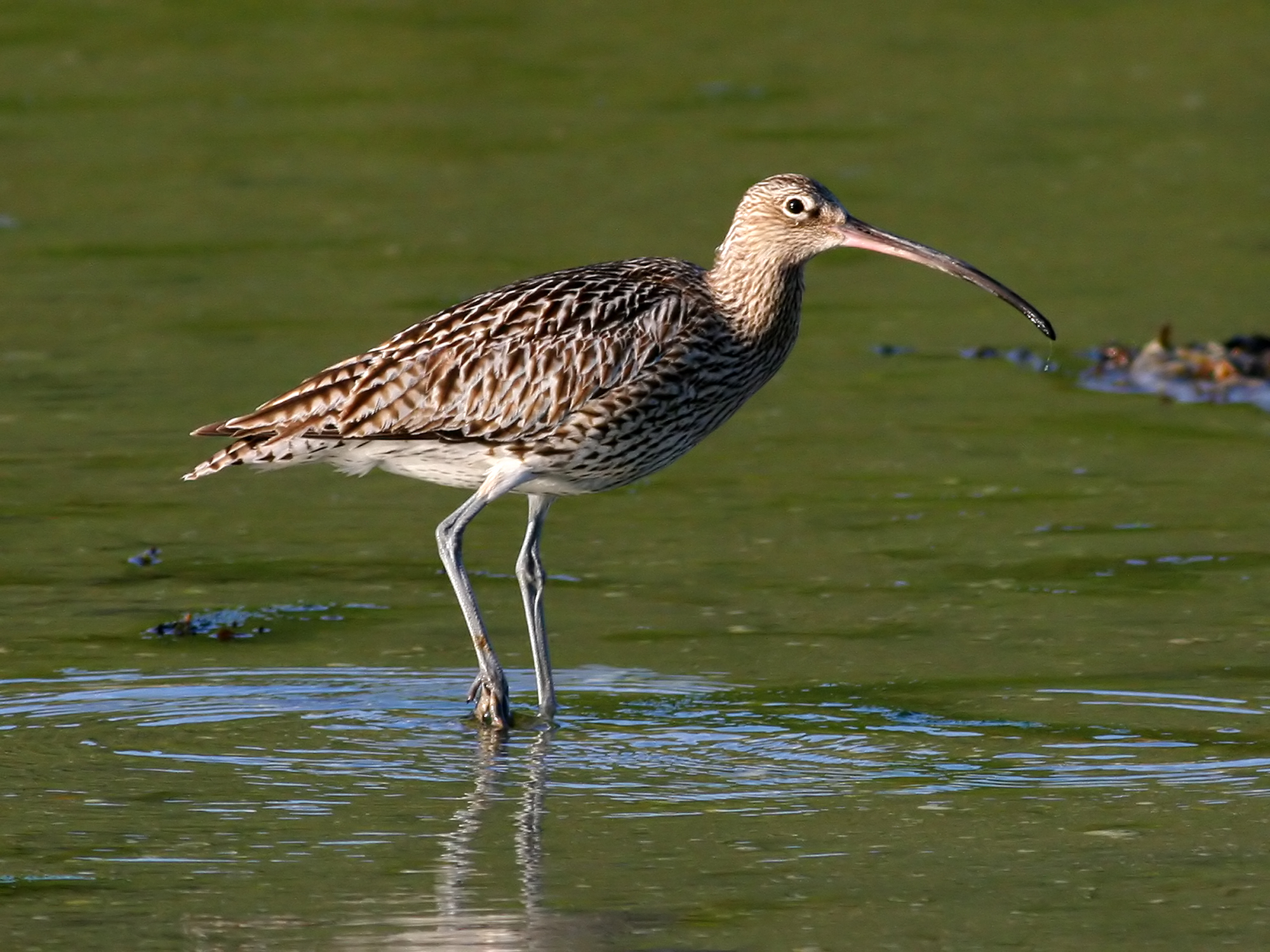
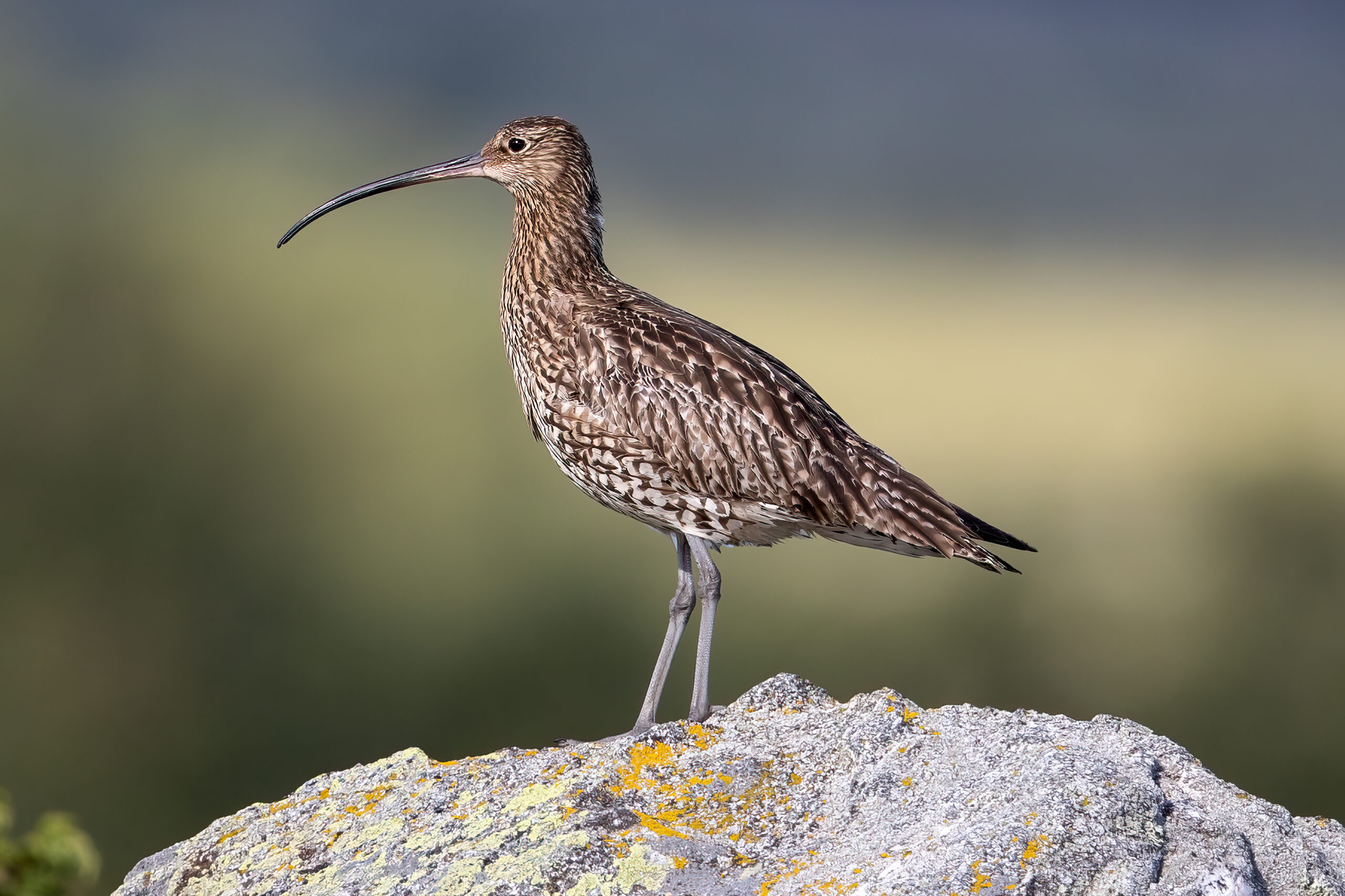
Whole-genome data from 56 Eurasian curlews (Numenius arquata) showed little genetic separation between the Irish and British breeding populations, while both were clearly differentiated from birds in Sweden. The results come from a bioRxiv preprint first posted on 28 August 2026 and have not yet been peer reviewed.
The comparison is particularly relevant because curlew populations have declined sharply across Europe. Ireland has experienced one of the most severe losses, with the breeding population falling by more than 90% over about four decades. The researchers used whole-genome resequencing to ask whether these recent declines were already visible in genetic diversity, population structure and signs of inbreeding.
Overall genetic diversity remained similar
Broad measures of genetic diversity were surprisingly similar in Ireland, Britain and Sweden. Nucleotide diversity and heterozygosity — measures of how much genetic variation is carried within a population — did not show a major loss of diversity in the Irish birds despite their severe demographic decline.
Subtler genomic measures hinted at recent decline
Other genomic measures nevertheless hinted at more recent population change. Tajima’s D, which summarises the balance between common and rare genetic variants, was slightly higher in Ireland. Ireland and Britain also had higher proportions of the genome in runs of homozygosity than Sweden. These are long stretches of DNA where the two chromosome copies are identical and can increase when populations become smaller or when closely related individuals contribute more strongly to later generations.
The authors interpret these subtler differences as possible early genomic signs of recent decline rather than evidence that Irish curlews have already lost large amounts of overall genetic diversity. They suggest there may be a time lag between a rapid fall in population size and stronger changes becoming visible across the genome.
Candidate regions may reflect local selection
The study also identified candidate genomic regions showing signals of local selection. Genes in these regions had possible roles in metabolism and immune responses and may be connected with differences in migratory behaviour or environmental conditions. These signals are candidates rather than demonstrated adaptations, and further work is needed to establish their biological effects.
The population structure itself also has conservation implications. Curlews are highly migratory, yet the Swedish population remained genetically distinct from the Irish and British birds. The authors suggest that strong fidelity to breeding areas could help maintain such differences despite long-distance migration. They therefore argue that population structure and possible local adaptation should be considered when planning translocations or other conservation interventions.
Genetics & genomics
Related news
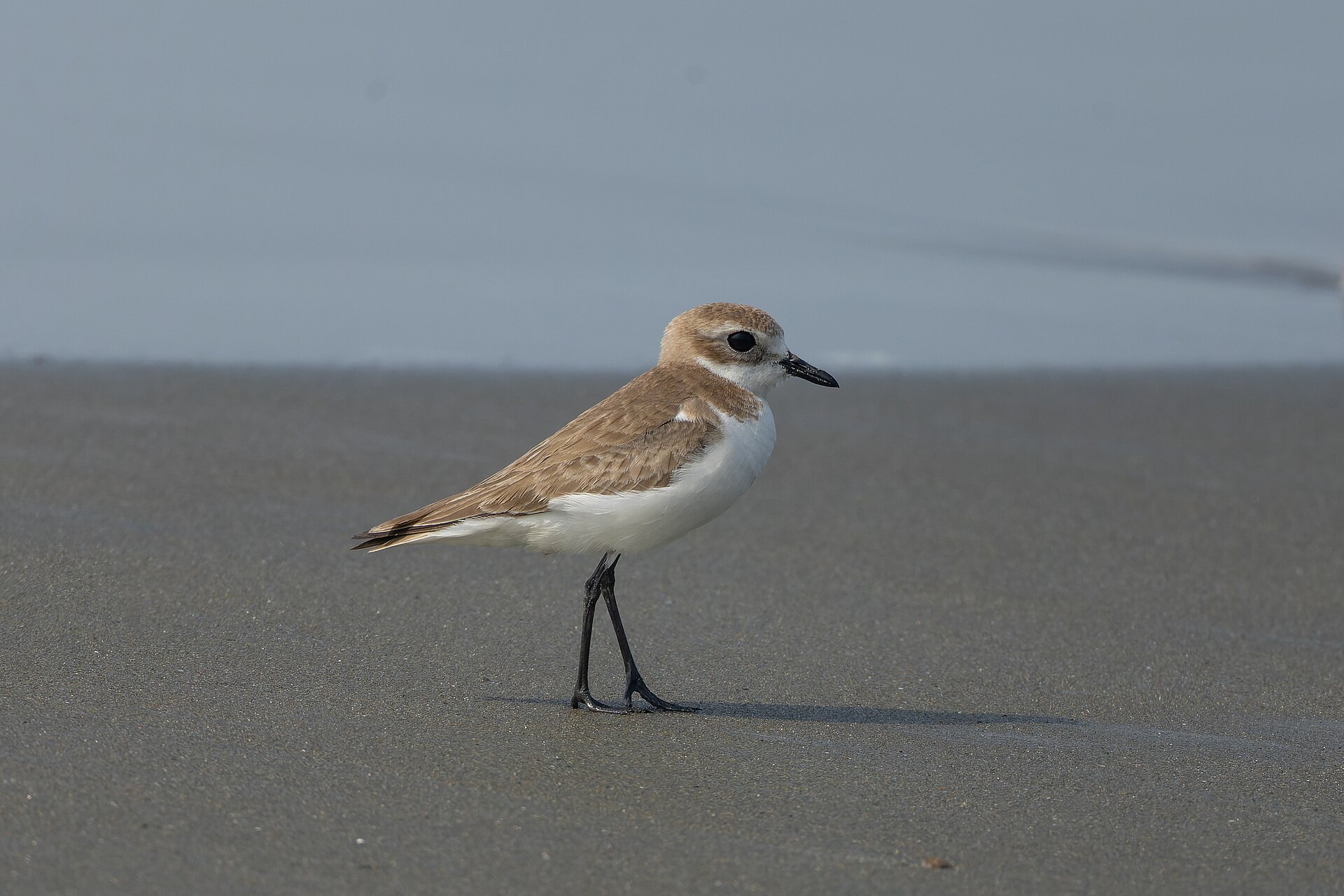
Six Migratory Shorebirds Were Linked to Habitat Complexes Beyond Tidal Flats
Across the East Asian–Australasian Flyway, six shorebirds were associated not only with tidal flats but also with nearby…
Read story →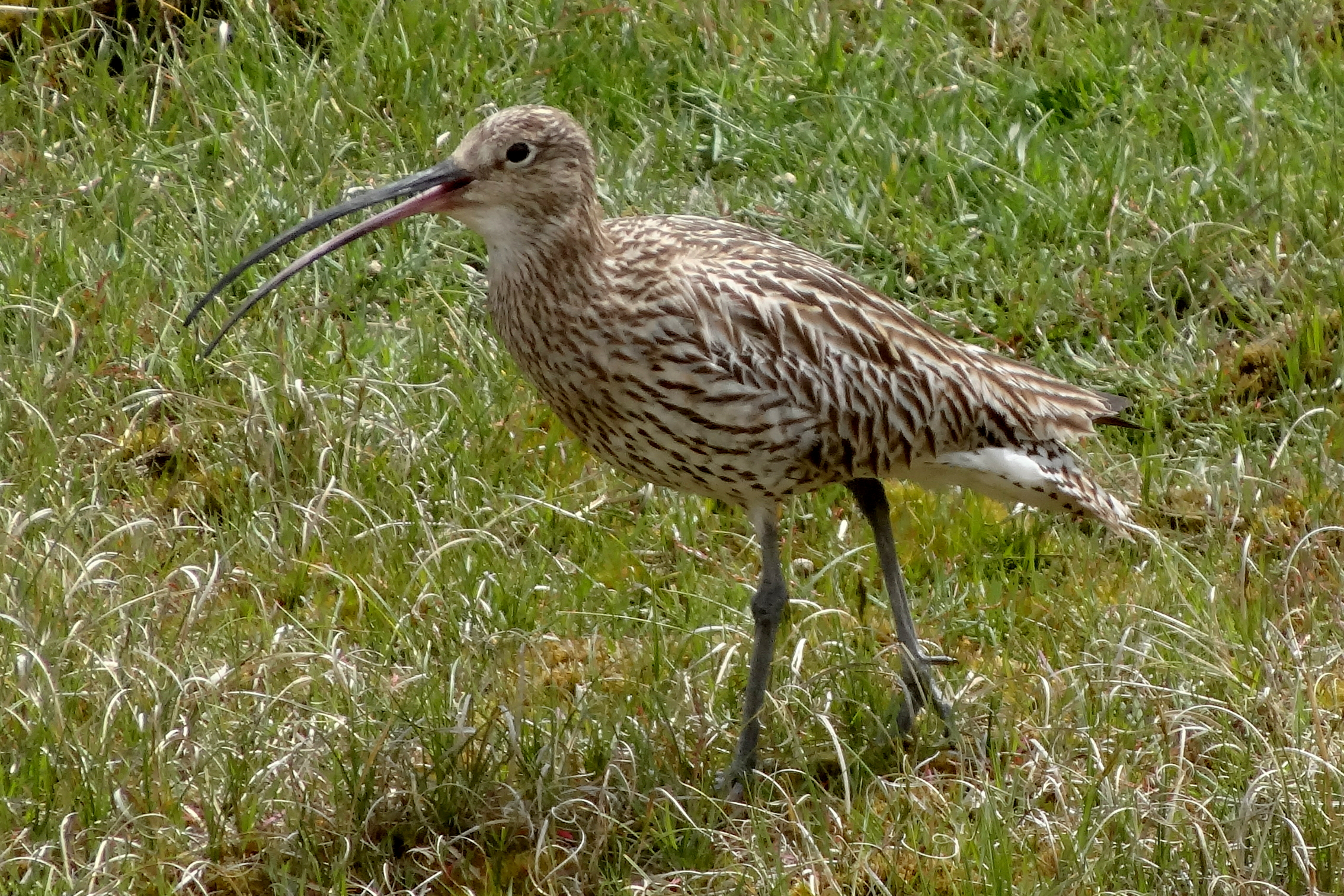
Eurasian Curlews Used Larger Areas and More Mudflats Early in the Wintering Season
GPS tracking of 62 Eurasian curlews in France and the German Wadden Sea found larger home ranges, greater…
Read story →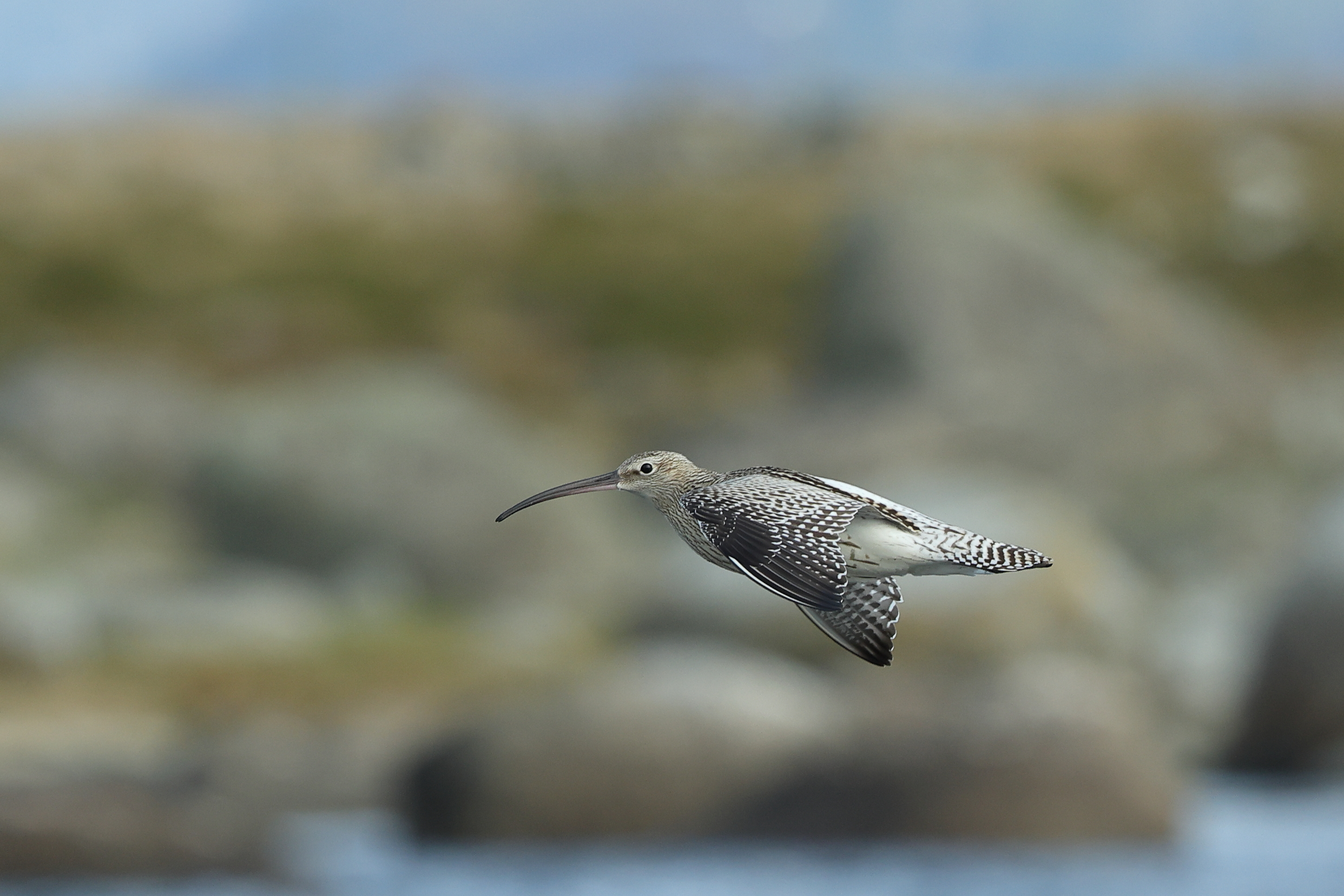
Half of Headstarted Eurasian Curlews Explored Beyond Their Main Area Before Migration
GPS tracking of 34 headstarted Eurasian curlews in Poland found that 17 moved outside their main post-release area…
Read story →SPECIES IN THIS STORY
Species in this story
Independent research and conservation news archive
Did you find this information useful?
Wildlife Vagabond is independently built and maintained. Voluntary support helps cover source verification, hosting and continued work on research and conservation news.
Support Wildlife VagabondThe news archive will remain freely available.