
Kalahari wildebeest shifted movement into the night when heat and water scarcity combined
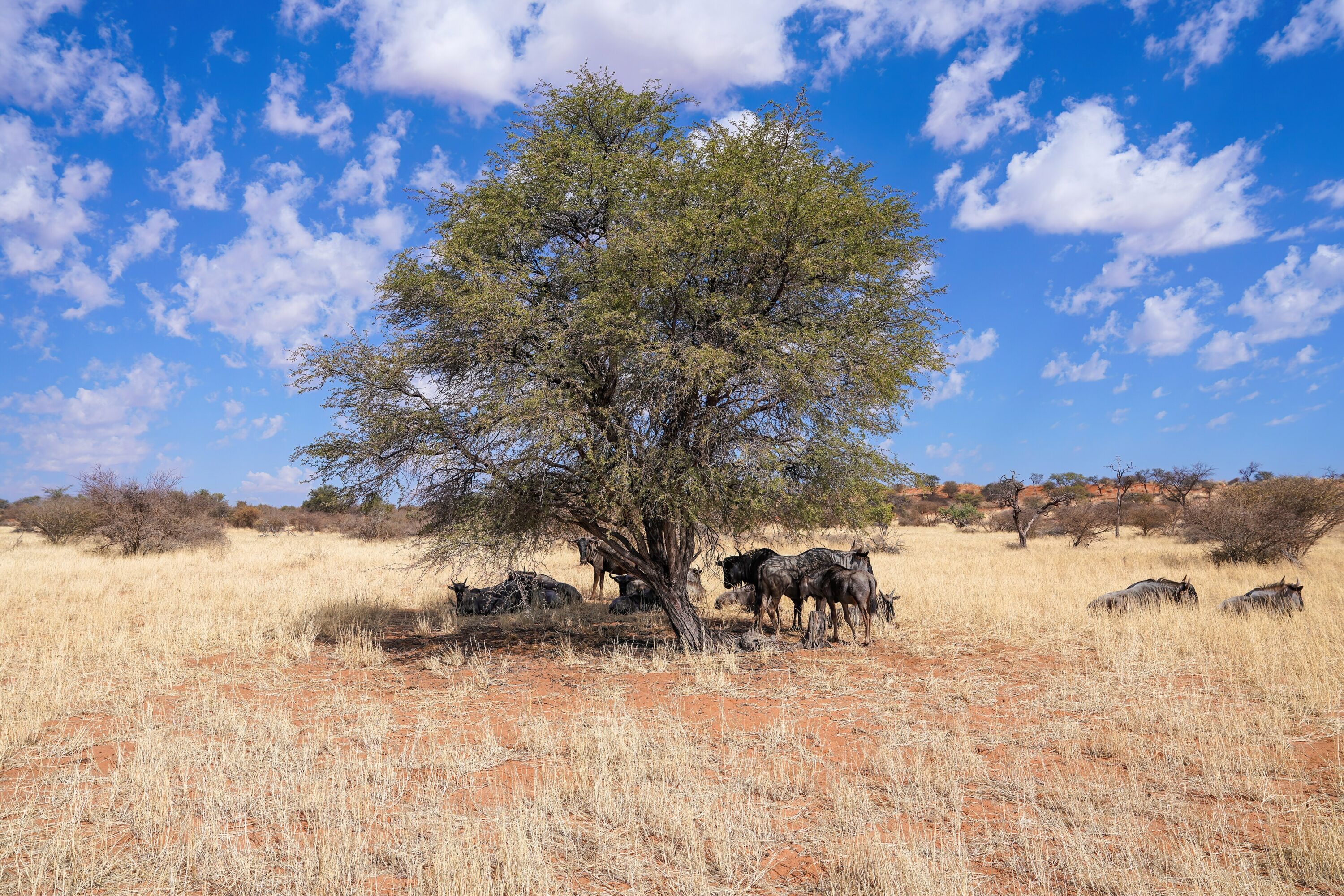
A 2026 GPS study shows how extreme heat and scarce surface water can reshape the daily movements of free-ranging blue wildebeest (Connochaetes taurinus) in southern Africa.
Researchers compared collared adult female wildebeest in three regions with very different water conditions: the dry Bakalahari Schwelle and Central Kalahari Game Reserve in Botswana, and Kruger National Park in South Africa, where surface water was available throughout the year. The animals were tracked over multiple seasonal cycles and their movements were compared with daily air temperatures.
Water loss triggered relocations of up to 500 kilometres
The strongest responses occurred in the two Kalahari regions. When local water sources dried up, some wildebeest entered prolonged relocation periods and travelled 100–500 kilometres, apparently searching for water. During particularly dry conditions, some animals endured two to three weeks without access to surface water while continuing to travel. In the Central Kalahari Game Reserve, two animals ultimately died against fences, likely from dehydration, after prolonged dry-season relocations, while a third survived a relocation of about 200 kilometres and later returned to its wet-season range.
Hot days shifted more movement into the night
Heat changed when these journeys took place. On hotter days, Kalahari wildebeest reduced the distance they moved during daylight. During the night after a hot day, however, they increased their movement by about 0.5–1 kilometre. On relocation days following maximum temperatures above 35 °C, the distance travelled at night was roughly twice that recorded when the animals remained settled.
Long-distance relocation also came at a cost to feeding time. On relocation days, the proportion of the 24-hour cycle classified as foraging fell by roughly 10%, equivalent to about two hours. Much of the additional travelling took place around dawn and dusk, when temperatures were lower.
Year-round water access changed the pattern in Kruger
The pattern was markedly different in Kruger. There, where water remained readily accessible, wildebeest showed little change in daytime movement as maximum temperatures rose and rarely sustained long relocation periods. This contrast led the researchers to conclude that water scarcity can amplify the behavioural effects of high temperatures.
The authors point out that shifting more movement into the night may bring another trade-off because wildebeest can then be more exposed to nocturnal predators such as lions. They also caution that providing artificial water is not a simple solution: pumped water can reduce water stress, but may also intensify grazing pressure and attract water-dependent species at the expense of other wildlife.
Heat could not be considered in isolation from water availability. In dry landscapes, the distance to water strongly influences how wildebeest can adjust their activity, feeding and travel as conditions become hotter and drier.
Ecology
Related news
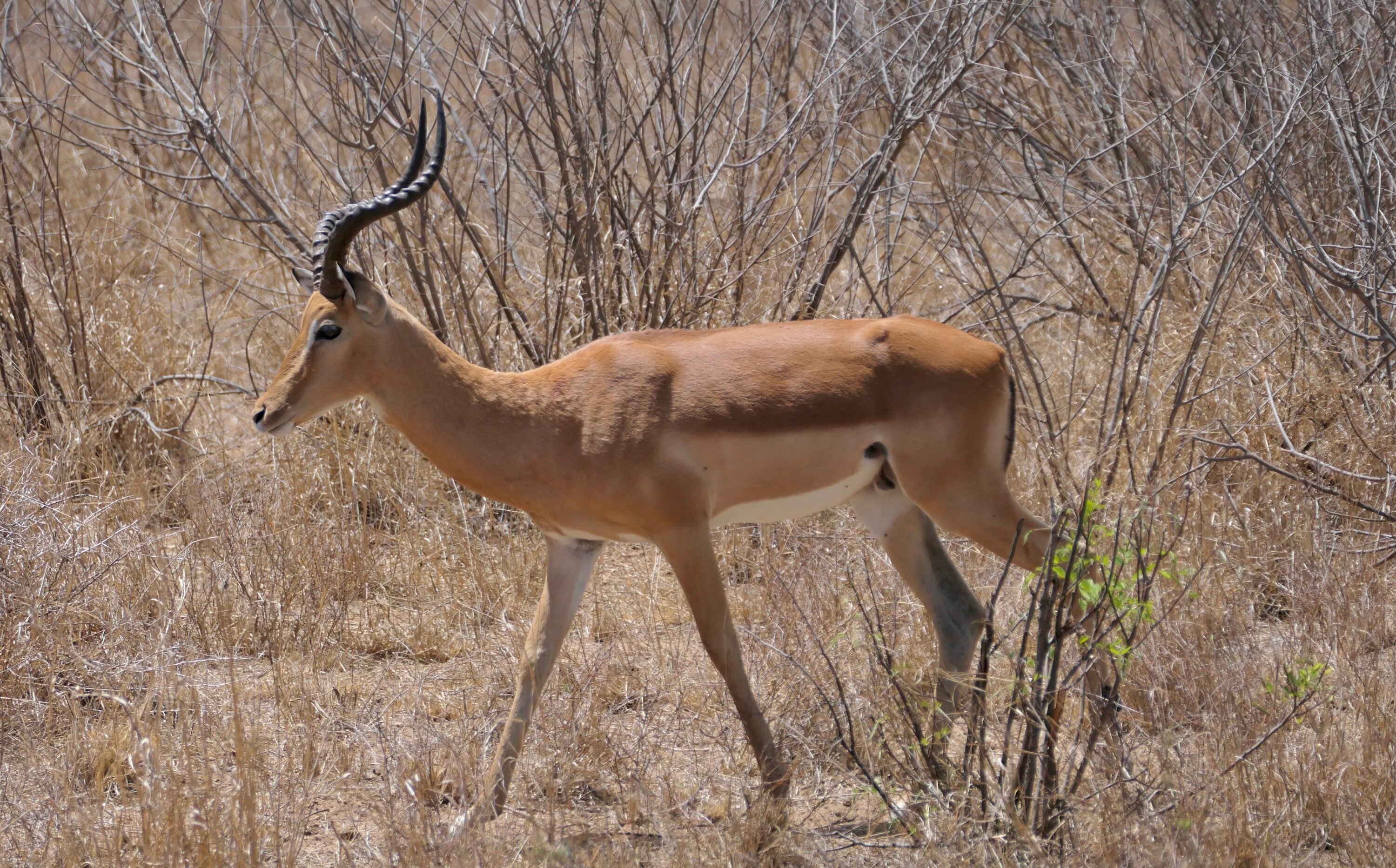
Faecal egg counts missed many nematode infections in African ungulates
In Kruger National Park, egg counts in faeces often detected fewer infections than counts of adult worms recovered…
Read story →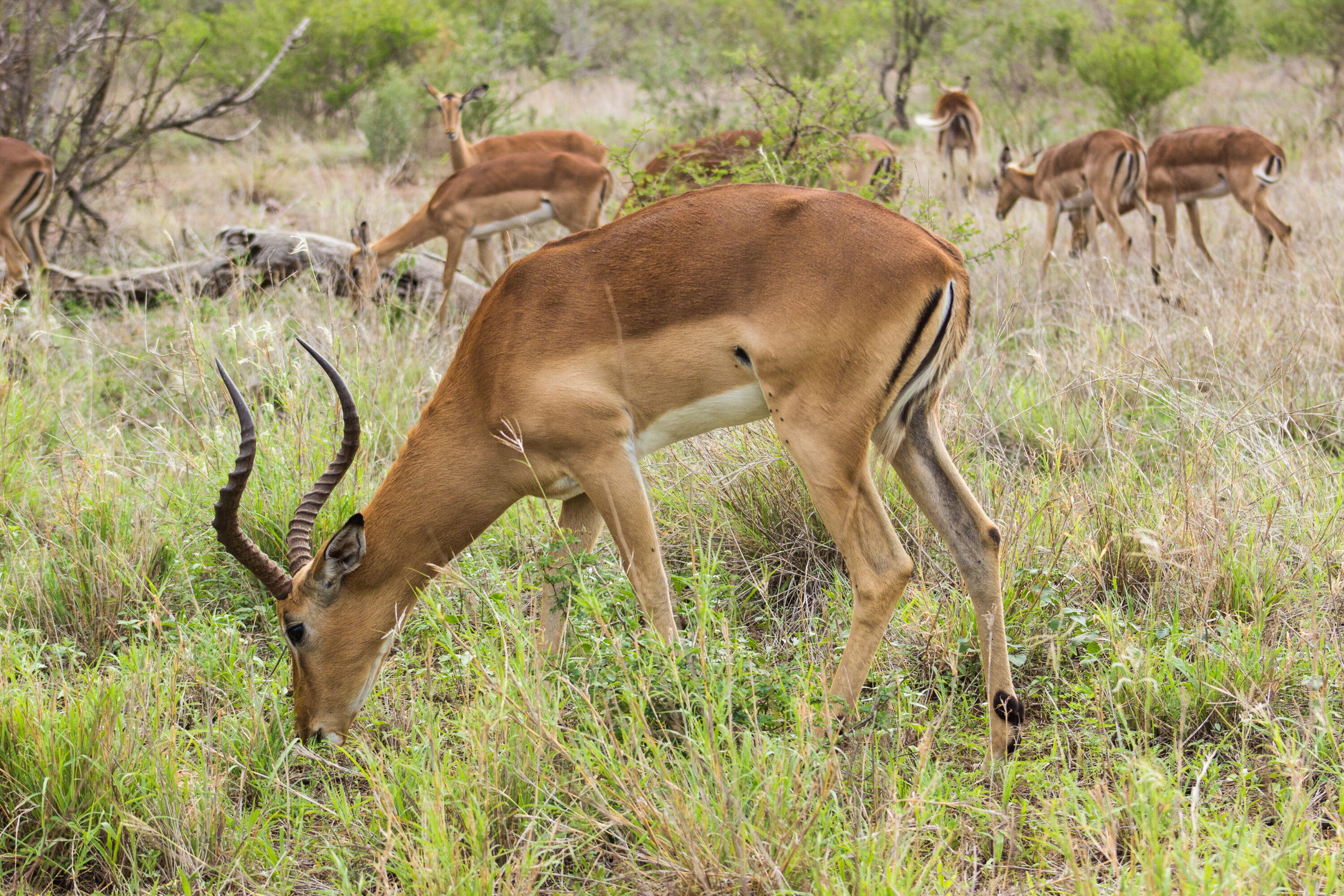
Impala fGCM Levels Were 57% Higher on Dry-Season Weekends in Four-Species Tourism Study
At Somabula, impala fGCM levels were about 57% higher over dry-season weekends than weekdays, while the other three…
Read story →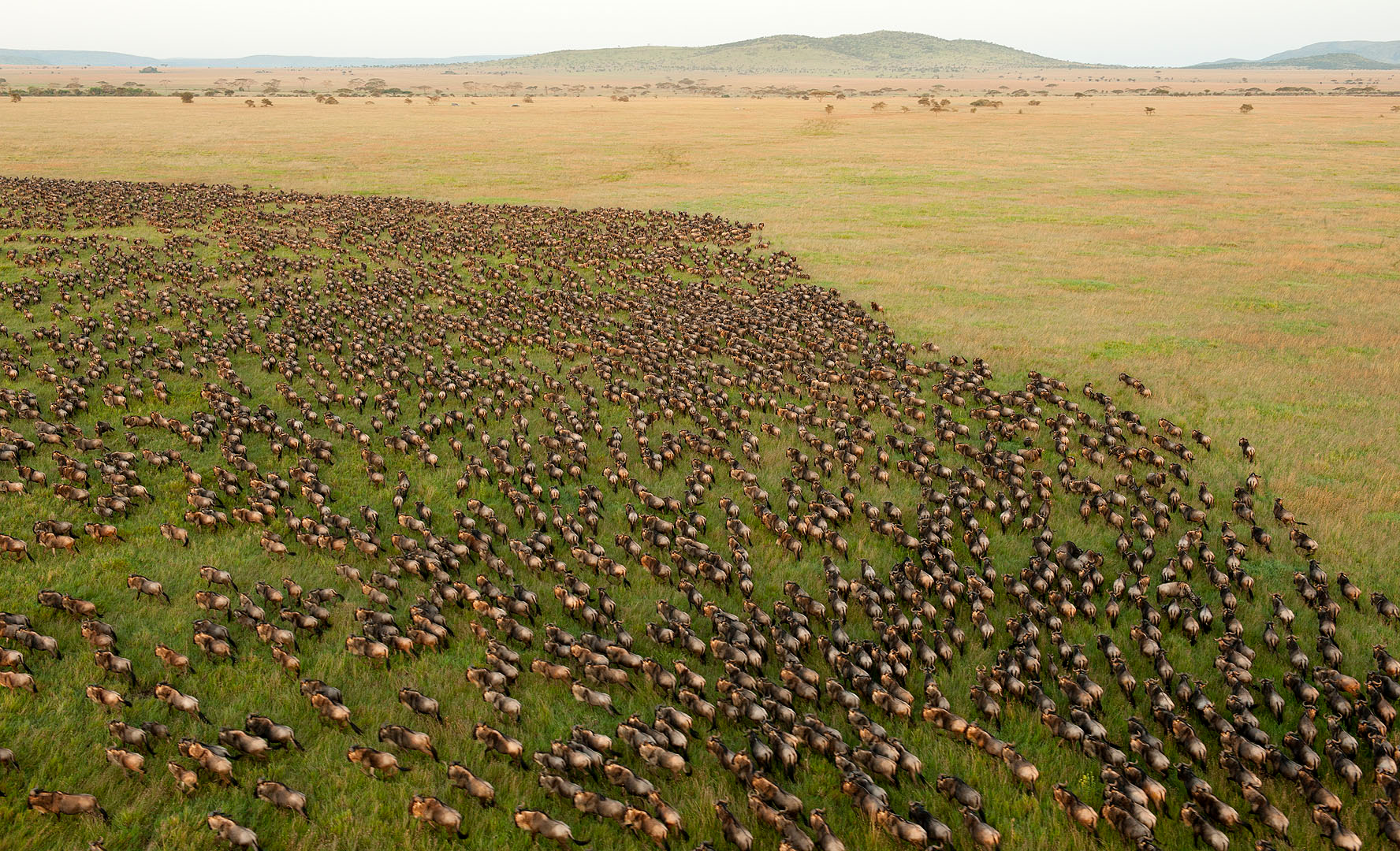
Buildings Were Linked to About 50% Lower Space Use by Migrating Serengeti Wildebeest
GPS data from 57 migrating wildebeest showed avoidance of buildings across the Serengeti–Mara ecosystem; modelled long-term use of…
Read story →SPECIES IN THIS STORY
Species in this story
Independent research and conservation news archive
Did you find this information useful?
Wildlife Vagabond is independently built and maintained. Voluntary support helps cover source verification, hosting and continued work on research and conservation news.
Support Wildlife VagabondThe news archive will remain freely available.