
Kentish Plover Chicks Changed Their Calls When Parents Were Absent
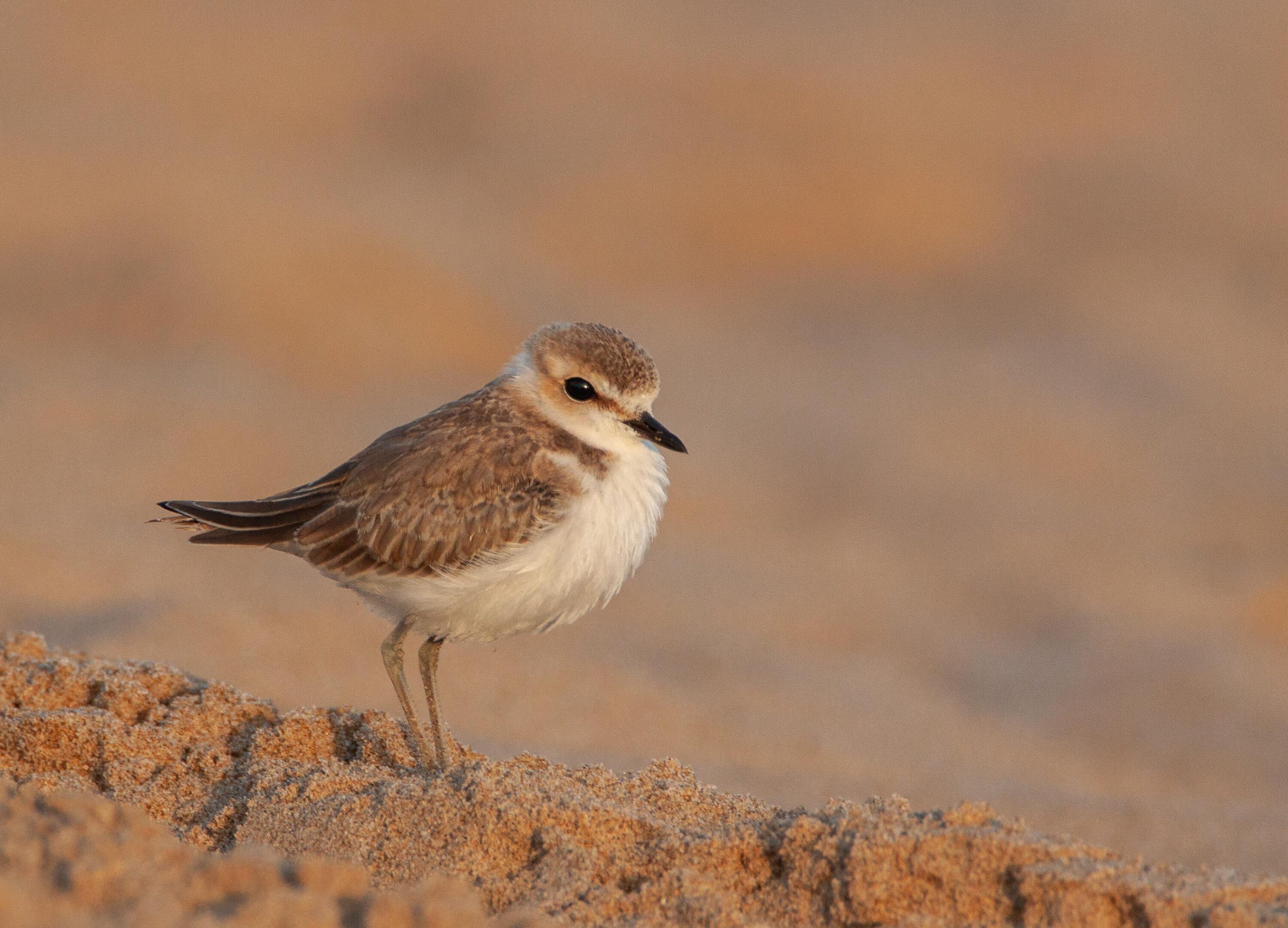
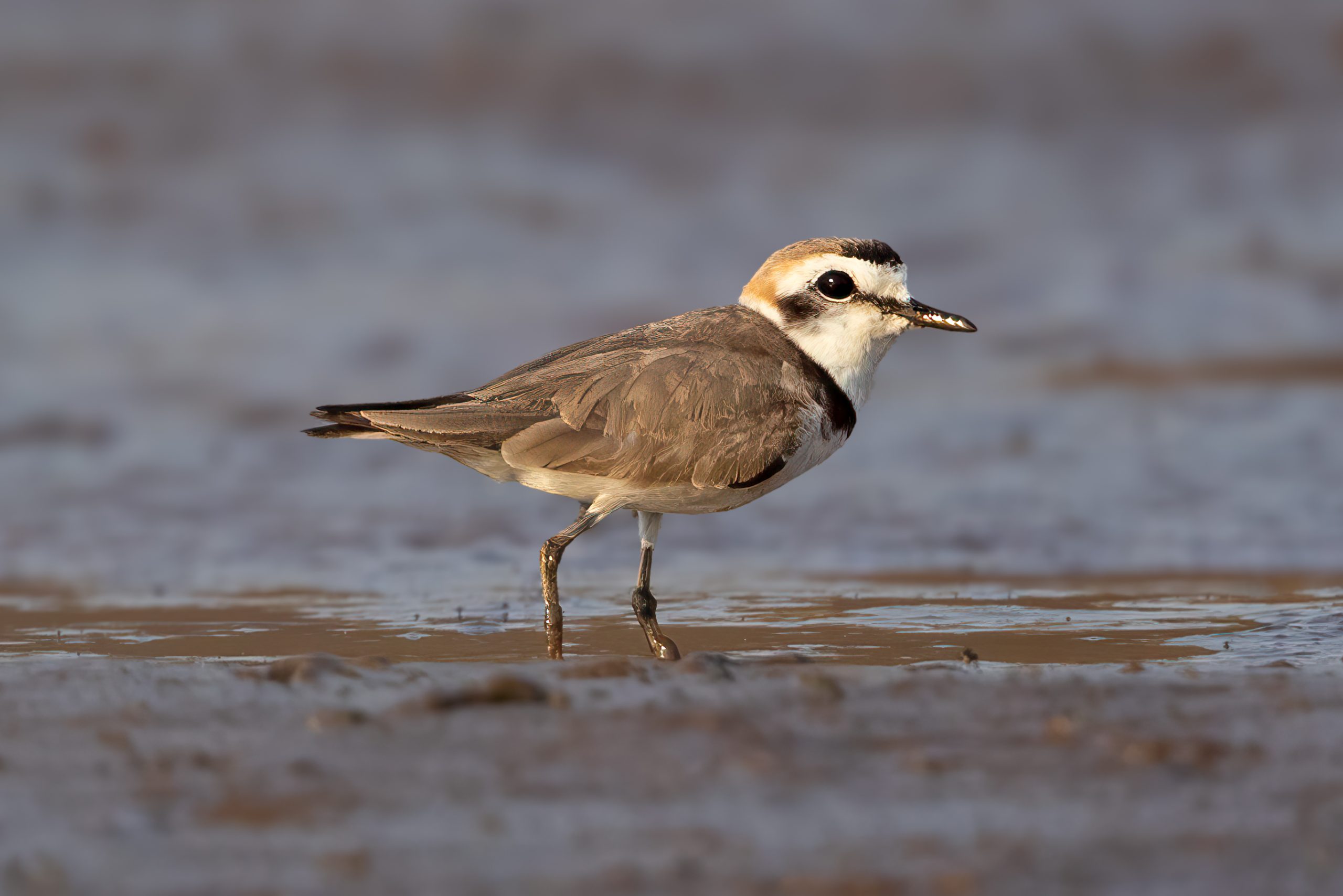
Kentish plover (Anarhynchus alexandrinus) chicks changed their vocal behaviour according to whether a parent was nearby, a South Korean study published in March 2026 found. Researchers recorded chicks both at nests and away from nests and classified their vocalisations into five call types.
The on-nest recordings covered about 49 hours, including 36.4 hours with a parent present and 8.8 hours without a parent. The researchers recorded 1,405 chick calls. Type V2 was the most frequent with 657 calls, followed by type Z with 377. Both V2 and Z were produced at higher rates when parents were absent.
Chicks shifted strongly toward type-Z calls away from parents
When chicks were recorded away from the nest in the presence of a human observer, 401 of 430 calls were type Z. Within Z calls, peak frequency was higher when parents were absent than when they were present. Calls recorded away from the nest had an even higher peak frequency and a narrower frequency bandwidth than calls recorded at the nest. The chicks therefore altered both call type and sound structure with context.
Chick calls were flexible rather than fixed
The authors interpret the patterns as evidence that chick vocalisations are flexible rather than a single general contact signal. The calls may help chicks maintain communication with parents, especially when separated from them. The authors also note that the higher frequencies and narrower bandwidth seen in higher-risk contexts could have communicative significance, but the study did not experimentally test the functions of the call types. They caution that human-observer exposure, habituation to recording equipment and age differences could not be fully disentangled.
Behaviour
Related news
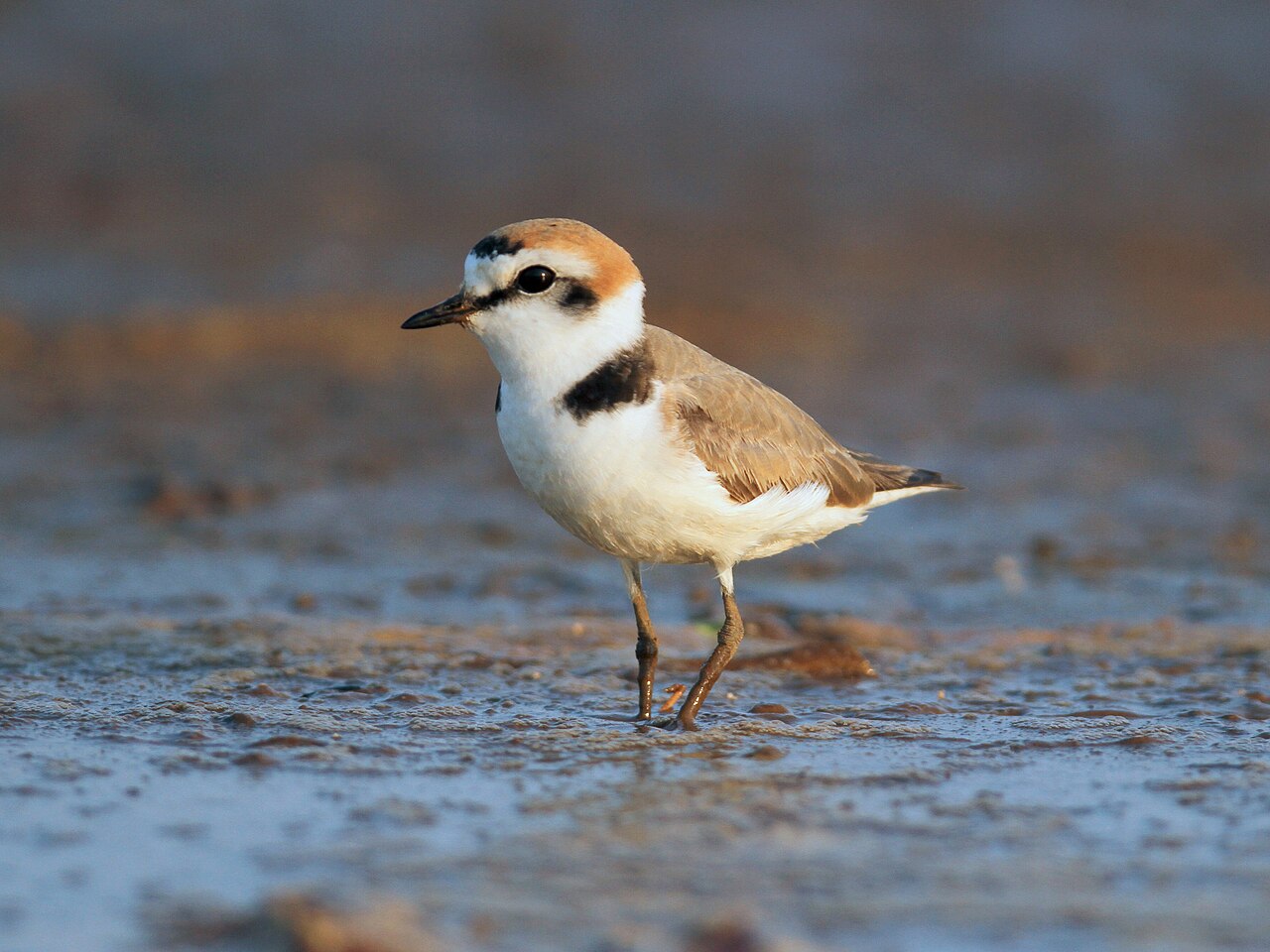
Kentish Plovers Chose More Open Nests as the Season Progressed
On Tunisia’s coast, Kentish Plovers nested increasingly in the open as the season progressed, despite expectations that they…
Read story →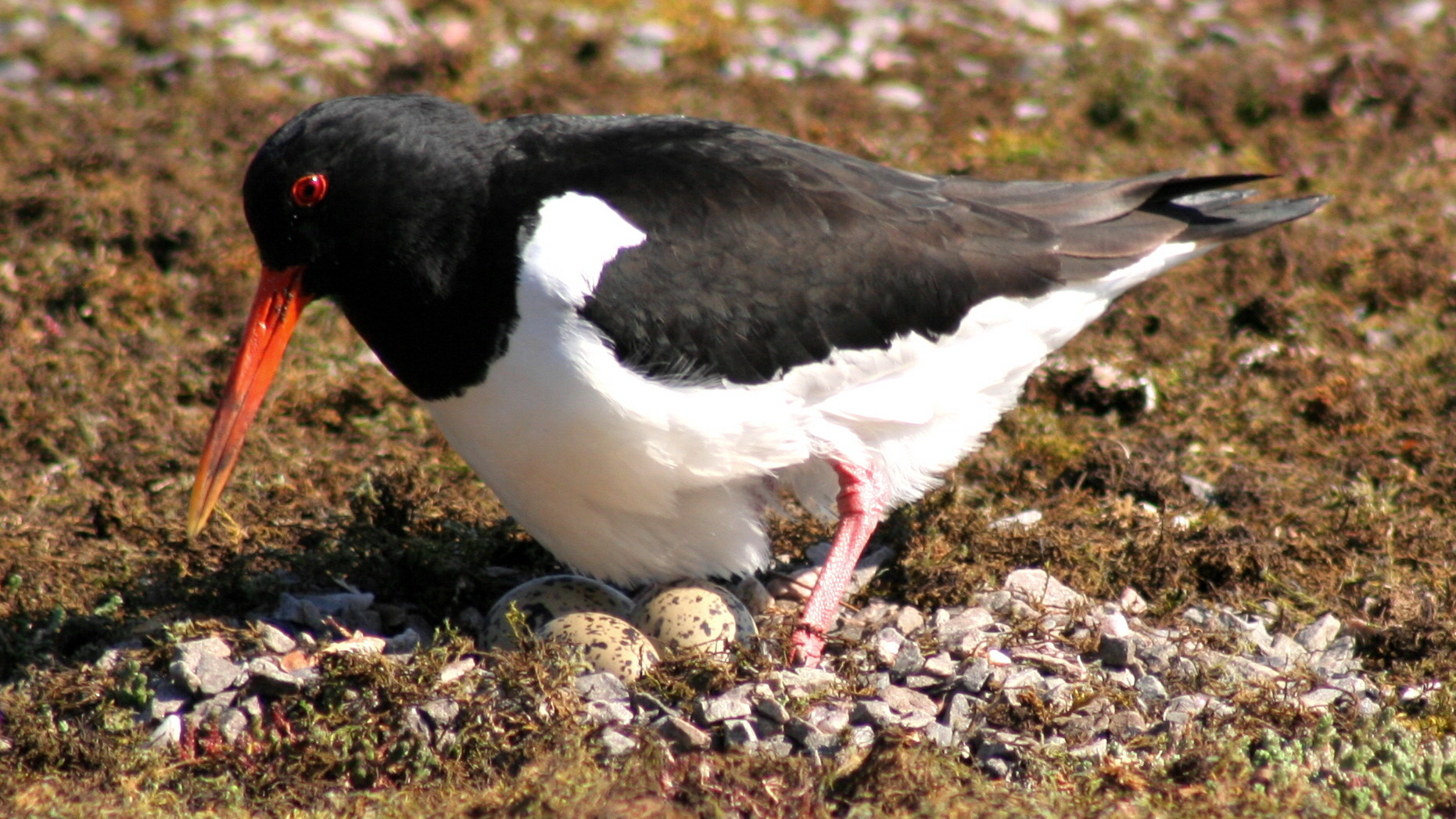
First Eurasian Oystercatcher Nest in Lazio Used an Active Kentish Plover Nest
Italy's first documented Eurasian oystercatcher nesting attempt in Lazio used an active Kentish plover nest and became the…
Read story →
Experts Grouped 34 Stakeholders Into Six Kentish Plover Conservation Roles
A 2026 study at Torre Flavia in central Italy used assessments from 13 experts to group 34 stakeholders…
Read story →SPECIES IN THIS STORY
Species in this story
Independent research and conservation news archive
Did you find this information useful?
Wildlife Vagabond is independently built and maintained. Voluntary support helps cover source verification, hosting and continued work on research and conservation news.
Support Wildlife VagabondThe news archive will remain freely available.