
Kentish Plover Diet Differed Sharply Across Sand Beach, Mudflat and Mangrove Habitats
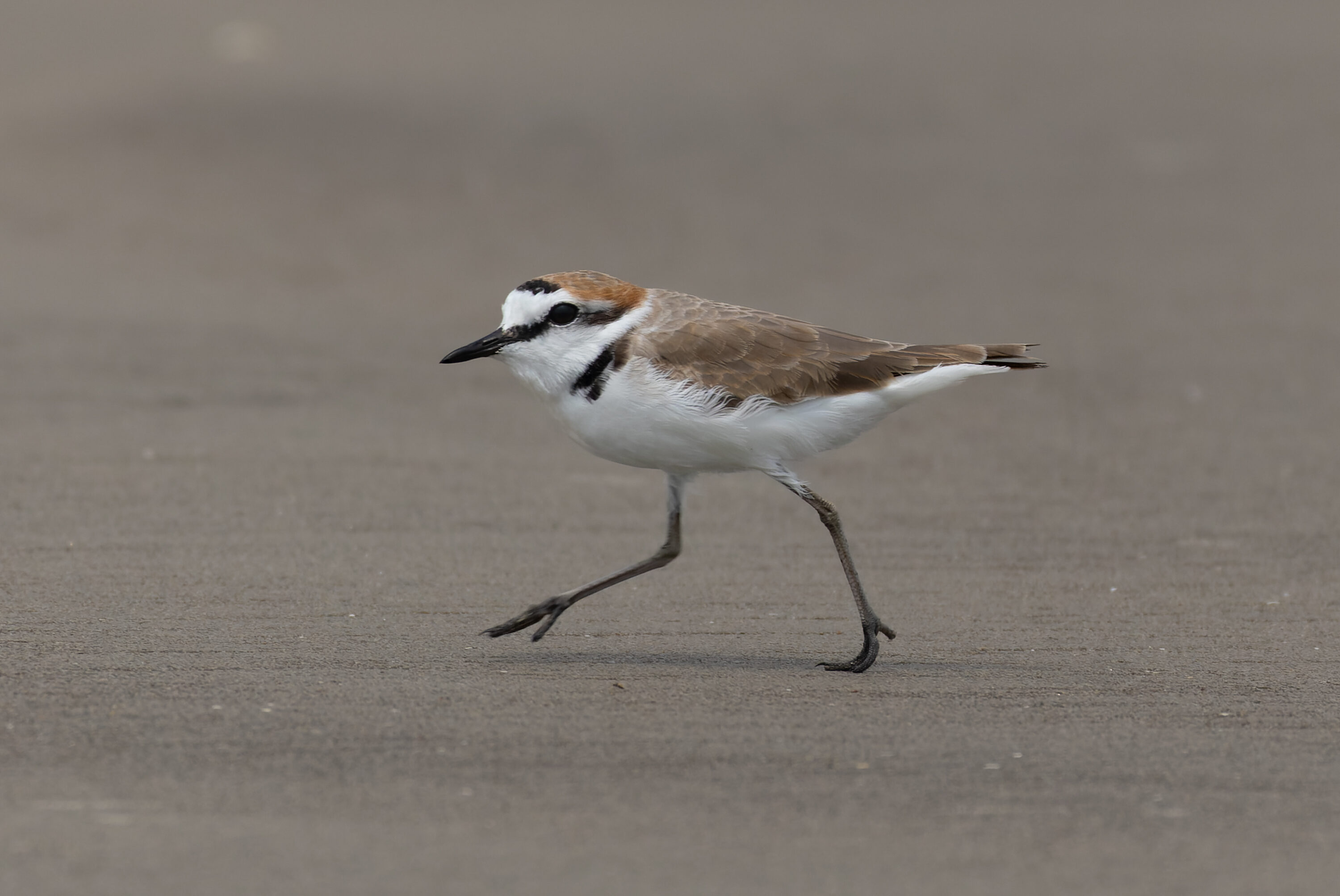
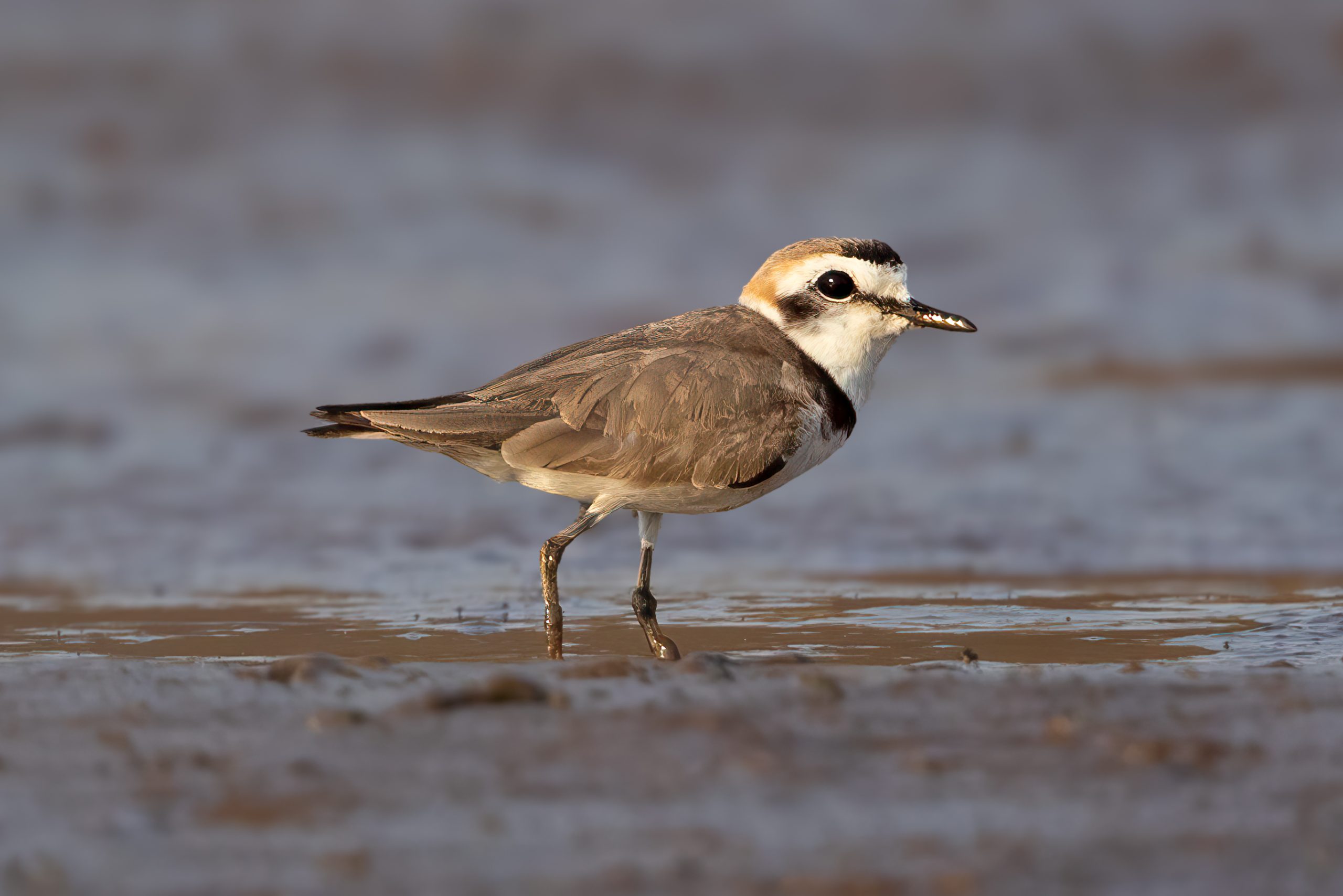
Kentish plover (Anarhynchus alexandrinus) diets differed strongly among three neighbouring coastal habitats at Kadalundi-Vallikkunnu Community Reserve on the west coast of India. From 2022 to 2024, researchers counted the birds, analysed undigested prey remains in droppings and sampled bottom-dwelling invertebrates in mudflats, mangroves and an adjacent sand beach.
Each habitat produced a different diet
Sand crabs dominated the diet on the sand beach. In mudflats and mangroves, polychaete worms and small crabs formed the main prey groups. These habitat differences remained broadly stable through the three-year study, even though the local prey communities themselves differed strongly among habitats.
Prey abundance alone did not predict what the birds ate
The researchers compared the relative abundance of major prey groups in the sediment with their representation in the droppings. This electivity analysis asks whether a prey group is eaten more, less or roughly as often as its local abundance would predict. Polychaetes were positively selected in mudflats and mangroves, while sand crabs showed the strongest positive selection on the beach.
Local prey abundance therefore did not explain diet composition by itself. The authors interpret the result as habitat-specific selective foraging: prey accessibility — whether birds can reach, detect and handle a prey type in a particular habitat — may matter more for realised diet than the simple number of prey animals present in sediment samples.
Kentish plovers were also more abundant on the sand beach than in the other two habitats, and observed numbers declined consistently over the study period. This was a separate abundance pattern; the study does not show that the dietary differences caused the decline.
Ecology
Related news
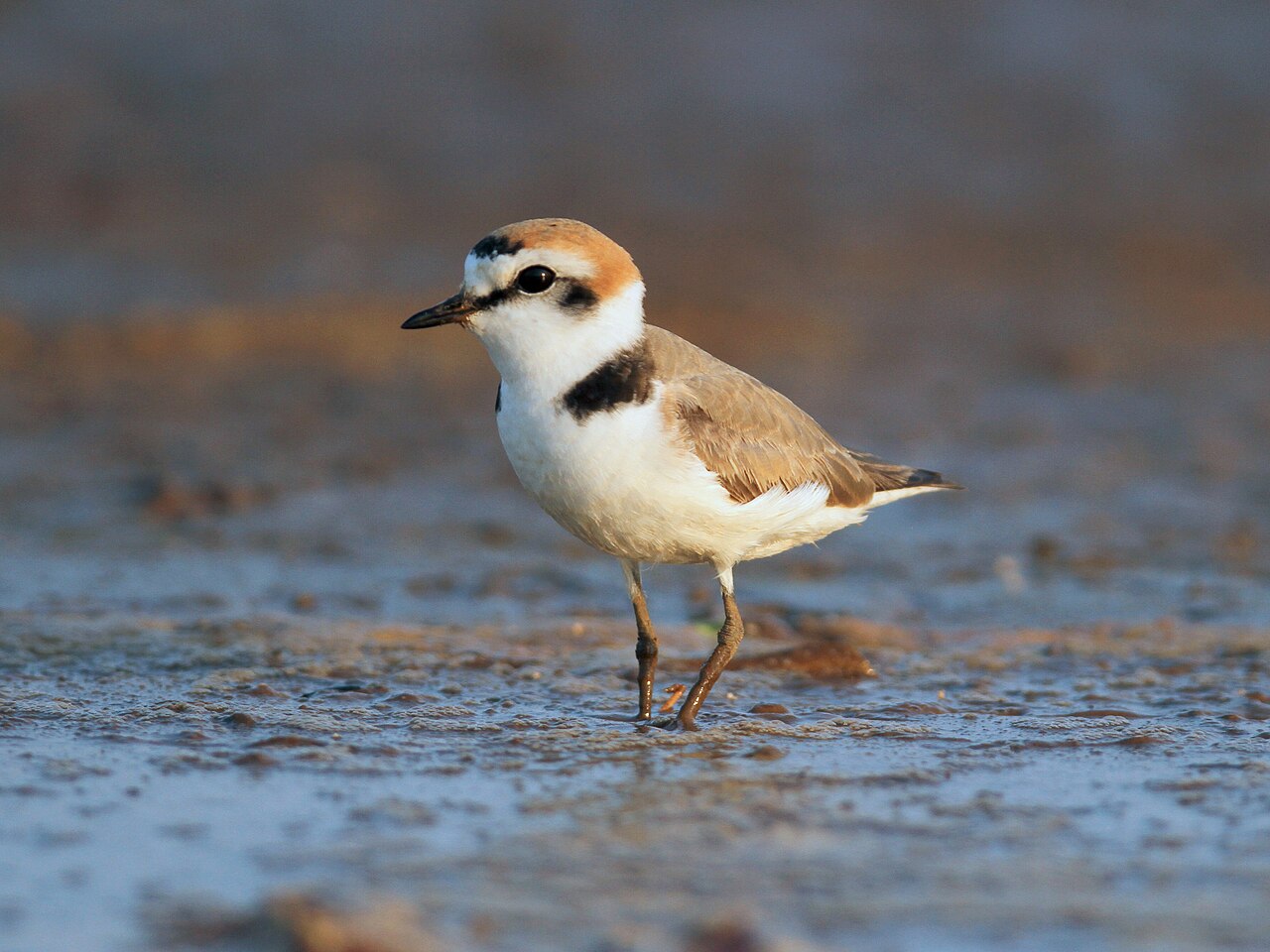
Kentish Plovers Chose More Open Nests as the Season Progressed
On Tunisia’s coast, Kentish Plovers nested increasingly in the open as the season progressed, despite expectations that they…
Read story →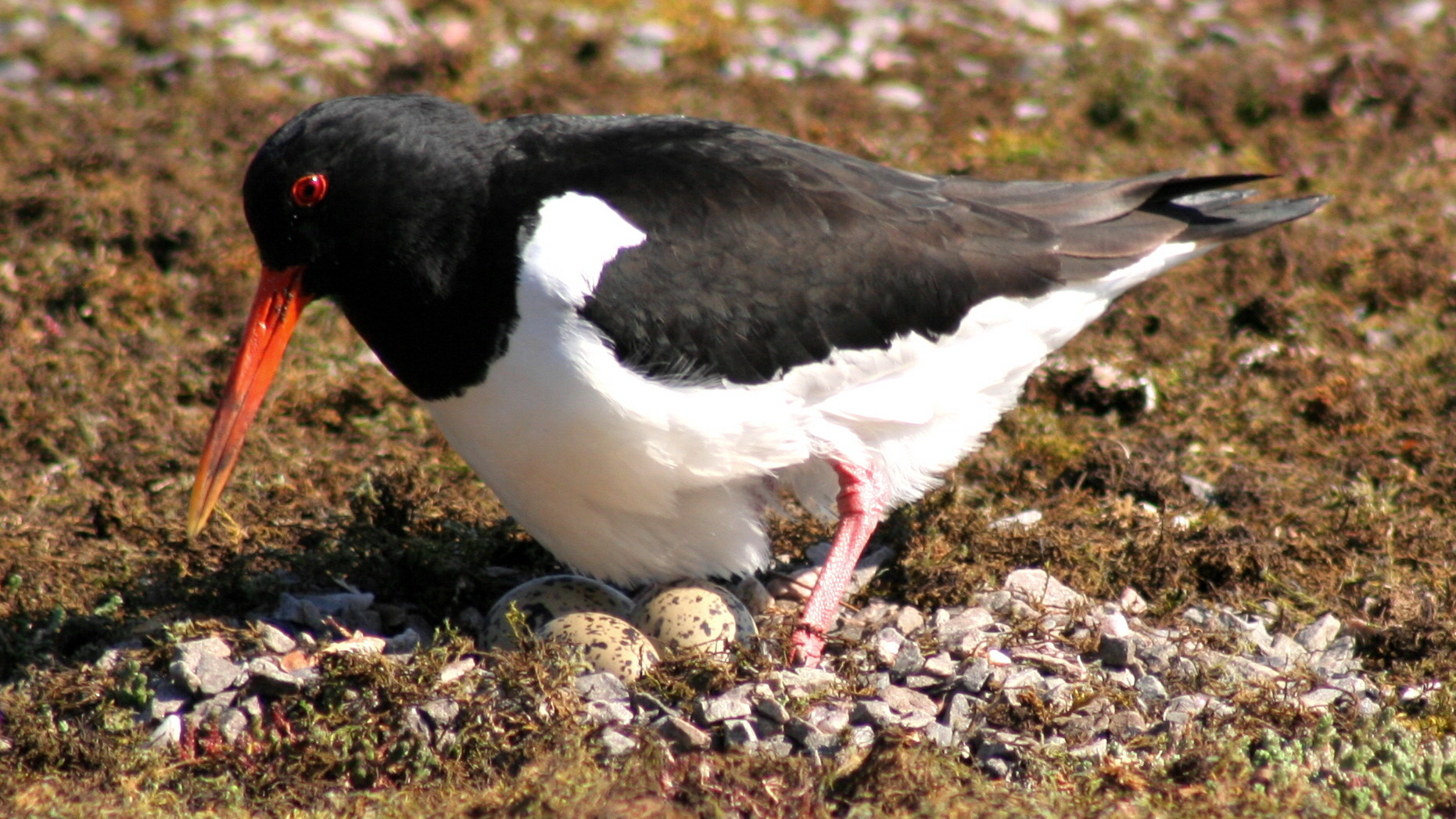
First Eurasian Oystercatcher Nest in Lazio Used an Active Kentish Plover Nest
Italy's first documented Eurasian oystercatcher nesting attempt in Lazio used an active Kentish plover nest and became the…
Read story →
Experts Grouped 34 Stakeholders Into Six Kentish Plover Conservation Roles
A 2026 study at Torre Flavia in central Italy used assessments from 13 experts to group 34 stakeholders…
Read story →SPECIES IN THIS STORY
Species in this story
Independent research and conservation news archive
Did you find this information useful?
Wildlife Vagabond is independently built and maintained. Voluntary support helps cover source verification, hosting and continued work on research and conservation news.
Support Wildlife VagabondThe news archive will remain freely available.