
Korean Survey Found M. bovis Antibodies in 5.9% and M. avium in 7.7% of Wild Boar
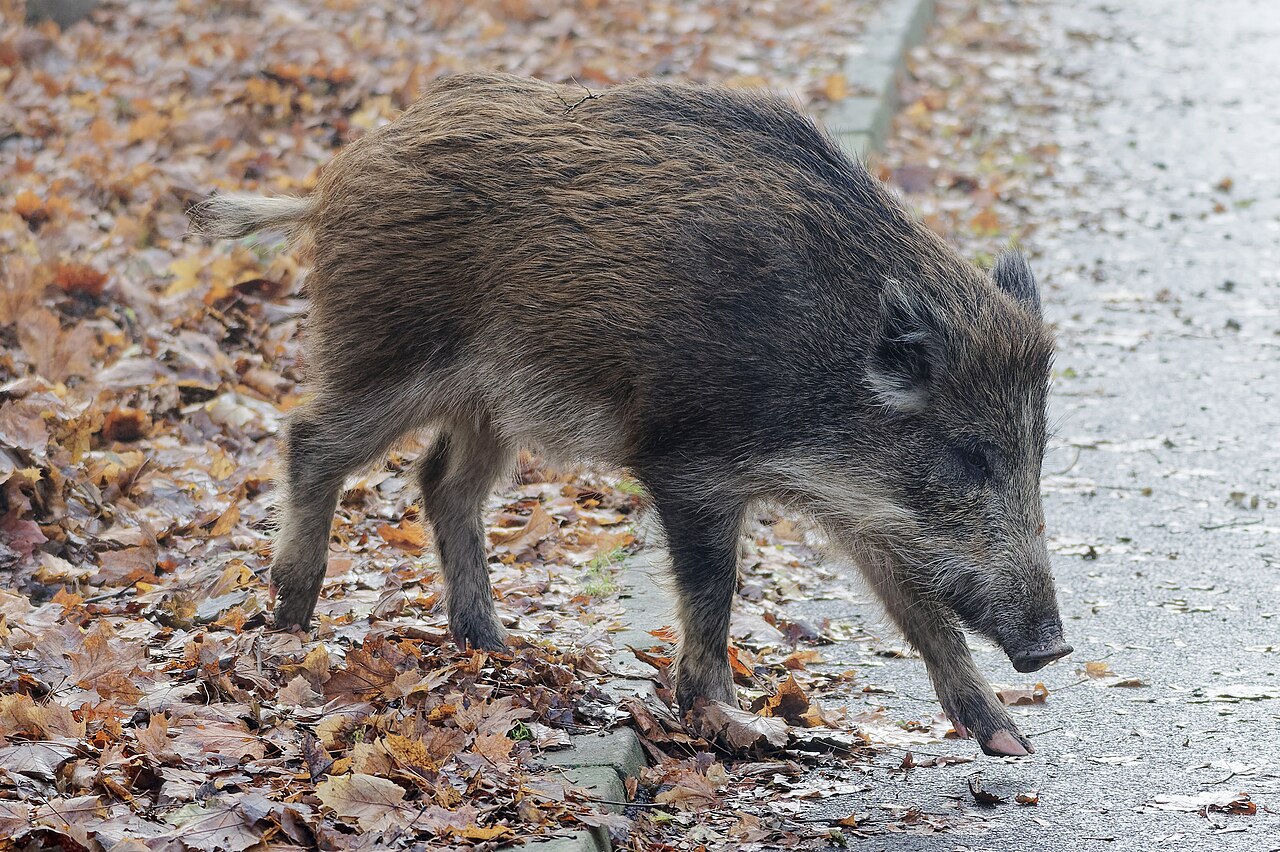
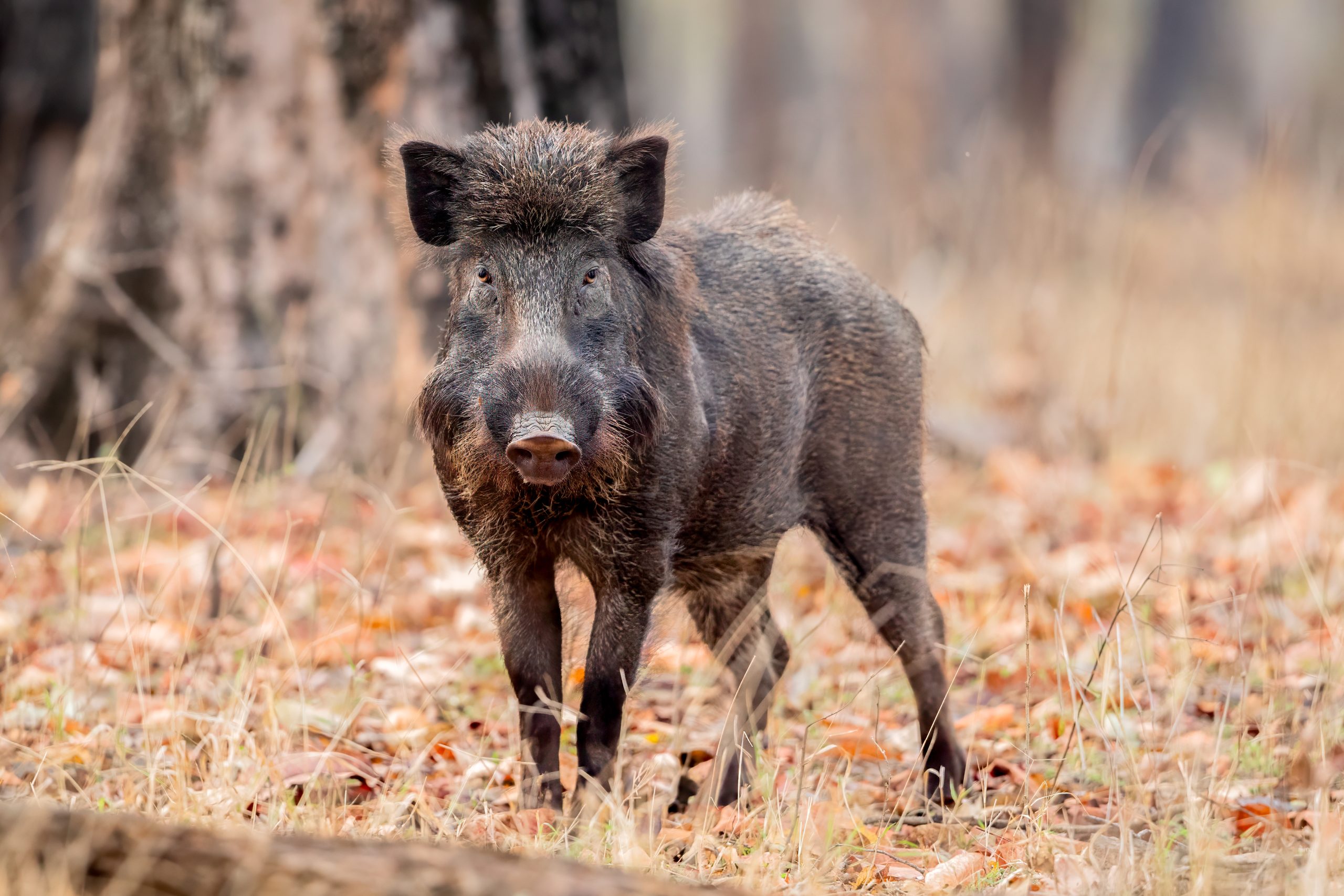
A nationwide serological survey of wild boar (Sus scrofa) in the Republic of Korea found antibodies to Mycobacterium bovis in 69 of 1,168 animals and antibodies to Mycobacterium avium in 90. These results corresponded to apparent seroprevalence estimates of 5.9% and 7.7%, respectively.
M. bovis causes bovine tuberculosis, while M. avium belongs to a group of environmental, non-tuberculous mycobacteria that can infect animals and people. Monitoring both therefore helps show how mycobacterial exposure is distributed across the livestock–wildlife interface.
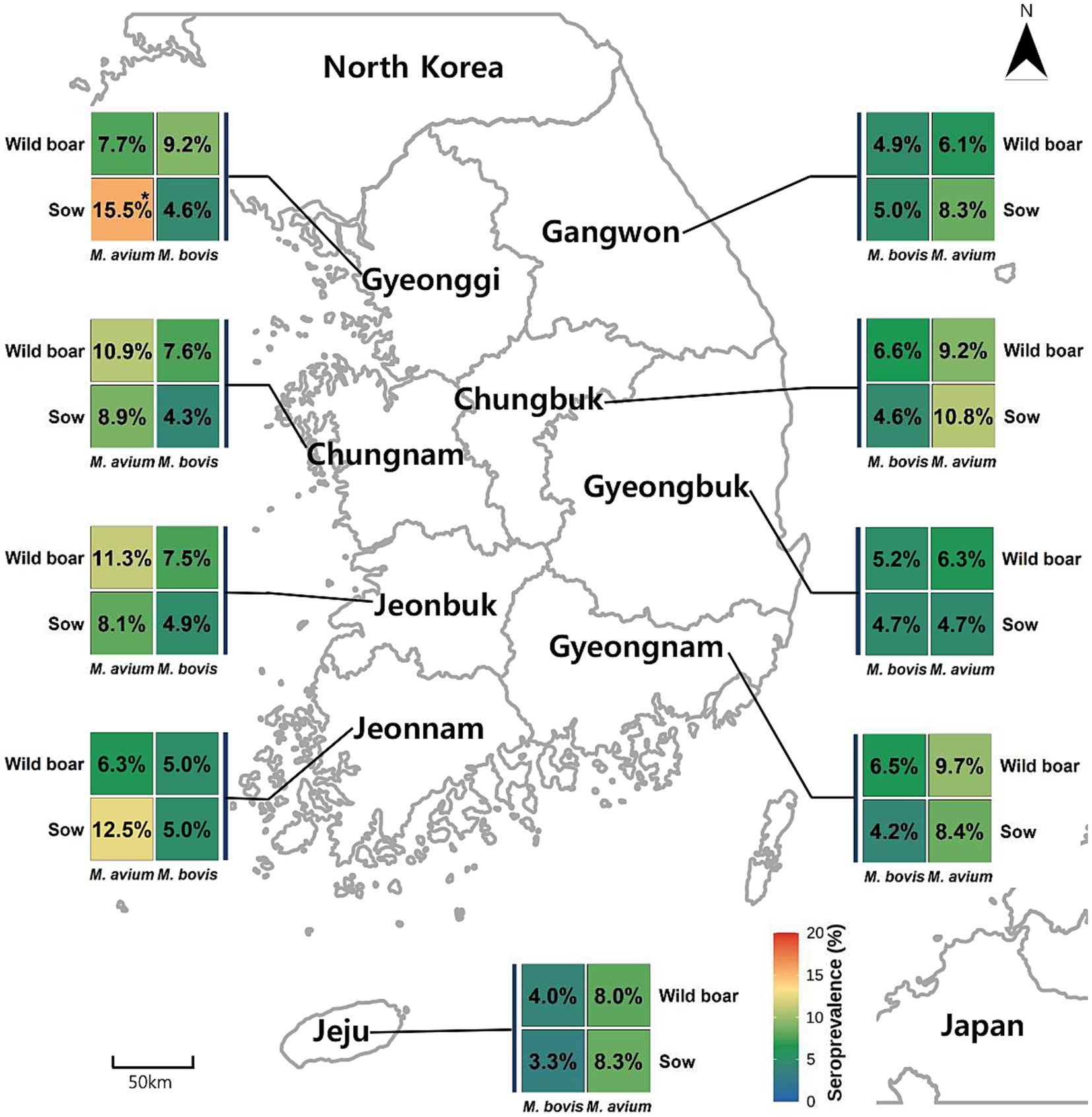
Samples were collected between February 2023 and November 2024 across nine administrative provinces. The same study also tested 1,366 domestic sows, allowing the researchers to compare mycobacterial exposure at the livestock–wildlife interface. Among wild boar, provincial estimates ranged from 4% to 9.2% for M. bovis and from 6.1% to 11.3% for M. avium, but there were no clear province-level differences in the wild-boar sample.
Antibodies indicated exposure, not active infection
The ELISA tests measured antibodies, so the results indicate exposure rather than active infection. The authors therefore describe the percentages as apparent seroprevalence and note that serology alone cannot establish whether an animal was carrying viable mycobacteria when sampled.
The researchers present the survey as the first nationwide serological assessment of M. bovis and M. avium exposure in Korean domestic pigs and wild boar. They argue that the findings provide a baseline for following mycobacterial exposure across the livestock–wildlife interface and for combining serology with other diagnostic approaches in future surveillance.
Disease, parasites & microbiology
Related news
Maps Show Where Wild Boar Could Thrive and Spread on Jeju Island
Researchers mapped potentially suitable wild-boar habitat across roughly 36% of Jeju Island and identified eight possible corridors linking…
Read story →
Roe Deer and Wild Boar Remained Key Wolf Prey as Diet Shifted Across North-western Italy
From 2021 to 2025, wolves in north-western Italy continued to feed mainly on wild prey. In the Po…
Read story →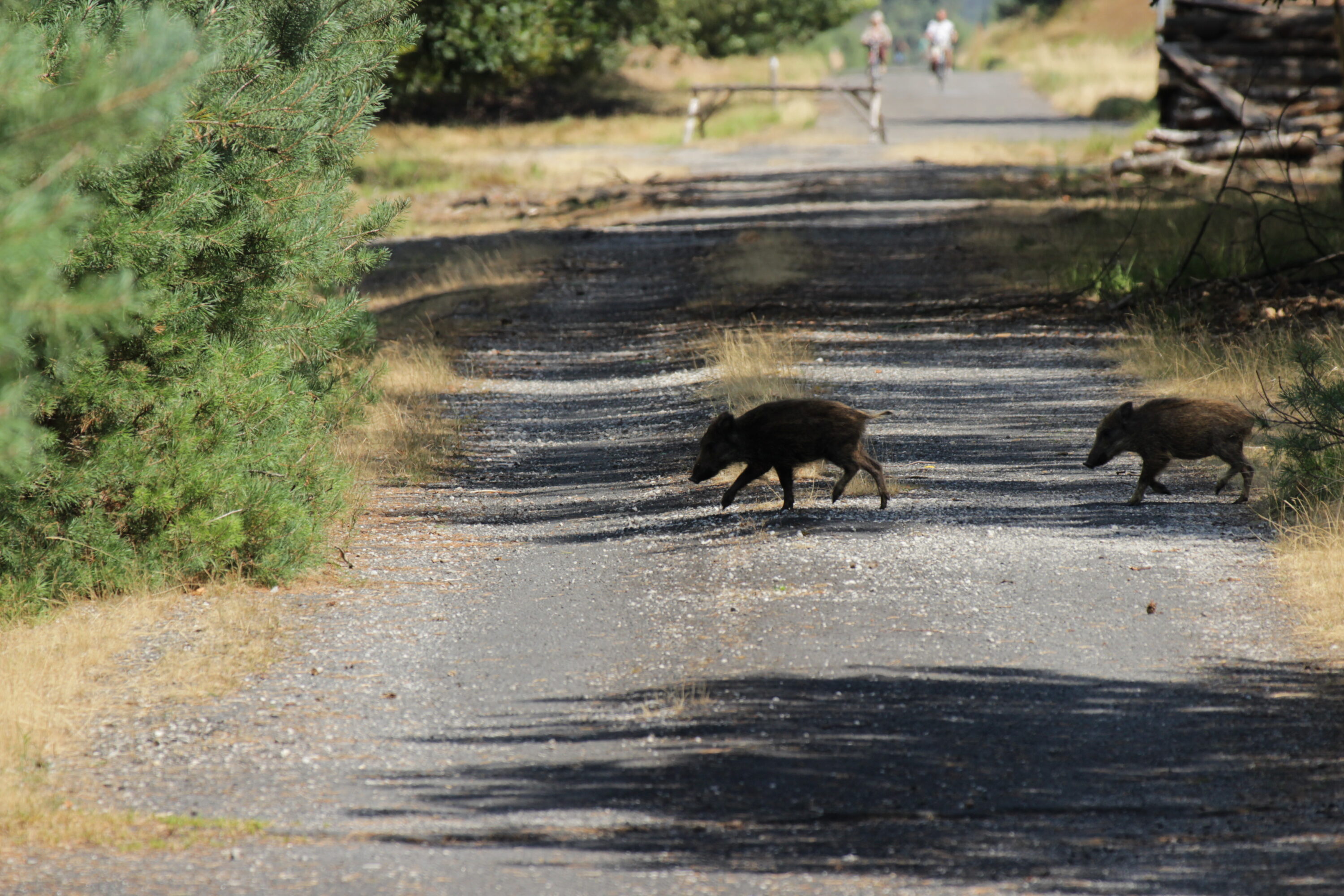
Copper levels in wild boar differed across Slovak districts
An analysis of kidney, liver and muscle from 147 wild boar in four districts found that iron and…
Read story →SPECIES IN THIS STORY
Species in this story
Independent research and conservation news archive
Did you find this information useful?
Wildlife Vagabond is independently built and maintained. Voluntary support helps cover source verification, hosting and continued work on research and conservation news.
Support Wildlife VagabondThe news archive will remain freely available.