
107 of 123 Laughing Dove Nests Were on Human Structures in a Ghanaian Urban Study
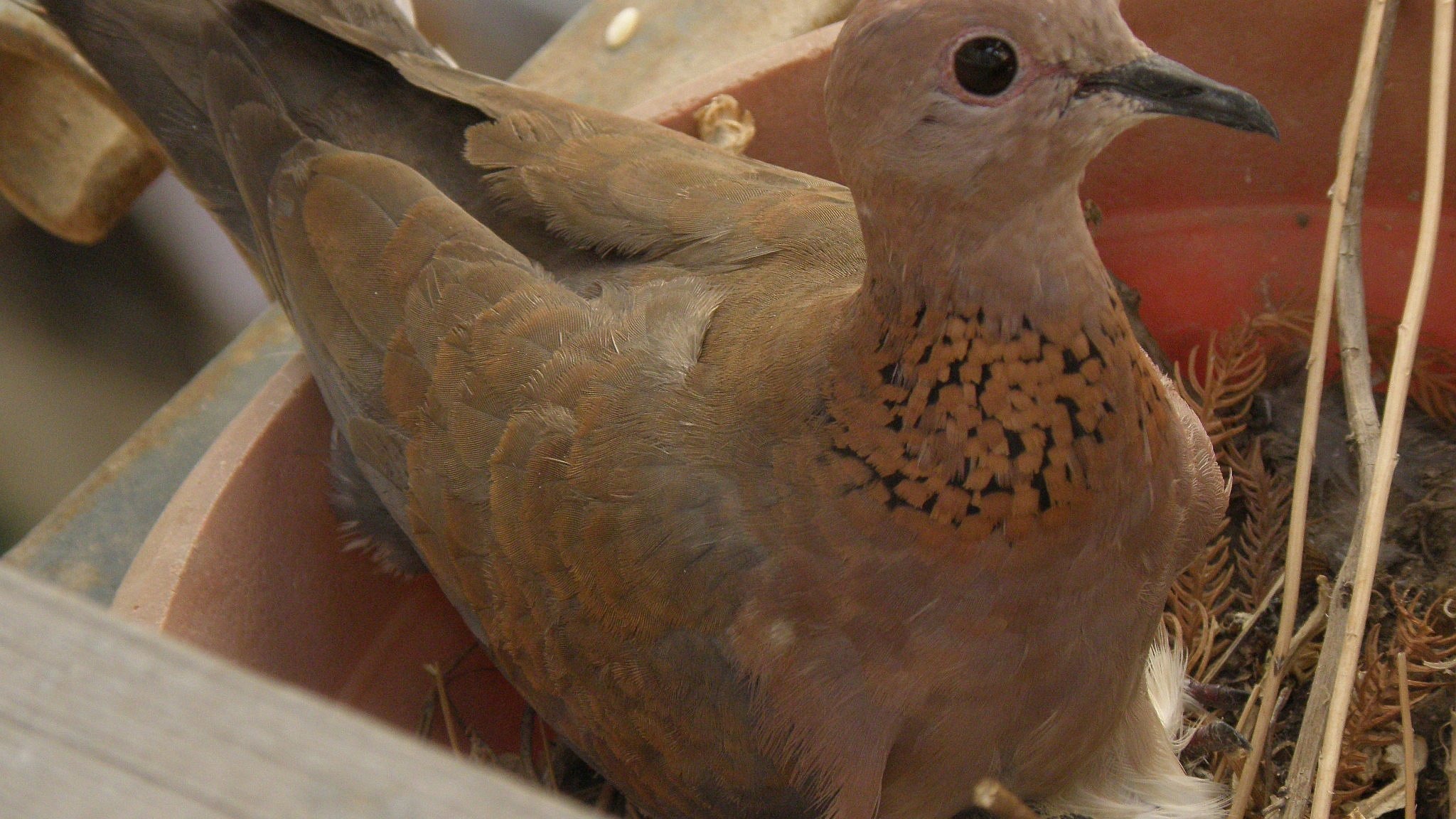
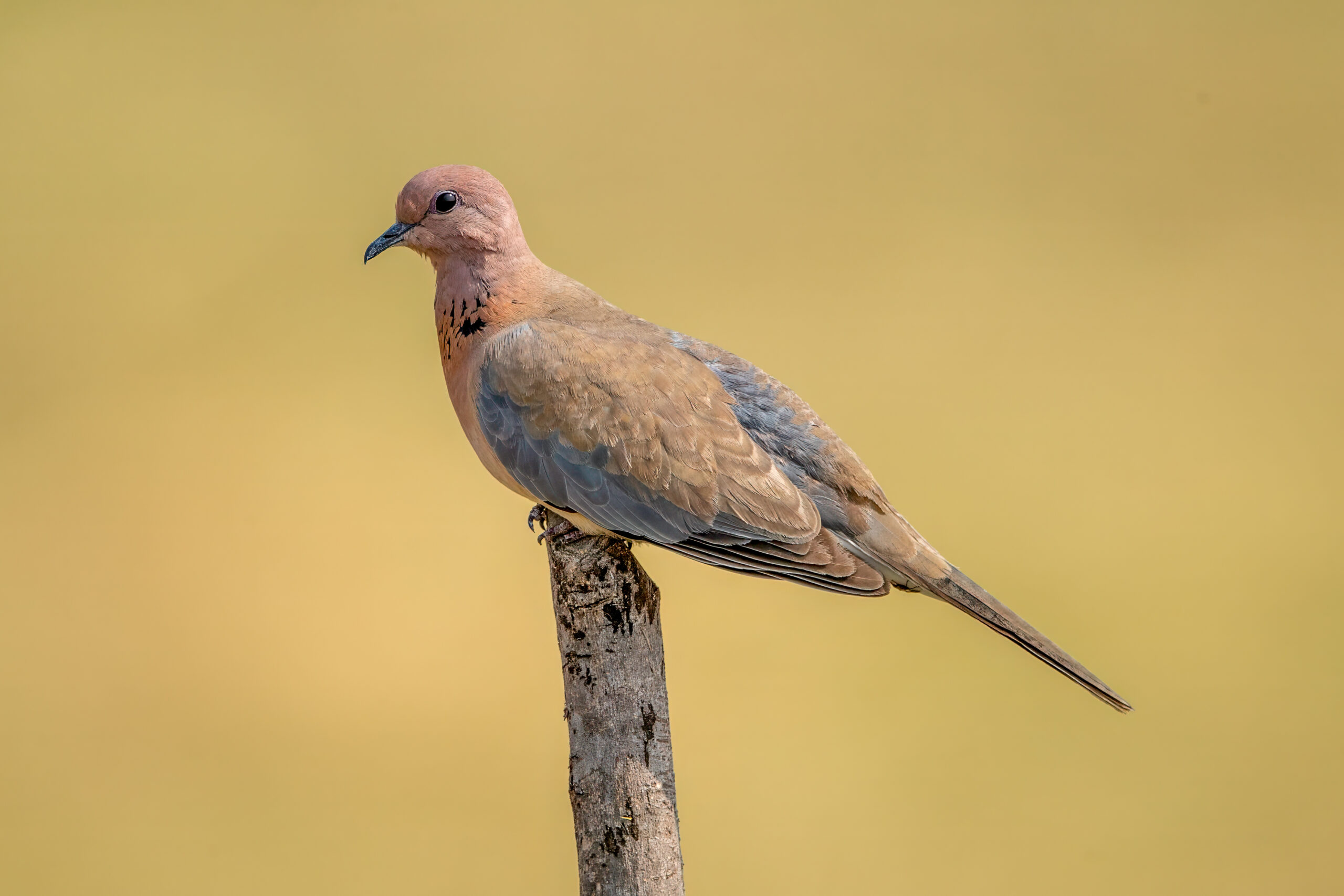
A study of laughing doves (Spilopelia senegalensis) in an urban landscape in Ghana found that most nests were placed on buildings and other human-made structures rather than in trees. The study was published on 18 March 2026 in Cities and the Environment.
Researchers identified and mapped 123 laughing dove nests and compared nest-site choice and breeding success between human structures and trees. They also recorded the materials used in nests and followed breeding attempts to determine whether nests contained eggs, whether the eggs hatched and whether chicks fledged.
Of the 123 nests, 107 were on human-made structures and only 16 were in trees
Of the 123 nests, 107 were on human-made structures and 16 were in trees. Around three-quarters of the recorded clutches contained two eggs.
120 of 127 recorded chicks fledged
The researchers recorded 127 chicks in total, of which 120 successfully fledged. The probability of finding eggs, successful hatching and successful fledging was significantly higher in nests on human structures than in nests in trees.
The authors interpret the pattern as evidence that laughing doves are making effective use of nesting opportunities created by urban development. Sheltered ledges, cavities and similar structures may provide relatively stable nesting sites in fragmented urban habitats.
Based on the results, the researchers recommend retaining or incorporating sheltered nesting spaces on human-made structures where appropriate. They also suggest timing building maintenance and vegetation pruning outside the birds’ breeding periods so that active nests are less likely to be disturbed.
Reproduction & development
Related news
Laughing Dove Eye Pecten Mapped From 12–13 Pleats to Cell Markers
Researchers mapped the pecten oculi, a vascular structure unique to bird eyes, in the laughing dove. Its 12–13…
Read story →
Progressive Greying Recorded in a Laughing Dove in Asia for the First Time
An adult laughing dove photographed in Karnataka, India, had localised white feathers on the head and shoulder region.…
Read story →
Laughing Dove Preen Secretions Showed Strong Antimicrobial Activity
A 2026 comparative study found that laughing doves had the thinnest epidermis of three bird species and that…
Read story →SPECIES IN THIS STORY
Species in this story
Independent research and conservation news archive
Did you find this information useful?
Wildlife Vagabond is independently built and maintained. Voluntary support helps cover source verification, hosting and continued work on research and conservation news.
Support Wildlife VagabondThe news archive will remain freely available.