
Haemoproteus Was the Most Common Blood Parasite in Laughing Doves Sampled in Ibadan
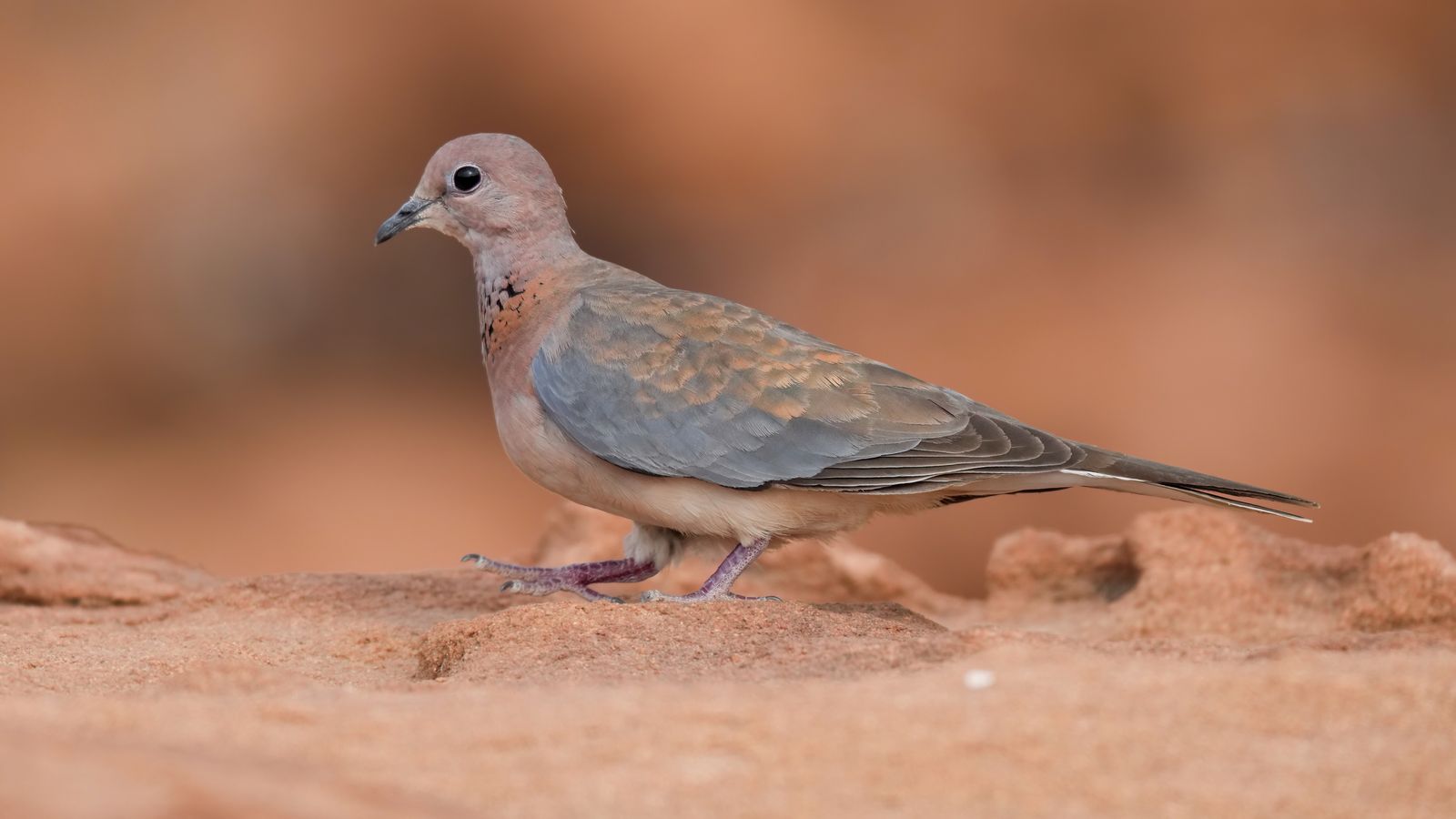
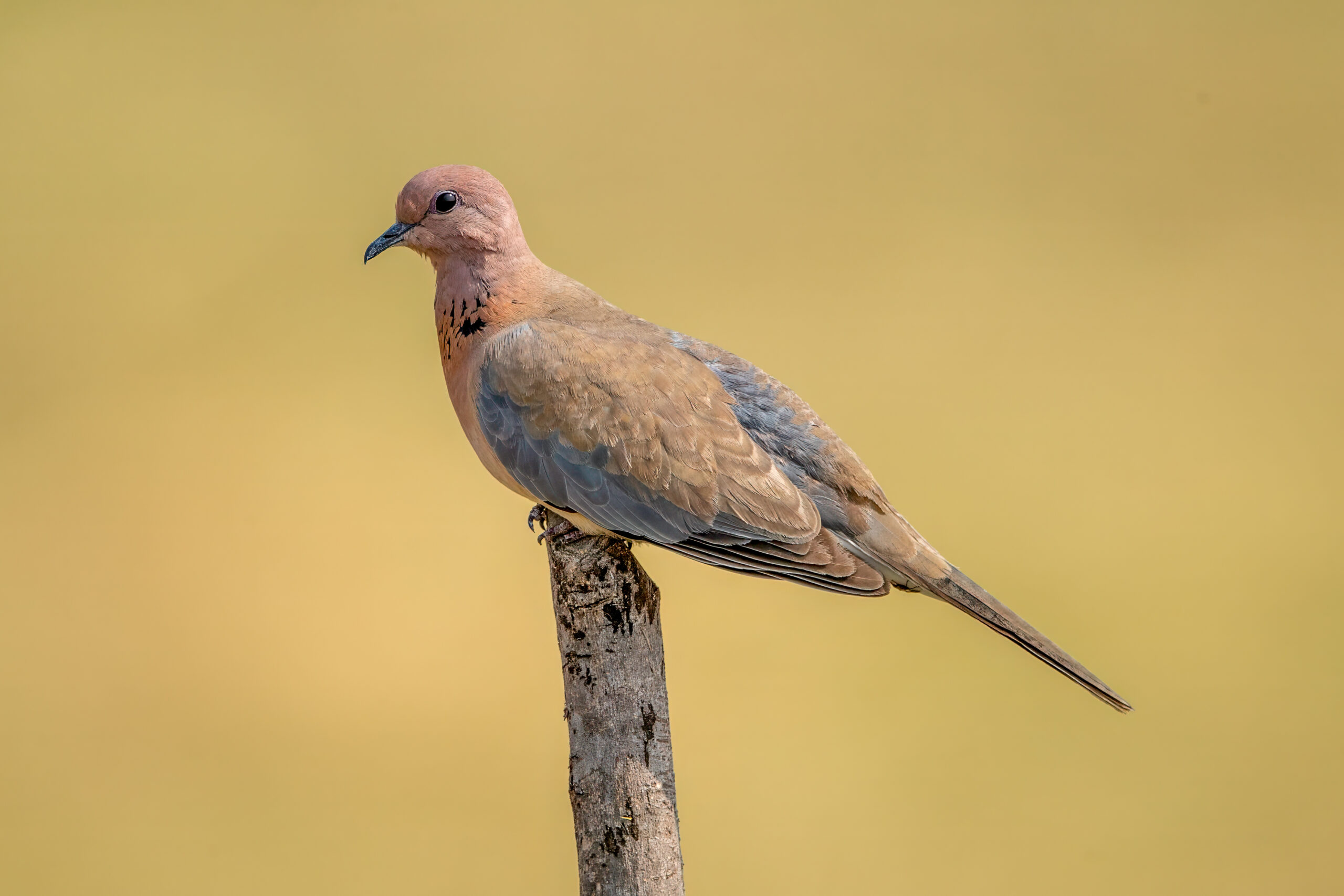
A study of laughing doves (Spilopelia senegalensis) captured on the University of Ibadan campus in Nigeria found a diverse community of external, blood and intestinal parasites. The study was published on 18 April 2026 in Tradition and Modernity in Veterinary Medicine.
The researchers captured 20 birds—16 males and four females—at ten points on the university campus between October and December 2024. They collected external parasites and examined blood, the gastrointestinal tract and faeces for other parasite groups. The small and strongly male-biased sample is important when interpreting the percentages.
Haemoproteus was detected in 65% of the birds
The most prevalent blood parasite was Haemoproteus, a group of single-celled parasites that live in birds’ blood, detected in 65% of the examined birds. Feather mites in the genus Megninia, which live externally in the plumage, were the most common ectoparasites, occurring in 60% of the birds.
Eimeria oocysts occurred in 90% of intestinal samples
Single-celled intestinal parasites in the genus Eimeria were especially frequent in the gastrointestinal samples. Oocysts—the resistant stages shed by these parasites—were detected in 90% of intestinal-content samples and in 25% of faecal samples.
Because only 20 birds were examined, and 16 were males, these percentages describe this small campus sample rather than population-wide parasite prevalence in laughing doves around Ibadan. The study nevertheless shows that individual doves in this urban environment can host blood, external and intestinal parasites at the same time.
Disease, parasites & microbiology
Related news
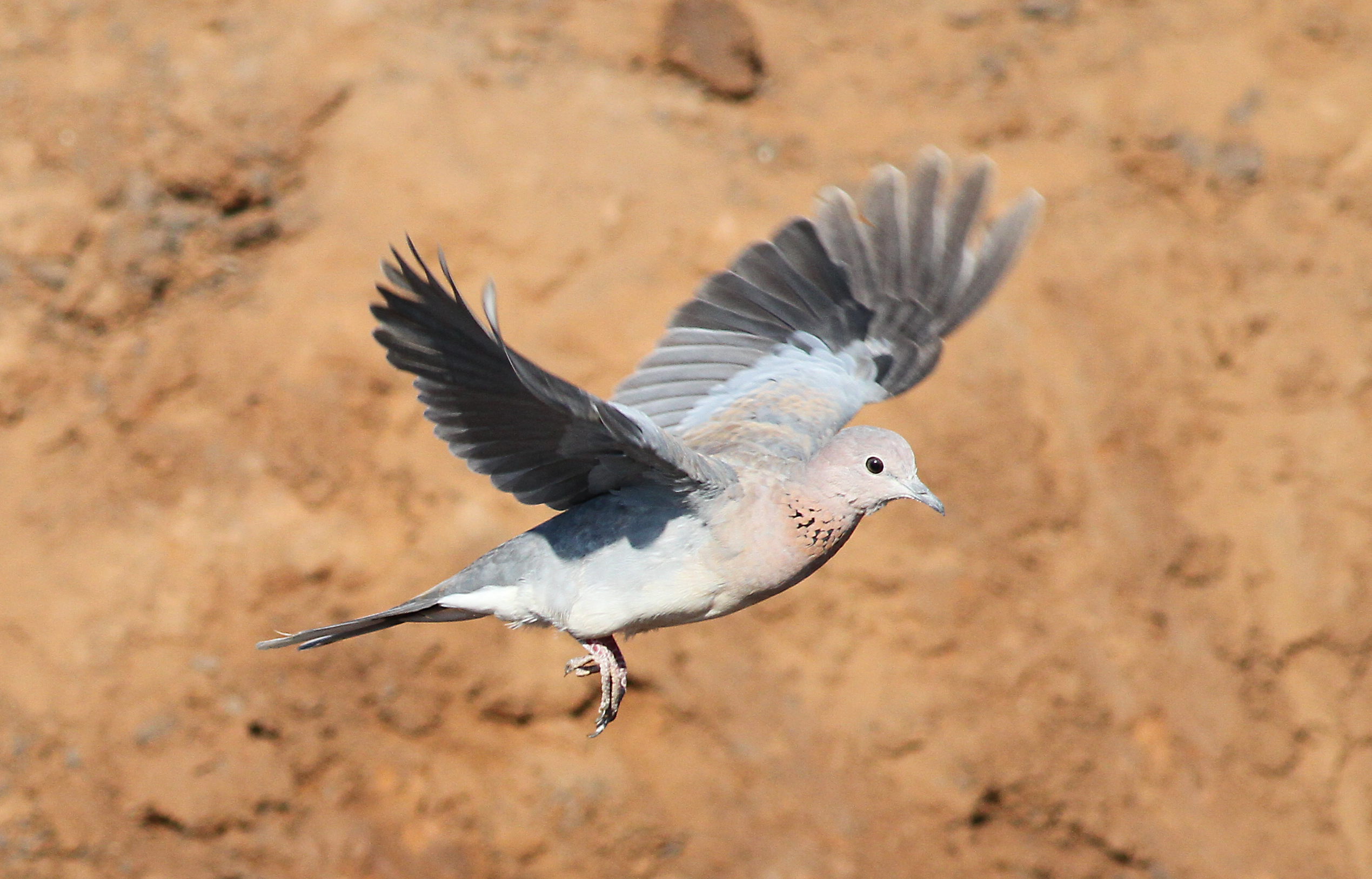
Laughing Dove Eye Pecten Mapped From 12–13 Pleats to Cell Markers
Researchers mapped the pecten oculi, a vascular structure unique to bird eyes, in the laughing dove. Its 12–13…
Read story →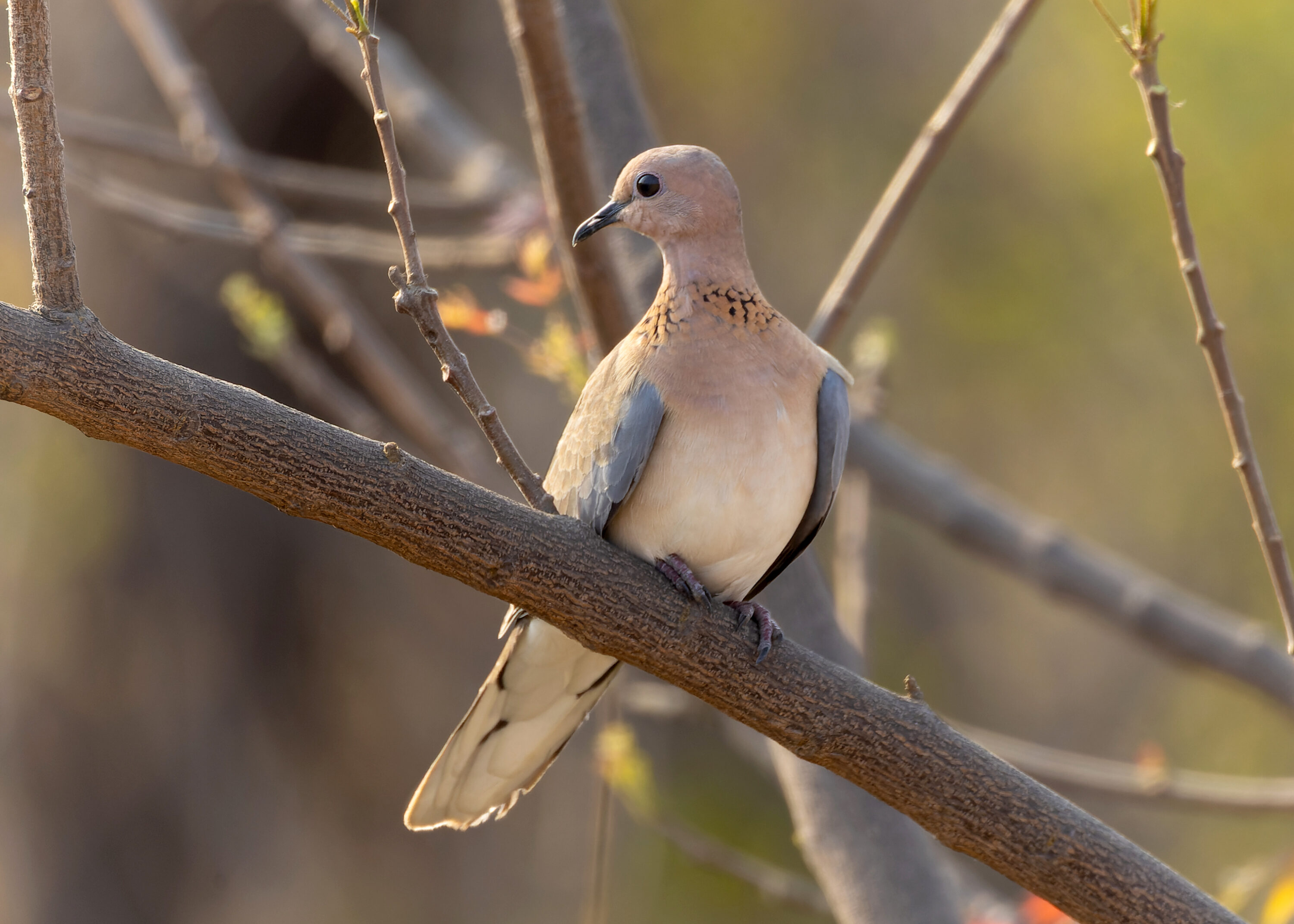
Progressive Greying Recorded in a Laughing Dove in Asia for the First Time
An adult laughing dove photographed in Karnataka, India, had localised white feathers on the head and shoulder region.…
Read story →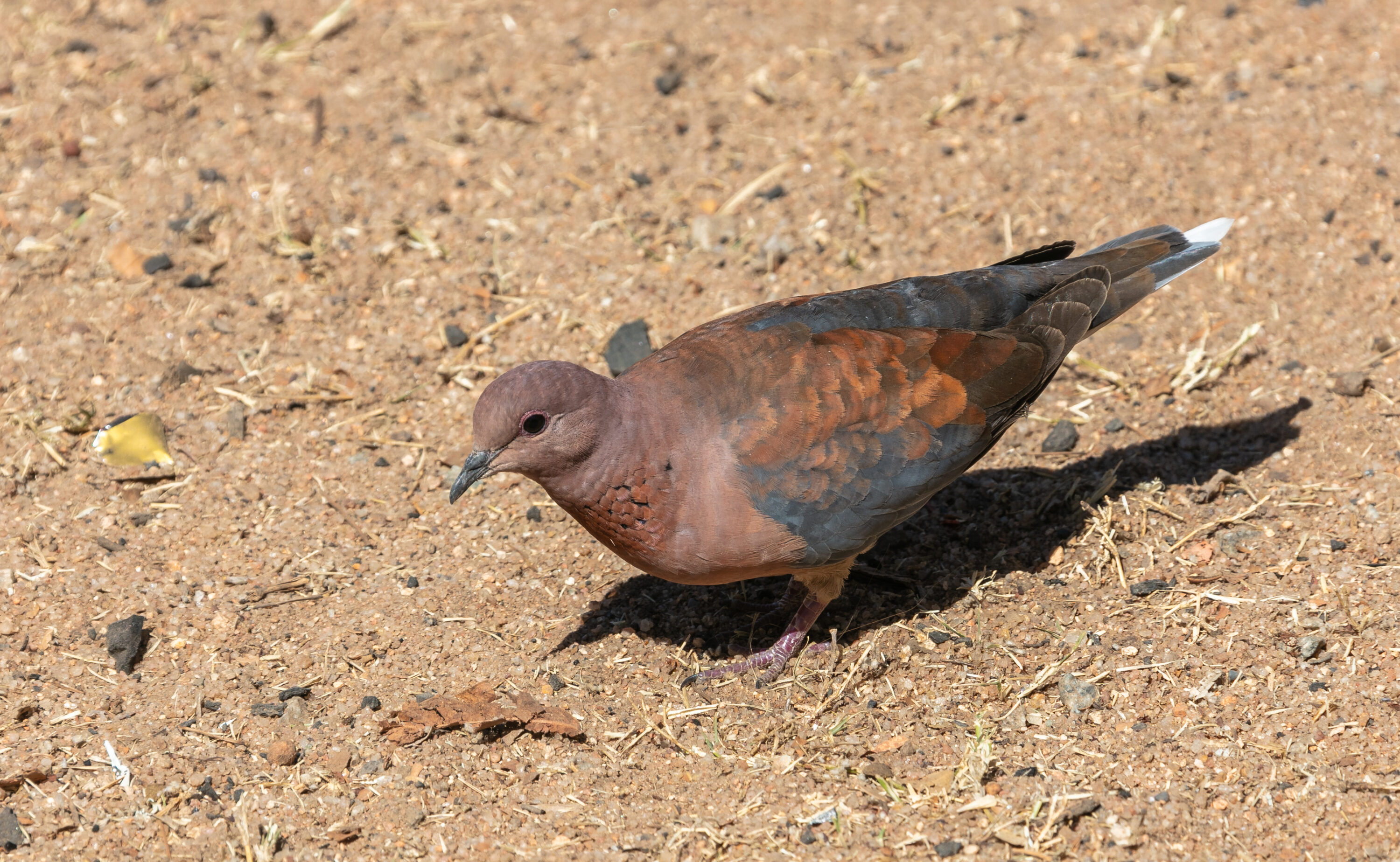
Laughing Dove Preen Secretions Showed Strong Antimicrobial Activity
A 2026 comparative study found that laughing doves had the thinnest epidermis of three bird species and that…
Read story →SPECIES IN THIS STORY
Species in this story
Independent research and conservation news archive
Did you find this information useful?
Wildlife Vagabond is independently built and maintained. Voluntary support helps cover source verification, hosting and continued work on research and conservation news.
Support Wildlife VagabondThe news archive will remain freely available.