
Collar Movement Data Revealed 90–96% of Lion Roaring Bouts
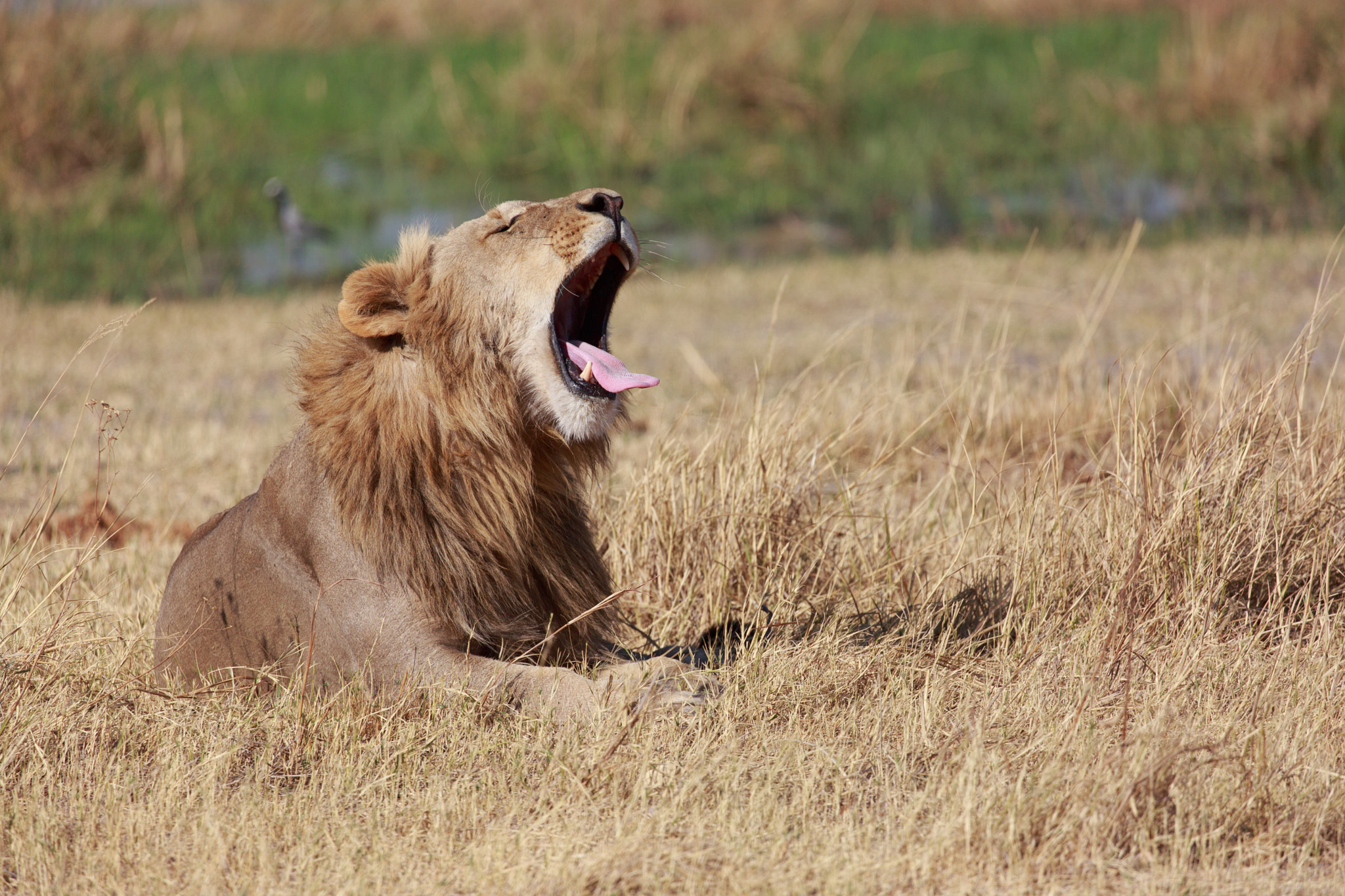
A study published in 2026 shows that the movement sensors already carried by tracked African lions (Panthera leo) can reveal when the animals roar. Researchers working in Etosha National Park, Namibia, combined acceleration data from tracking collars with audio recordings and used the paired data to train a machine-learning model to recognise the characteristic movement pattern associated with roaring.
Seven lions were equipped with collars containing GPS and accelerometer sensors as well as audio loggers. The audio provided a reference for identifying exactly when roaring occurred, while the accelerometers recorded changes in the animals’ body movement. The researchers then trained a U-Net, a type of neural network that moves through a continuous sensor record and labels short sections as either “roaring” or “not roaring”. This allowed the model to identify the movement signature of a roar even when other behaviour was happening at the same time.
The model could detect roaring during other activities
The method was designed to handle a problem that limited earlier approaches: a lion may roar while performing another activity. The new model could identify roaring by both males and females and could also detect roars produced while an animal was walking rather than standing still.
Complete datasets revealed 90–96% of roaring bouts
Across individuals, about 94% of the data points the model labelled as roaring were truly roaring, while it captured about 73% of all data points that actually belonged to roaring. When the researchers evaluated complete datasets from five lions, however, the model still correctly identified between 90 and 96% of entire roaring bouts, with 87–100% of the detected bouts being genuine roars. Missing some individual points within a bout therefore did not usually prevent the bout itself from being detected.
Being able to detect roaring directly from accelerometer data means researchers can study vocal behaviour without continuously recording sound. Because the same collars also provide GPS positions, roaring can be linked to where a lion was and how it was moving at the time. The authors highlight this as a way to broaden studies of lion communication beyond the more limited contexts that previous methods could detect.
Behaviour
Related news

A Little-Known Microbial World Inside Lions’ Guts
Faecal samples from wild lions in Namibia gave researchers a much clearer picture of their gut bacteria. Microbial…
Read story →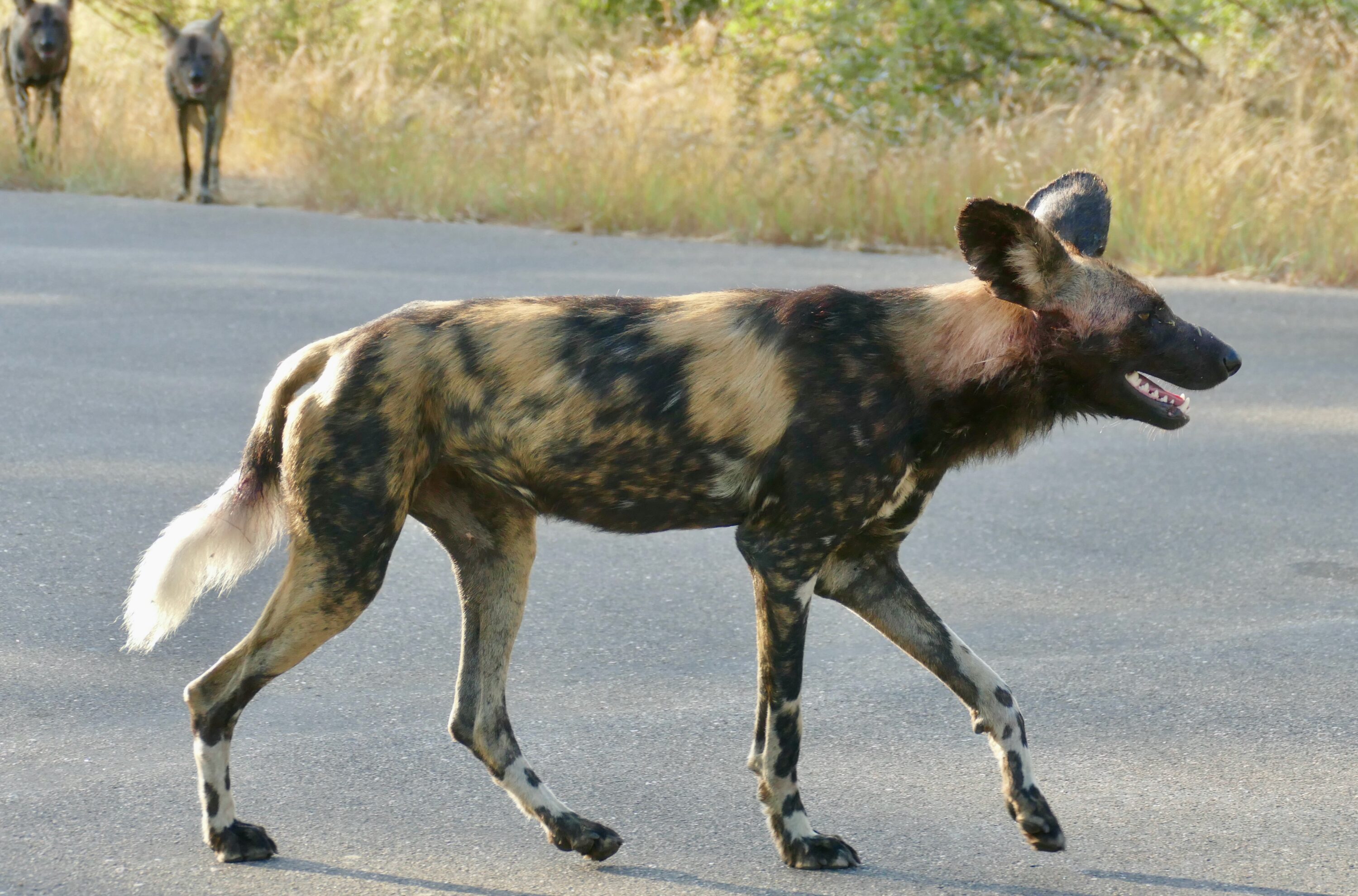
Food Leaves Its Mark on the Gut Bacteria of Kruger’s Wildlife
Gut bacteria in nine mammal species from Kruger National Park followed clear patterns linked to food and digestion.…
Read story →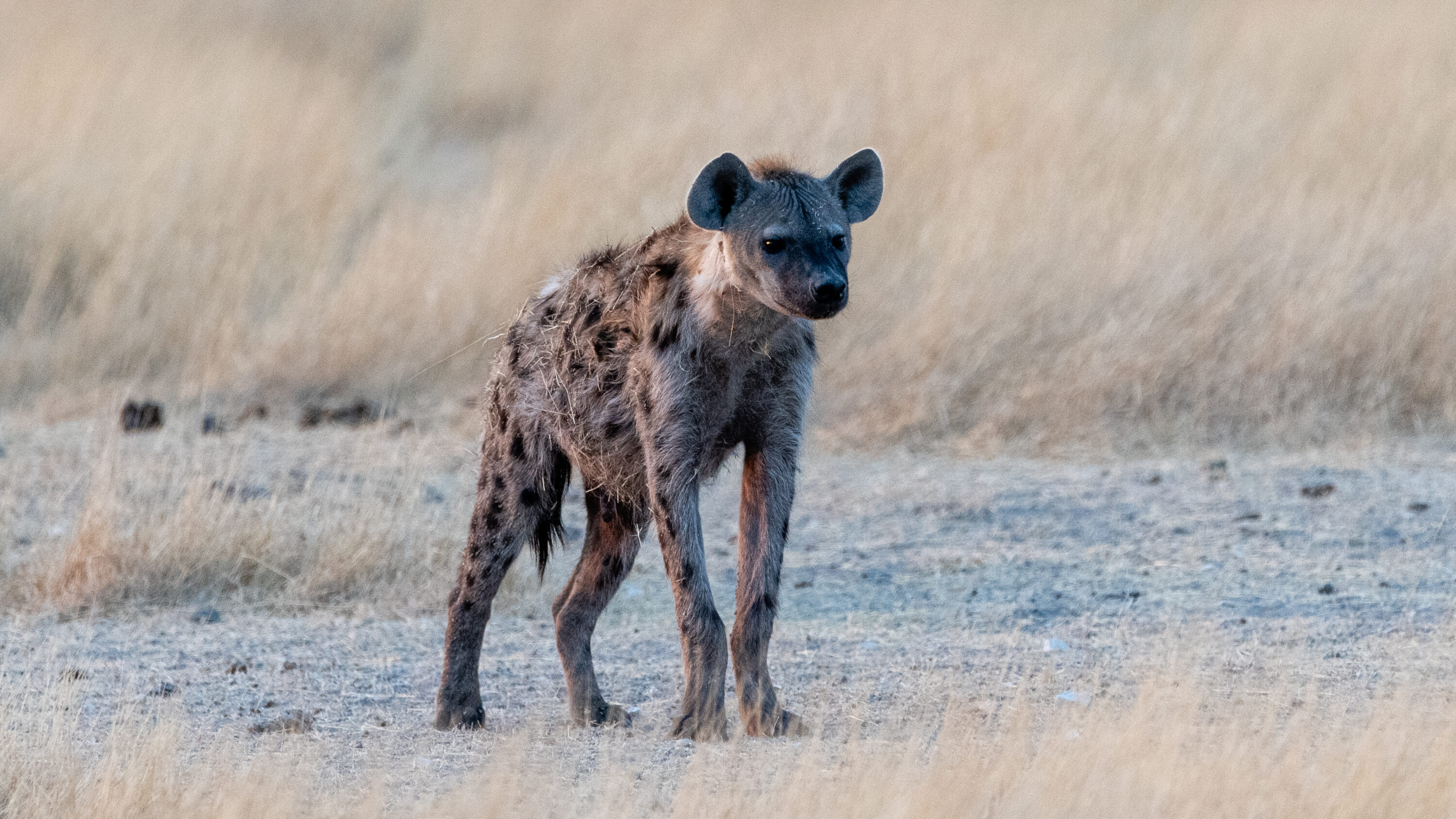
Spotted Hyenas Repeatedly Moved Away From Lions in Five-Minute GPS Data
High-frequency GPS data from Namibia and Botswana showed a robust retreat bias in spotted hyenas around lions, while…
Read story →SPECIES IN THIS STORY
Species in this story
Independent research and conservation news archive
Did you find this information useful?
Wildlife Vagabond is independently built and maintained. Voluntary support helps cover source verification, hosting and continued work on research and conservation news.
Support Wildlife VagabondThe news archive will remain freely available.