
Dutch Little Ringed Plovers Used Saline and Brackish Habitats During Migration
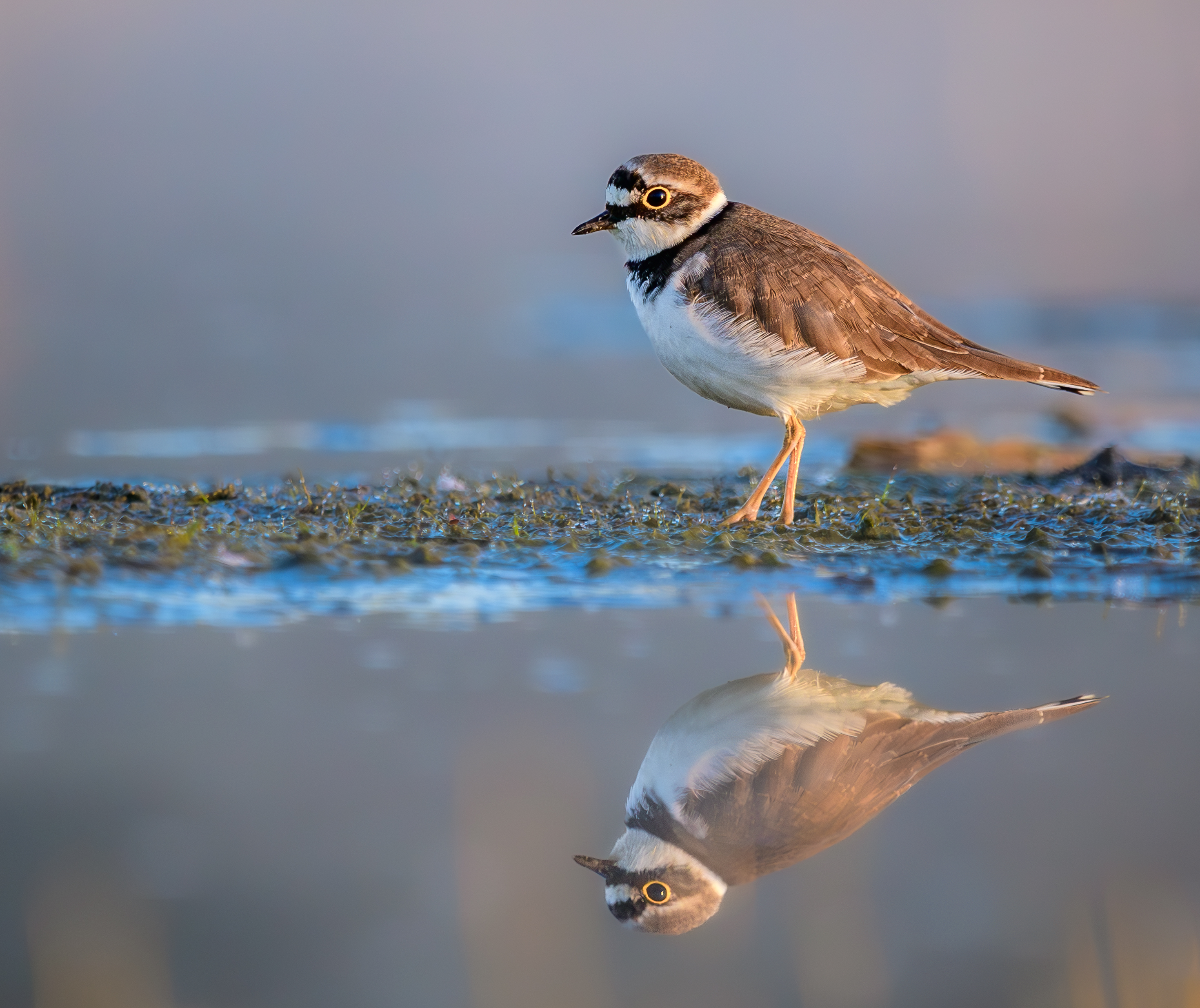
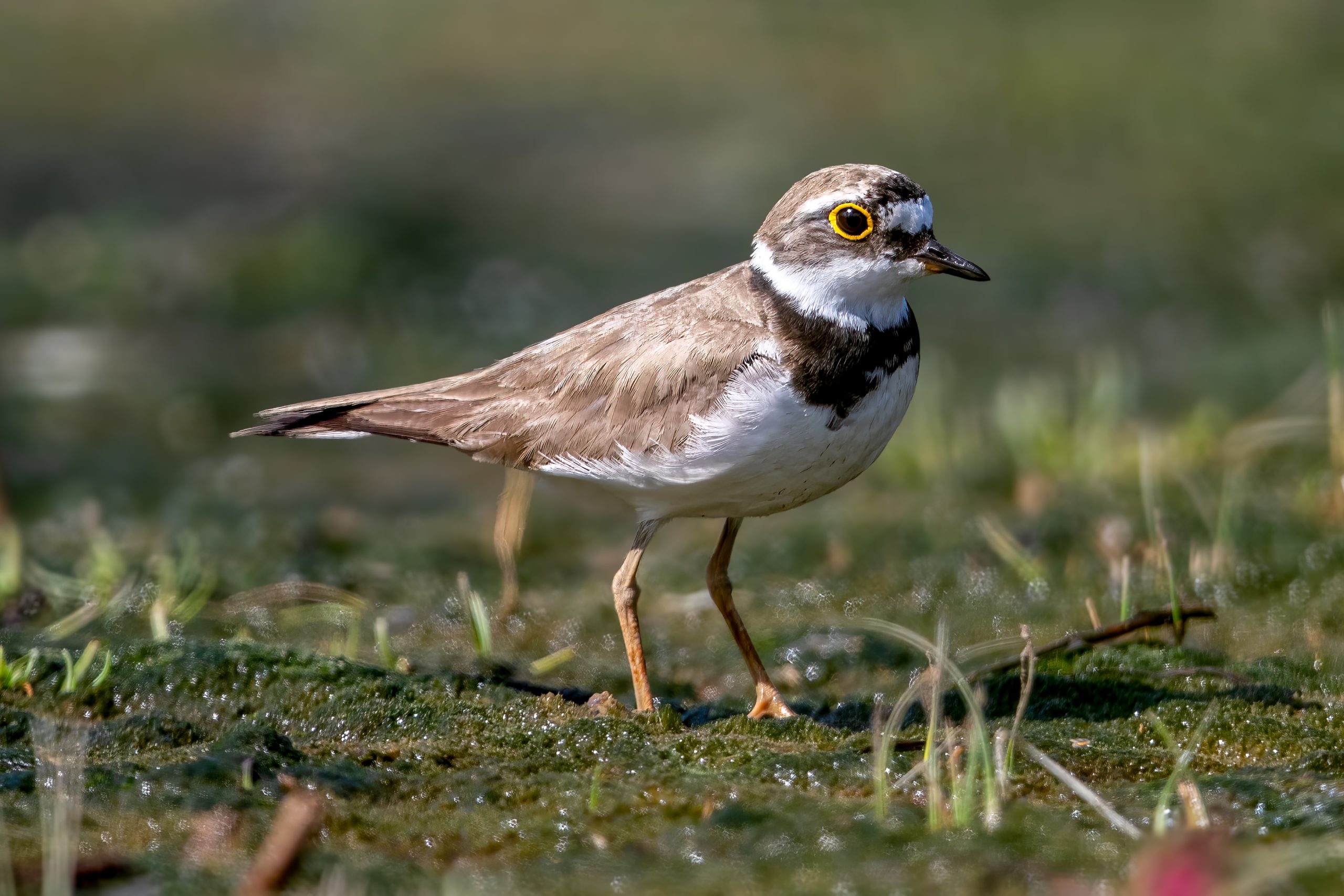
Tracking data from little ringed plovers (Thinornis dubius) breeding in the Netherlands showed that saline and brackish wetlands formed an important part of their migration habitat. The study combined light-level geolocators with sensors recording whether the birds were wet or dry and the conductivity of the water they encountered.
Light-level geolocators estimate broad geographic position from sunrise and sunset timing and day length. Their positions are much less precise than GPS, and they become unreliable around the equinoxes when day length is similar across latitudes.
The tracked birds followed the western European migration system towards wintering areas in West Africa, with autumn stopovers concentrated around the Mediterranean. Conductivity readings indicated that many of these stopover sites were saline or brackish rather than freshwater, pointing to coastal marshes and artificial saline wetlands such as saltworks as important refuelling areas.
Saline wetlands formed a substantial part of migration habitat
During migration, females spent about 15% of their time and males about 17% in saline aquatic habitats. The timing of spring migration overlapped with the spring equinox, when light-level geolocators cannot provide reliable geographic positions, so the researchers could not map spring stopovers in the same way. Conductivity data nevertheless allowed them to identify when the birds again used saline habitats during the northward journey.
The results add a habitat dimension to earlier tracking work on the species: little ringed plovers are strongly associated with inland freshwater habitats while breeding, but individuals from western Europe can depend substantially on saline and brackish wetlands during migration.
Ecology
Related news
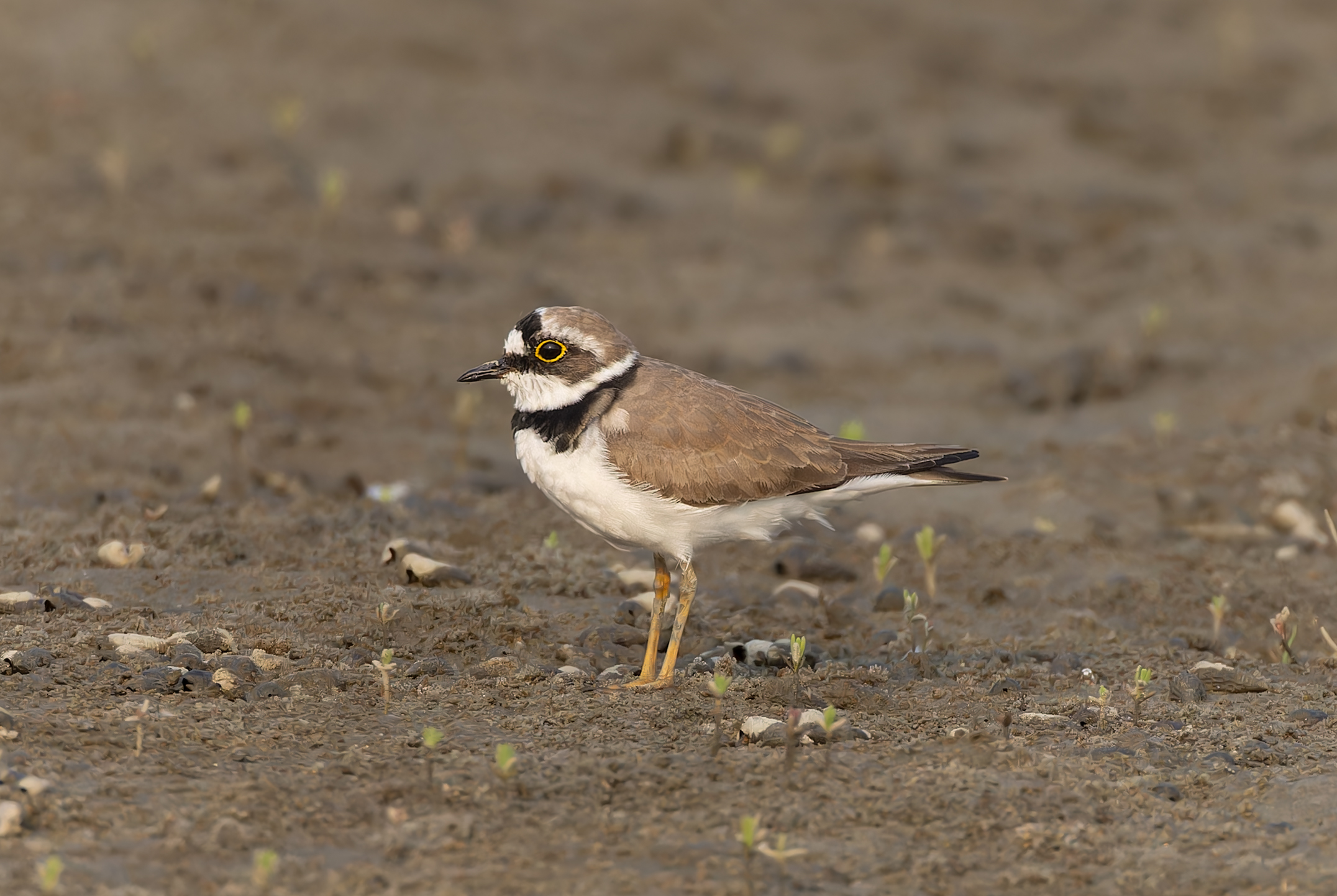
Little Ringed Plover Index Showed Clear Declines on Both Time Scales in India
The 2025 State of India’s Birds update estimated a −50% long-term trend and a −3.2% current annual trend…
Read story →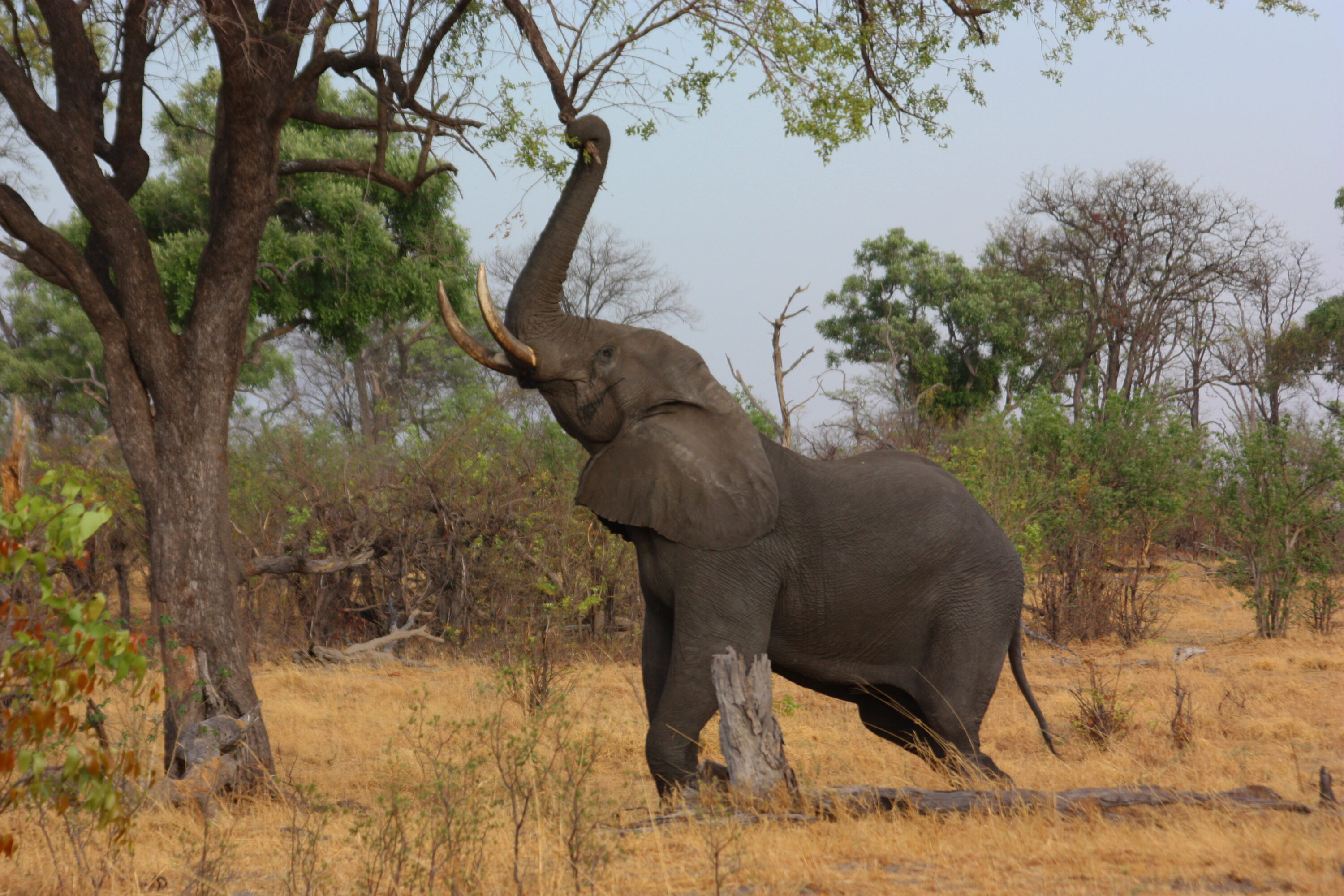
African Bush Elephants Distinguished Artificial Food-Quantity Patterns at Close Range
In experiments in South Africa, four semi-tame elephants chose between visual patterns representing canopy size and leaf density.…
Read story →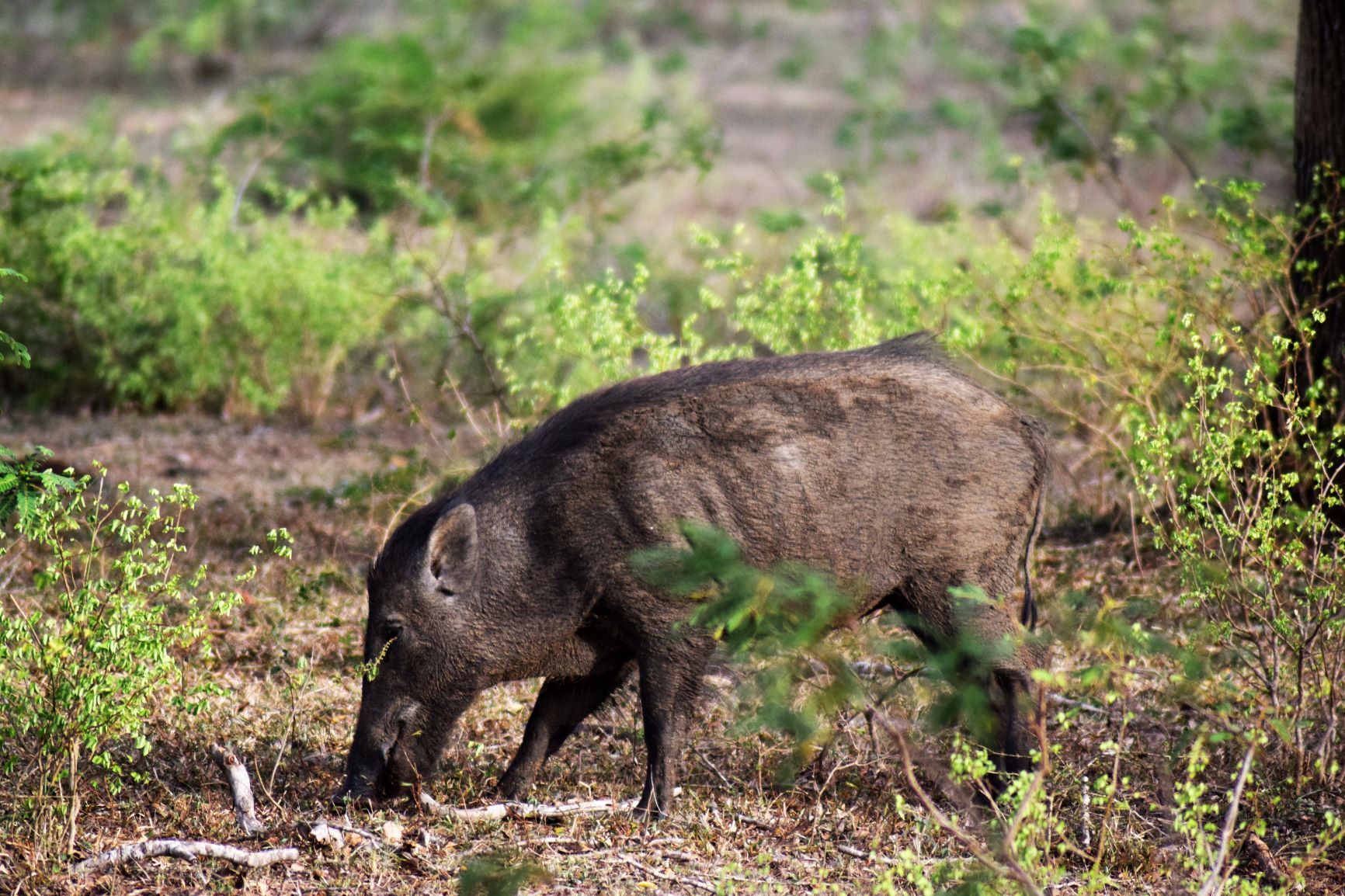
Maps Show Where Wild Boar Could Thrive and Spread on Jeju Island
Researchers mapped potentially suitable wild-boar habitat across roughly 36% of Jeju Island and identified eight possible corridors linking…
Read story →SPECIES IN THIS STORY
Species in this story
Independent research and conservation news archive
Did you find this information useful?
Wildlife Vagabond is independently built and maintained. Voluntary support helps cover source verification, hosting and continued work on research and conservation news.
Support Wildlife VagabondThe news archive will remain freely available.