
Living With Carnivores Is About More Than Livestock Losses
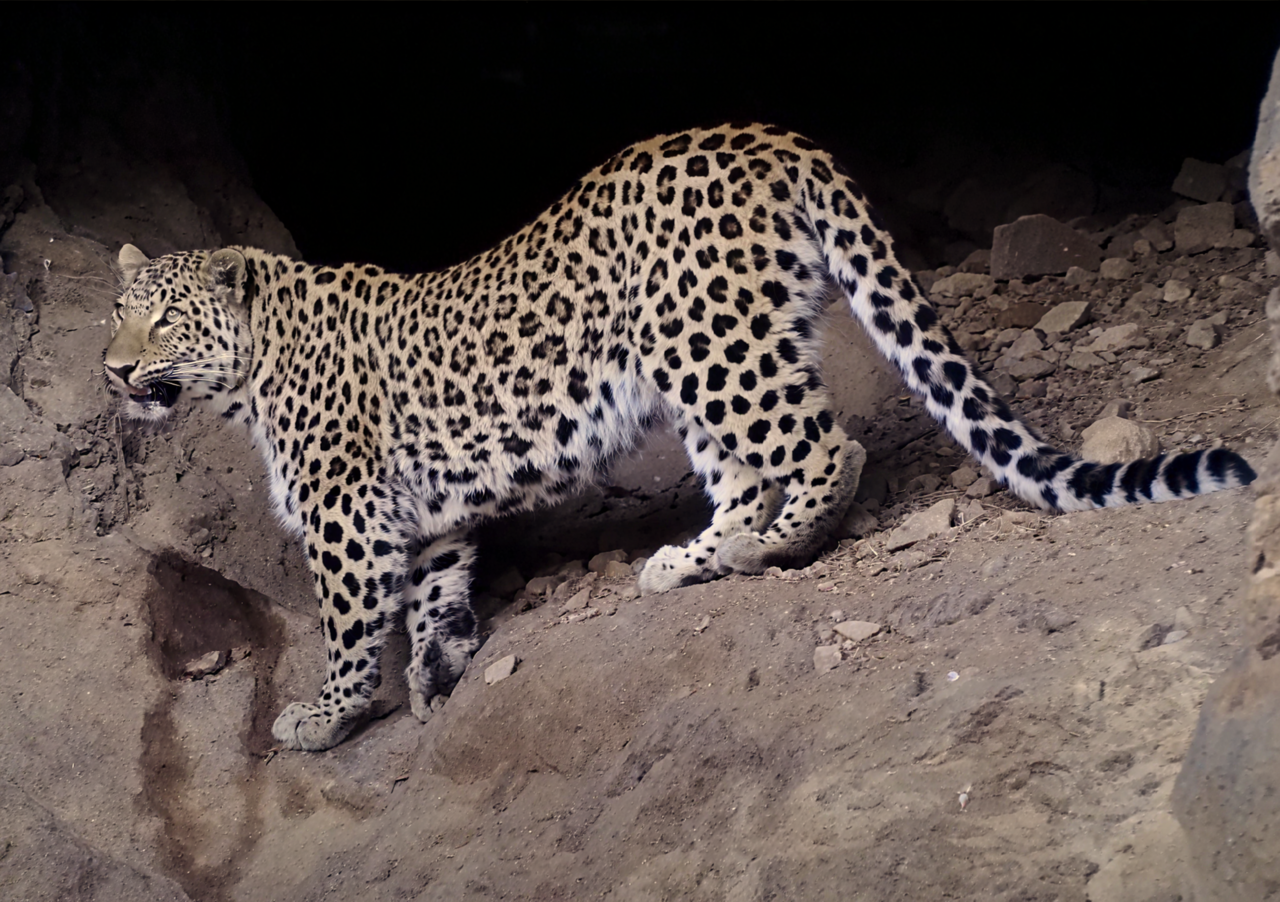
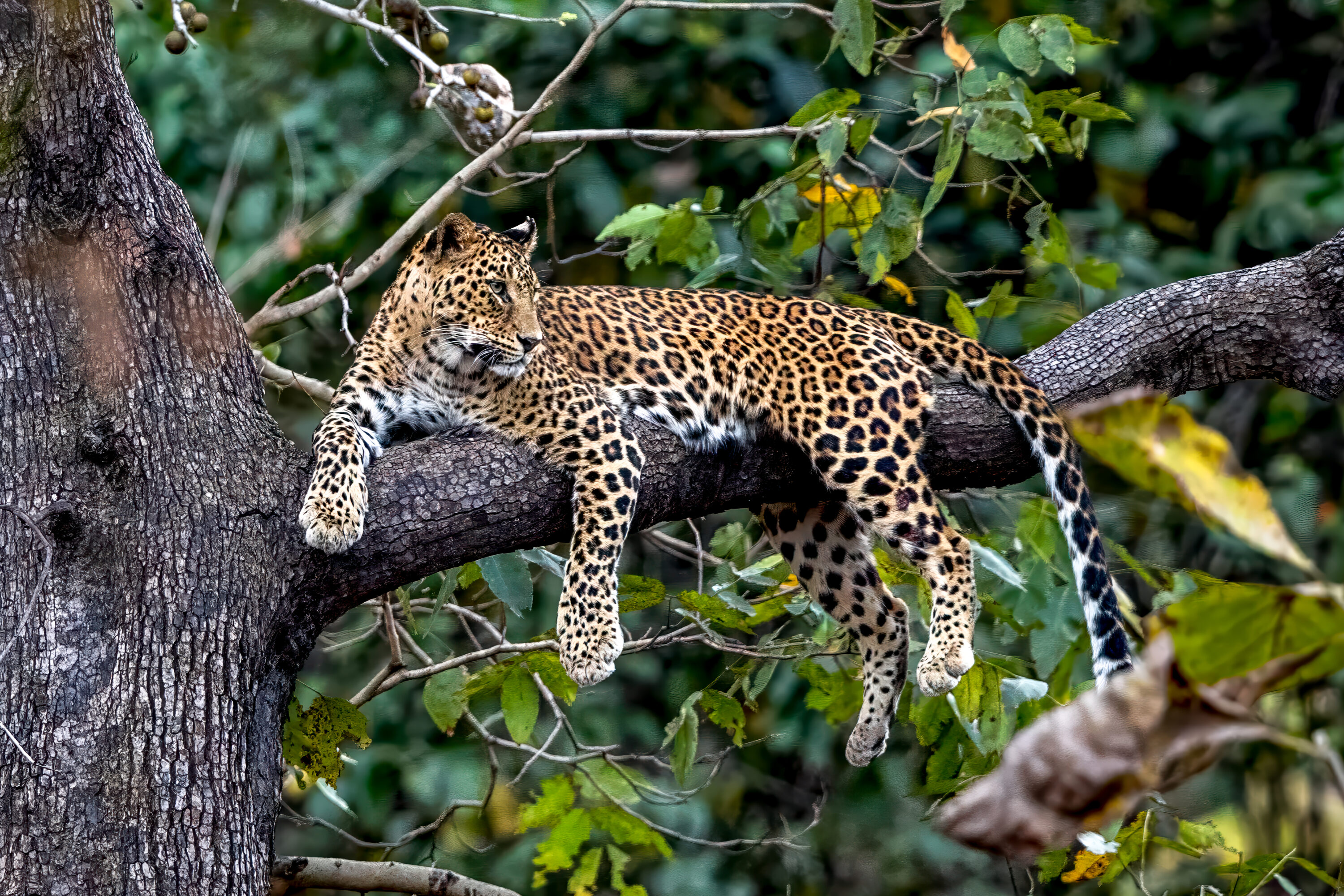
Would people accept large carnivores nearby if their losses were compensated? Would they support conservation if the animals caused no damage? Researchers asked these questions in 30 villages around Golestan National Park in northeastern Iran to explore people’s willingness to live alongside Persian leopards (Panthera pardus tulliana), grey wolves (Canis lupus) and brown bears (Ursus arctos).
These carnivores share the landscape with livestock farmers, crop growers and beekeepers. Livestock attacks and damage to crops and beehives can threaten household livelihoods. Yet reported livestock losses gave little clear indication of how positively or negatively people viewed leopards and wolves. That is a central finding of a new analysis of interviews with 292 people, conducted between April and November 2022.
Protecting carnivores or killing them?
The clearest pattern concerned people’s underlying views of the animals. Respondents who considered conservation unimportant, or thought a carnivore should be killed after attacking livestock, also gave more negative answers to the questions about accepting carnivores with compensation and supporting conservation when the animals caused no damage. This pattern held for leopards, wolves and bears.
The researchers also explored the social setting: Did respondents’ families believe carnivores that harmed livestock should be killed, and did other villagers kill these animals? These answers were associated with respondents’ own views on conservation and killing. Their link to willingness to accept carnivores was weaker. The authors therefore suggest that families and communities may matter through the beliefs people share.
About half reported little fear of the carnivores: 53.2% for leopards, 52% for wolves and 49% for bears. The authors note that this could reflect genuinely low fear as well as reluctance to admit fear to interviewers.
Little compensation, expectations of help
Only five of the 292 respondents said they had received compensation. The authors describe support following carnivore attacks in Iran as rare and bureaucratic. Meanwhile, support for the government capturing and relocating carnivores after attacks was associated with somewhat more positive attitudes toward leopards and wolves. For bears, that relationship was uncertain.
The weak link between livestock losses and attitudes does not make those losses unimportant to affected households. The authors’ point is that reducing damage alone is unlikely to resolve the whole conflict. The livestock-loss finding applies to leopards and wolves; the study provided no equivalent answer for bears, which also damage crops and beehives in the region.
The authors recommend combining practical livestock protection with local participation and education about carnivores’ ecological roles. Such efforts should also take seriously what people think should happen after an attack and what they expect from the authorities. The interviews reveal relationships between experiences and views, while the effects of these proposed measures remain to be tested. The results concern villages around Golestan, and women made up only 16% of participants.
Human–wildlife conflict
Related news
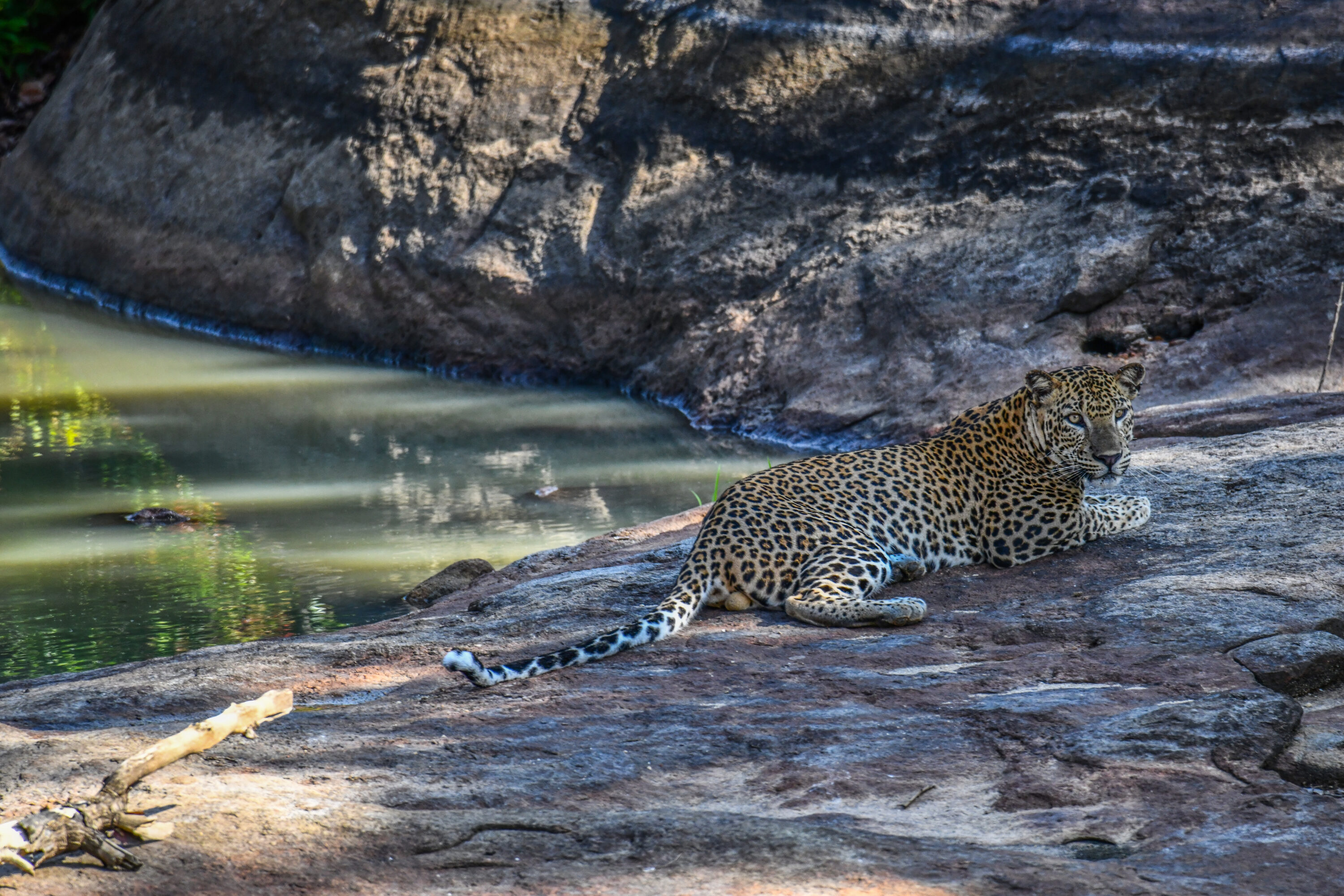
Sri Lankan Leopards in Tea Landscape Were Less Active by Day and More Active at Dusk
In Sri Lanka’s Central Highlands, only 4.4% of leopard records in an unprotected tea landscape were diurnal while…
Read story →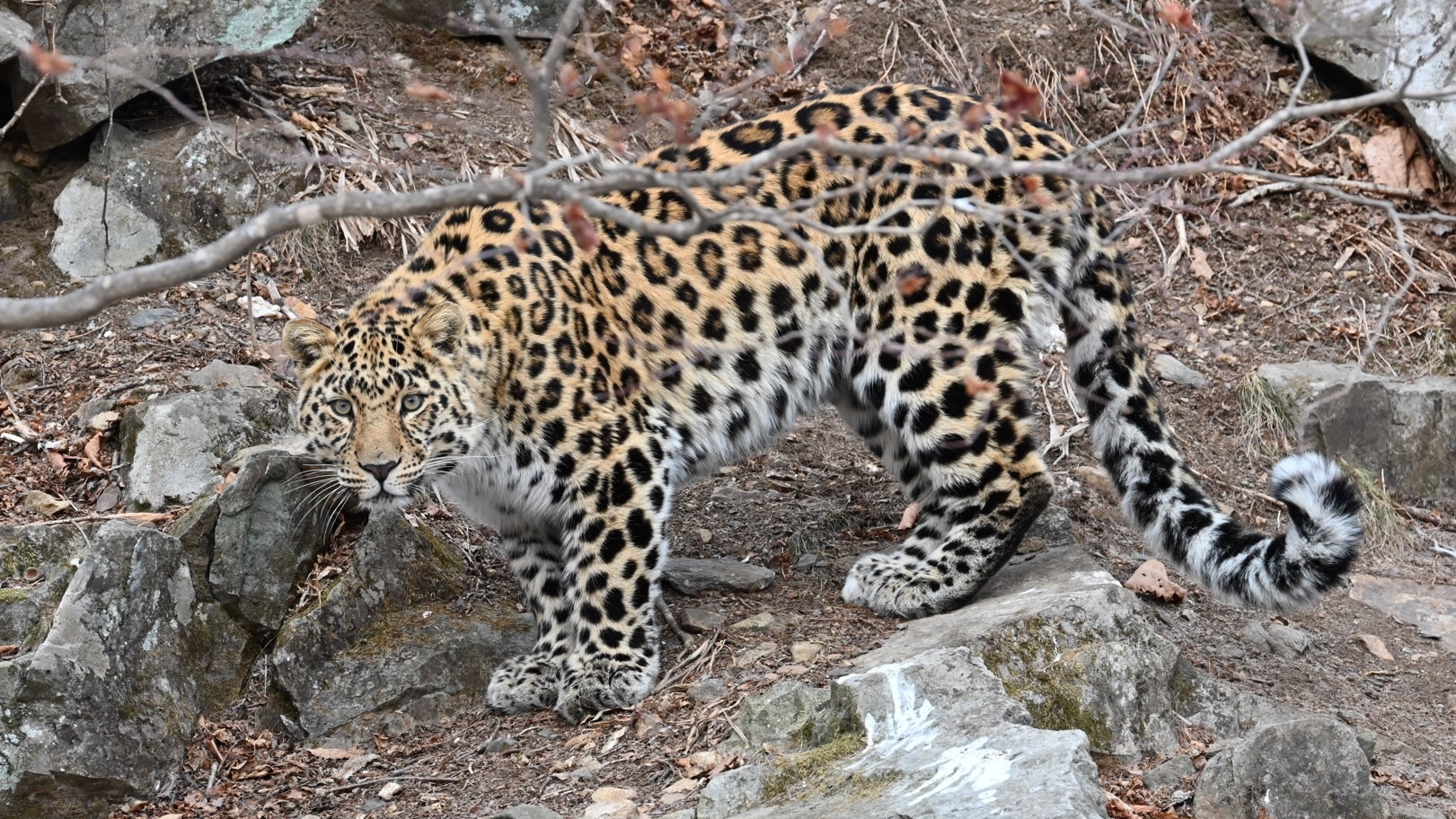
Amur leopard density nearly tripled in a decade
Ten years of camera-trap data from Russia’s Land of the Leopard National Park show a strong recovery in…
Read story →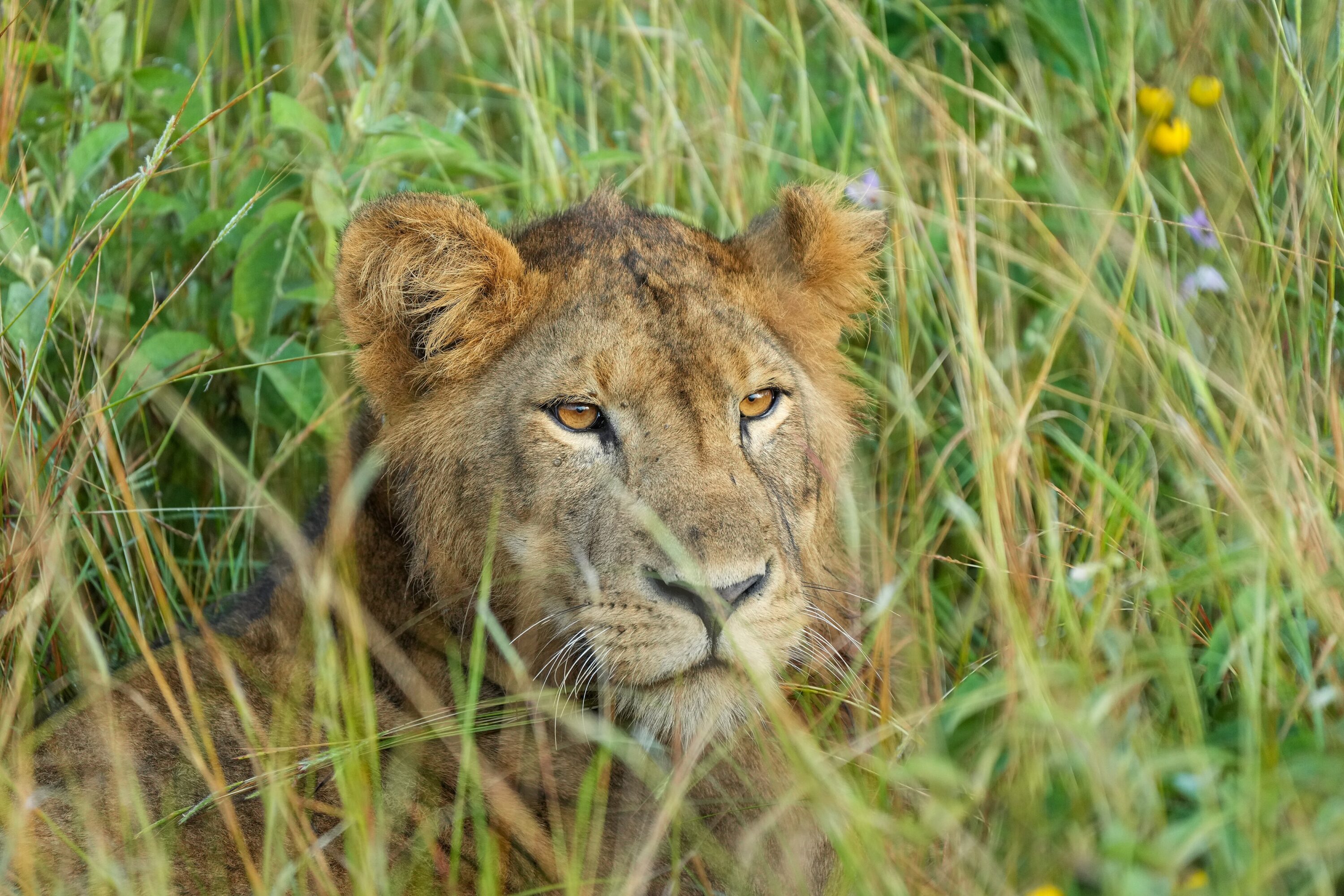
Livestock conflict with large carnivores is widespread across Queen Elizabeth National Park
Researchers documented 139 confirmed livestock-depredation events involving lions, leopards and spotted hyenas across 11 communities in Queen Elizabeth…
Read story →SPECIES IN THIS STORY
Species in this story
Independent research and conservation news archive
Did you find this information useful?
Wildlife Vagabond is independently built and maintained. Voluntary support helps cover source verification, hosting and continued work on research and conservation news.
Support Wildlife VagabondThe news archive will remain freely available.