
Low Breeding Output Helps Explain Greenland White-fronted Goose Decline
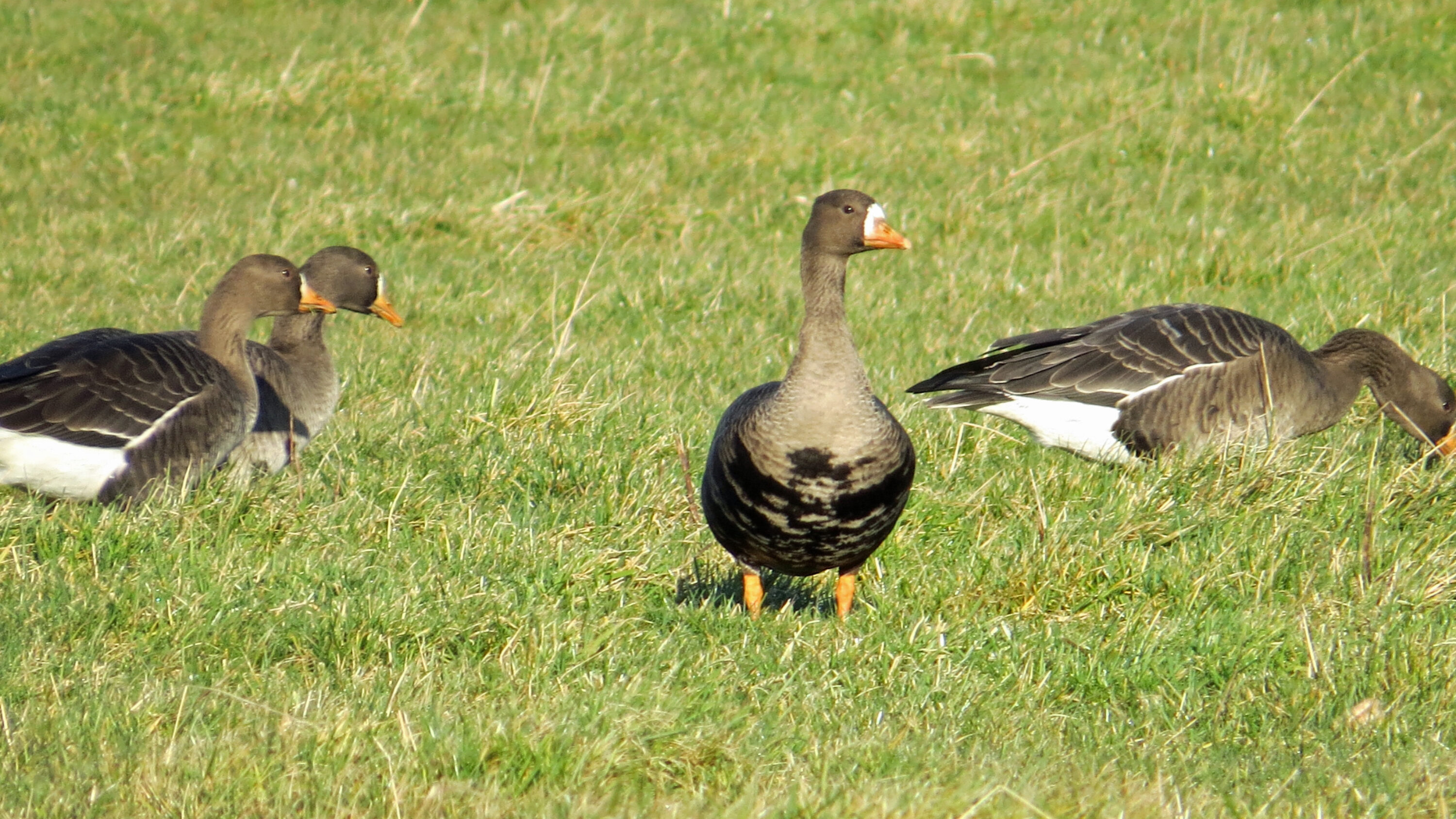
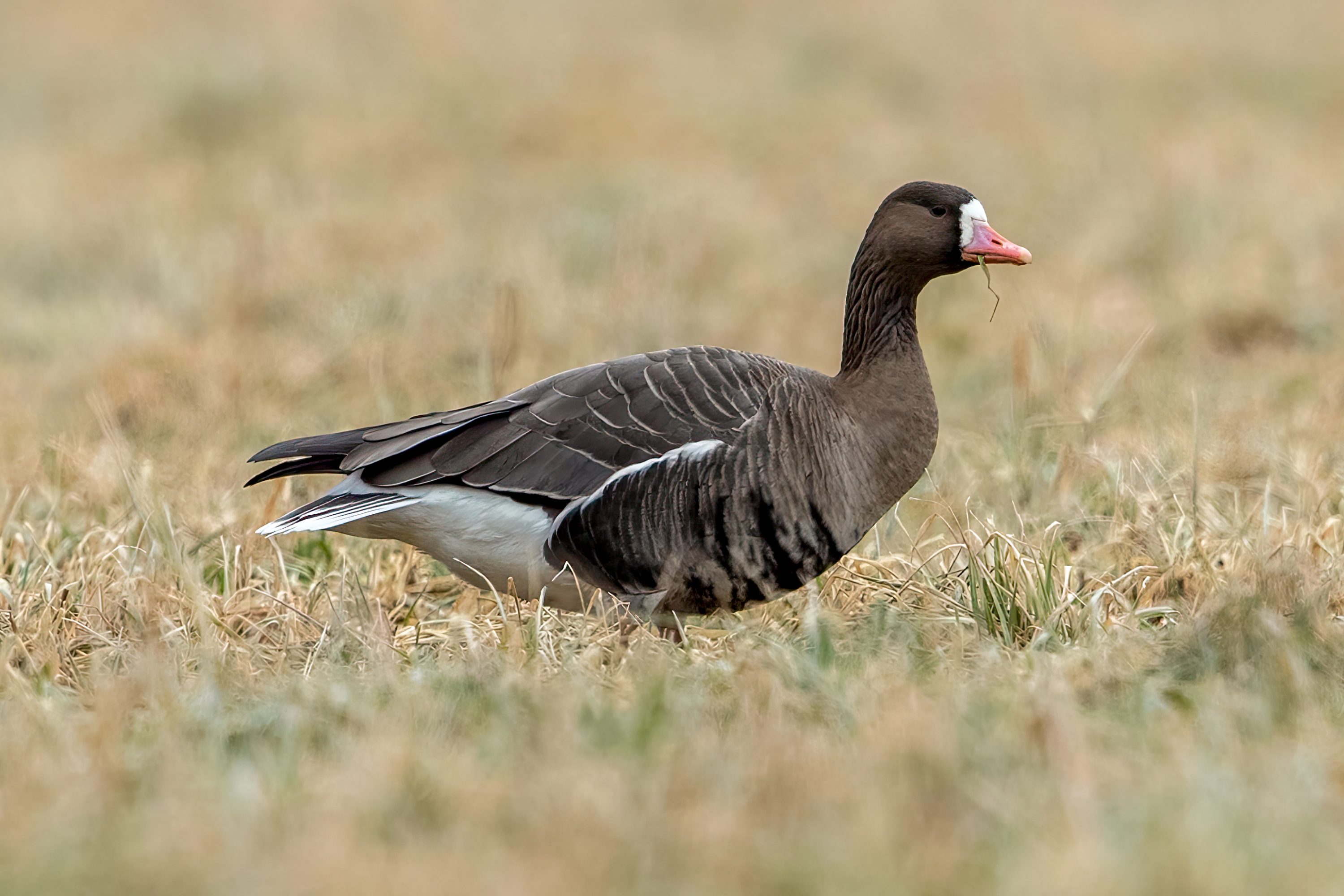
Low production of young helped explain the decline of the Greenland white-fronted goose (Anser albifrons flavirostris), according to a study published in March 2026. This subspecies breeds in west Greenland, stages in southern and western Iceland and winters in Great Britain and Ireland.
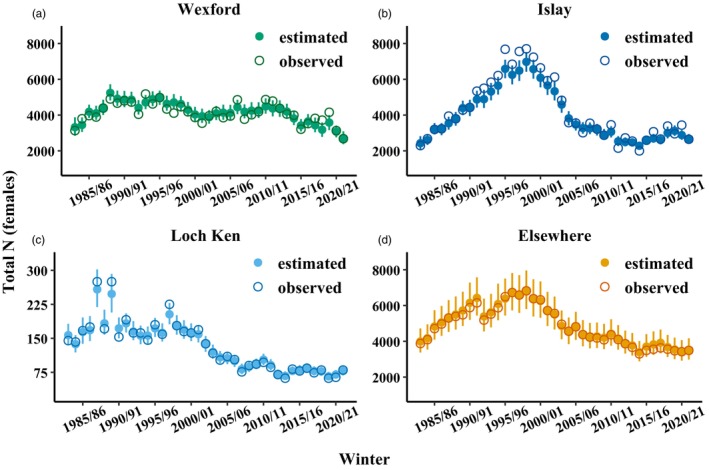
The researchers combined 39 years of counts, age ratios and sightings of marked geese, covering winters 1983/84–2021/22. Their model estimated survival, production of young and movements between wintering populations. It treated Wexford in Ireland and Islay and Loch Ken in Scotland separately, while pooling 65 smaller wintering populations into an “Elsewhere” group. Production of young was measured from the ratio of juveniles to adults in winter, after losses during breeding and autumn migration.
Earlier spring development was linked to lower breeding output
Earlier spring vegetation development on Icelandic staging areas was associated with lower production of young among geese wintering at Islay, Loch Ken and Elsewhere, but not at Wexford. The researchers used accumulated temperatures as an indicator of vegetation development. Greater snowfall on the Greenland breeding grounds was also associated with lower production of young in the Elsewhere group.
Movement between wintering areas mattered most at Wexford
Movements between wintering areas were particularly important at Wexford. Annual net immigration—the balance of arrivals and departures—was estimated at about 13% of the adult population. This influx helped sustain numbers despite low production of young and lower survival than in the other groups, although Wexford still declined after 2010. The smaller populations pooled as Elsewhere collectively supplied geese to other wintering populations, with more adults leaving than arriving.
Ecology
Related news
Future Environmental Change Could Reduce Greater White-fronted Goose Migration Network Integrity by 35–71%
Models of the East Asian spring migration system from the Yangtze Basin to the Russian Arctic projected more…
Read story →
97% of Observed Goose Aggression in Northeast Poland Was Within Species
Field observations of four goose species in Poland recorded 662 aggressive episodes; 97% were within species, while seasonal…
Read story →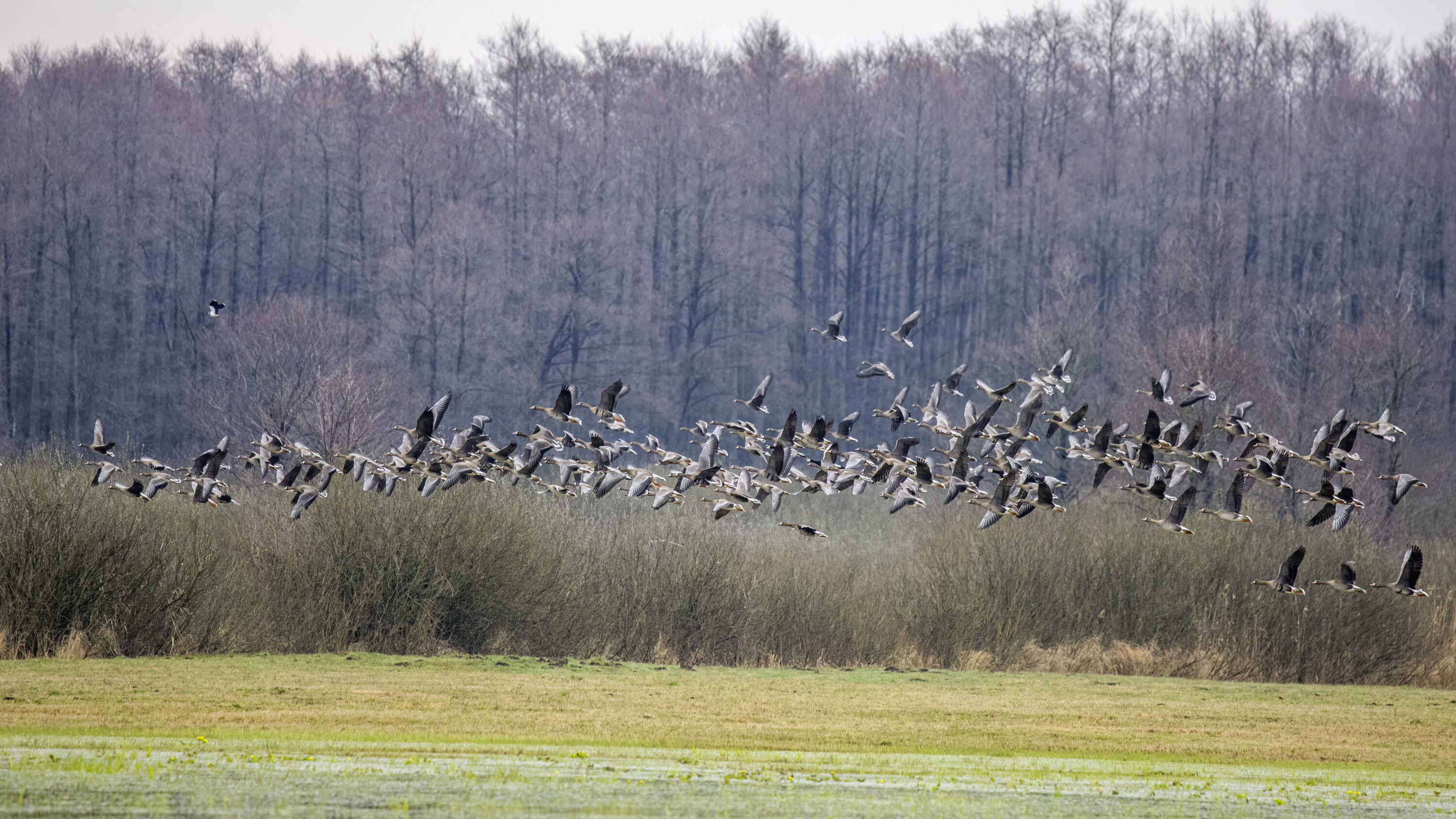
Milder Winters Helped Make Hortobágy a Wintering Area for Greater White-fronted Geese
Thirty-one years of counts in eastern Hungary showed an increase from fewer than 2,000 to more than 30,000…
Read story →SPECIES IN THIS STORY
Species in this story
Independent research and conservation news archive
Did you find this information useful?
Wildlife Vagabond is independently built and maintained. Voluntary support helps cover source verification, hosting and continued work on research and conservation news.
Support Wildlife VagabondThe news archive will remain freely available.