
Maps point to higher elephant crop-raiding risk near protected areas in Zimbabwe
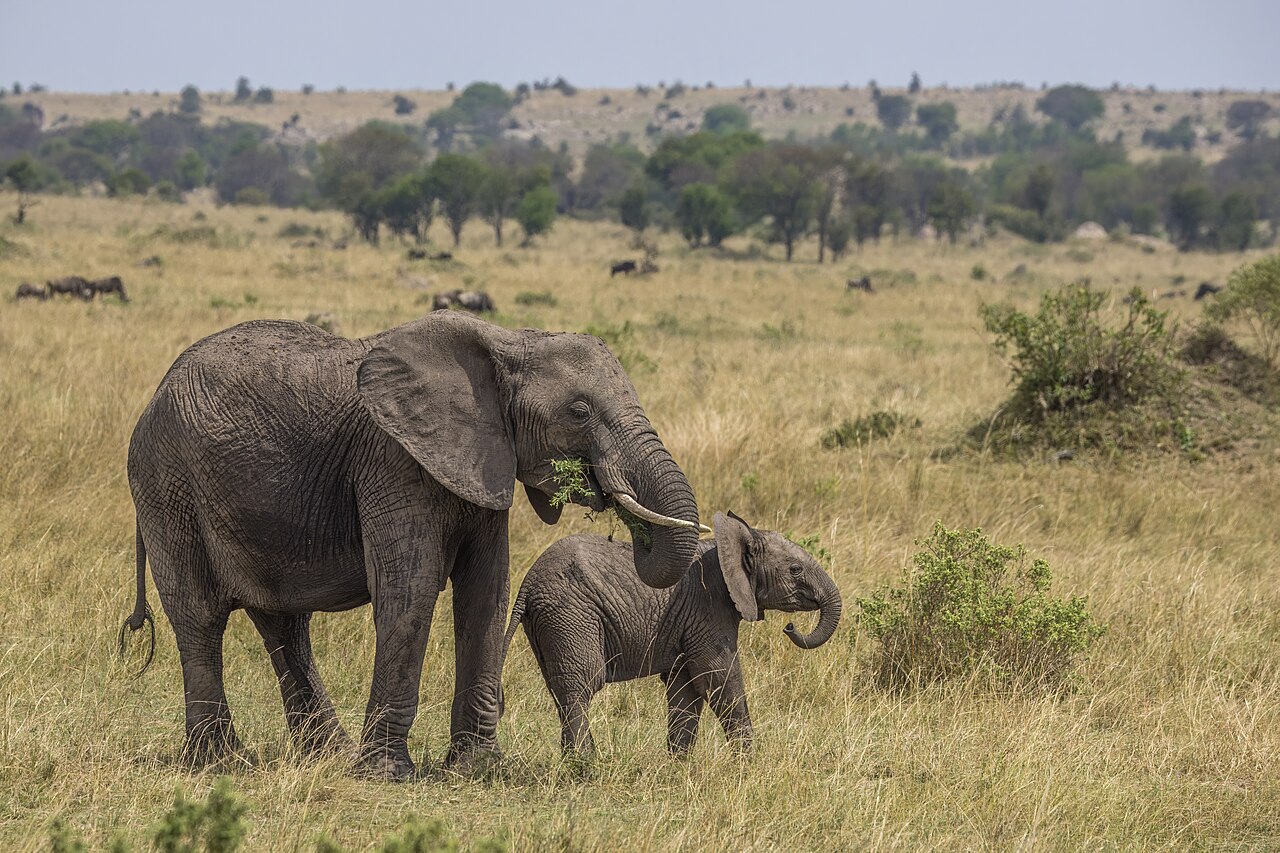
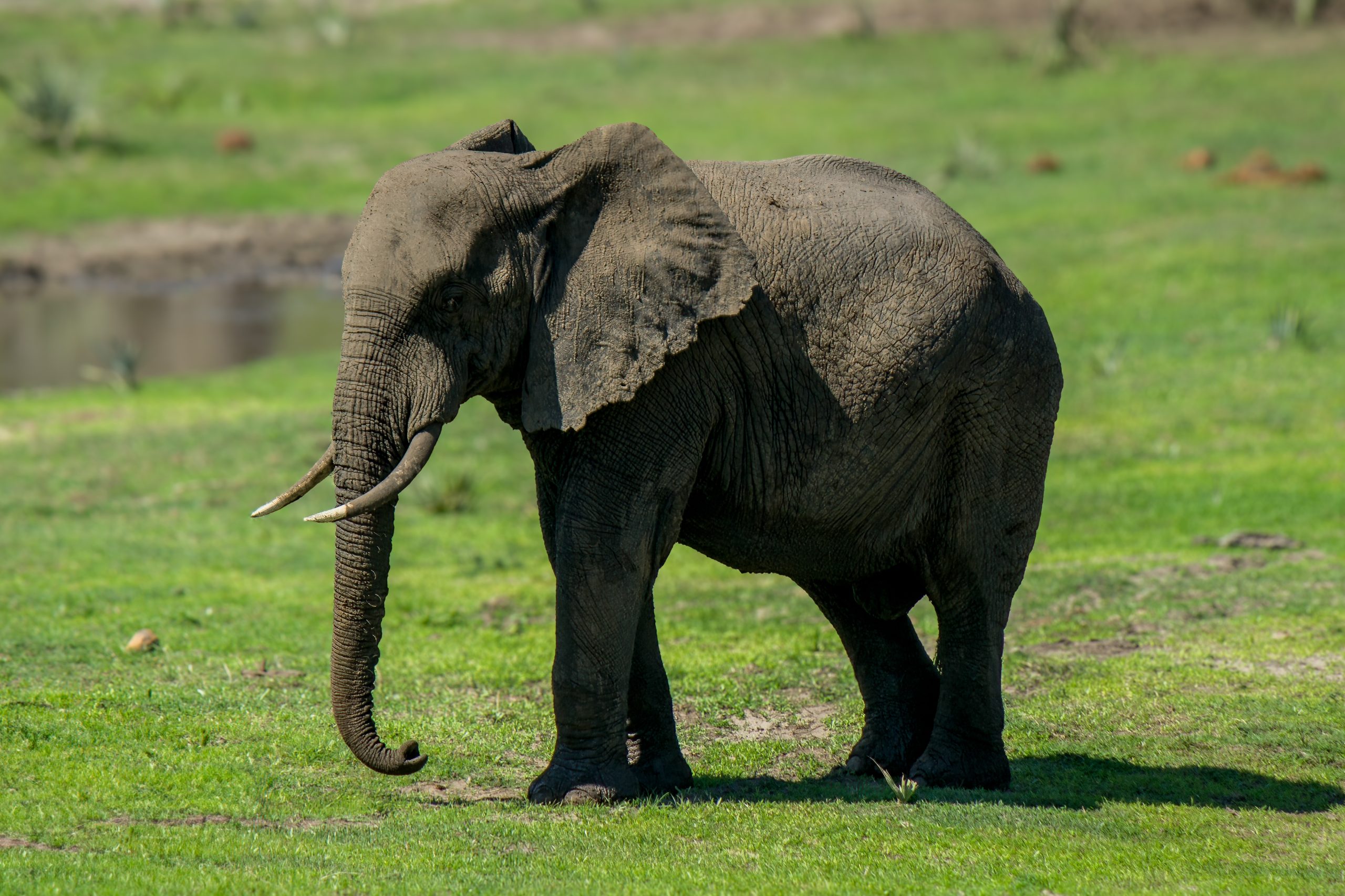
In northwestern Zimbabwe, African savanna elephants (Loxodonta africana) can enter farmland as crops ripen toward the end of the rainy season. Researchers mapped more than 700 locations where elephants had come into conflict with farming south of Victoria Falls. Their analysis found a greater predicted likelihood of crop-raiding nearer protected areas and farther from human activity. That geographic pattern could help identify fields where protection is especially important.
Different models found the same challenge in different ways
The researchers combined the conflict locations with geographic information about natural conditions and human land use, then compared several machine-learning approaches. These methods look for patterns in data that may be more complicated than a simple increase or decrease along any one environmental gradient. The models differed substantially in how accurately they classified the study’s test data.
A multilayer perceptron—a type of artificial neural network—performed best, with 95.5% test accuracy. Random forest models reached 81.5%, support vector machines 76.3%, and a deeper neural network 69.0%. The more complex neural network was therefore not the most accurate. The best-performing model was useful for prediction, although it could not show clearly how much each individual environmental factor contributed to its result.
Why the maps matter for people and elephants
When elephant habitat meets agricultural land, crop losses can threaten household food supplies and income. A map of where conflicts are more likely could help communities and conservation managers focus warnings and measures to protect fields on the areas most at risk, rather than applying the same measures everywhere. The results identify spatial patterns in the records; they do not track the movements of individual elephants or prove that using the maps will prevent future raids.
The study was released as a preprint on 23 September 2026 and had not yet undergone peer review.
Human–wildlife conflict
Related news
An ancient viral gene may have been repurposed in elephant placenta
An ancient viral gene that appears to have been inherited for at least 79 million years is strongly…
Read story →
Three Ways of Analysing Elephant Calls Gave Different Results
Recordings from a semi-free herd in South Africa show how the method used to classify call timing can…
Read story →
African Bush Elephants Distinguished Artificial Food-Quantity Patterns at Close Range
In experiments in South Africa, four semi-tame elephants chose between visual patterns representing canopy size and leaf density.…
Read story →SPECIES IN THIS STORY
Species in this story
Independent research and conservation news archive
Did you find this information useful?
Wildlife Vagabond is independently built and maintained. Voluntary support helps cover source verification, hosting and continued work on research and conservation news.
Support Wildlife VagabondThe news archive will remain freely available.