
Pati-DRB*02 Was Associated With E. bieneusi Detection in Five of 32 Captive Amur Tigers
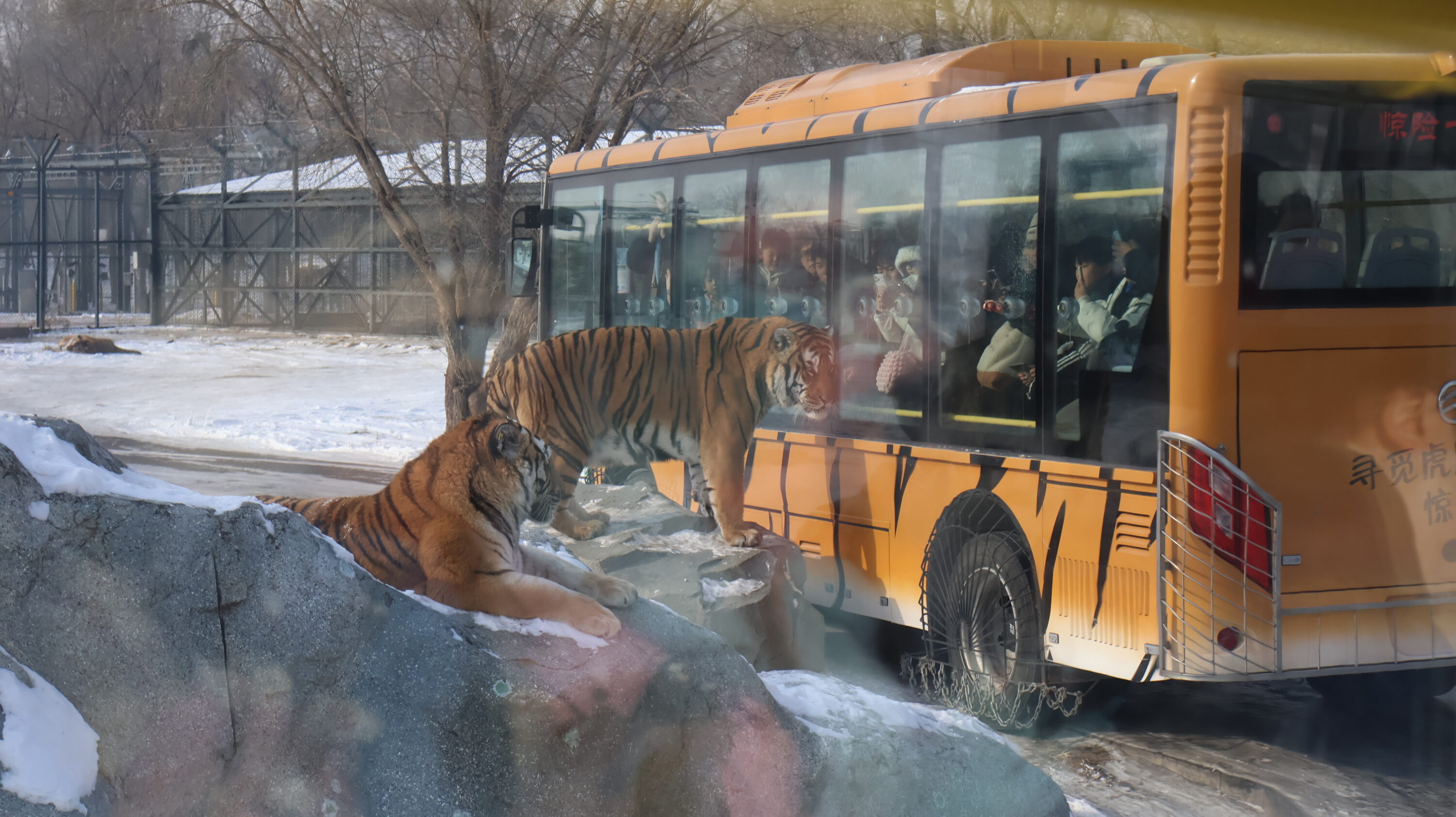
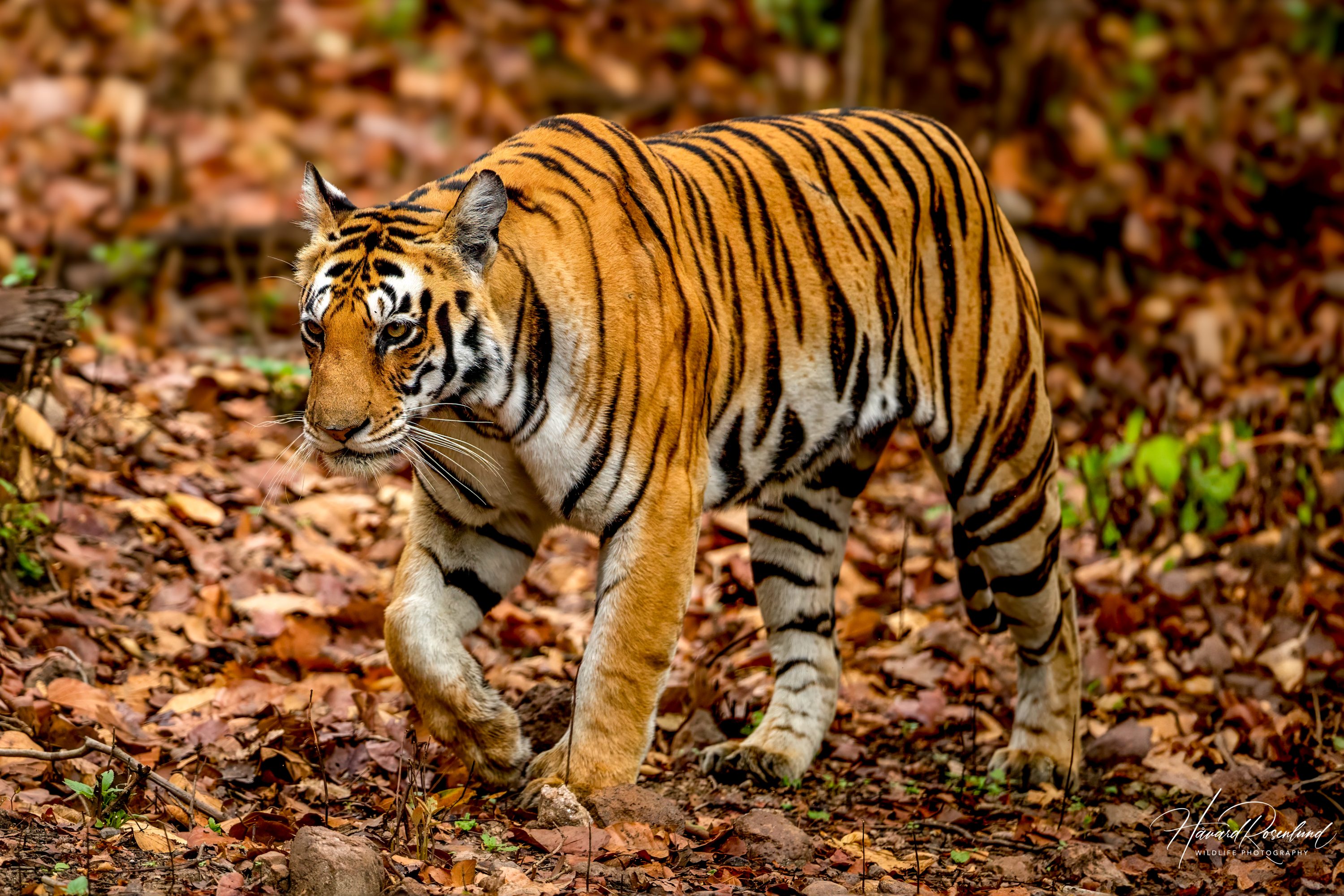
A genetic study of 32 captive Amur tigers (Panthera tigris altaica) found that one MHC class II DRB allele, Pati-DRB*02, was associated with detection of the microsporidian parasite Enterocytozoon bieneusi. Five of the 32 faecal samples were PCR-positive. Because the study detected parasite DNA in faeces, the result shows which tigers tested positive for the parasite; it does not by itself show how sick any animal was or whether infection caused clinical disease.
E. bieneusi is a globally distributed microsporidian parasite that has been reported in captive tigers and other animals. The researchers focused on MHC class II DRB because this immune-gene region helps determine which foreign peptide fragments can be presented to CD4⁺ T-helper cells and recognised by the adaptive immune system.
Sixteen DRB alleles were found
The study sequenced exon 2 of the DRB gene, the region encoding much of the peptide-binding part of the MHC class II molecule. From 97 valid sequences, the researchers identified 16 alleles, Pati-DRB*01 through Pati-DRB*16. Six had no complete match in the NCBI database and were treated as novel variants.
This level of variation indicates that substantial immunogenetic diversity persisted in the sampled captive population. Different DRB alleles can bind different sets of pathogen-derived peptides, so variation at this locus can affect how individuals recognise infections.
Pati-DRB*02 was associated with positive parasite tests
Pati-DRB*02 occurred disproportionately among the five tigers that tested positive for E. bieneusi, giving a statistically supported association in this sample. The authors therefore describe it as a possible susceptibility allele.
The study did not show that Pati-DRB*02 causes susceptibility. Only five animals were PCR-positive, and the authors emphasise that the association must be tested in larger samples and with methods that can resolve individual MHC loci more precisely.
Overall DRB heterozygosity was not associated with whether a tiger tested positive. Heterozygosity here reflects carrying different DRB variants in the analysed genetic material. One common hypothesis predicts that individuals with more MHC variation may recognise a broader range of pathogens, but this study did not find a simple relationship between greater DRB heterozygosity and lower E. bieneusi detection.
Some immune-gene lineages predate felid species
Several Amur-tiger DRB alleles clustered with alleles from other felid species. The authors interpret this as trans-species polymorphism: ancient MHC allele lineages can persist through speciation events, so closely related immune variants may be shared across species boundaries because they are older than the species themselves.
The sequence patterns were also consistent with balancing selection, an evolutionary process that can maintain multiple alleles in a population rather than allowing one variant to replace all others. In immune genes, this can preserve a wider repertoire of pathogen-recognition variants over long periods.
The study therefore provides evidence of substantial DRB diversity in this captive Amur-tiger sample and identifies Pati-DRB*02 as a candidate for further research on parasite susceptibility, while stopping short of treating it as a confirmed causal susceptibility gene.
Genetics & genomics
Related news
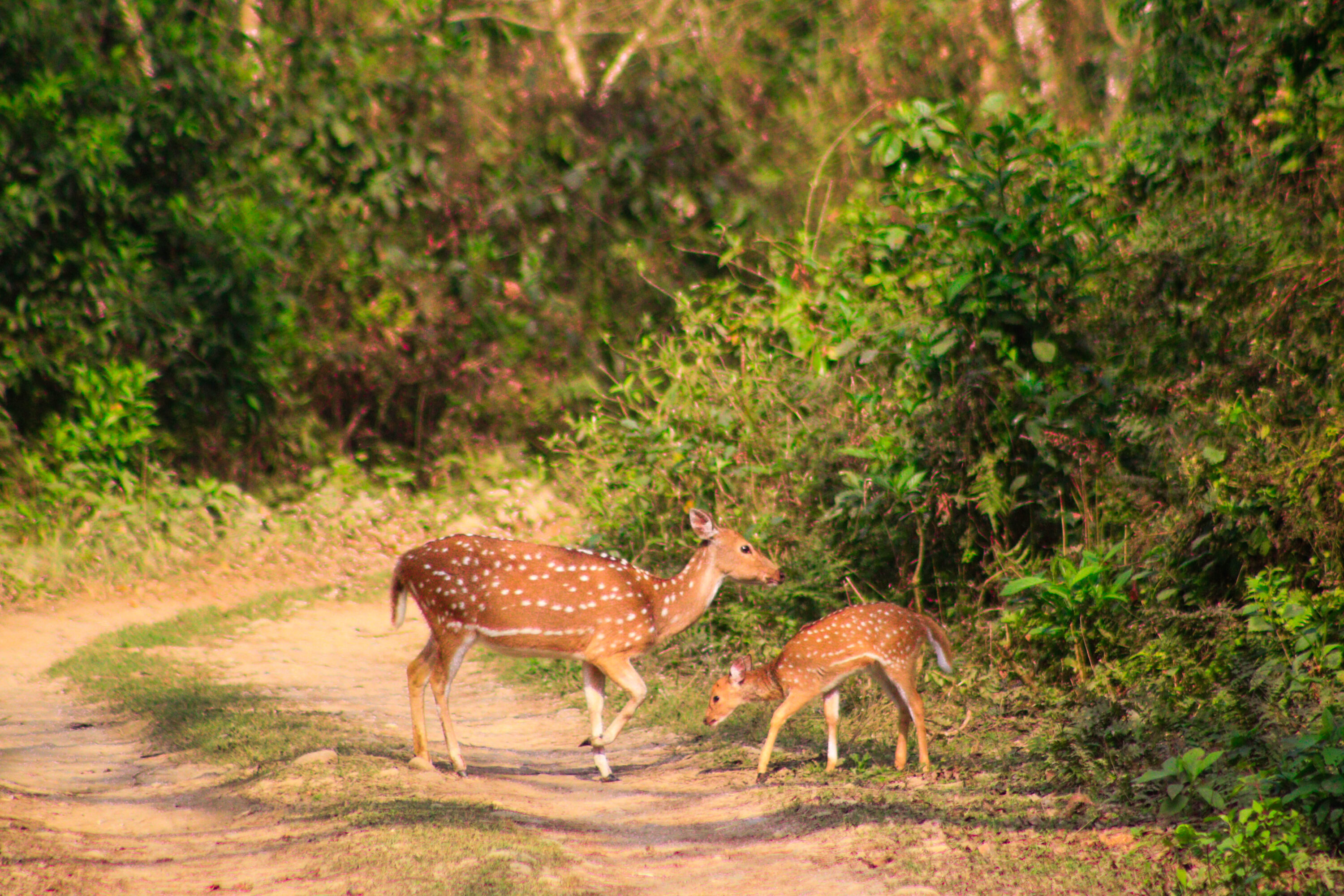
Human Activity and Large Wildlife Overlapped Most in Chitwan’s Buffer Zone
Camera traps across Chitwan National Park and surrounding forests showed the greatest overlap of human activity with large…
Read story →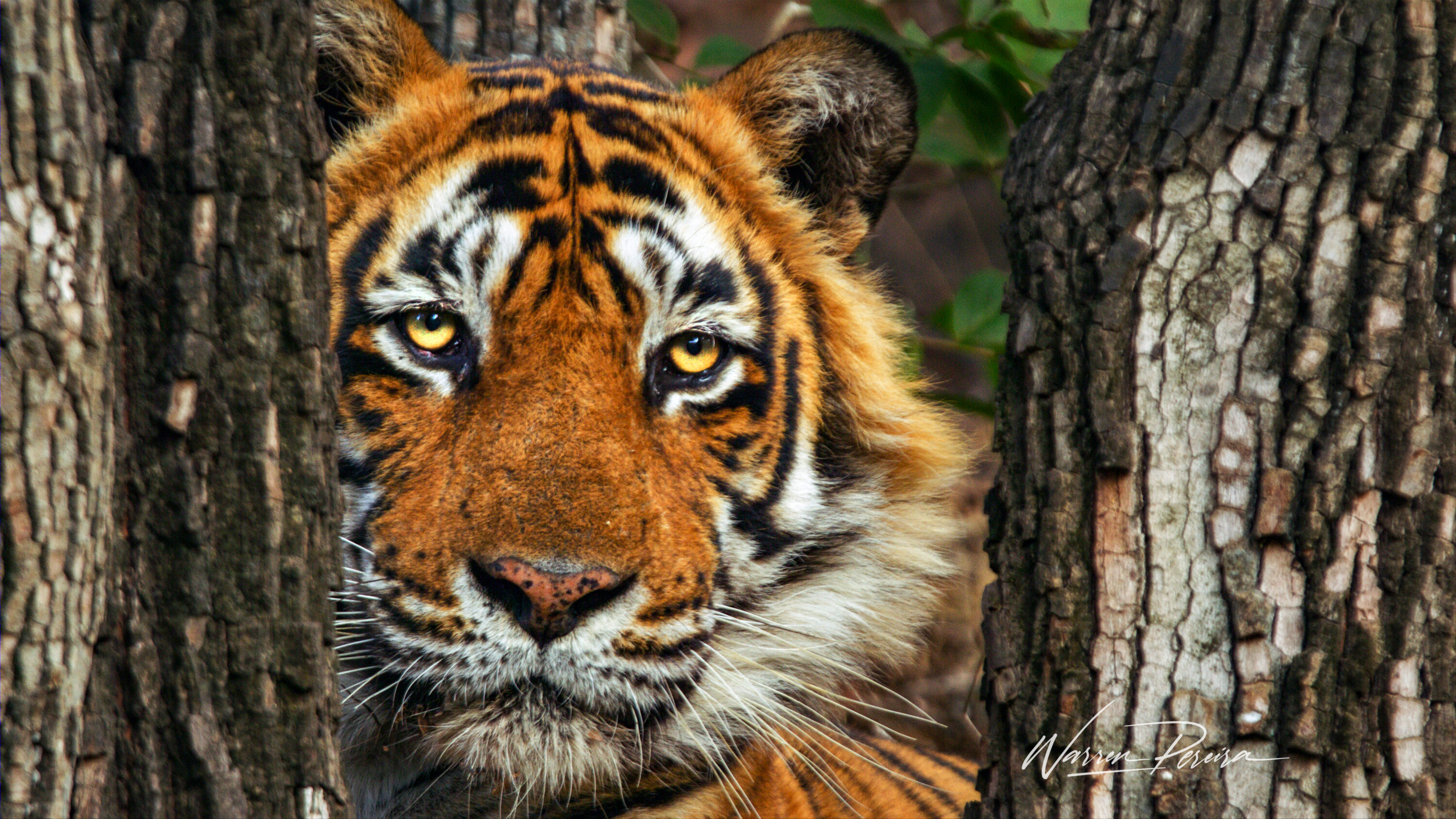
India launches a new evaluation cycle for its 58 tiger reserves
India’s sixth management effectiveness evaluation is planned to cover all 58 tiger reserves. The new cycle adds solid…
Read story →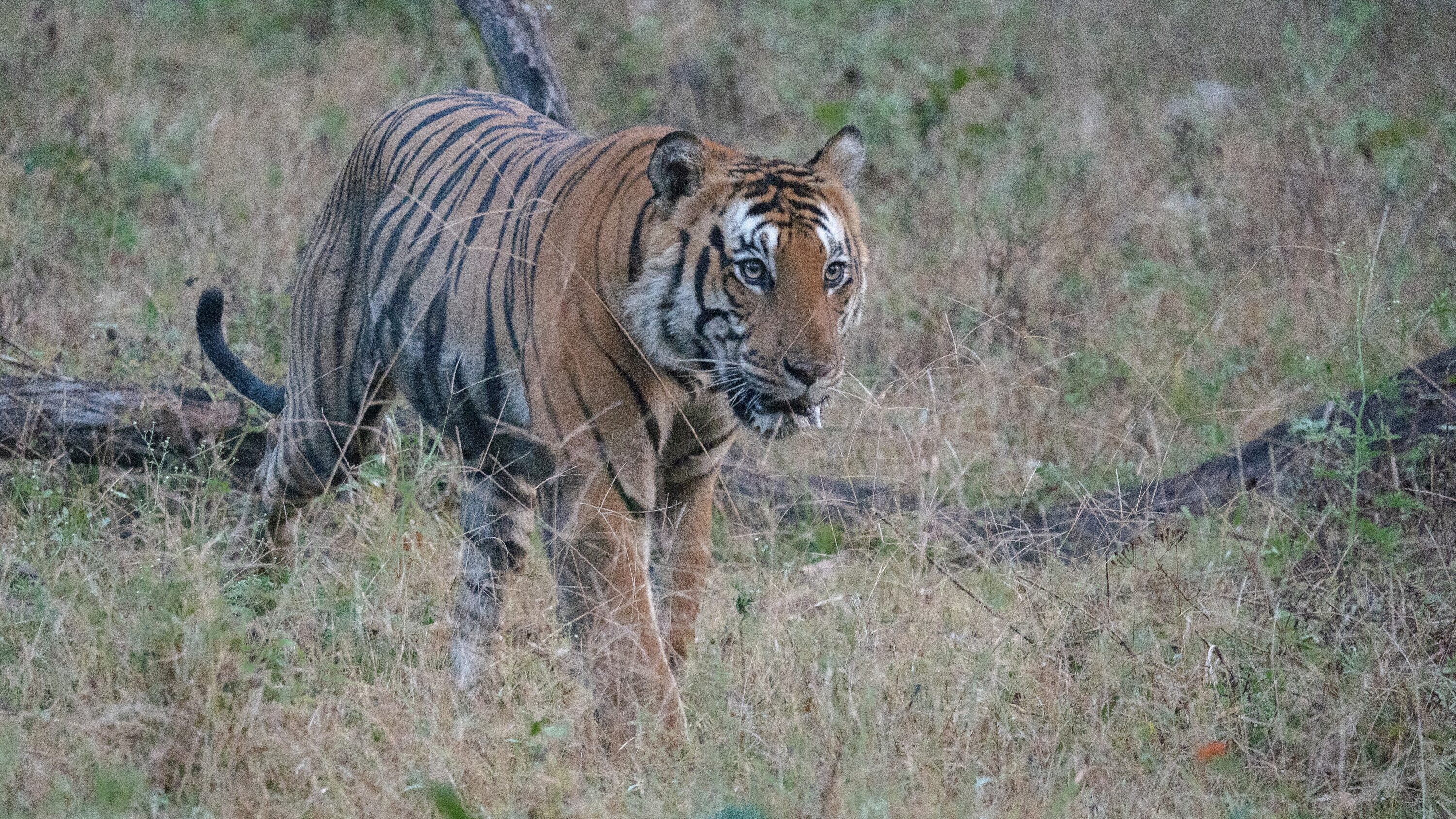
One Male Tiger Confirmed in Bhutan’s Biological Corridor 7
A 5,144-trap-night survey photographed one adult male tiger at two stations in Bhutan’s Biological Corridor 7, confirming use…
Read story →SPECIES IN THIS STORY
Species in this story
Independent research and conservation news archive
Did you find this information useful?
Wildlife Vagabond is independently built and maintained. Voluntary support helps cover source verification, hosting and continued work on research and conservation news.
Support Wildlife VagabondThe news archive will remain freely available.