
Michigan Collars 41 More Moose to Investigate Slow Population Growth
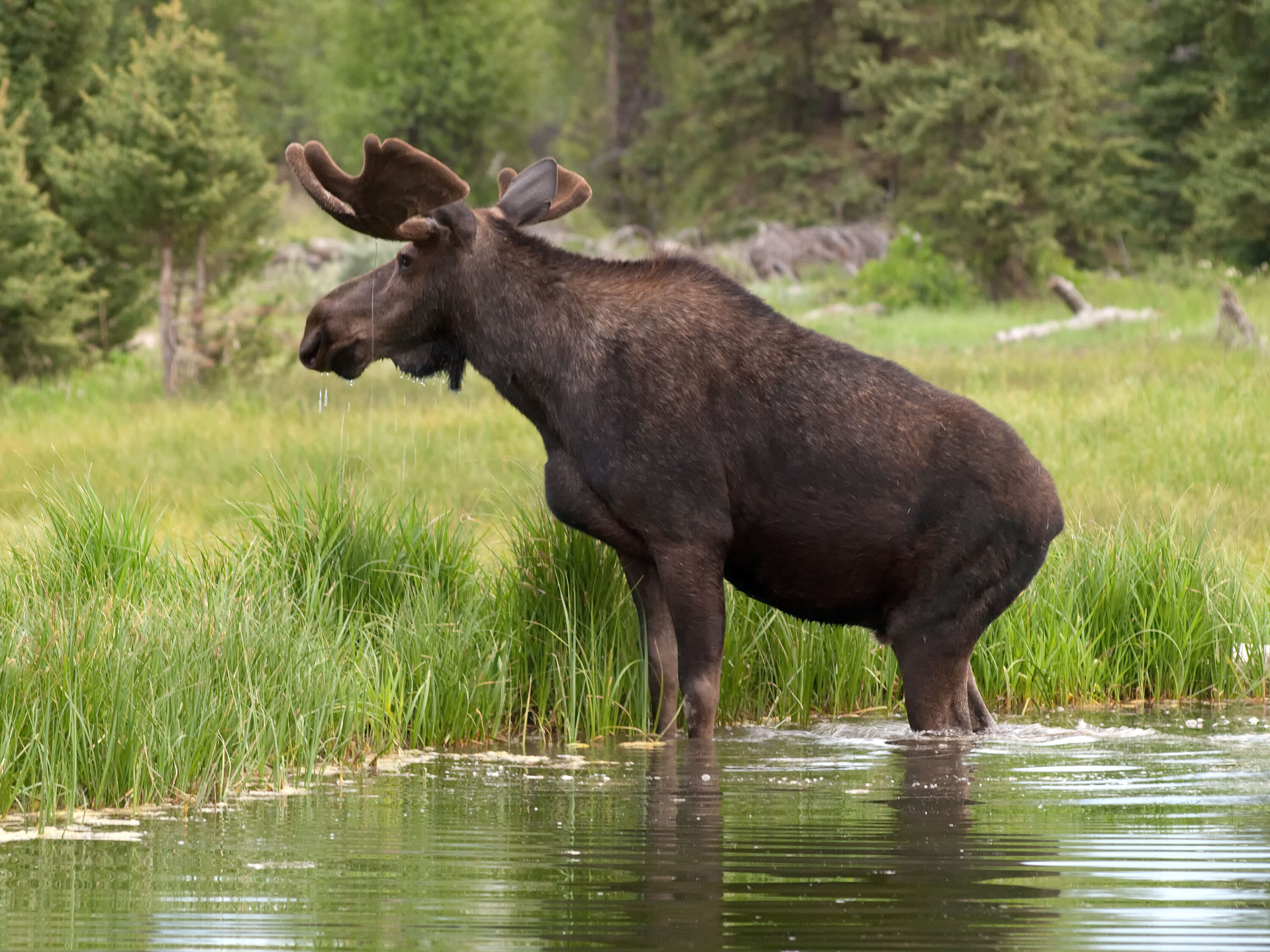
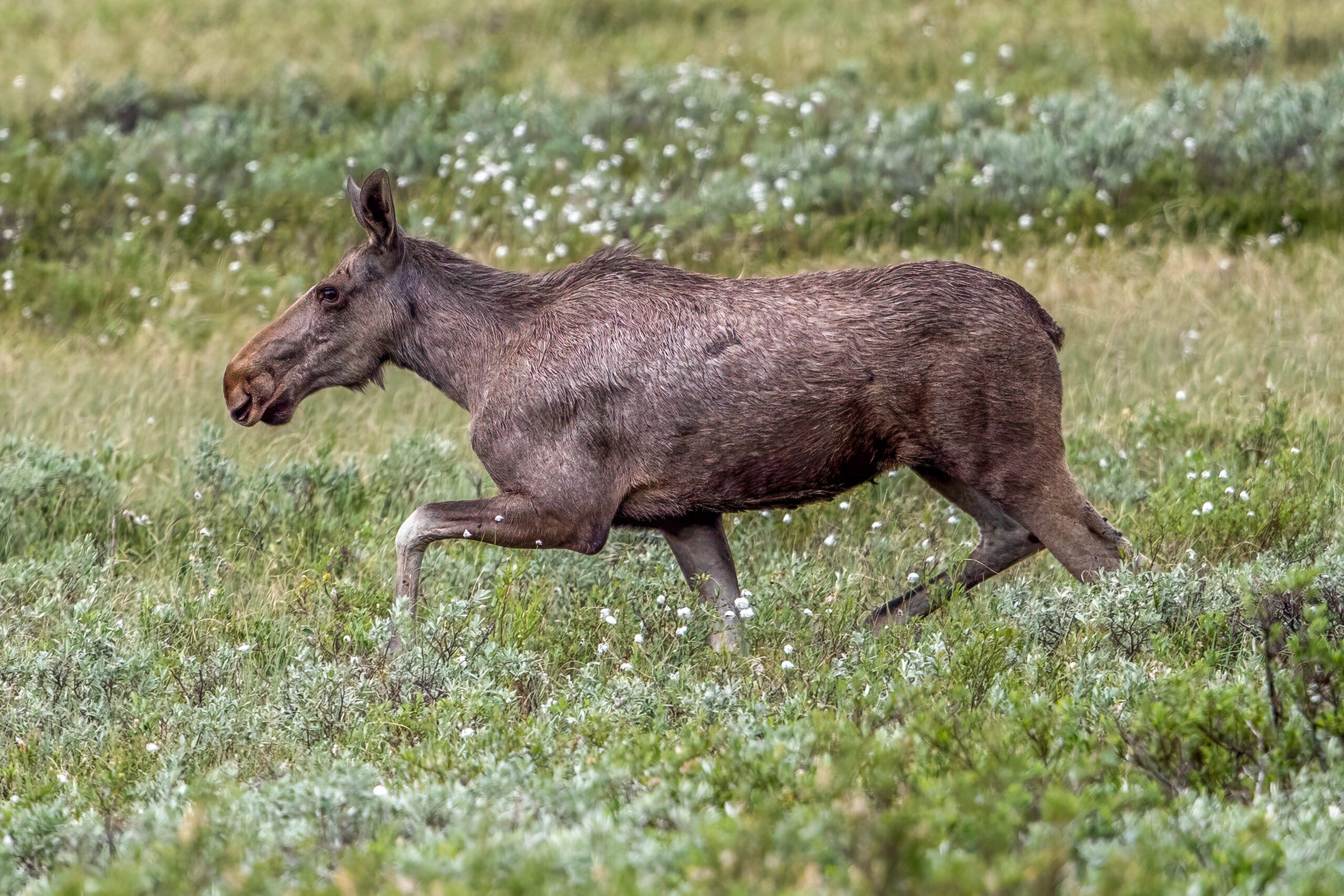
Researchers fitted GPS collars to 41 wild moose (Alces alces) in Michigan, USA’s western Upper Peninsula during winter 2026, more than doubling the number of animals enrolled in a long-term study of the state’s slow-growing herd. The new group included 20 adult females, 10 adult males and 11 calves.
Northern Michigan University reported completion of the operation on 10 April 2026. The first capture effort in 2025 had deployed 15 collars; adding 41 animals in 2026 increased the tracked sample to 56.
The project is testing what lies behind slow population growth
Moose were reintroduced to the western Upper Peninsula in the mid-1980s, but the herd has grown much more slowly than managers originally expected. A 2025 aerial survey estimated about 300 moose in the core range across Marquette, Baraga and Iron counties, compared with 426 in 2023 — roughly 30% fewer in the newer estimate.
Those aerial figures are estimates rather than complete counts. One aim of the collar study is to distinguish deaths and reproduction from movements into or out of the established survey area, which can otherwise make changes in aerial detections difficult to interpret.
The larger collar sample links movement with survival and health
The GPS collars provide detailed information on how moose use the landscape and contribute to survival and movement analyses. Researchers also collected biological samples for disease surveillance, checked animals for ticks and gathered faecal pellets to study diet. Together, these data are intended to help separate the roles of health, reproduction, mortality, habitat use and movement in the herd’s slow growth.
The April update reports fieldwork, not a cause
The project is examining several possible limits on population growth, including mortality, reproduction, health, parasites, habitat and emigration. The 10 April update does not identify which factor is responsible for the herd’s slow growth. Its new result is the expanded tracked sample that will allow those alternatives to be tested over the coming years.
Population & status
Related news
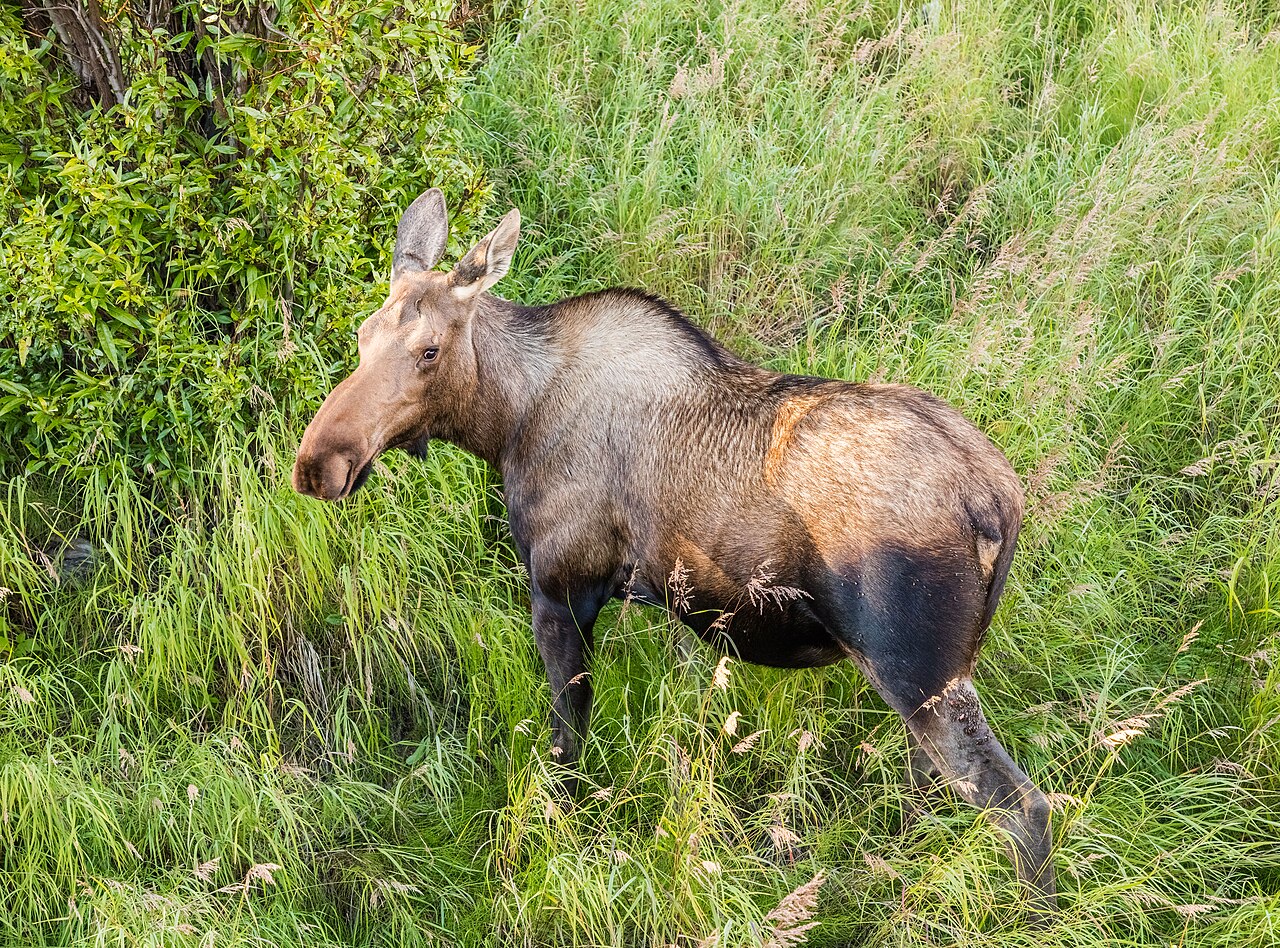
Arctic Moose Follow the River Valleys
GPS tracking in Alaska showed that half of 24 female moose migrated between summer and winter ranges. Migrants…
Read story →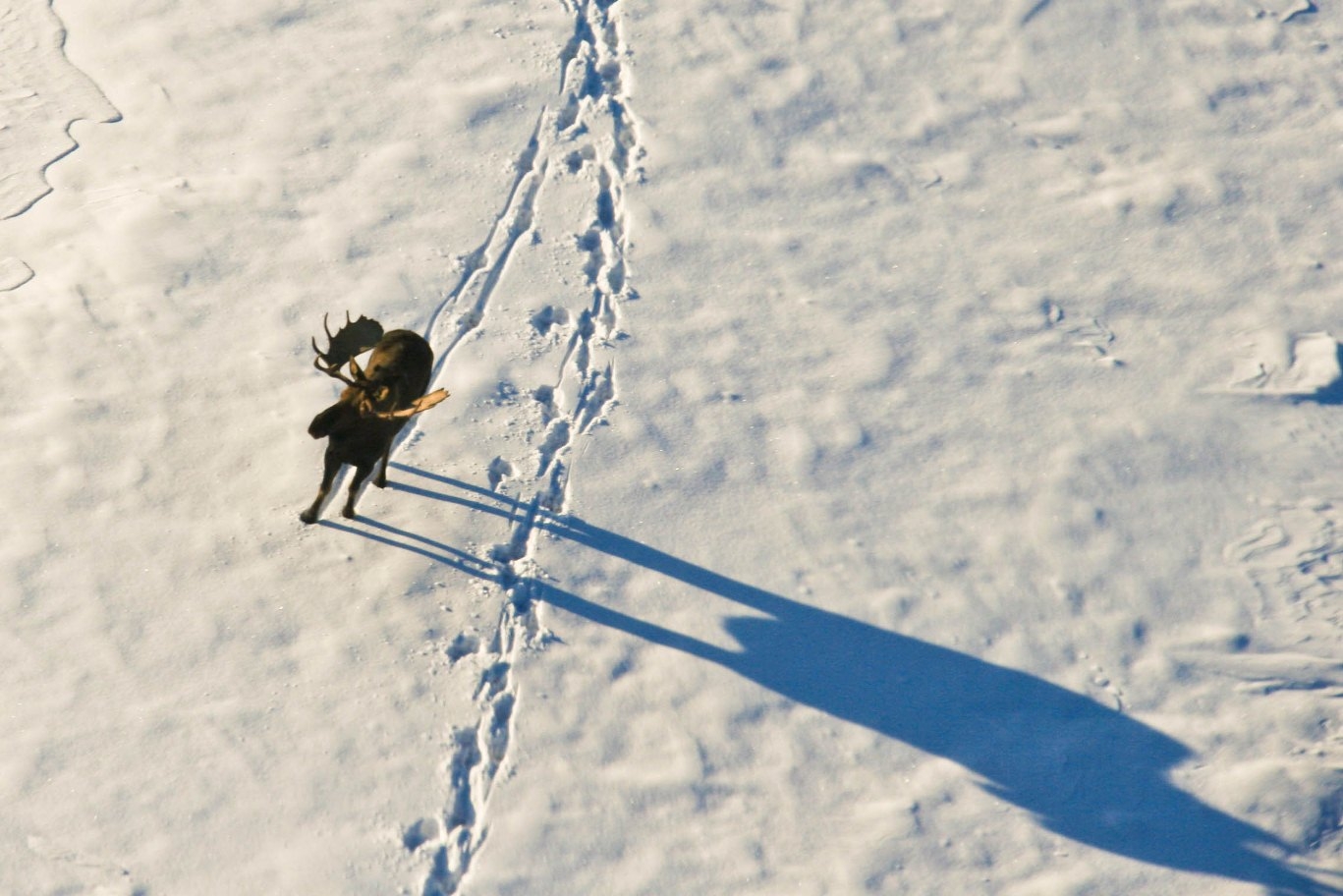
Thermal Drones Found Nearly All Moose in Favourable Winter Weather
Swedish trials found detection close to 100% in cold, overcast winter conditions, but the survey effort needed for…
Read story →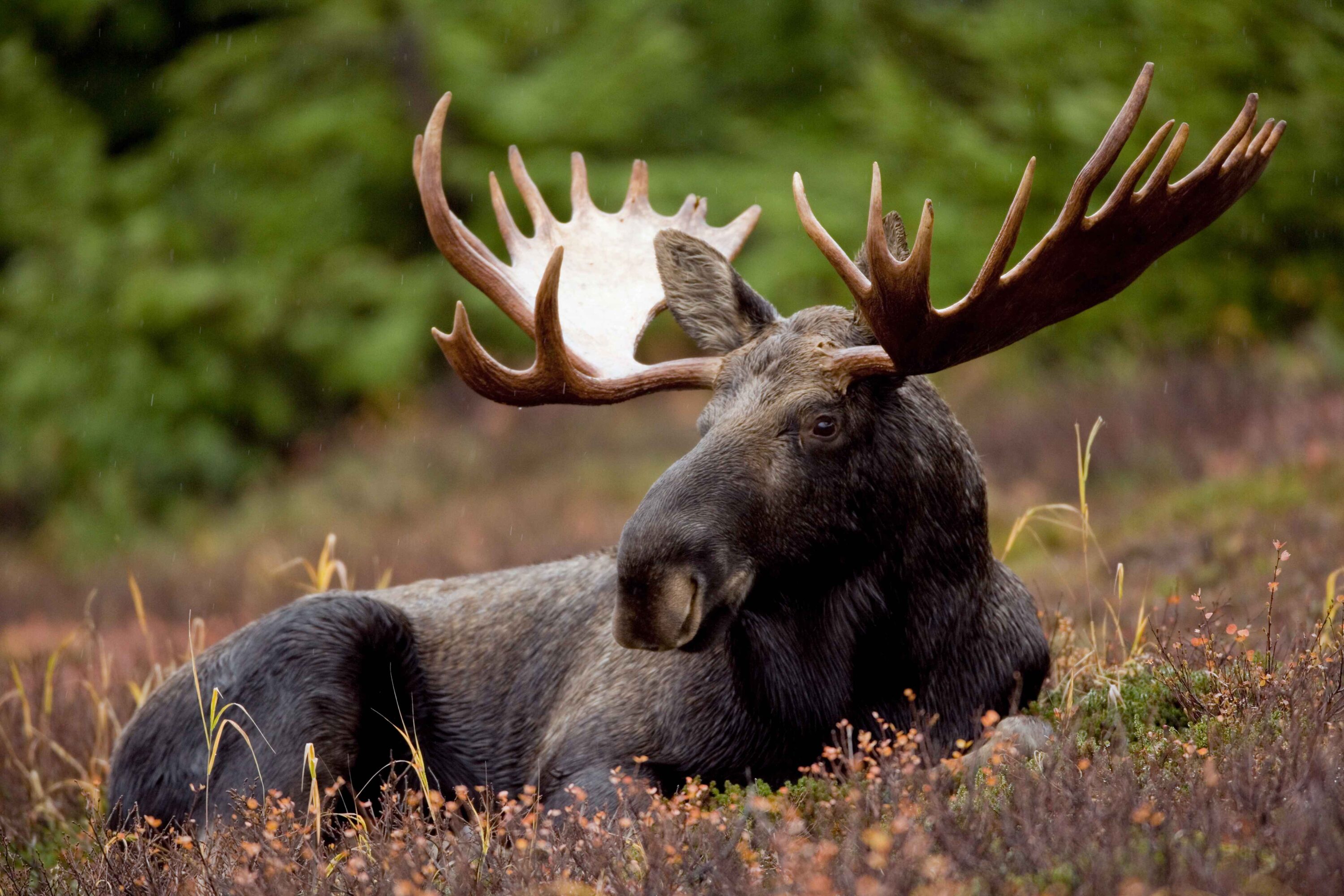
Even Adirondack Park’s Densest Moose Area Was Too Sparse for Precise Aerial Estimates
Helicopter surveys estimated about 92 moose in the Adirondack core in 2024 and 112 in 2025, but broad…
Read story →SPECIES IN THIS STORY
Species in this story
Independent research and conservation news archive
Did you find this information useful?
Wildlife Vagabond is independently built and maintained. Voluntary support helps cover source verification, hosting and continued work on research and conservation news.
Support Wildlife VagabondThe news archive will remain freely available.