
Microplastics Were Detected in 77% of Fecal Samples From Wintering Whooper Swans in North China
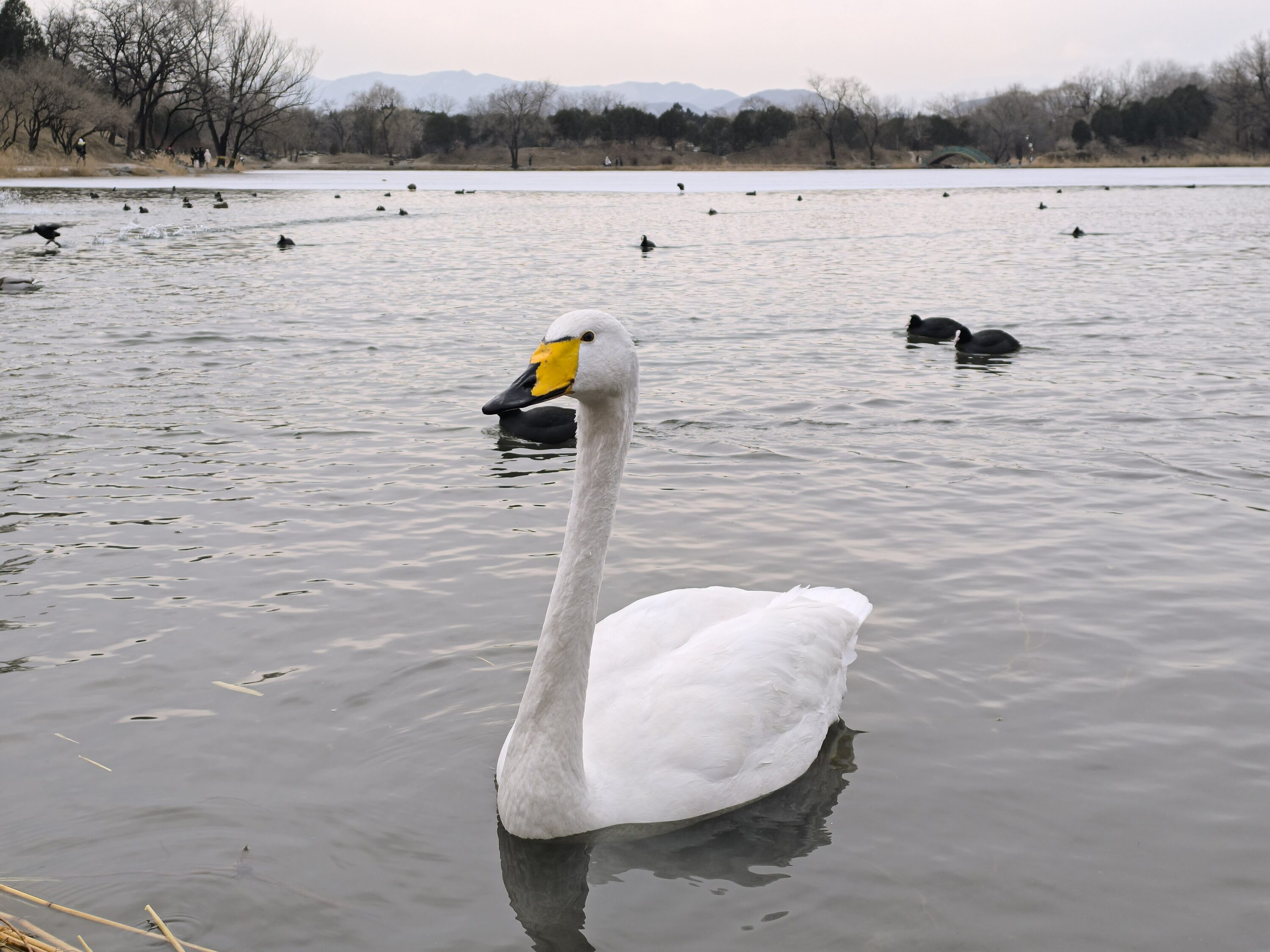
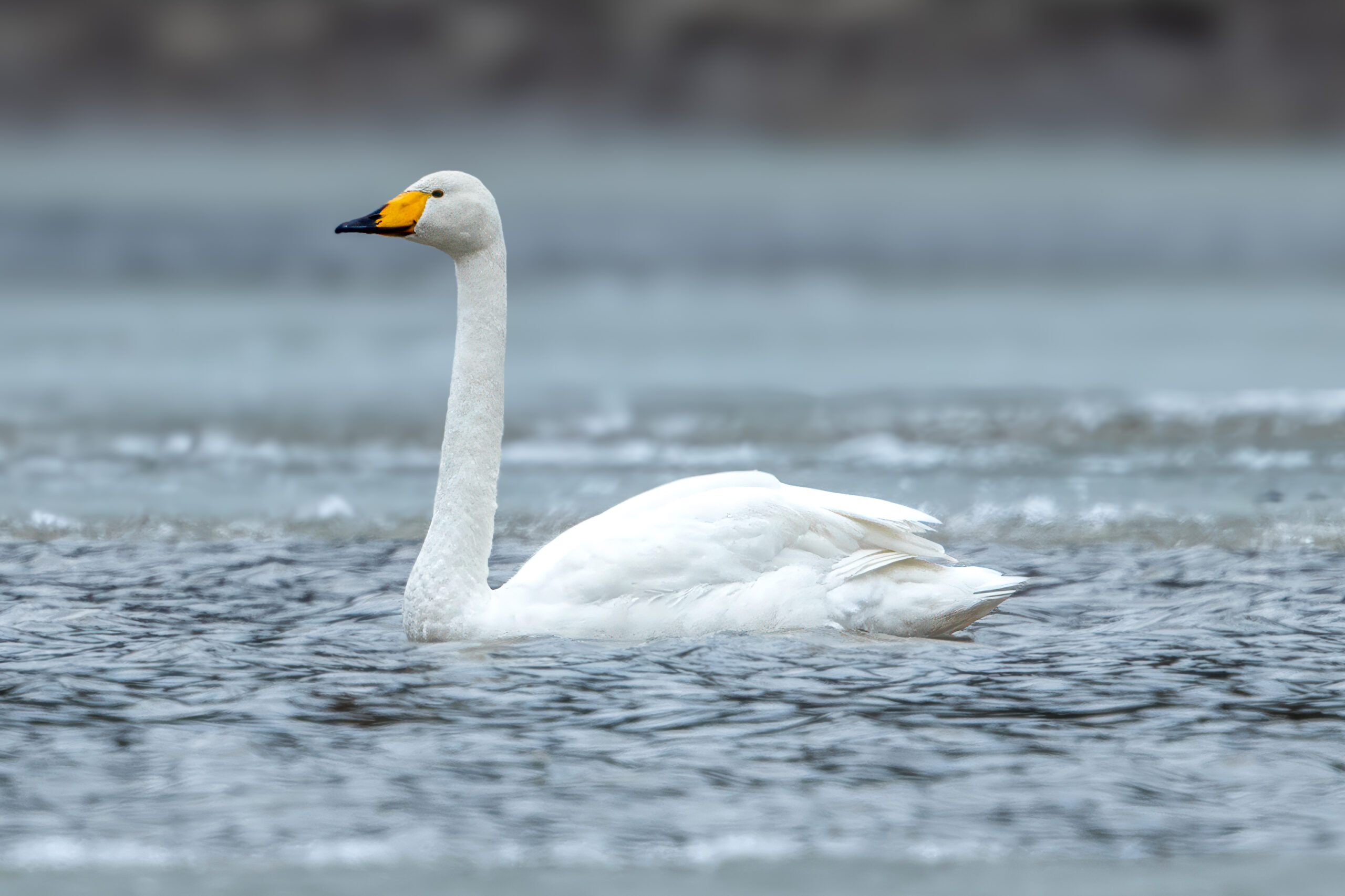
Microplastics were detected in 23 of 30 fecal samples from wintering whooper swans (Cygnus cygnus) at Swan Lake in Rongcheng, northern China. The study, first published online on 21 February 2026, compared plastics in swan feces with those found in surrounding water and sediment.
The overall detection rate in feces was about 77%, with a mean abundance of 0.4 microplastic items per gram. The researchers used the samples to examine how closely the plastics associated with the birds reflected contamination in their wintering habitat.
Fecal microplastics overlapped with those in the environment
Fragments were the most common form in both sediment and swan feces, with polypropylene and polyethylene among the dominant polymers. Fibres were more common in the water, where polyethylene terephthalate was prominent.
The composition of microplastics in fecal samples overlapped with the composition found in the surrounding water and sediment. The authors therefore suggest that whooper swans could be useful bioindicators for monitoring microplastic pollution at wintering sites.
Overall risk was low, but some higher-toxicity polymers were present
Three different pollution and ecological-risk indices all indicated that the overall indexed risk associated with the measured microplastic contamination was low. These indices combine features of the detected plastics; the study did not directly measure health effects in the swans. The study did, however, identify polymers with higher toxicity ratings, including polyacrylonitrile and polyurethane, in specific parts of the lake.
Source analyses linked much of the plastic contamination to local fishery operations, smaller runoff inputs and beach tourism. Different source types were associated with different shapes and polymer compositions.
Swan Lake is an important wintering area for migratory whooper swans and contains extensive seagrass habitat. The study does not show that the birds are currently experiencing high ecological risk from microplastics, but it demonstrates widespread exposure within the wintering environment and identifies local sources that could be targeted if pollution is to be reduced.
Threats
Related news
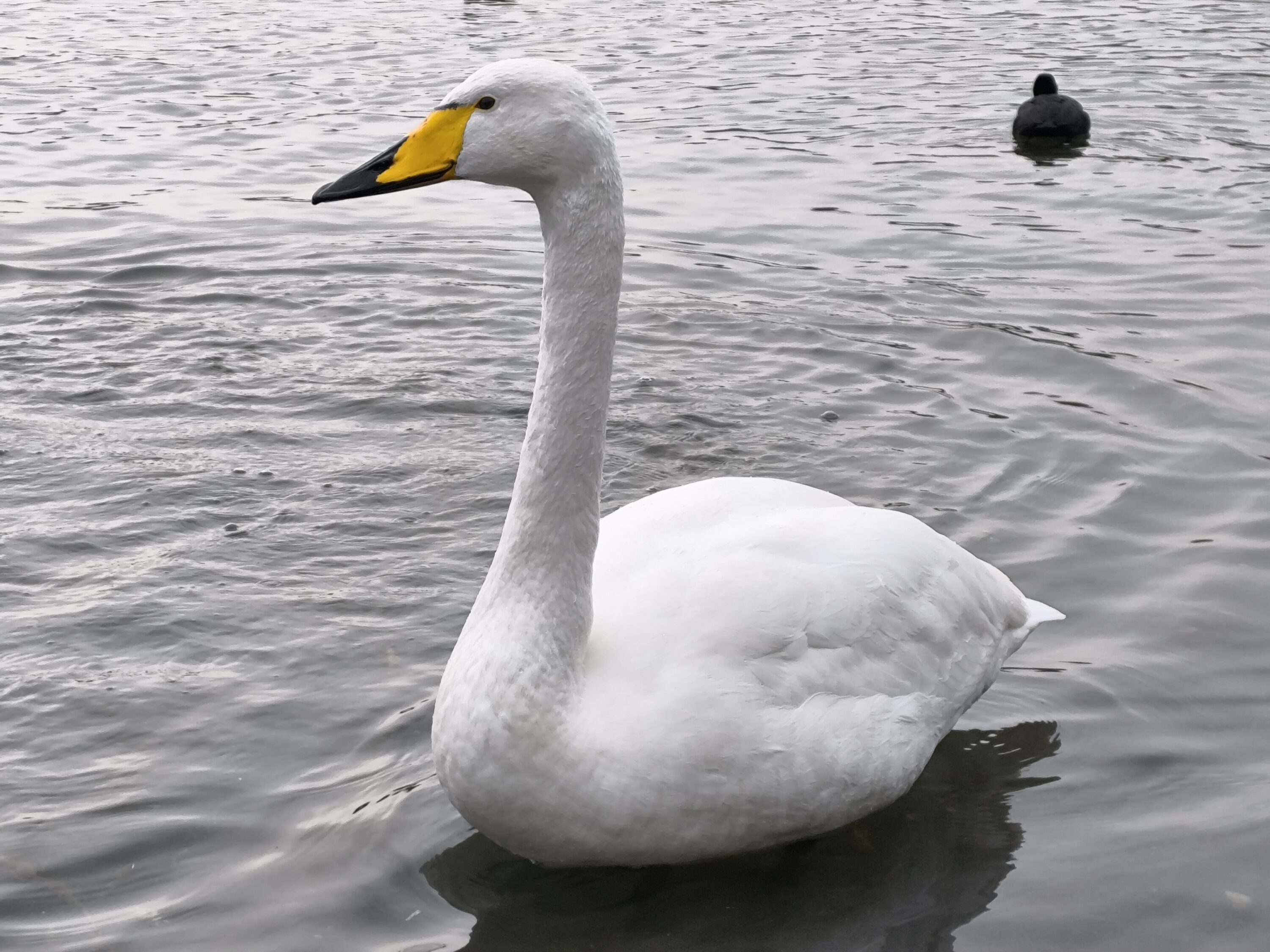
Whooper Swans in Urban and Natural Xinjiang Wetlands Had Different Gut Microbiomes
A study of 34 faecal samples found clear differences in gut bacterial communities between whooper swans wintering in…
Read story →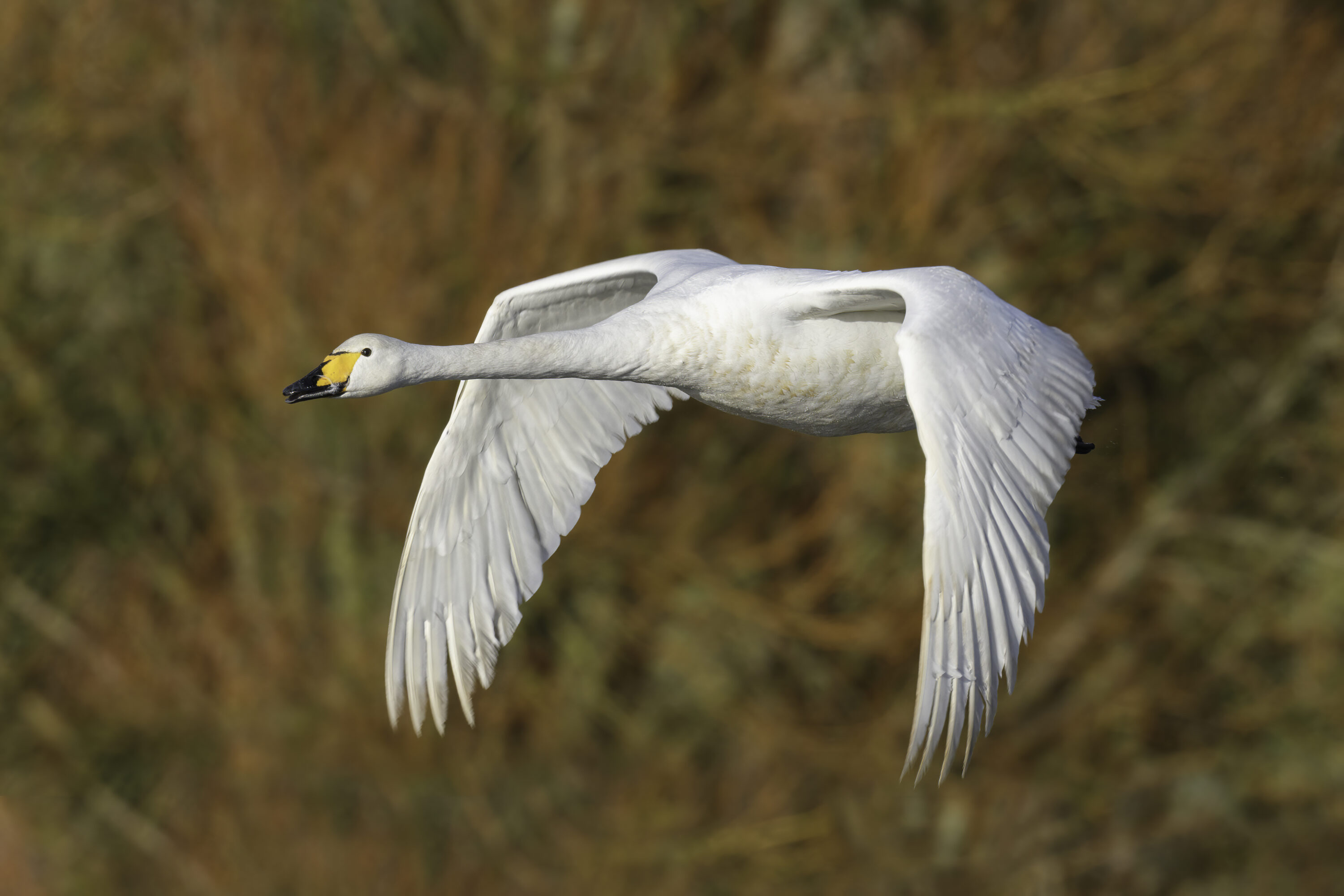
Gut Microbial Communities Differed Between Pre- and Post-migration Whooper Swan Samples in Xinjiang
Metagenomic sequencing of 24 whooper swan fecal samples from Xinjiang found similar overall microbial diversity before and after…
Read story →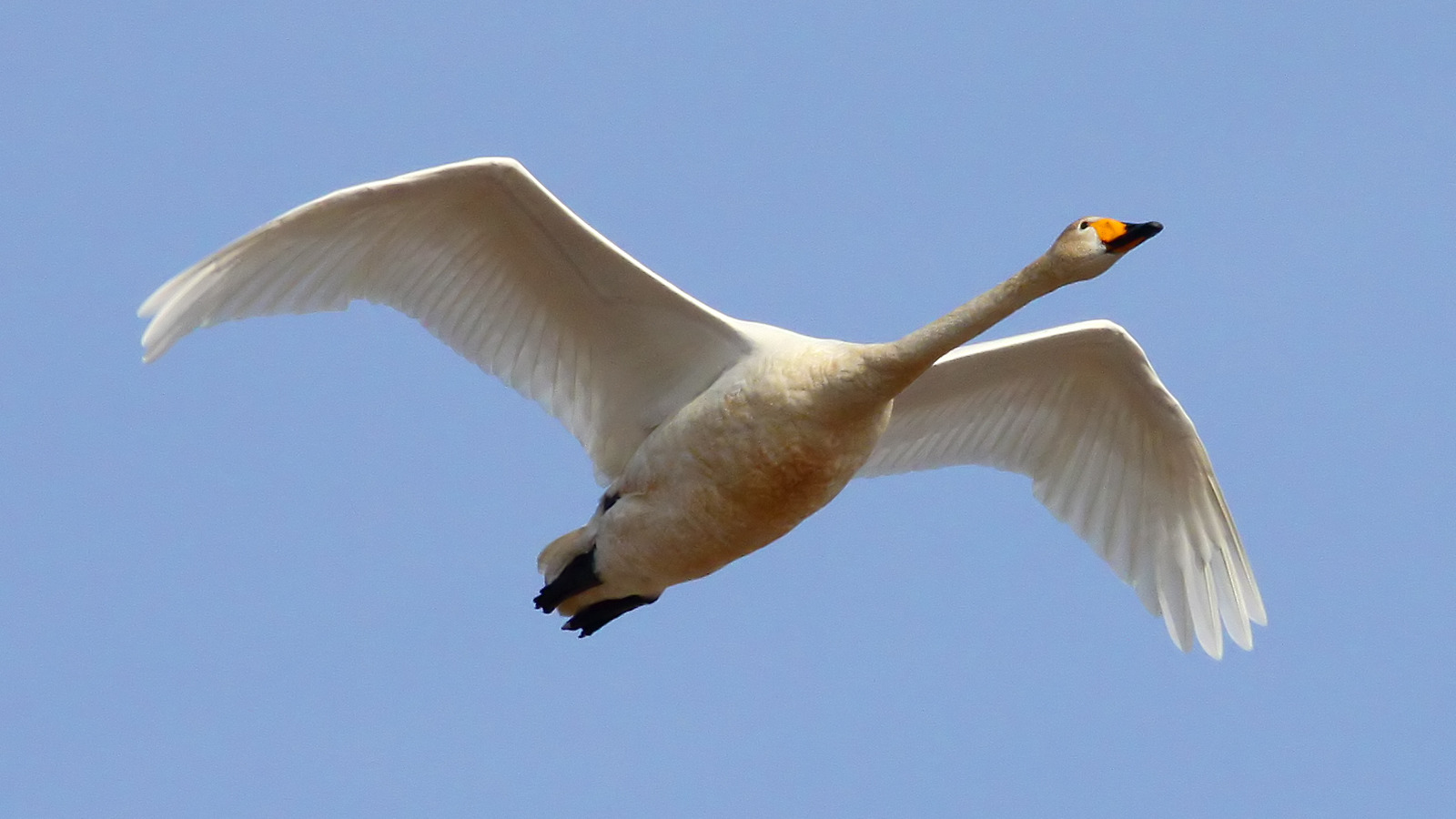
Eleven of 12 Tagged Whooper Swans Shared an Early Spring Migration Axis Before Routes Diverged
GNSS tracking of 12 whooper swans from South Korea’s Nakdong Estuary found that 11 initially used the same…
Read story →SPECIES IN THIS STORY
Species in this story
Independent research and conservation news archive
Did you find this information useful?
Wildlife Vagabond is independently built and maintained. Voluntary support helps cover source verification, hosting and continued work on research and conservation news.
Support Wildlife VagabondThe news archive will remain freely available.