
Whooper Swans in Urban and Natural Xinjiang Wetlands Had Different Gut Microbiomes
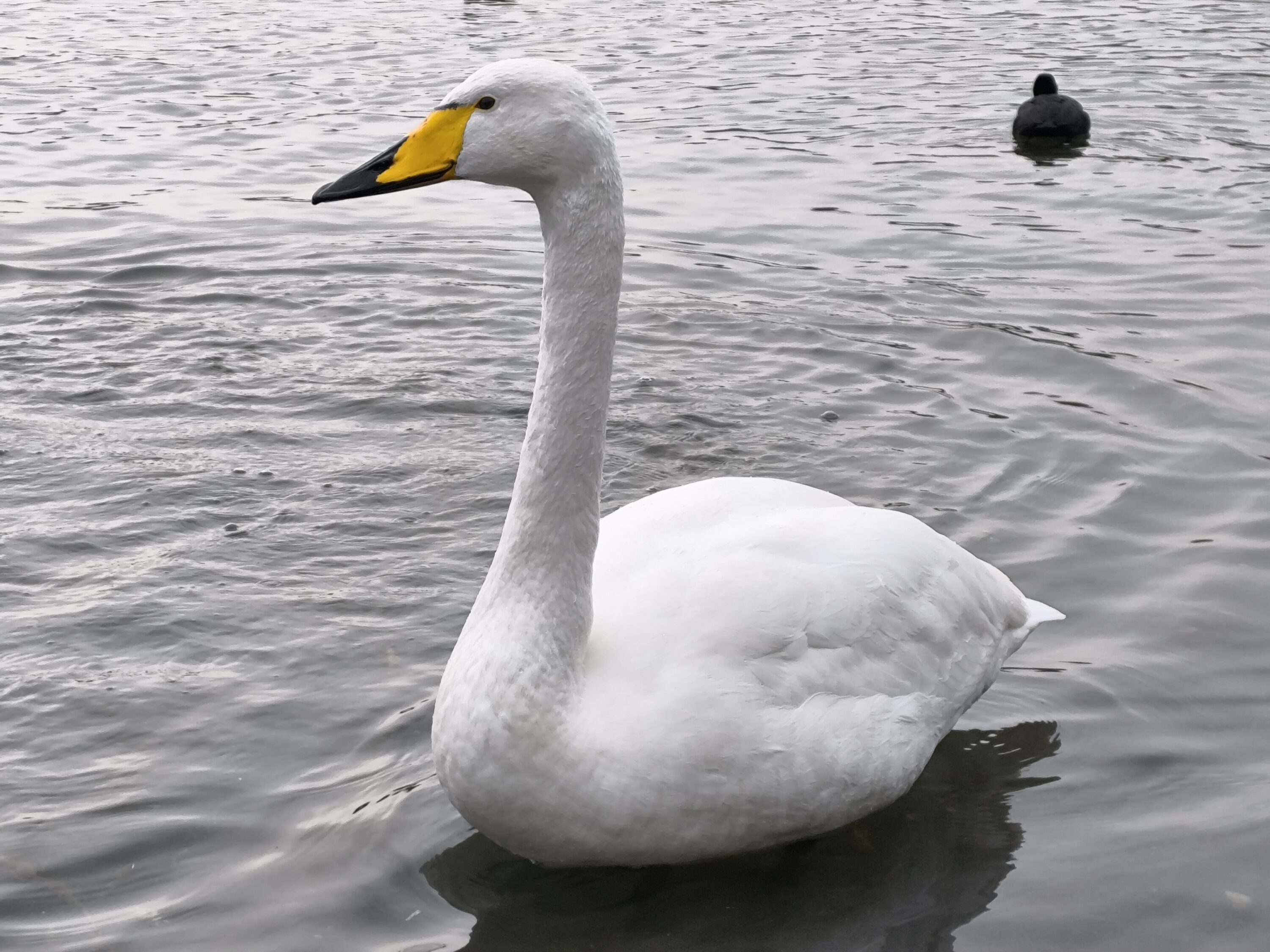
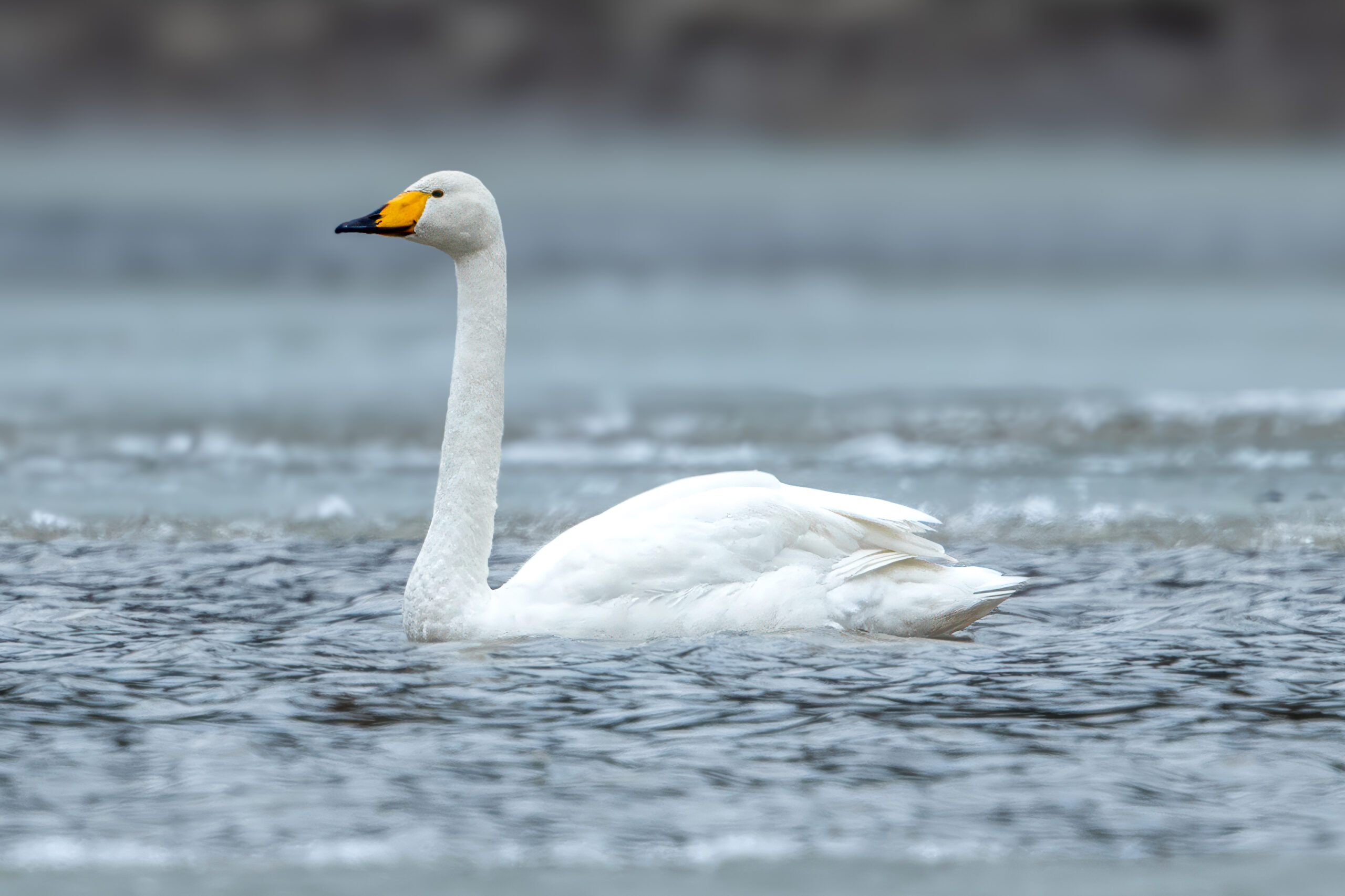
Whooper swans (Cygnus cygnus) wintering in an urban wetland and a natural river habitat in Xinjiang, China, had clearly different gut bacterial communities. Researchers analysed 34 fresh faecal samples collected in December 2025: 21 from Swan Bay on the Kaidu River in Hejing County and 13 from Workers’ Park in Korla City, an artificial urban wetland with intensive recreation and regular feeding of swans.
The Two Groups Shared a Microbial Core
Using 16S rRNA gene sequencing — sequencing a bacterial marker gene to identify and compare bacteria in the faecal samples — the researchers identified 2,207 operational taxonomic units, or OTUs—clusters of closely similar bacterial sequences used here to describe microbial types. Of these, 734 occurred in both habitats. The two groups were also dominated by the same major bacterial phyla, including Firmicutes, Fusobacteriota, Proteobacteria, Campylobacterota and Bacteroidota, showing that a substantial core microbiota was shared despite the contrasting winter environments.
The Habitats Differed in the Balance of Bacteria
The balance within that core differed, however. The overall bacterial community structure differed clearly between the two habitats. The urban group also had a higher Simpson diversity index, which the authors interpret mainly as a more even distribution of bacterial taxa rather than a clear increase in the total number of taxa. Other diversity measures did not show a clear difference: Chao1, which mainly estimates how many taxa are present, and Shannon diversity, which combines taxon richness and evenness, showed no clear difference between habitats.
Several bacterial groups also differed in relative abundance. The urban swans had relatively more Campylobacter and Psychrobacter, whereas swans from the natural river habitat had higher relative abundances of groups including Fusobacterium, Romboutsia and Cetobacterium. In the authors’ discussion, several taxa enriched in the natural-river group are linked by earlier research to nutrient fermentation and short-chain-fatty-acid production, while the urban group contained more environmentally associated taxa. These are habitat-associated patterns: the study does not show that the habitat itself directly caused the microbial differences or that they produced a particular health effect.
Predicted Functions Pointed to Metabolic Differences
The researchers also used PICRUSt2 to infer likely microbial functions from the 16S profiles. This analysis predicted stronger representation of several metabolism-related pathways in the natural-river group, including pathways linked to carbohydrate and short-chain-fatty-acid metabolism. These are predictions from bacterial sequence data, not direct measurements of metabolic activity.
Free-Ranging Samples Limit Causal Conclusions
Because the samples came from free-ranging birds, the researchers could not control for sex, age, body condition or individual diet. They therefore describe the results as a preliminary baseline and recommend future work using methods such as metagenomics, dietary analyses and direct pathogen testing to determine what the microbiome differences mean for swan physiology and health.
Disease, parasites & microbiology
Related news
Gut Microbial Communities Differed Between Pre- and Post-migration Whooper Swan Samples in Xinjiang
Metagenomic sequencing of 24 whooper swan fecal samples from Xinjiang found similar overall microbial diversity before and after…
Read story →
Eleven of 12 Tagged Whooper Swans Shared an Early Spring Migration Axis Before Routes Diverged
GNSS tracking of 12 whooper swans from South Korea’s Nakdong Estuary found that 11 initially used the same…
Read story →
Mute Swan Nests Were More Concealed Where Whooper Swans Also Bred
Across 68 Mute Swan nests in Polish fishpond systems, nests were more concealed when Whooper Swans bred in…
Read story →SPECIES IN THIS STORY
Species in this story
Independent research and conservation news archive
Did you find this information useful?
Wildlife Vagabond is independently built and maintained. Voluntary support helps cover source verification, hosting and continued work on research and conservation news.
Support Wildlife VagabondThe news archive will remain freely available.