
Gut Microbial Communities Differed Between Pre- and Post-migration Whooper Swan Samples in Xinjiang
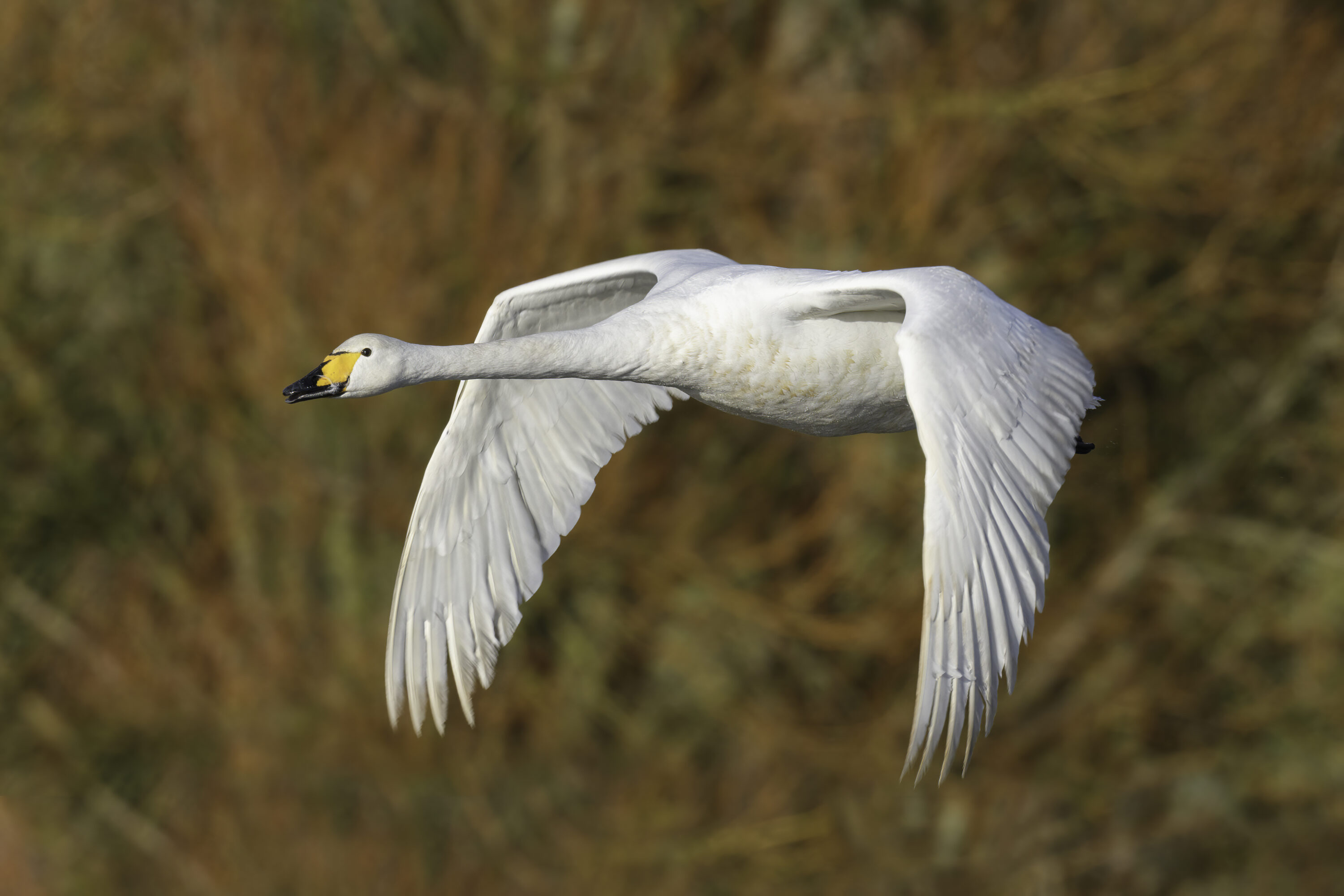
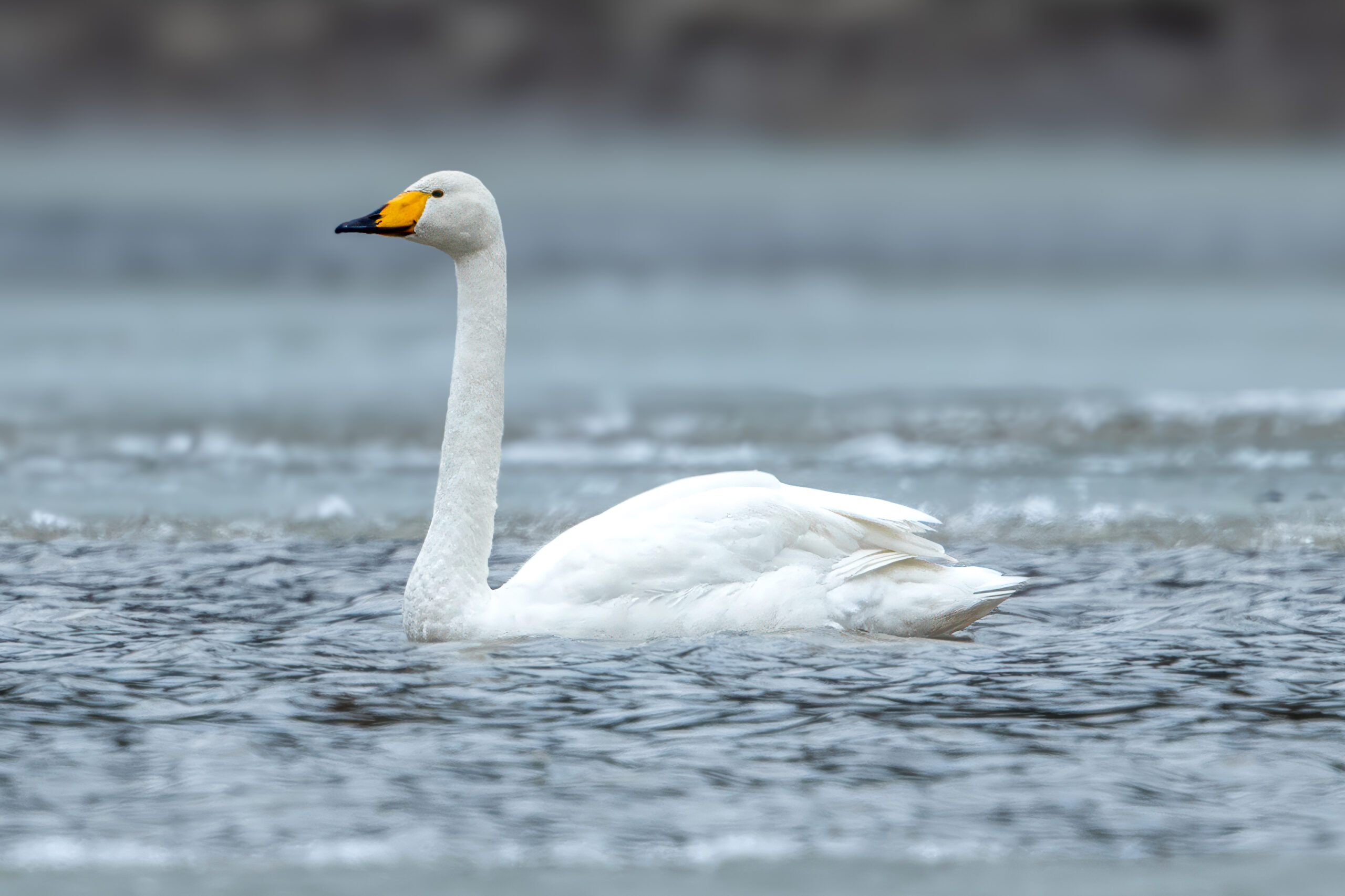
Metagenomic sequencing of 24 fecal samples from whooper swans (Cygnus cygnus) in Xinjiang, China, found clear differences in gut microbial community structure between groups sampled before and after migration. Metagenomics sequences DNA from the microbial community in a sample without targeting one organism in advance. The samples were arranged in four groups of six: two collected in March 2023 before spring departure and two in December after migration and arrival at wintering habitat. These were group samples from different times rather than repeated samples from the same individually identified swans.
Community composition changed while overall diversity stayed similar
Overall microbial alpha diversity did not show a clear difference between the pre- and post-migration groups. The Shannon index combines how many taxa are present with how evenly they are represented, while Chao1 estimates taxon richness from the number of rare taxa detected. Community composition did, however. Firmicutes were less abundant in the post-migration groups, while Clostridium increased; Fusobacteria also increased strongly in one of the post-migration groups. The functional gene profile shifted in the same broad direction: genes associated with carbohydrate and energy metabolism were less represented after migration, and glycoside hydrolases involved in breaking down complex carbohydrates were more abundant in the pre-migration groups. These metagenomic gene abundances describe the community’s genetic potential; the study did not directly measure metabolic rates inside the swans.
The authors do not attribute these patterns to migration alone. They discuss migration stage together with changes in diet and habitat as likely contributors. Before migration the swans were described as relying mainly on aquatic plants, whereas corn and other grains become important after migration, and the birds also move among wetlands, lakes and farmland with different microbial environments.
A separate study arm screened probiotic candidates
A second part of the study screened bacteria isolated from whooper swan feces for probiotic potential. Twelve strains were isolated. Two Bacillus subtilis strains, S07a and N1B, were non-haemolytic and tolerated acidic and bile-salt conditions, while S07a also inhibited three test bacteria in vitro. The authors then tested S07a in mice and reported no major toxicity in their acute and subacute experiments, together with changes in inflammatory and intestinal-barrier markers. They also note that the biosafety assessment did not include fecal shedding or bacterial-translocation tests.
The study therefore has two distinct results: the swan metagenomes show stage-associated changes in microbial composition and metabolic potential, while the laboratory work identifies S07a as a candidate for further probiotic research. The probiotic experiments were carried out in mice rather than whooper swans and do not demonstrate a health benefit for the birds themselves.
Disease, parasites & microbiology
Related news
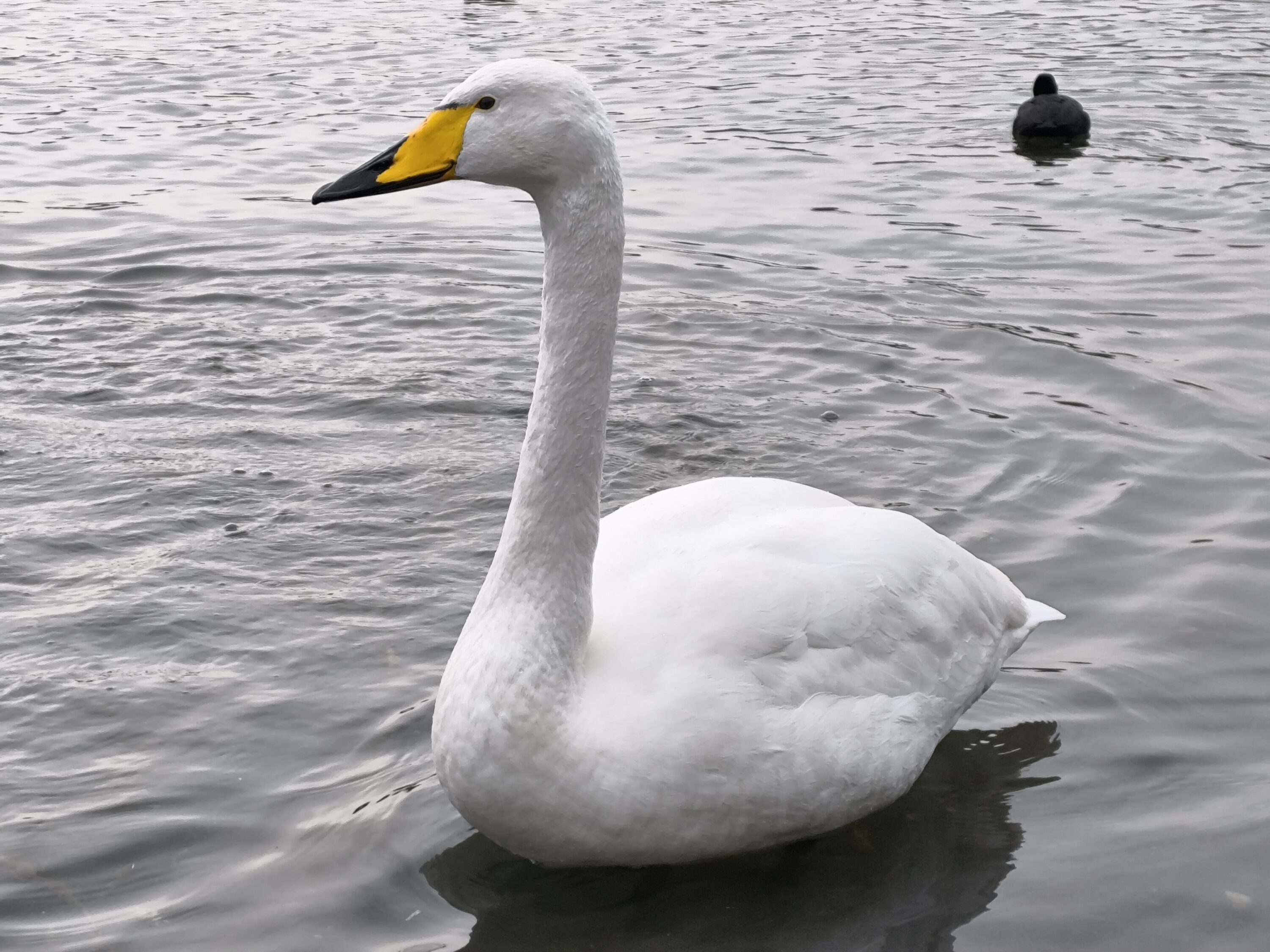
Whooper Swans in Urban and Natural Xinjiang Wetlands Had Different Gut Microbiomes
A study of 34 faecal samples found clear differences in gut bacterial communities between whooper swans wintering in…
Read story →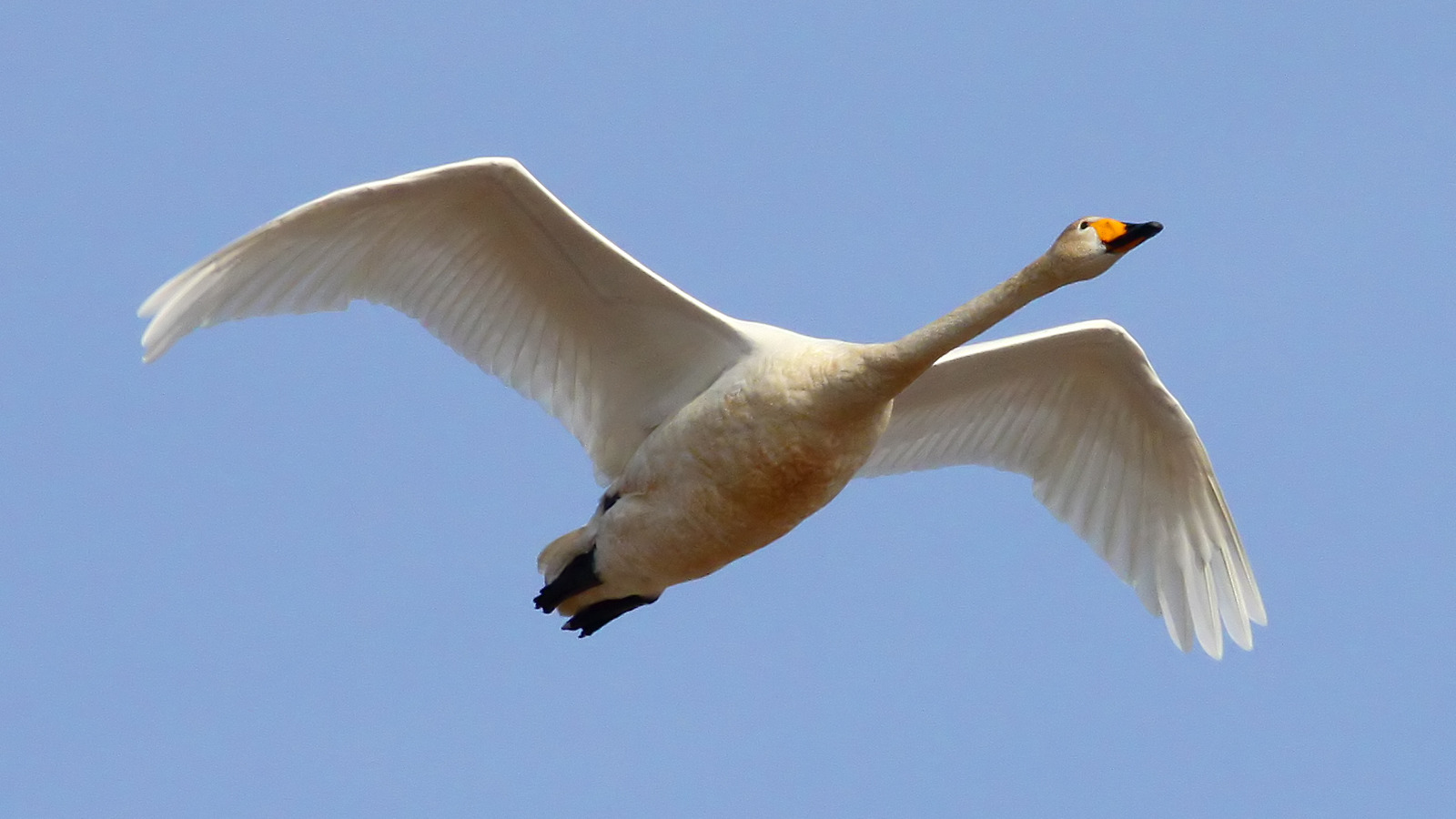
Eleven of 12 Tagged Whooper Swans Shared an Early Spring Migration Axis Before Routes Diverged
GNSS tracking of 12 whooper swans from South Korea’s Nakdong Estuary found that 11 initially used the same…
Read story →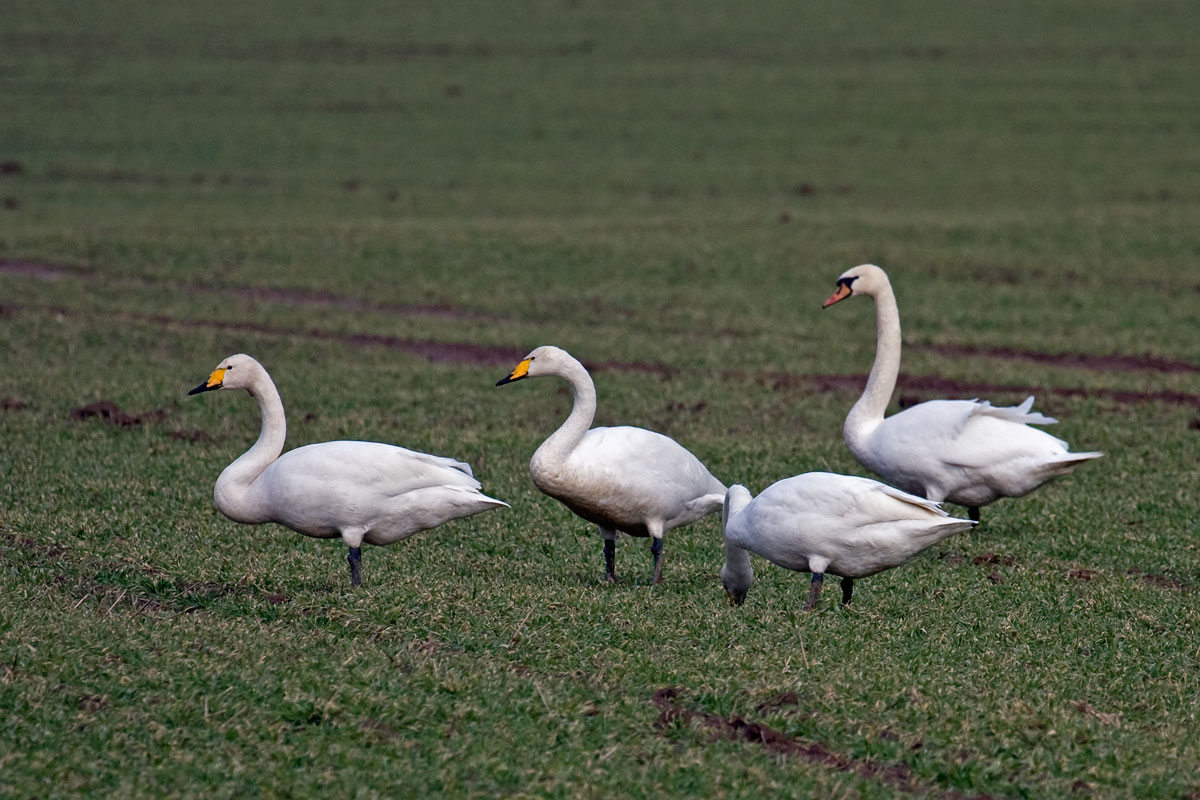
Mute Swan Nests Were More Concealed Where Whooper Swans Also Bred
Across 68 Mute Swan nests in Polish fishpond systems, nests were more concealed when Whooper Swans bred in…
Read story →SPECIES IN THIS STORY
Species in this story
Independent research and conservation news archive
Did you find this information useful?
Wildlife Vagabond is independently built and maintained. Voluntary support helps cover source verification, hosting and continued work on research and conservation news.
Support Wildlife VagabondThe news archive will remain freely available.