
Minnesota Survey Estimates 4,470 Moose as Population Remains Broadly Stable
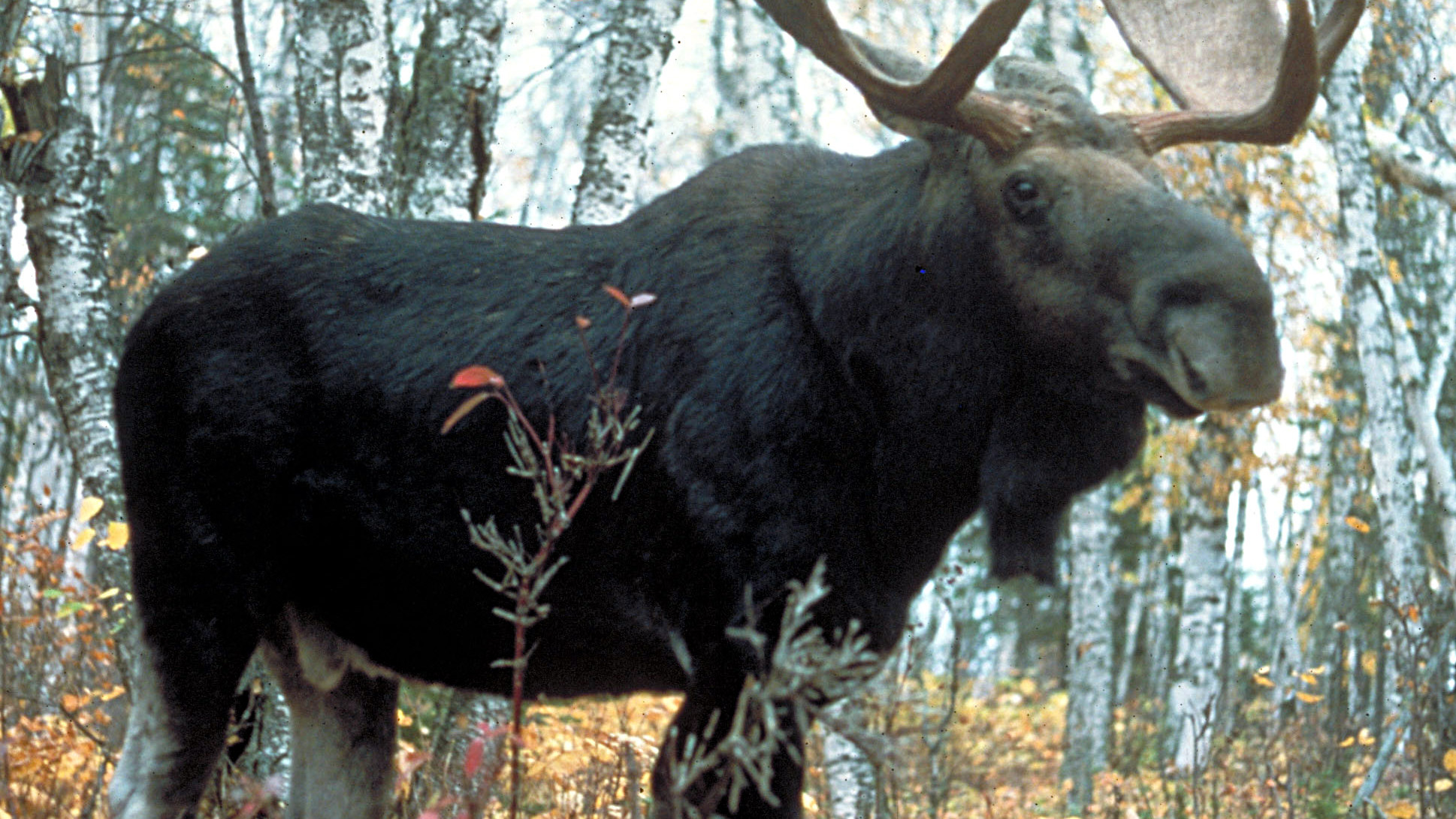
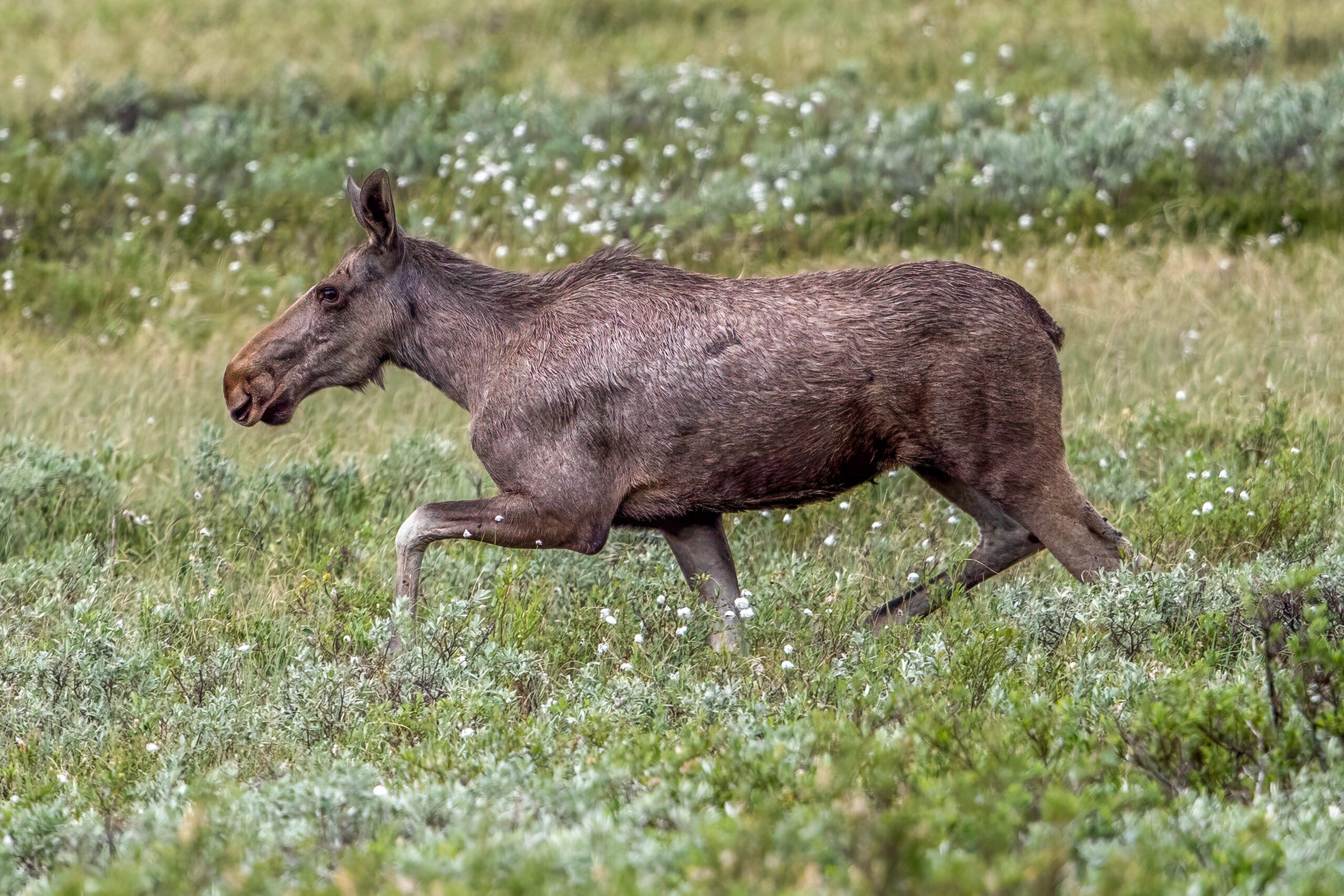
Minnesota, USA’s 2026 aerial survey estimates that approximately 4,470 moose (Alces alces) live in the northeastern part of the state. The survey report, dated 12 March 2026, describes the population as more or less stabilised after the steep decline of 2009–2013. The researchers nevertheless stress that this does not mean the population has recovered to its former level, and that substantial uncertainty surrounds the number for any single year.
A transect is a predefined line or route used to survey an area systematically, with observations, signs or sampling points recorded along it.
Survey teams flew over 53 sample plots between 7 and 29 January. The approximately 5,945-square-mile survey area covers most of the moose range in northeastern Minnesota, including the Boundary Waters Canoe Area Wilderness. Crews used two helicopters and followed parallel transects across plots classified as having low, medium or high expected moose density. Ten additional plots were included to monitor long-term responses to forest disturbance.
The crews directly observed 385 moose. Because animals can be hidden by vegetation, the observed total is not treated as the population size. Researchers adjusted the counts for the sampling design and for animals likely to have gone undetected.
The estimate was 4,470 moose, but remained imprecise
After these adjustments, the survey estimated about 4,470 moose. Uncertainty around a single year’s point estimate remained large. Bulls and cows made up similar shares of the estimated population, while calves were a smaller share.
An 11% higher estimate does not establish annual growth
The estimate was 11 percent higher than in 2025, but the report explicitly cautions against interpreting this as a definite annual increase. Because the annual estimate is imprecise, only fairly large year-to-year changes can be distinguished confidently from normal survey variation. Dense vegetation, shifting habitat use, responses to aircraft and annual differences in snow and temperature can all affect how many animals are detected.
The population remains far below its 2009 level
The long-term pattern is clearer. Minnesota’s estimated moose population fell steeply from about 8,000 animals in 2009 to 2,760 in 2013. Since then, annual estimates have fluctuated, but the researchers conclude that the population has more or less stabilised around 3,700–3,800 animals. In this context, “stabilised” means that average annual changes appear relatively small and variable, not that the number of moose is constant. A modest underlying increase or decrease may remain too small to detect over a short period.
Calf survival remains an important concern. The 2026 calf-to-cow estimate was toward the high end of the long-term survey record, but the report notes that survival can fall substantially between the January count and spring. Adult survival has the strongest long-term influence on population change.
The annual survey is conducted jointly by the Minnesota DNR, the Fond du Lac Band of Lake Superior Chippewa and the 1854 Treaty Authority. The report emphasises that repeated surveys are most useful for tracking a multi-year trend rather than ranking consecutive point estimates.
Population & status
Related news
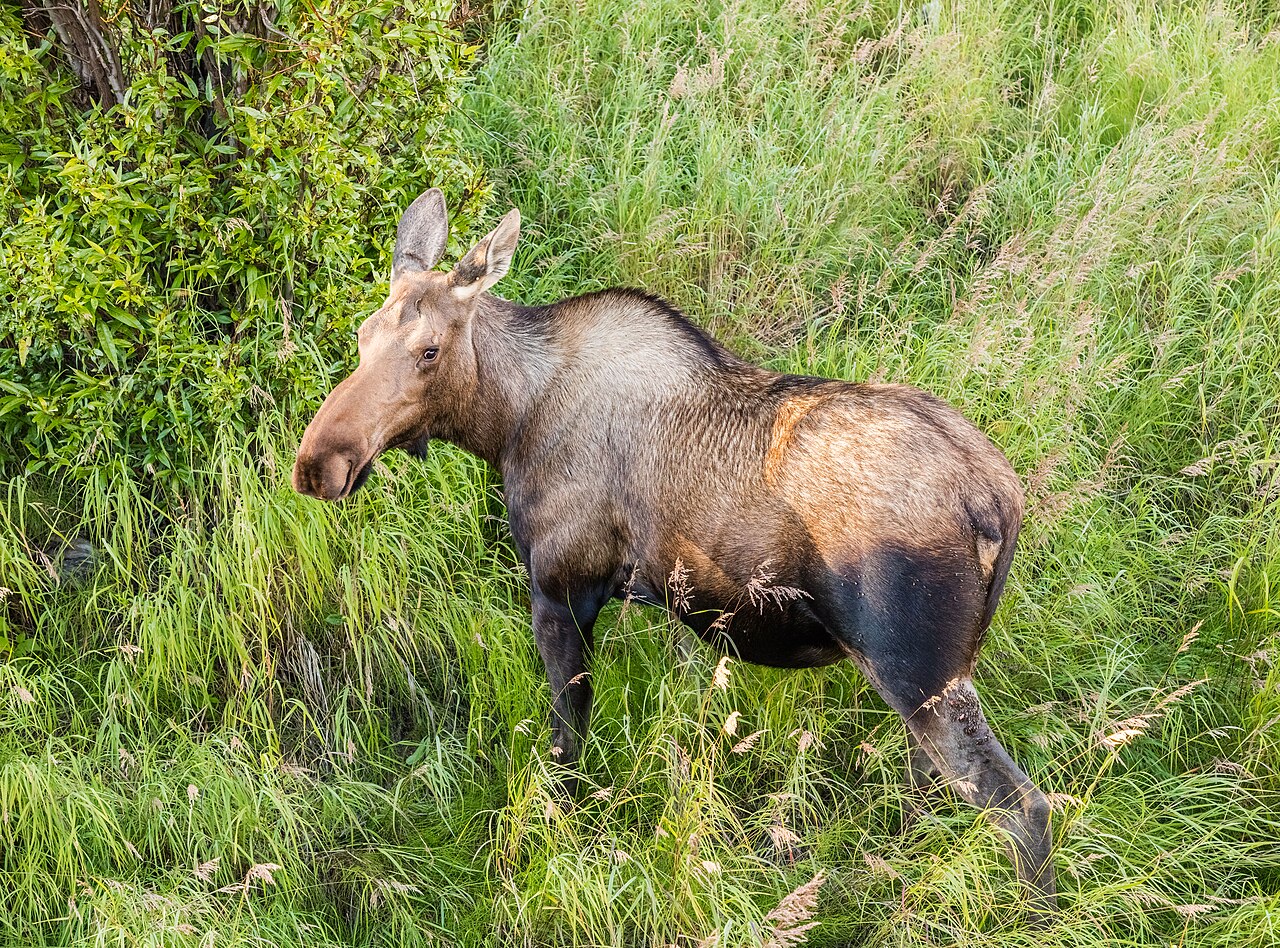
Arctic Moose Follow the River Valleys
GPS tracking in Alaska showed that half of 24 female moose migrated between summer and winter ranges. Migrants…
Read story →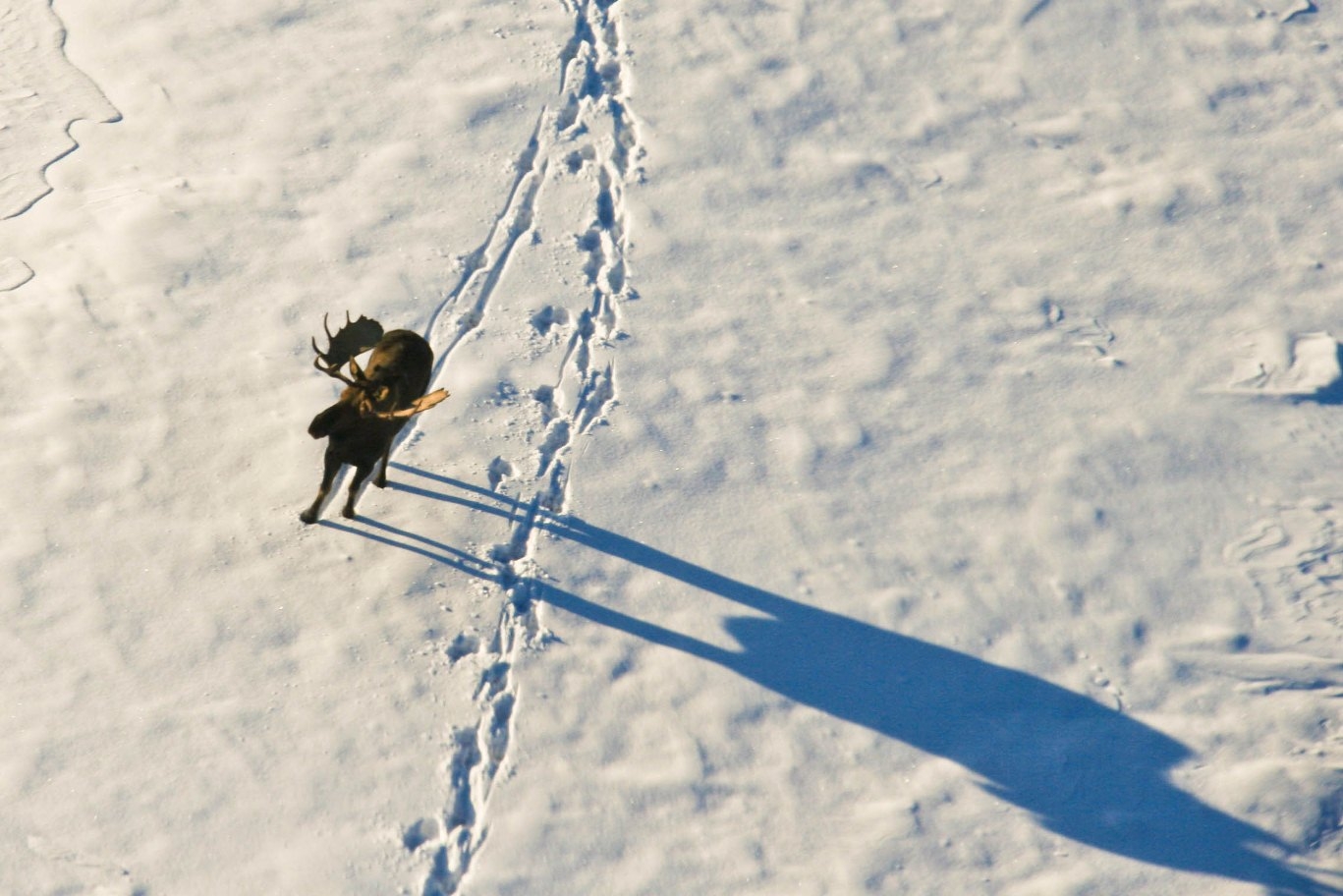
Thermal Drones Found Nearly All Moose in Favourable Winter Weather
Swedish trials found detection close to 100% in cold, overcast winter conditions, but the survey effort needed for…
Read story →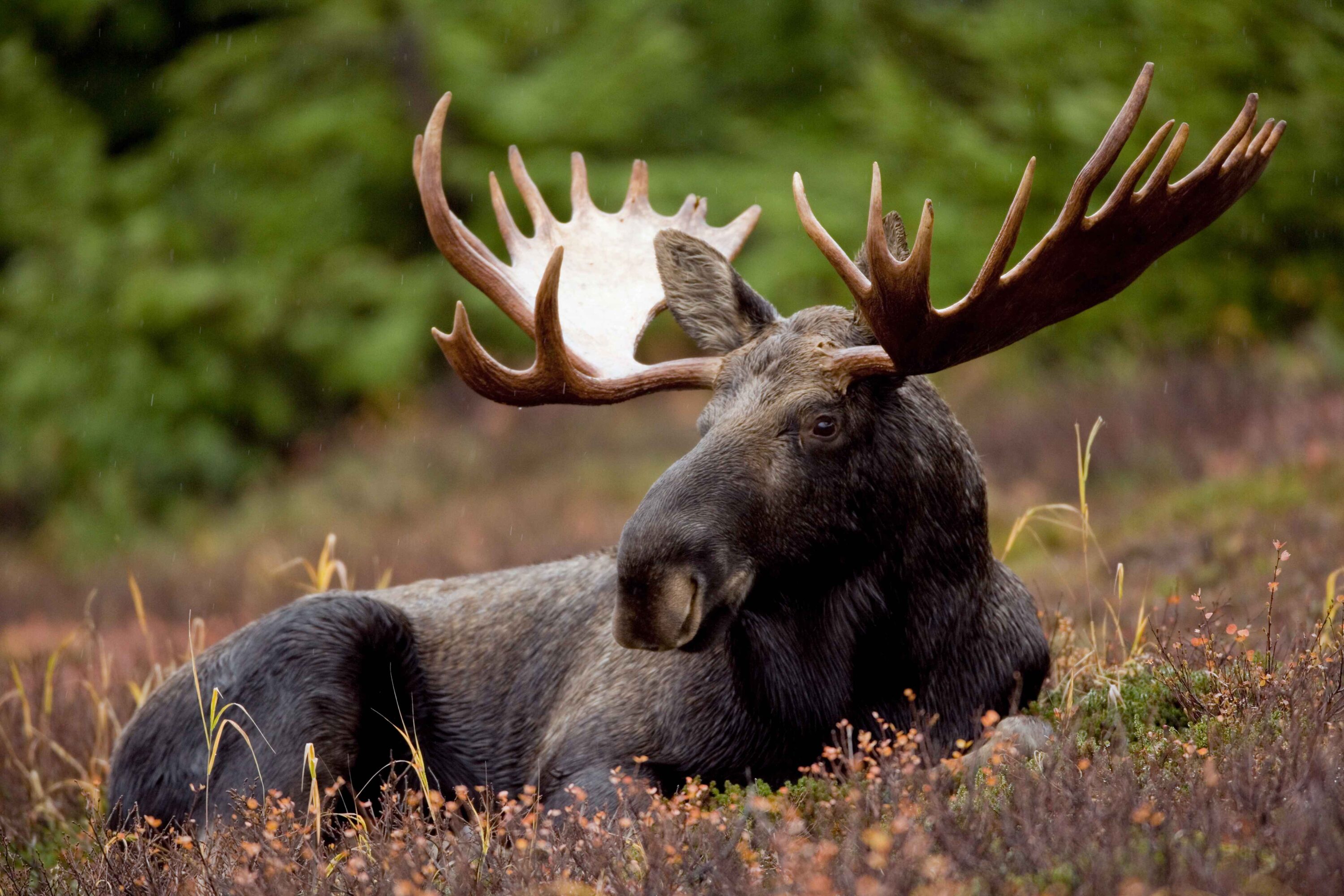
Even Adirondack Park’s Densest Moose Area Was Too Sparse for Precise Aerial Estimates
Helicopter surveys estimated about 92 moose in the Adirondack core in 2024 and 112 in 2025, but broad…
Read story →SPECIES IN THIS STORY
Species in this story
Independent research and conservation news archive
Did you find this information useful?
Wildlife Vagabond is independently built and maintained. Voluntary support helps cover source verification, hosting and continued work on research and conservation news.
Support Wildlife VagabondThe news archive will remain freely available.