
Mummified Cheetahs From Saudi Arabia Reveal a Complex Genetic History
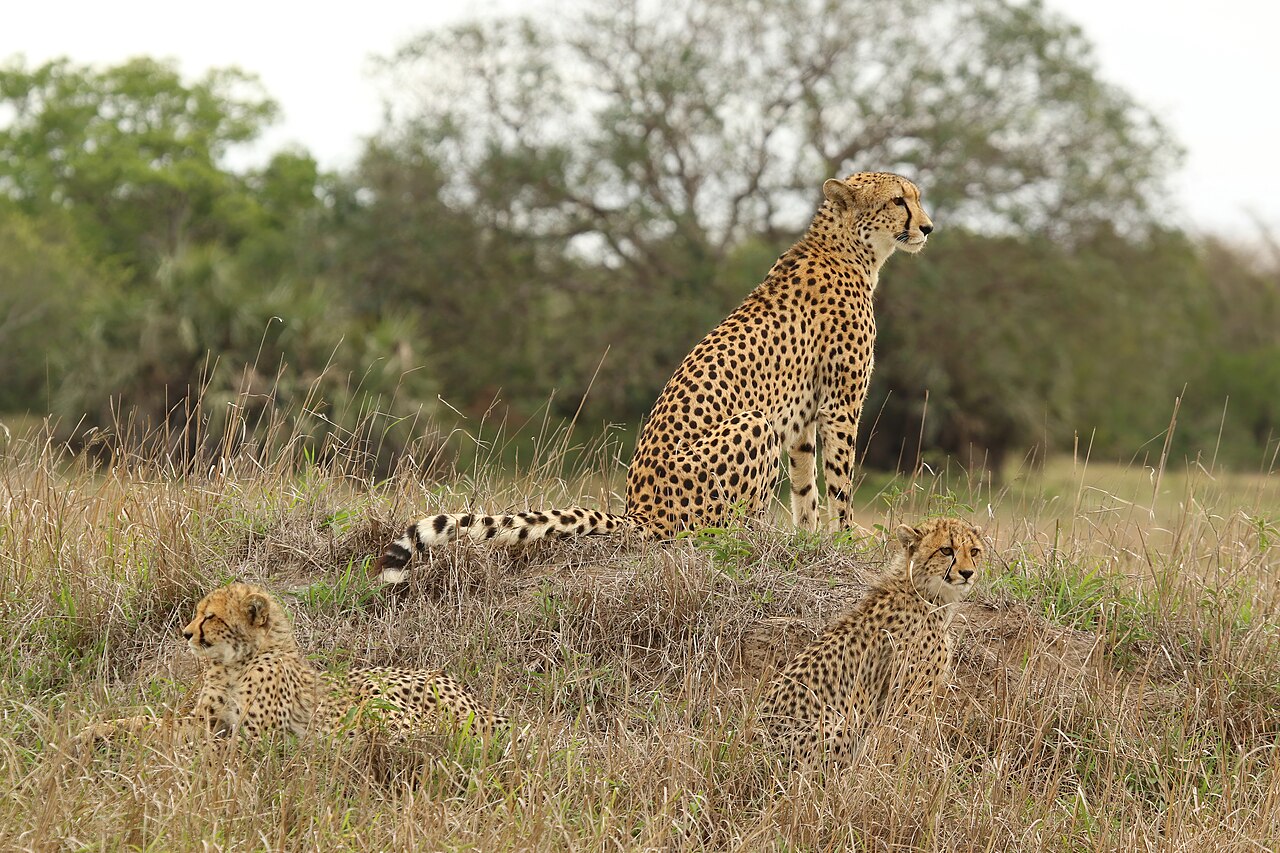
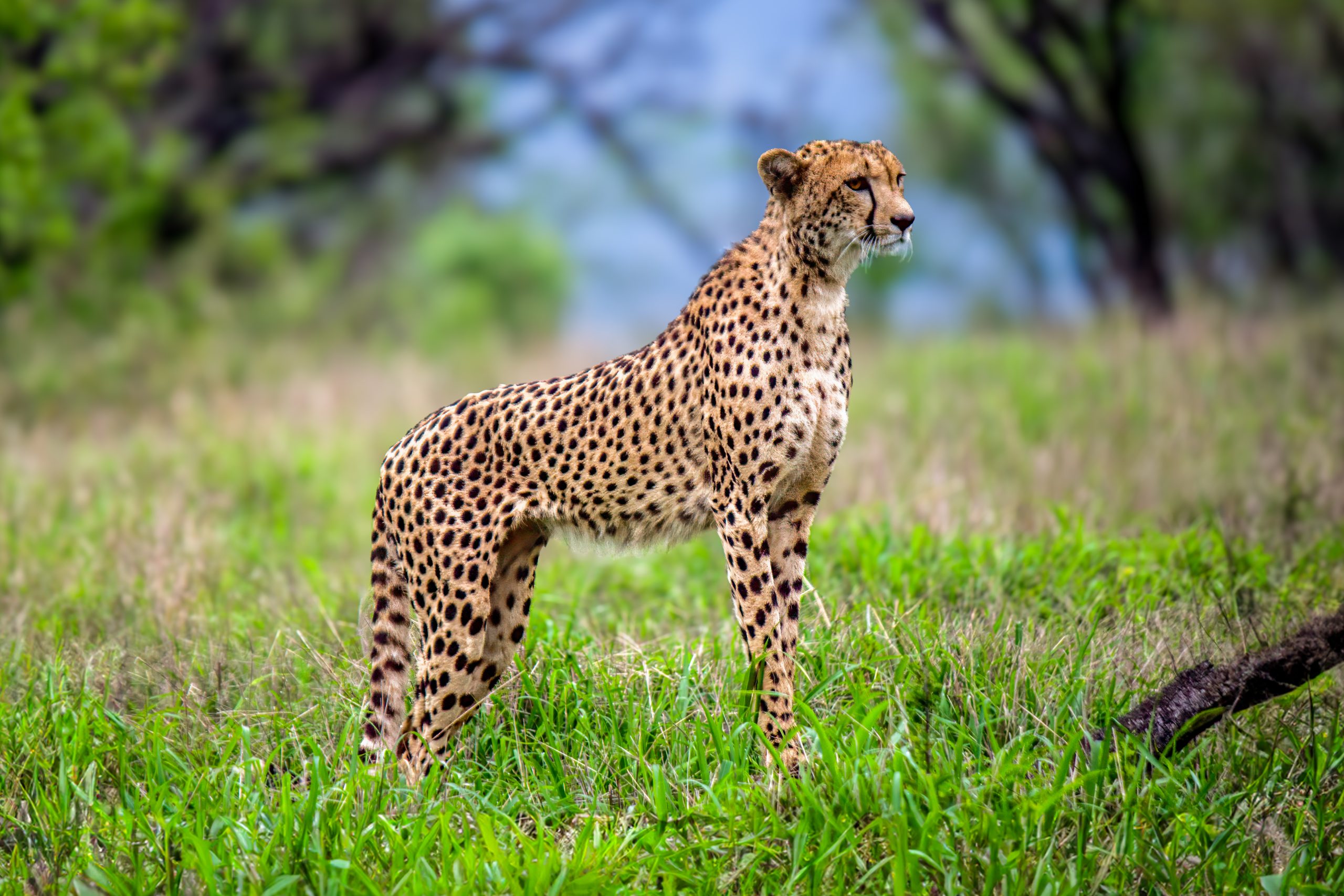
Seven naturally mummified cheetahs (Acinonyx jubatus) and 54 skeletal remains from caves in northern Saudi Arabia have provided an unusually detailed record of cheetahs on the Arabian Peninsula before their twentieth-century disappearance. The finds came from five caves in the Lauga cave network in the Arar region, discovered during surveys of 134 caves across a 1,211 km² area in 2022 and 2023.
The material spans several age classes and several thousand years. Radiocarbon-dated specimens ranged from about 4,200 years before present to about 130 years before present. Radiographic assessment of 20 complete skulls classified 14 as subadults and six as adults, while nine cub remains were found in one cave.
The caves may have been dens, traps, or both
The mixture of adults, subadults and cubs led the authors to suggest that cheetahs may sometimes have used the caves as denning sites. The interpretation is not certain. Some cave systems were entered through steep sinkholes, and the authors also discuss the possibility that animals entered or fell into natural traps and could not escape.
The dry cave environment preserved some specimens exceptionally well. In one mummy, soft tissues remained visible inside the skull, while another retained articulated skeletal structures suitable for 3D radiographic reconstruction. The study describes these as the first naturally mummified big cats used for ancient-DNA analysis.
Only three individuals yielded complete mitochondrial and whole-genome sequences
Five dated samples were processed for whole-genome sequencing, but complete mitochondrial and whole-genome sequences were successfully obtained from three individuals: the youngest specimen, an intermediate-age skeletal remain and the oldest specimen. The genetic conclusions therefore come from those three genome-quality samples, not from all seven mummies or all 61 cheetah remains.
The youngest genome matched the Asiatic lineage most closely
The youngest specimen clustered most closely with modern Asiatic cheetahs (Acinonyx jubatus venaticus) in both nuclear and mitochondrial DNA. That is consistent with the subspecies historically assumed to have occupied parts of Arabia and which now survives only in Iran.
The two older Saudi samples showed a different nuclear-genome pattern. Their nuclear DNA clustered more closely with the Northwest African cheetah (Acinonyx jubatus hecki) than with the youngest Saudi sample. Phylogenetic and admixture analyses supported this distinction.
Mitochondrial DNA told a different part of the story
All three Saudi individuals fell within the A. j. venaticus mitochondrial haplogroup. Because mitochondrial DNA is inherited through the maternal line, this means the maternal ancestry of all three aligned with the Asiatic group, even though the two older samples had a nuclear-genome affinity closer to A. j. hecki.
The study does not resolve this pattern into two clean, isolated historical subspecies populations. A genome-wide principal component analysis (PCA), which summarises the main patterns of genetic variation, also did not separate venaticus and hecki convincingly on its own, although the phylogenetic tree and admixture analyses of genetic mixing placed the older Saudi samples closer to hecki. The strongest conclusion is therefore that Arabian cheetahs were genetically more complex through time than a single uniform lineage would imply.
The cave record provides a genetic baseline for possible rewilding
Saudi Arabia is considering restoration of cheetahs to parts of their former range. The authors argue that ancient genomic evidence can help identify which living cheetah lineages are genetically closest to animals that historically occurred in Arabia, providing a reference that written records cannot supply.
The authors conclude that future Arabian rewilding can use the cave record to identify the closest living subspecies as potential genetic sources. More broadly, they present the ancient DNA as a reference point for genetic sourcing and for assessing future reintroduction initiatives.
The broader contribution of the study is therefore both historical and applied: Saudi caves preserved evidence that cheetahs occupied the region over millennia and that the analysed specimens showed different genetic affinities through time, giving conservation planners a rare ancient baseline for evaluating future restoration.
Genetics & genomics
Related news
India’s Cheetah Project Sparked Debate Over Deaths, Transparency and Whose Expertise Counted
A review of 28 documents about Project Cheetah in India found sharply different accounts of its conservation goals,…
Read story →
DNA Methylation Shifted as Namibian Male Cheetahs Became Territorial
Paired blood samples from ten free-ranging Namibian males revealed widespread, predominantly increased DNA methylation after the same cheetahs…
Read story →
33 Descendants of Phased-Release Cheetahs Reached Independence in South Africa
Twelve captive-origin cheetahs were phased into seven fenced reserves in South Africa. Their ranging and habitat use stabilised…
Read story →SPECIES IN THIS STORY
Species in this story
Independent research and conservation news archive
Did you find this information useful?
Wildlife Vagabond is independently built and maintained. Voluntary support helps cover source verification, hosting and continued work on research and conservation news.
Support Wildlife VagabondThe news archive will remain freely available.