
Chital and Muntjacs With Stress-Related Muscle Injury Had Higher Levels of the Muscle Enzyme CK

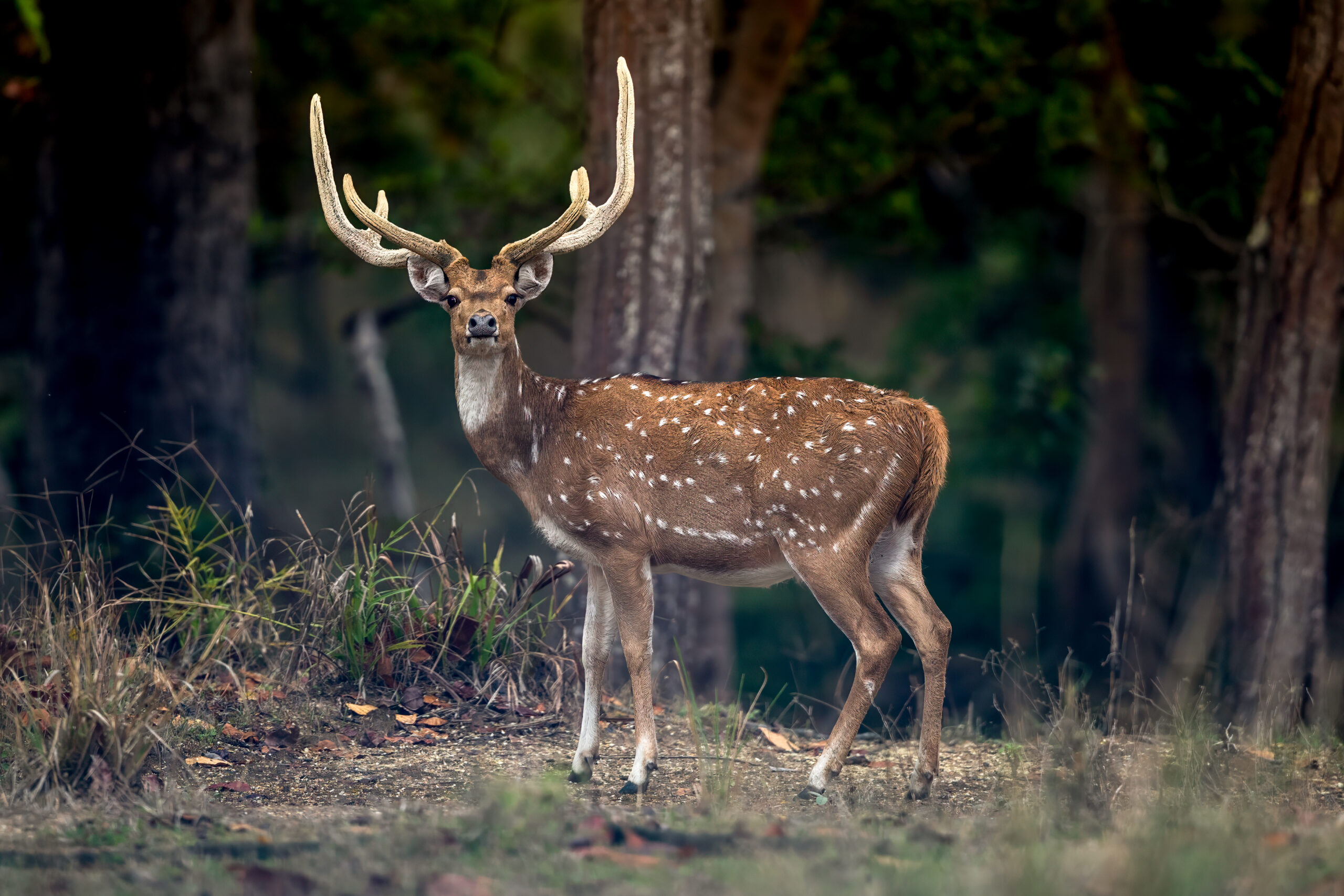
A field study in Madhya Pradesh, India examined biochemical signs of exertional myopathy in 26 free-ranging chital (Axis axis) and seven northern red muntjacs (Muntiacus vaginalis) undergoing treatment or rehabilitation. The source article uses the broader name Muntiacus muntjak for the muntjac.
Exertional, or capture, myopathy is a non-infectious metabolic disorder in which intense exertion and stress can damage skeletal muscle. Reduced oxygen supply and lactic acidosis can contribute to muscle-fibre injury and, in severe cases, necrosis. The animals in this study had experienced events such as trauma, vehicle collisions, dog attacks, capture, restraint or transport — all situations that can contribute to this stress response.
CK, LDH and AST did not show the same pattern
The researchers measured three serum enzymes associated with muscle injury: creatine kinase (CK), lactate dehydrogenase (LDH) and aspartate aminotransferase (AST). CK was clearly higher in affected animals of both species. LDH was higher in affected chital, while the difference in northern red muntjacs was uncertain. AST was also higher in both species, but those differences were not clear enough to distinguish from variation in the samples.
The authors nevertheless consider all three enzymes useful when interpreted together with clinical history and signs, and highlight LDH as a particularly useful overall indicator of muscular damage in this field setting.
Handling can contribute to the physiological signal
The enzyme values are not a stand-alone diagnosis. CK, LDH and AST change on different time scales after muscle injury, and the timing of blood collection can influence the concentrations measured. The authors also note that restraint and treatment procedures can themselves add stress and contribute to muscle-enzyme changes.
This is especially relevant during wildlife rescue: pursuit, dog attacks, improper restraint and transport were among the circumstances associated with muscle damage in the animals studied. The authors therefore argue that biochemical monitoring can support clinical assessment while handling and transport should be kept as low-stress as possible to reduce the risk of exertional myopathy.
Physiology
Related news
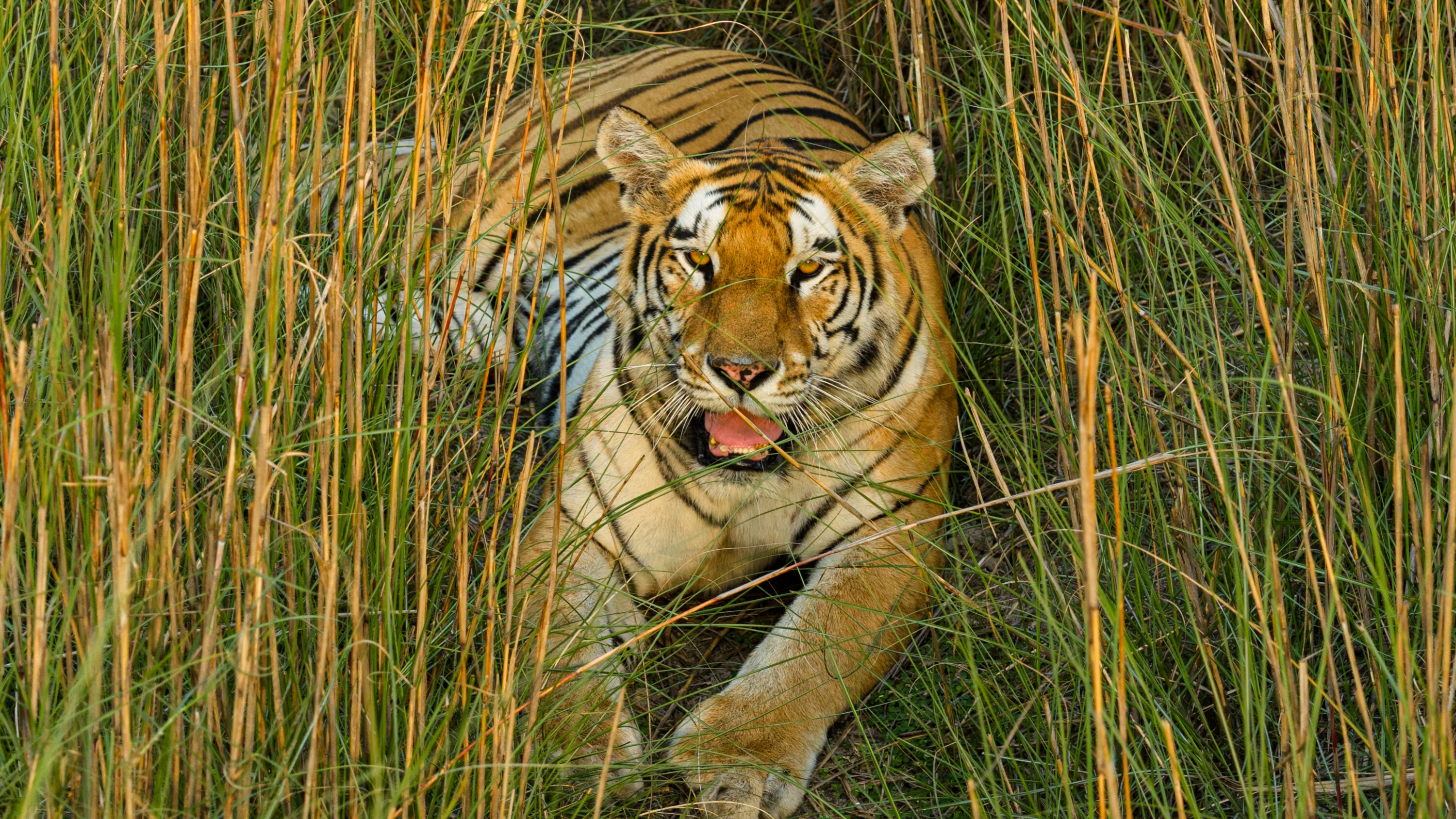
Tigers kept a stable daily activity pattern across seasons while deer shifted in Bardia
Five years of camera-trap data from Bardia National Park showed that tiger activity remained similar across seasons, while…
Read story →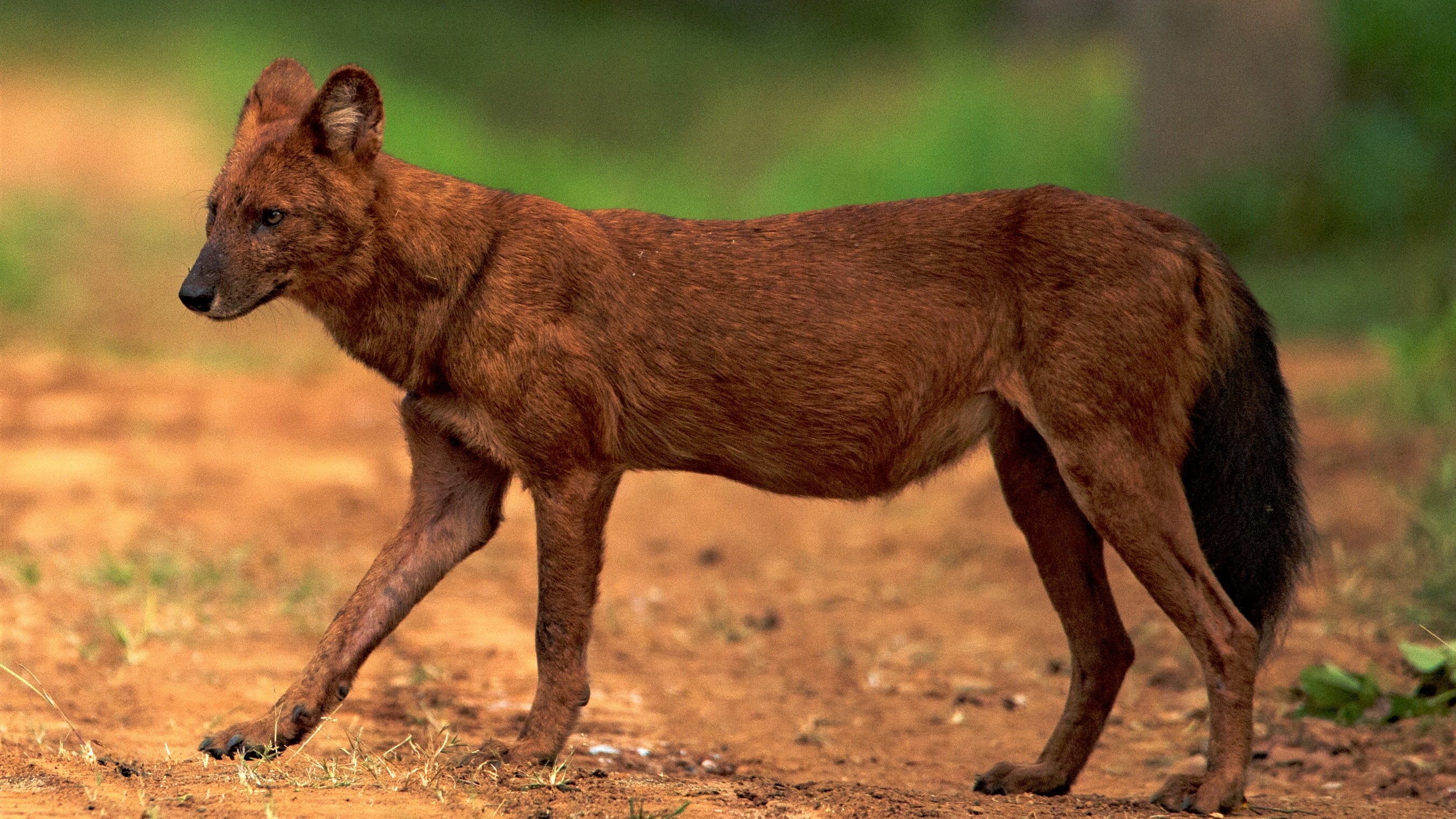
DNA Metabarcoding Found 15 Vertebrate Prey Species in Tadoba Dhole Scats
DNA metabarcoding of 169 dhole scats in Tadoba detected 15 vertebrate prey species. Indian hare occurred in 30.8%…
Read story →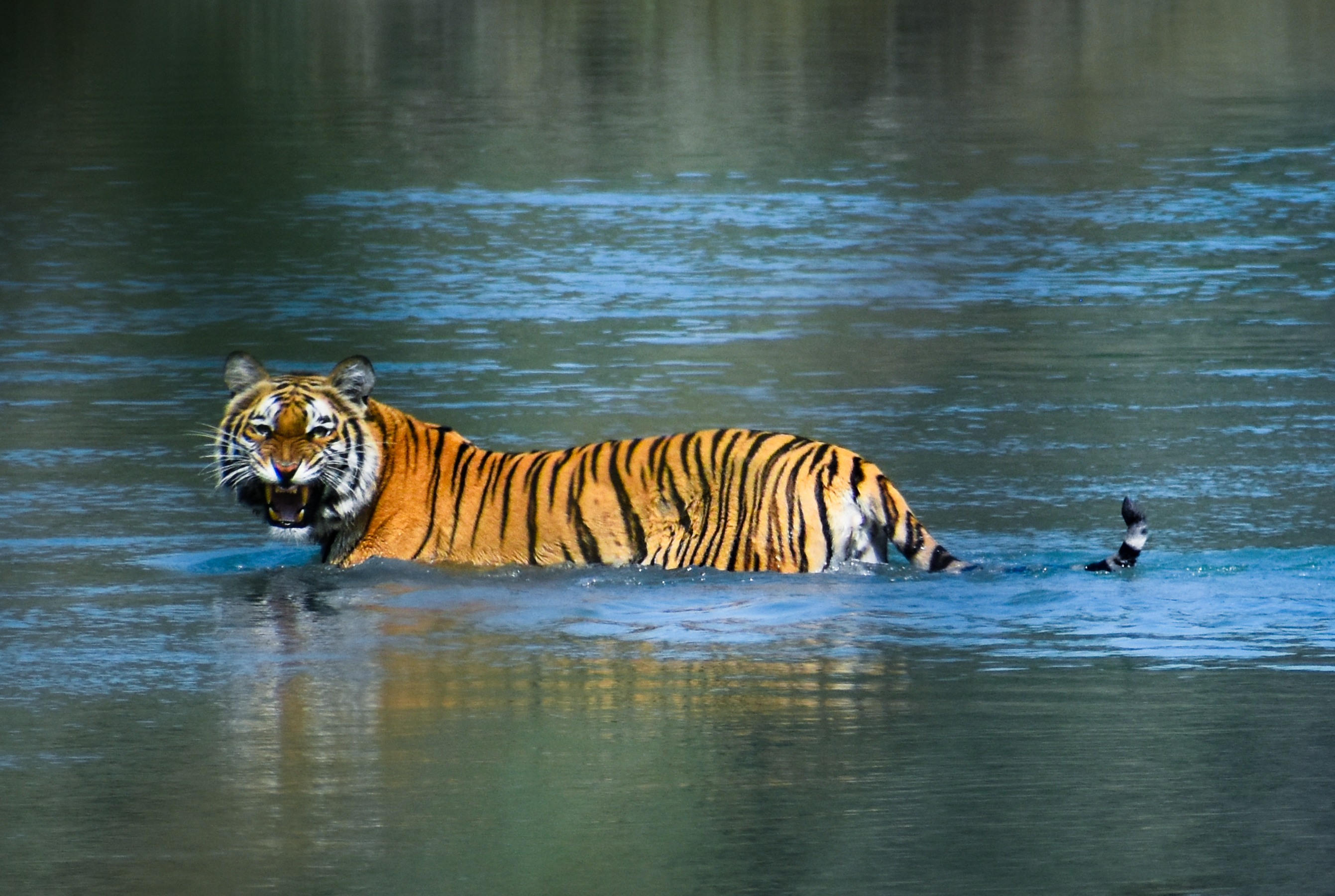
Tiger Site Use Increased While Several Prey Species Became More Diurnal During Bardia’s Lockdown
At 49 matched camera stations in Bardia National Park, tiger, wild boar and nilgai showed clear increases in…
Read story →SPECIES IN THIS STORY
Species in this story

Independent research and conservation news archive
Did you find this information useful?
Wildlife Vagabond is independently built and maintained. Voluntary support helps cover source verification, hosting and continued work on research and conservation news.
Support Wildlife VagabondThe news archive will remain freely available.