
More Than 500 Pied Avocets Used New Marker Wadden Mudflats, but the Annual Maximum Fell Below 100
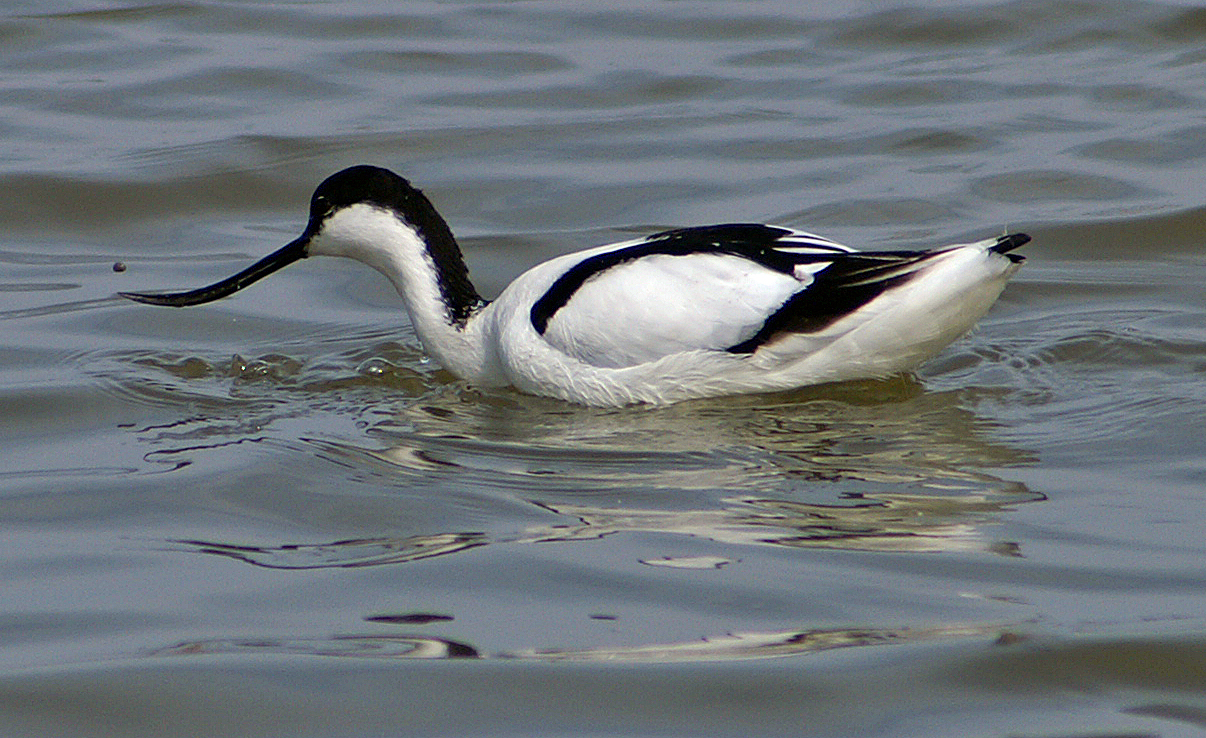
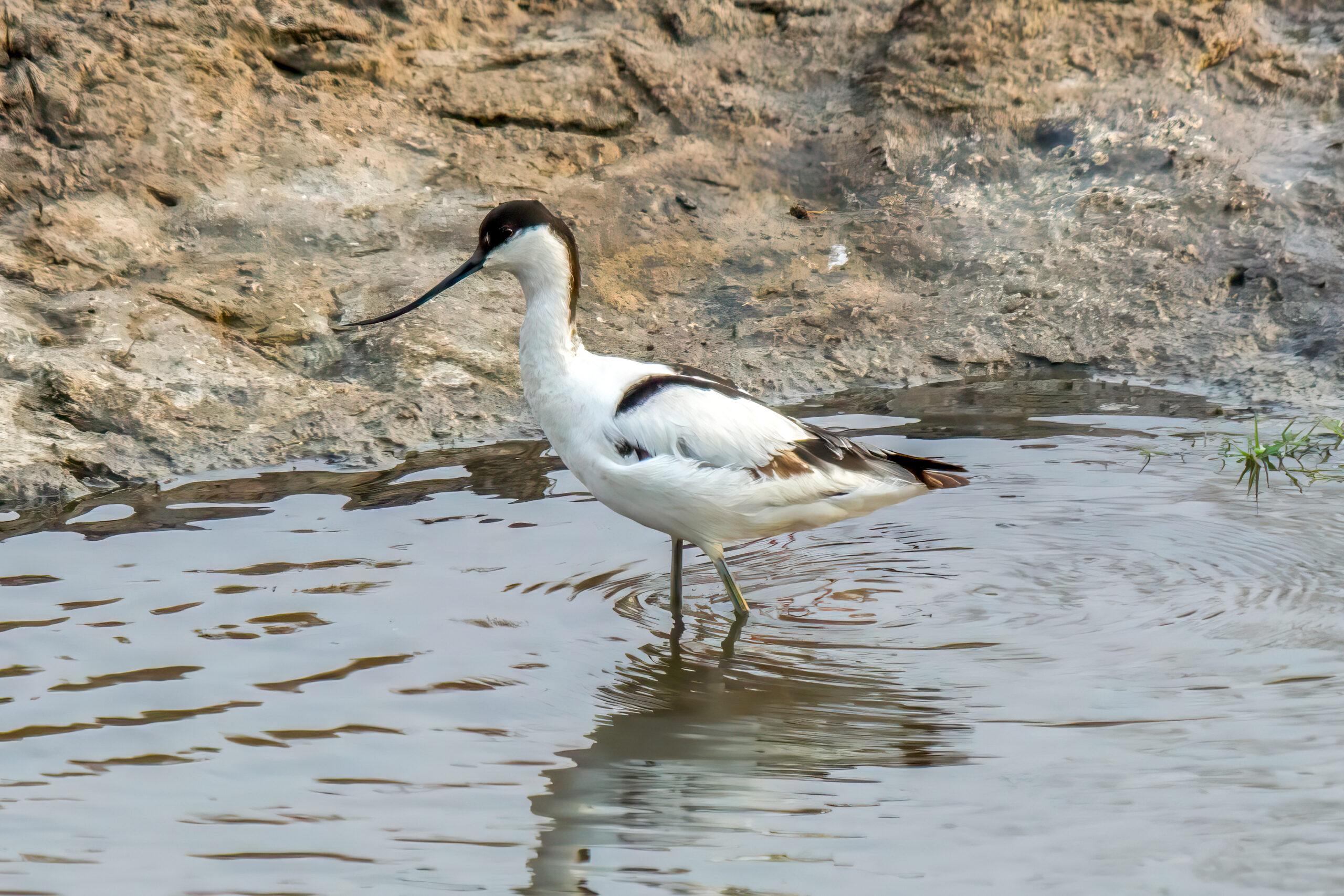
Newly created freshwater mudflats at Marker Wadden, Netherlands in Lake Markermeer initially provided feeding habitat for large numbers of pied avocets (Recurvirostra avosetta). More than 500 birds were recorded early in the archipelago’s development, but the annual maximum had fallen below 100 by 2023.
Researchers followed staging avocets from 2017 to 2023 and monitored habitat development in 12 constructed basins. The study asked how basin age, size, design and changing vegetation and water conditions affected the birds’ use of this human-made wetland.
Open mudflats disappeared as the basins aged
The estimated area of unvegetated mudflat fell from 318 hectares in 2018 to 22 hectares in 2022. As the basins aged, vegetation spread and the mosaic of shallow water and mud became smaller. Basin age had the strongest negative relationship with avocet numbers, while larger basins supported more birds.
The authors conclude that natural succession was one major reason the site became less attractive. Avocets were most numerous where extensive shallow mud remained bare or only sparsely vegetated.
Higher water levels reinforced the loss of feeding habitat
Several basin levees were breached during development, connecting them permanently to the surrounding lake. Water levels then rose in most of these basins, reducing the amount of shallow water and exposed mud. Avocets were generally more numerous in closed basins, but the difference became much smaller once the actual habitat conditions were taken into account.
The biological point was therefore not simply whether a basin was labelled open or closed. What mattered most was whether its design and water regime maintained a broad mosaic of shallow water, mud and little vegetation.
Young artificial wetlands can provide valuable but temporary habitat
Marker Wadden was built in phases, so new early-successional mudflat appeared while older basins were already becoming vegetated. The authors argue that this prolonged the period in which the archipelago could support large numbers of avocets.
For freshwater restoration aimed at avocets, the study supports creating and actively maintaining large areas of shallow, muddy habitat with little vegetation. The seven-year record also shows why newly created wetlands cannot be assumed to remain equally suitable without continued water and vegetation management.
Restoration
Related news
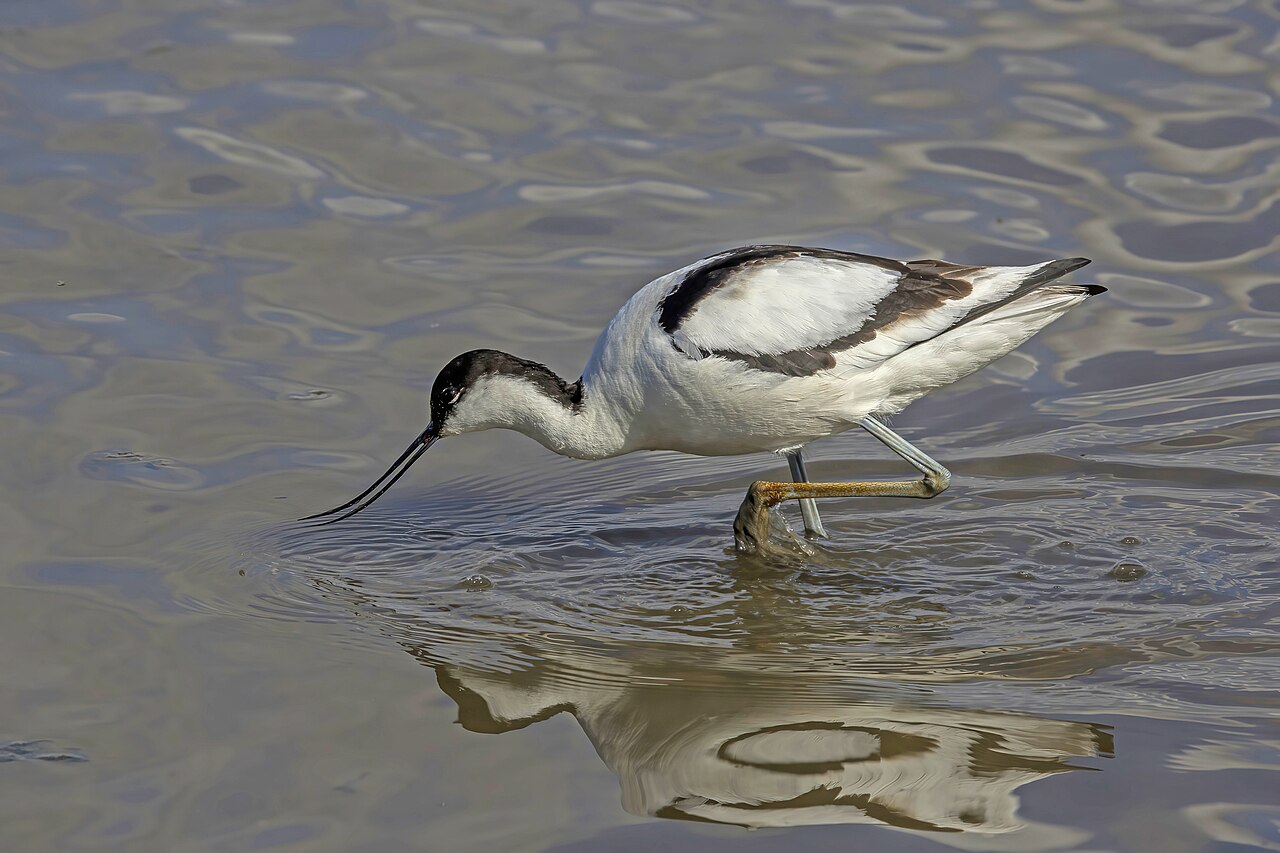
Ringed Pied Avocet Set a UK Longevity Record at 36 Years
A Pied Avocet ringed as a nestling at Titchwell Marsh on 2 July 1990 was identified alive at…
Read story →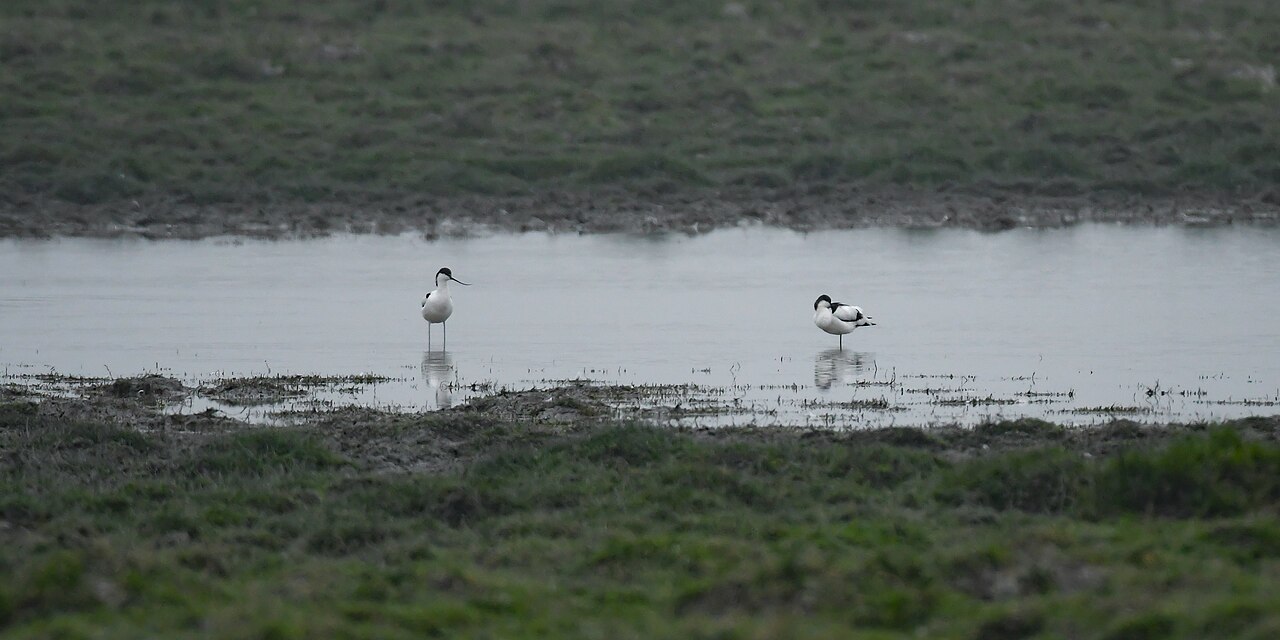
Fungal Communities Differed Across Pied Avocet Breeding Substrates
Around ten Pied Avocet nest sites in China's Yellow River Delta, researchers detected 9,980 fungal DNA variants but…
Read story →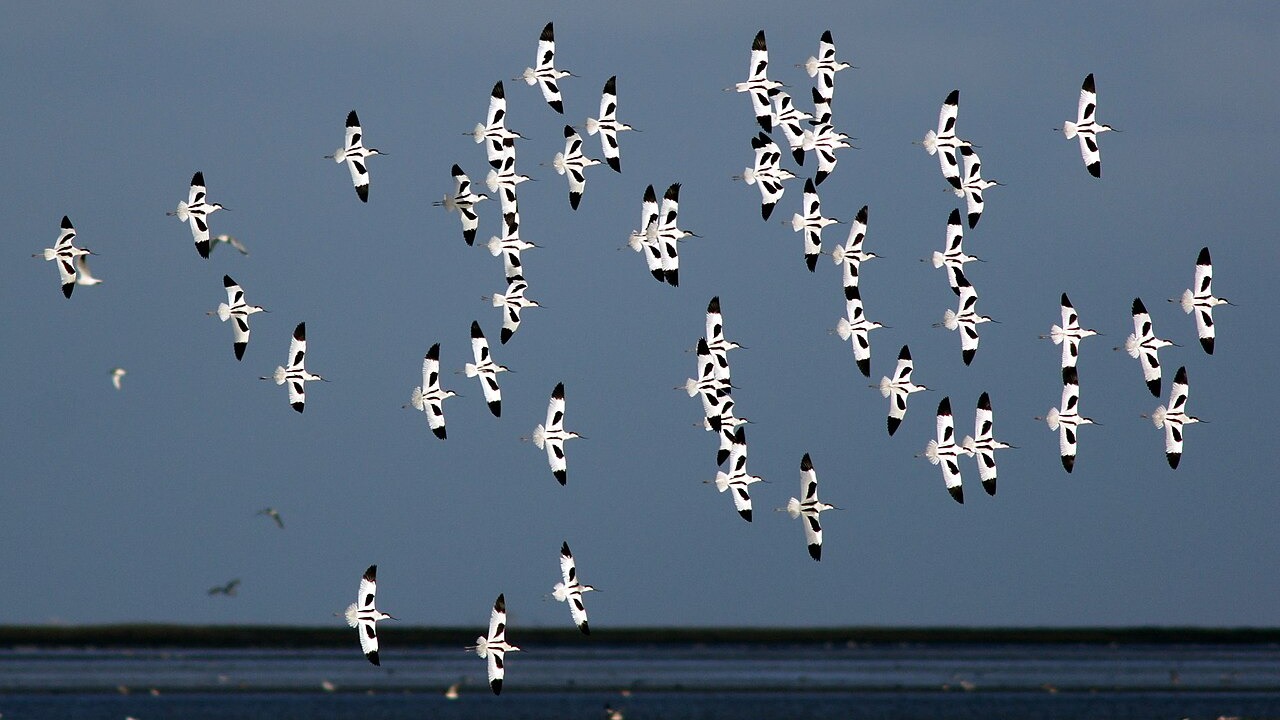
Female Pied Avocets Migrated Farther Than Males
The standardized migration-distance measure averaged 1,928 kilometres for GPS-tracked female pied avocets and 1,277 for males; females also…
Read story →SPECIES IN THIS STORY
Species in this story
Independent research and conservation news archive
Did you find this information useful?
Wildlife Vagabond is independently built and maintained. Voluntary support helps cover source verification, hosting and continued work on research and conservation news.
Support Wildlife VagabondThe news archive will remain freely available.