
New nematode species described from black-crowned night herons in Israel
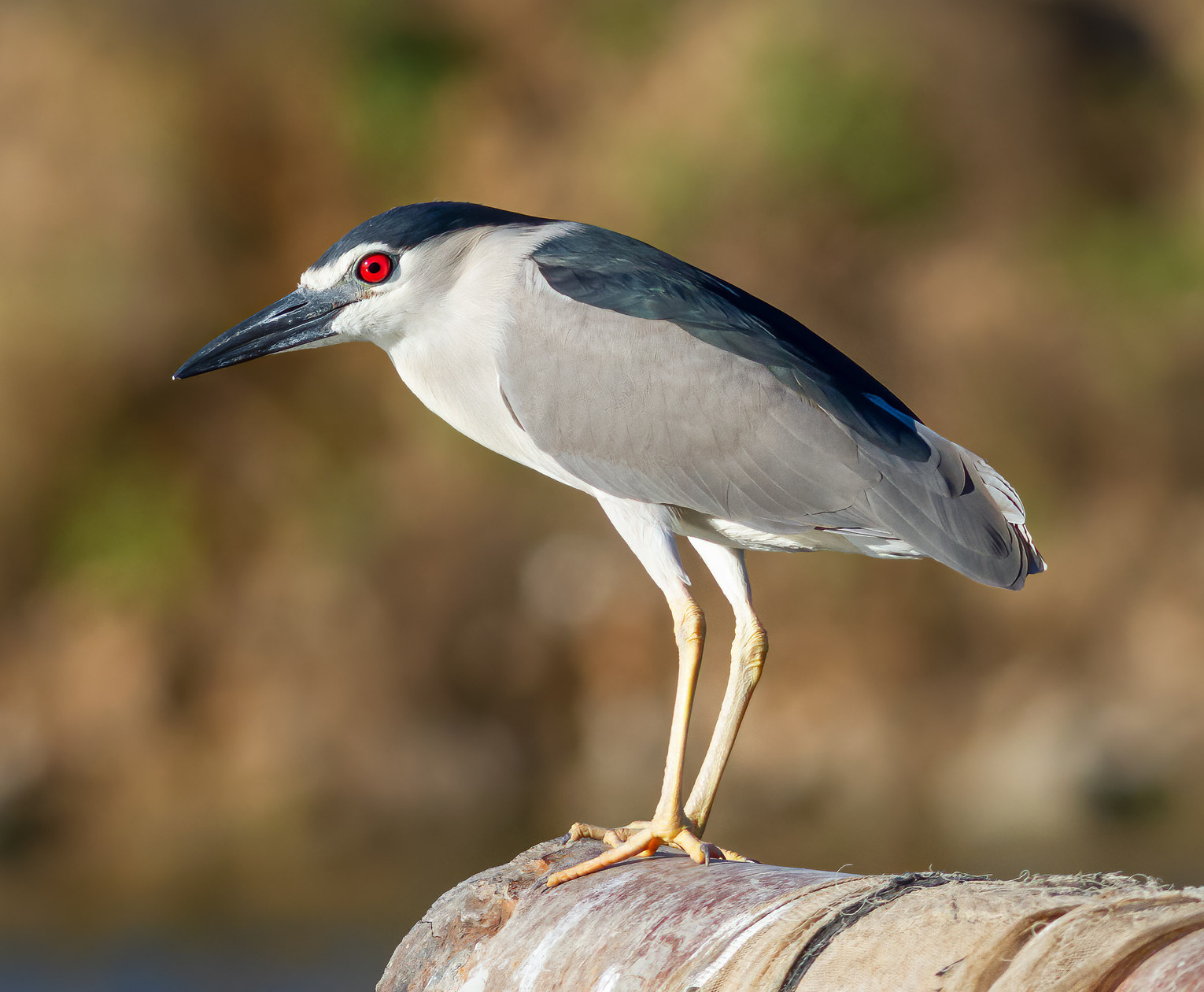
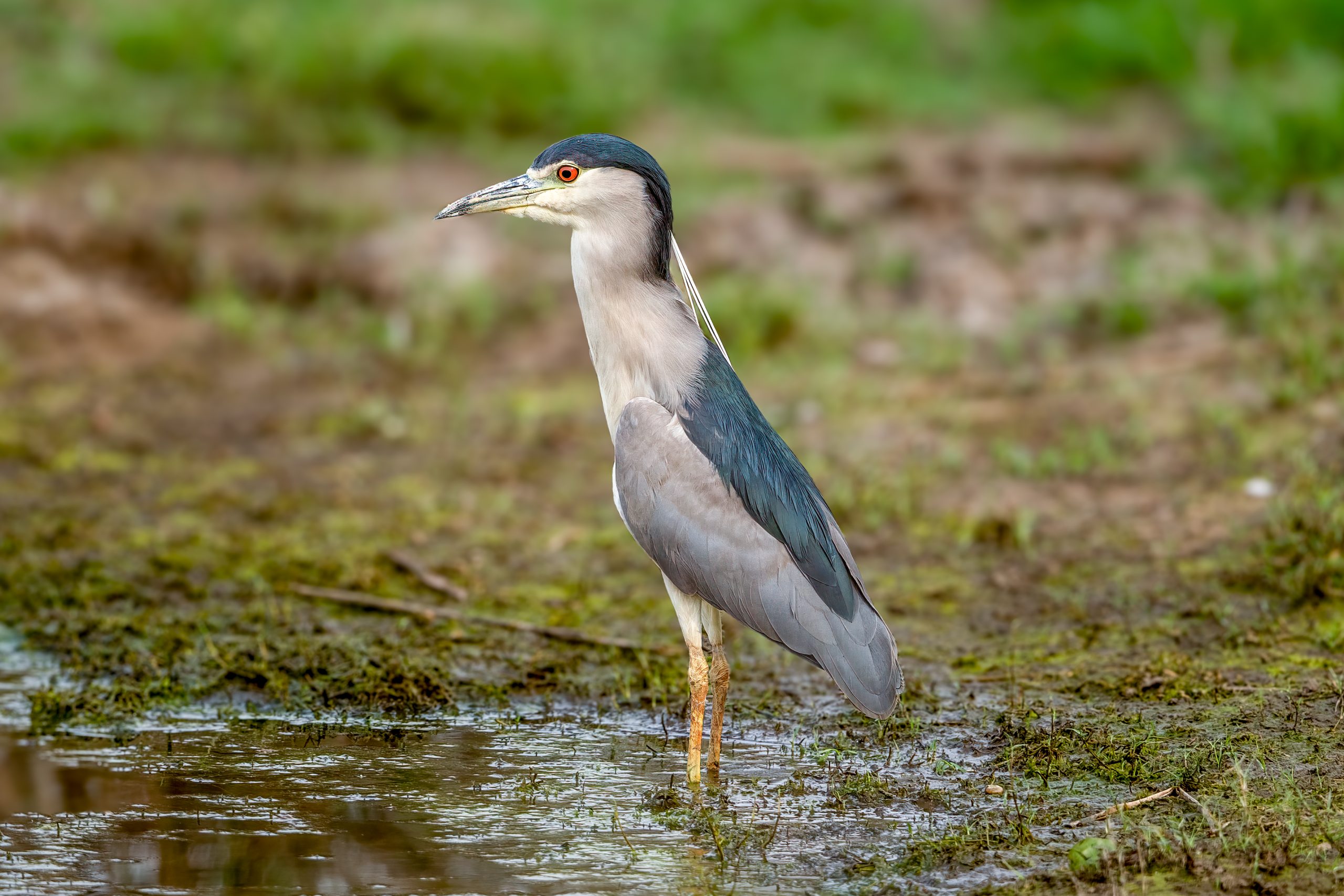
Researchers have described a new roundworm, Contracaecum fioravantii, from black-crowned night herons (Nycticorax nycticorax) in Israel. Fourteen adult worms were collected from the stomach lining of three herons at a fish farm near Gesher in the Jordan Rift Valley.
Contracaecum roundworms have life cycles that pass through aquatic animals before the adult worms mature in fish-eating birds. To determine whether the Israeli worms represented a distinct species, the researchers compared both their anatomy and their DNA with other members of the genus.
Ten adult worms were examined in detail. The males had robust, almost equally long spicules — paired reproductive structures used during mating — together with a distinctive arrowhead-shaped tail tip and a characteristic arrangement of small sensory papillae near the rear of the body. This combination separated the specimens from closely related Contracaecum species.
The genetic evidence pointed in the same direction. The researchers analysed the ITS region of nuclear ribosomal DNA and the mitochondrial gene cox2. All ten ITS sequences from Israel were identical, and they matched previously unidentified Contracaecum sequences from black-crowned night herons in China. The mitochondrial sequences were also very similar to unidentified Chinese worms. In analyses based on both markers, the Israeli specimens formed a distinct lineage.
The Chinese matches suggest that C. fioravantii may occur more widely than the confirmed Israeli record. The authors consider some of the previously unidentified Chinese sequences likely to represent the same species, although those records were not originally identified as C. fioravantii.
The parasite had not been detected in earlier molecular surveys of Contracaecum from the same Israeli region. The authors suggest that the infected night herons may have acquired it elsewhere along their movements, or through intermediate hosts that have not yet been sampled. The study therefore establishes the species while leaving its full distribution and transmission cycle unresolved.
Evolution & taxonomy
Related news
Waterbird Nest Counts Nearly Halved at an Indian Wetland, but Bird Numbers Showed No Clear Decline
At Vettangudi Bird Sanctuary in India, recorded waterbird nests fell from 396 to 190 across eight sampled breeding…
Read story →
Black-crowned Night Herons Had 87.7% Hatching Success Across Four Algerian Wetland Colonies
A five-year study of four wetland colonies in north-eastern Algeria found a mean clutch of 3.3 eggs and…
Read story →
Rare Black-crowned Night Heron Recorded for Three Days at Restored Holnicote Wetlands
National Trust cameras recorded a scarce black-crowned night heron on three consecutive days at Holnicote, where wetland restoration…
Read story →SPECIES IN THIS STORY
Species in this story
Independent research and conservation news archive
Did you find this information useful?
Wildlife Vagabond is independently built and maintained. Voluntary support helps cover source verification, hosting and continued work on research and conservation news.
Support Wildlife VagabondThe news archive will remain freely available.