
58 Ringed Plover Chicks Fledged at Protected Norfolk Beaches in 2025, Up From 19 in 2021
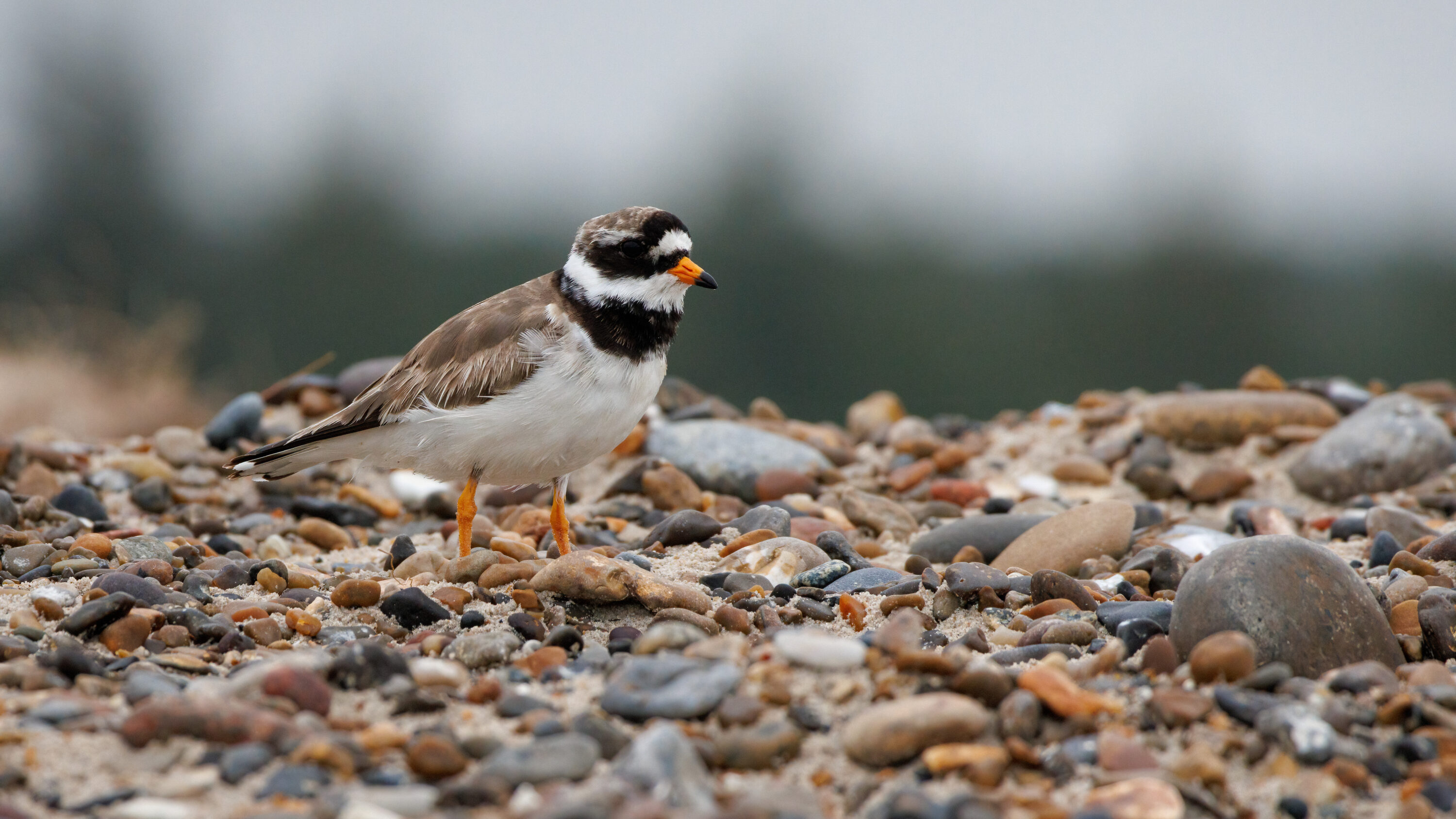
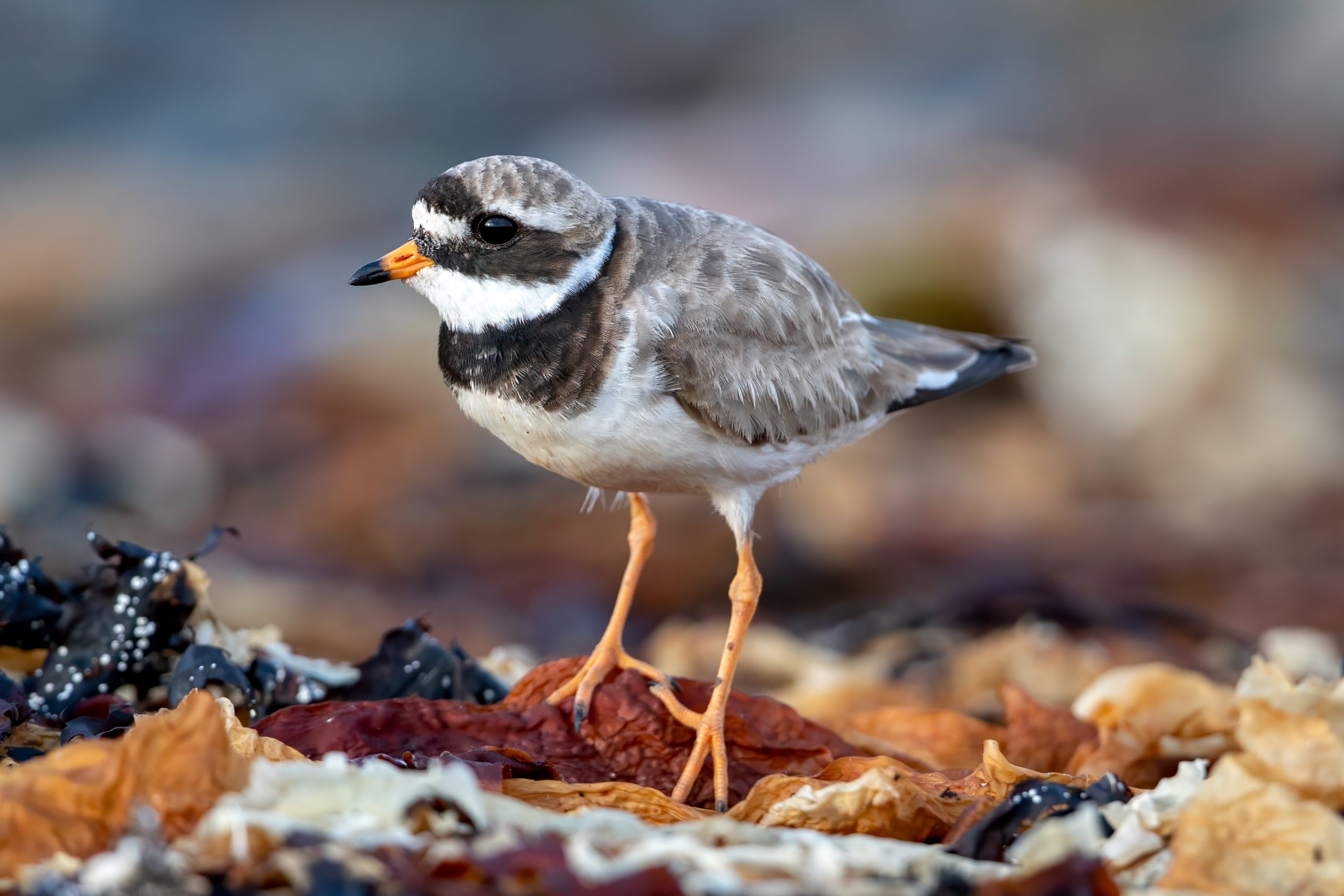
Fifty-eight common ringed plover (Charadrius hiaticula) chicks fledged from protected nesting sites between Heacham and Snettisham on the north-west Norfolk coast in England in 2025, compared with 19 chicks when the Plovers in Peril project began in 2021. By 22 May 2026, the first chicks of the new breeding season had already hatched.
Ringed plovers nest directly on sand and shingle, scraping a shallow depression where their speckled eggs blend into the beach. The chicks leave the nest soon after hatching but cannot fly until they are about 25 days old. During this period they move beyond the nest scrape and are especially vulnerable to being separated from their parents, disturbed by people and dogs, or accidentally trampled.
Fledging rose from 19 chicks to 58
RSPB reported that 58 chicks successfully fledged from protected nesting sites between Heacham and Snettisham in 2025. That was just over three times the 19 chicks fledged in 2021, the first year of Plovers in Peril.
The project was created against a much longer regional decline. Norfolk’s breeding population fell from 514 pairs in 1984 to 123 pairs in 2018, a decline of about 77%. Coastal habitat change, development and increasing recreational use of sensitive nesting beaches have all contributed to the pressure on the species.
Protection focuses on the weeks before chicks can fly
Important nesting areas are roped off from March to September, and seasonal dog restrictions require dogs to be kept on short leads in sensitive areas. The barriers protect nests, but mobile flightless chicks can move outside the fenced sections, so volunteers also patrol the beaches and ask visitors to keep their distance.
The project is run by the RSPB in partnership with Wild Ken Hill. The 22 May 2026 update reported that the first chicks of the new season had hatched and that the protection work would continue through the summer.
The increase in fledged chicks occurred at sites receiving this protection, but the RSPB update is a project report rather than a controlled experiment comparing protected and unprotected beaches. It documents improved fledging output during the project period without isolating how much of the change was caused by each individual intervention.
Management
Related news
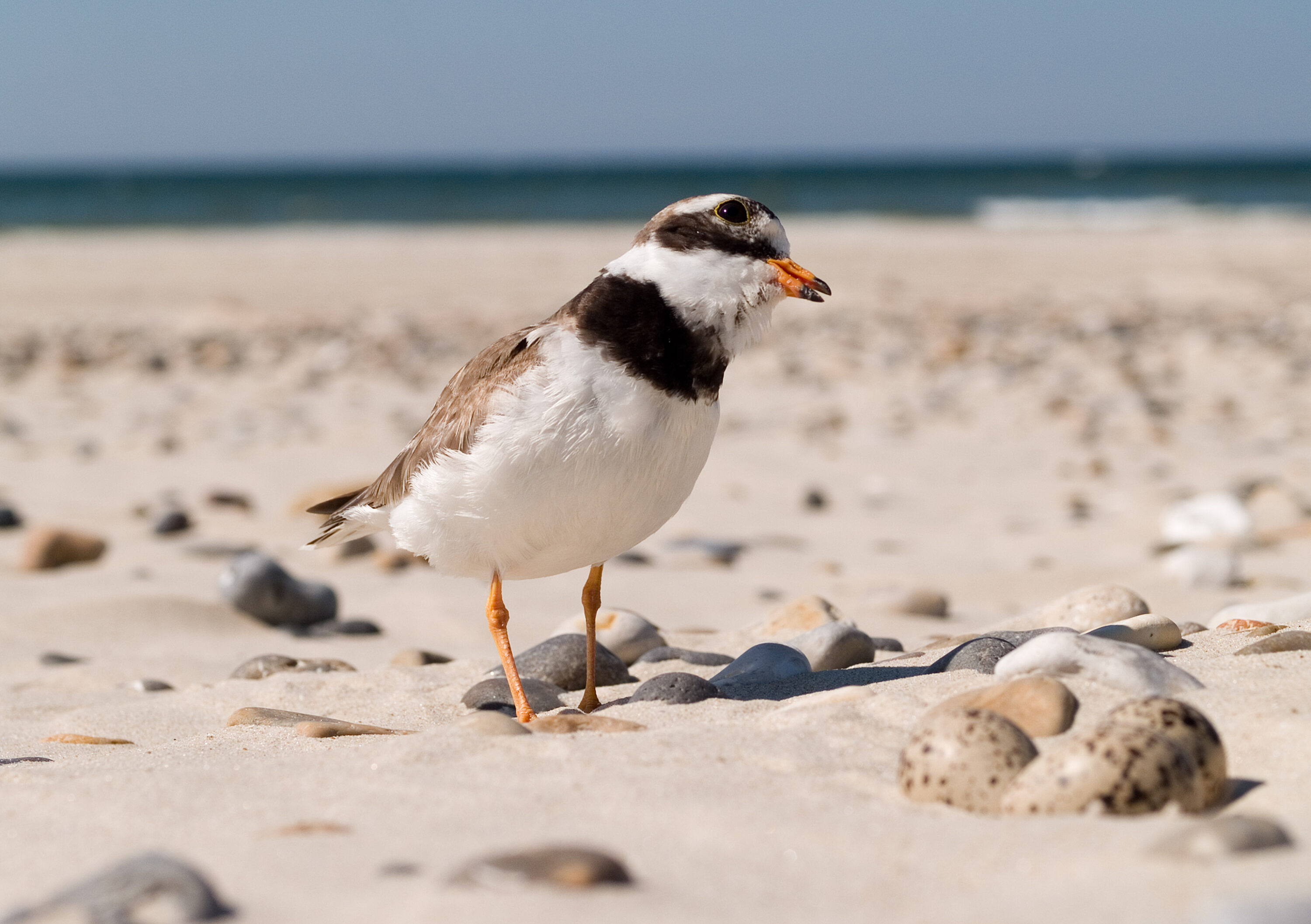
Artificial Wader Nests Had Lower Survival and Different Predators Than Natural Nests in Estonia
In Estonian coastal grasslands, 77 artificial wader nests had lower survival than 182 natural lapwing and ringed-plover nests,…
Read story →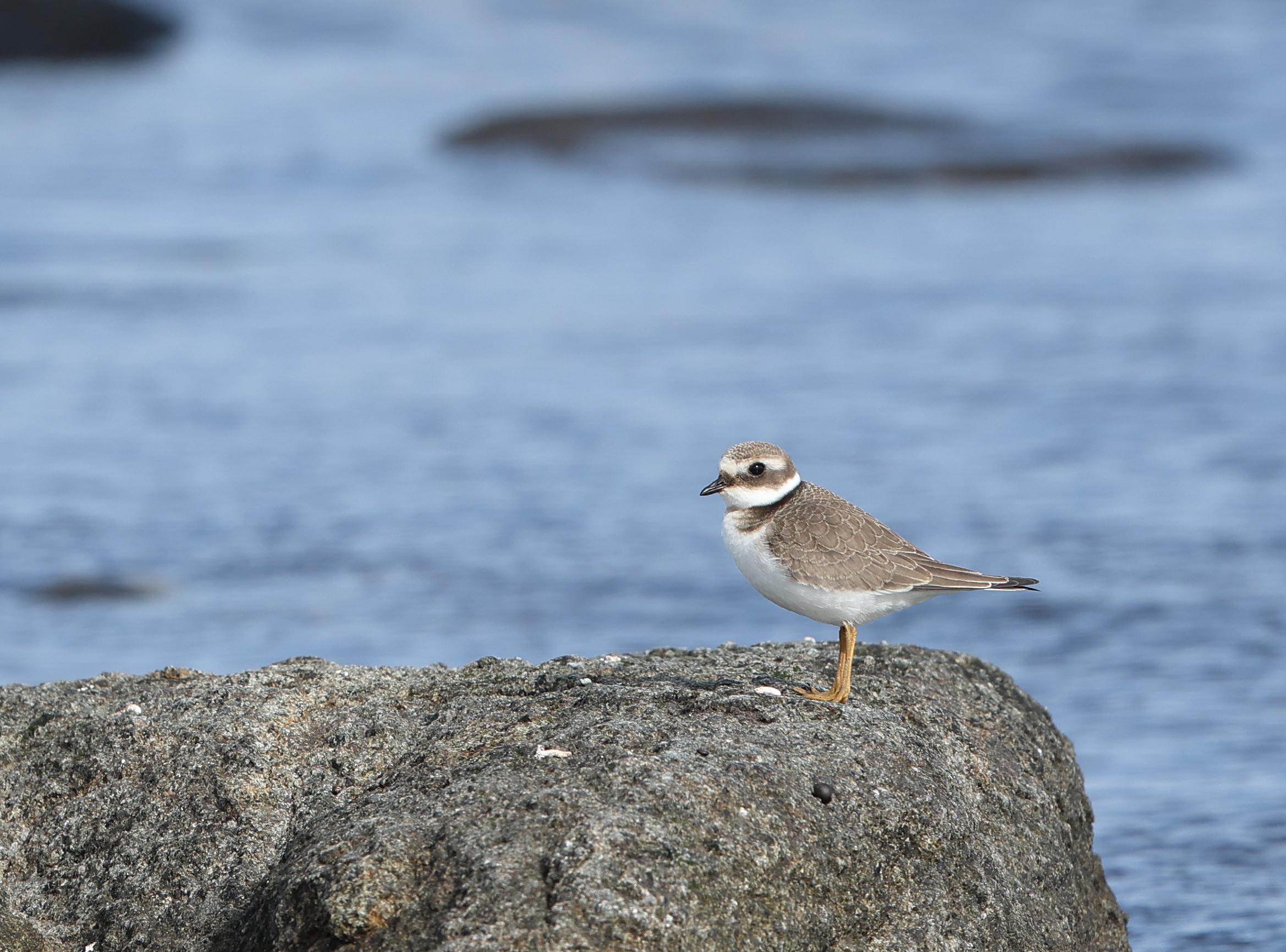
Chicks From Experimental Five-Egg Common Ringed Plover Clutches Faced 3.5 Times Higher Mortality Risk
On Norway’s Varanger Peninsula, chicks from experimentally enlarged five-egg clutches were smaller and had 3.5 times the mortality…
Read story →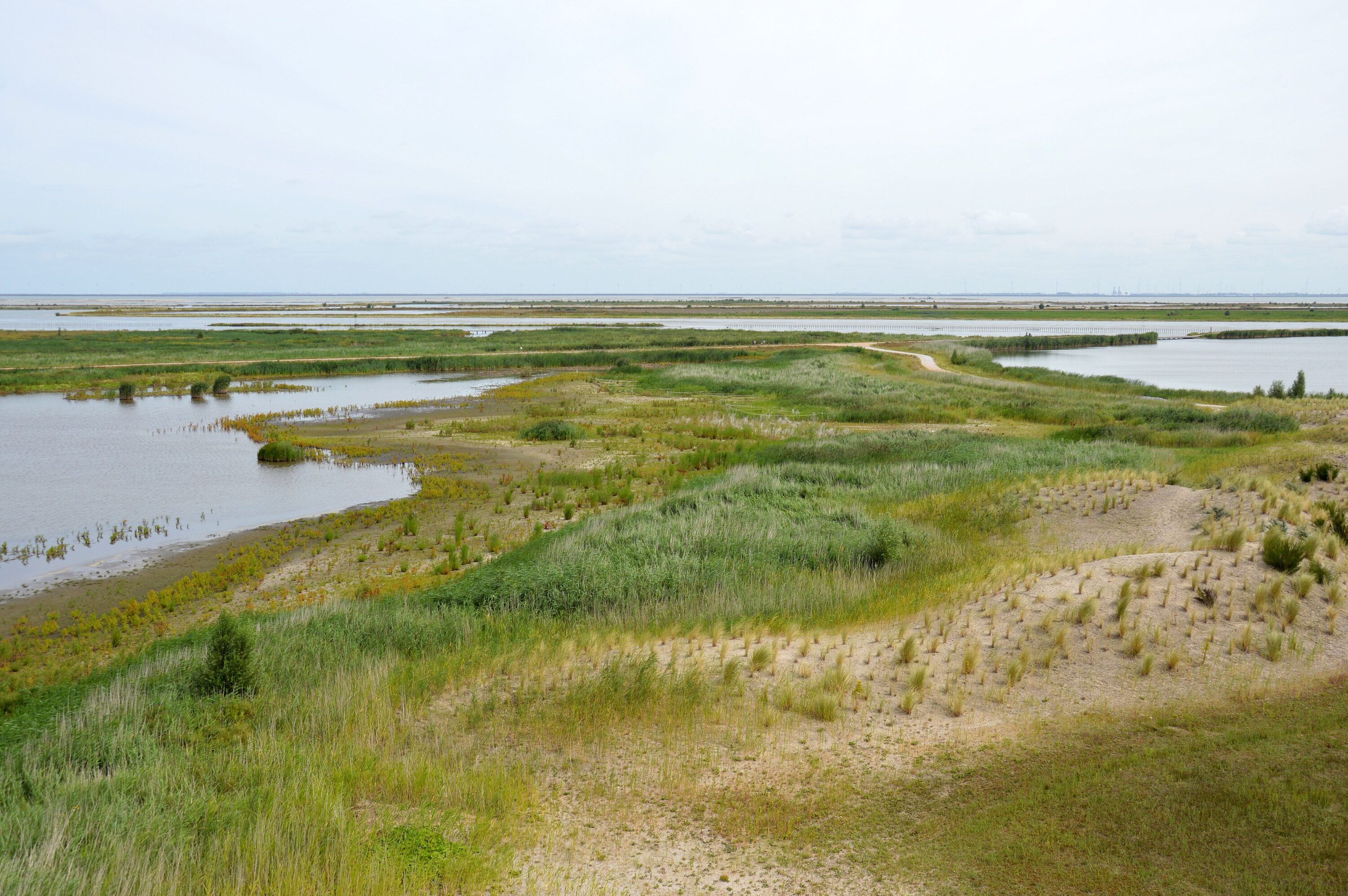
Shorebirds at Marker Wadden Preferred Saturated Mud and Water Up to 5 cm Deep
At Marker Wadden, pied avocets, common snipes, ruffs and common ringed plovers were analysed as one pooled group,…
Read story →SPECIES IN THIS STORY
Species in this story
Independent research and conservation news archive
Did you find this information useful?
Wildlife Vagabond is independently built and maintained. Voluntary support helps cover source verification, hosting and continued work on research and conservation news.
Support Wildlife VagabondThe news archive will remain freely available.