
Artificial Wader Nests Had Lower Survival and Different Predators Than Natural Nests in Estonia
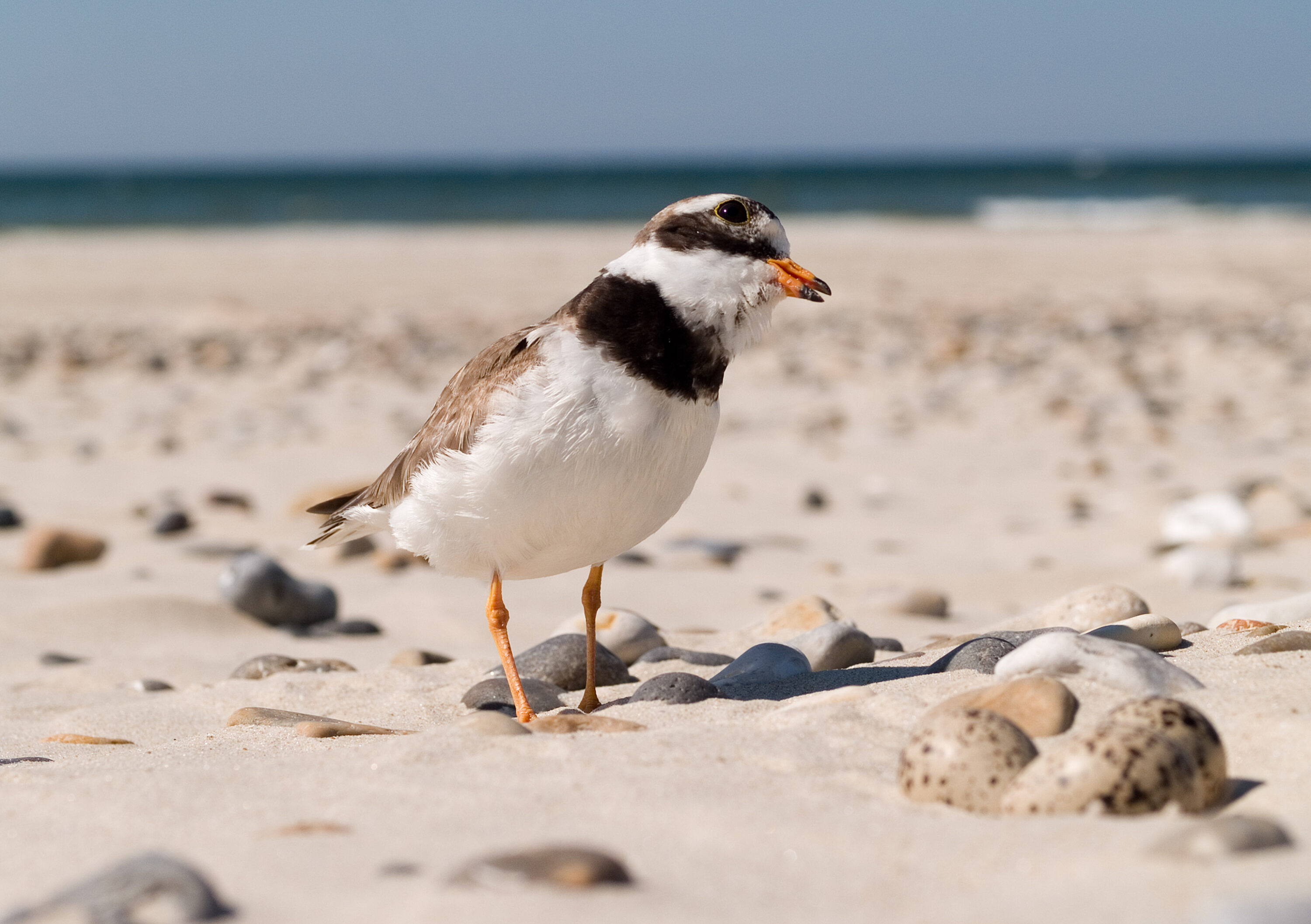
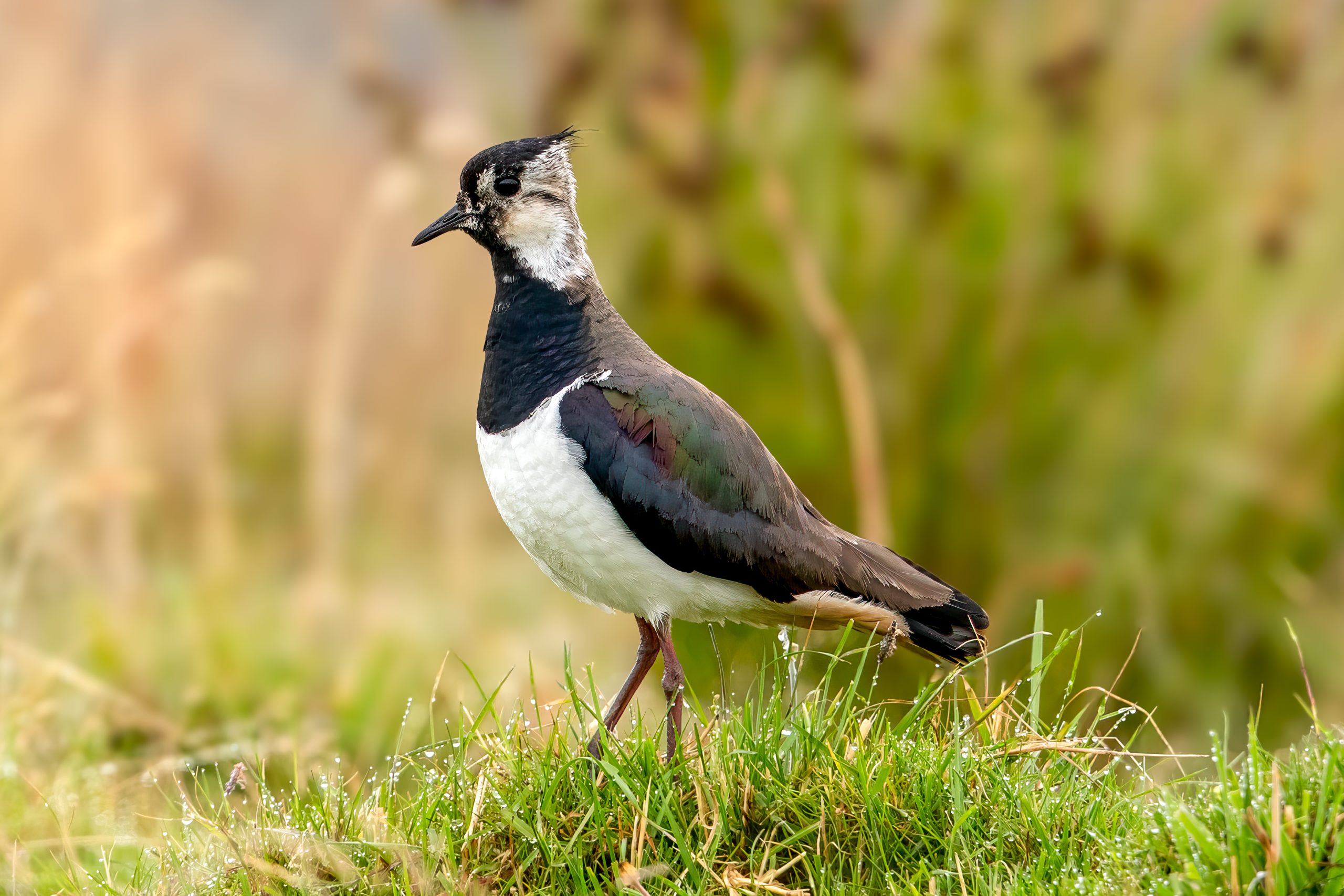
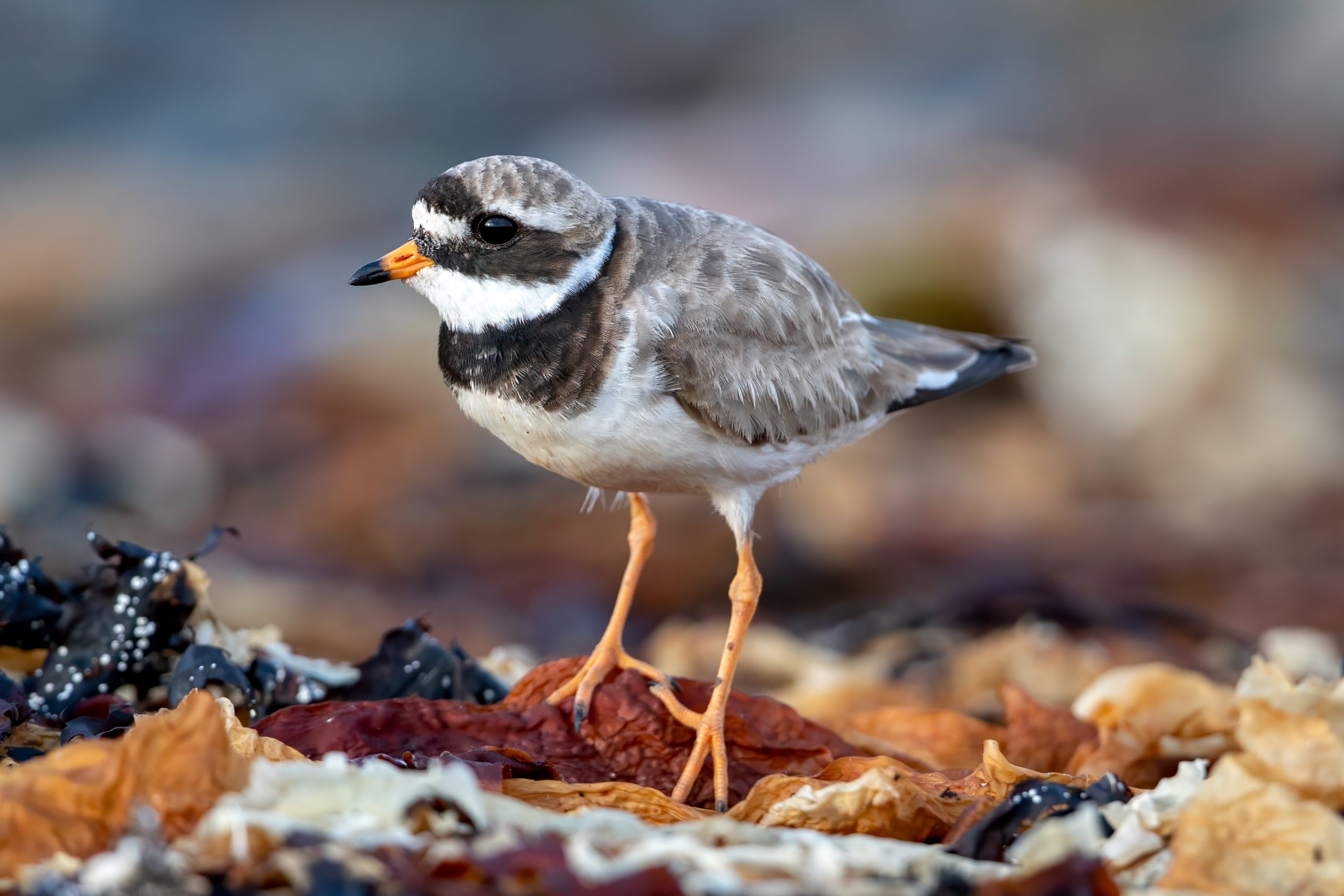
Artificial nests had lower survival and attracted a different predator community than natural wader nests in Estonian coastal grasslands. The study compared 77 artificial ground nests containing four domestic-quail eggs with 182 natural nests of northern lapwing (Vanellus vanellus) and common ringed plover (Charadrius hiaticula) over two breeding seasons.
The artificial nests were intended to mimic open wader nests while allowing researchers to control when and where nests were placed. Camera traps were used at 33 artificial and 34 natural nests to identify predators.
Artificial nests had lower survival in both study years
Natural nests had higher daily survival than artificial nests in both 2020 and 2023, although the size of the difference varied between years. When the daily rates were projected across a 27-day laying-and-incubation period, estimated survival was 4% for artificial nests versus 10% for natural nests in 2020, and 1% versus 26% in 2023.
The two natural species themselves had similar average daily survival, so the main contrast was between artificial and real nests rather than between lapwing and ringed plover.
One methodological complication was nest age. Artificial nests entered the study at age zero, whereas natural nests were discovered at different stages. Older natural nests appeared to have higher daily survival when laying and incubation were analysed together, but the age effect disappeared when only incubation was considered. The authors therefore treat nest age as a possible source of bias, not as an explanation that removes the artificial-versus-natural difference.
Bird predators were much more prominent at artificial nests
Camera traps recorded 31 predation events at artificial nests and 28 at natural nests. Birds accounted for 42% of the identified predation at artificial nests but only 11% at natural nests. Hooded crows and common gulls were recorded taking artificial nests but not natural ones.
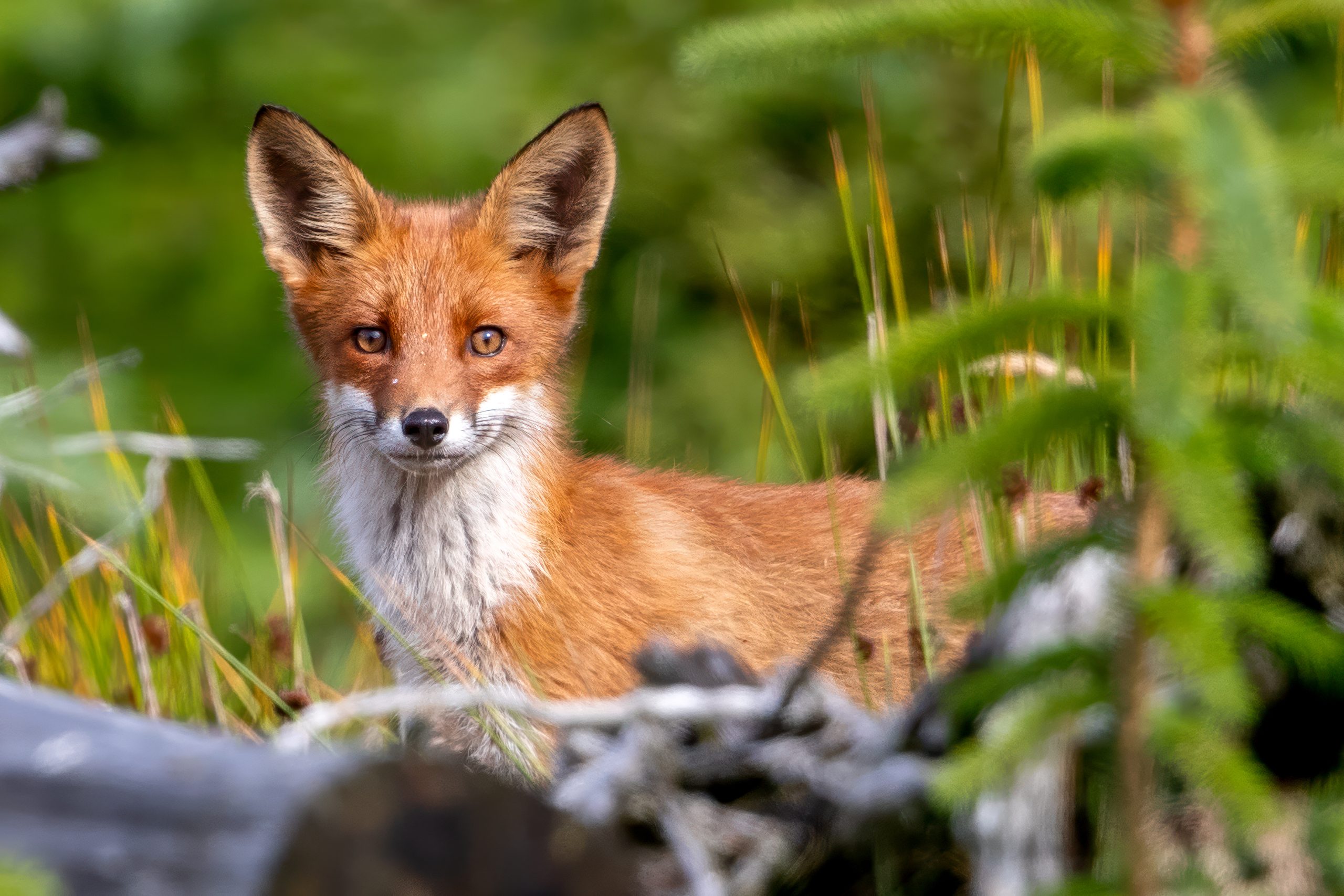
Natural nests were dominated more strongly by mammalian predation. Red fox (Vulpes vulpes) was the most frequently identified predator, recorded in ten events, followed by golden jackal in four and Eurasian badger and common raven in two each. Ten additional natural-nest events could not be assigned to a predator.
A real incubating bird changes the predation problem
Several differences can make artificial nests behave unlike real ones. Domestic-quail eggs differ in size and appearance from wader eggs, subtle placement differences can change visibility, and artificial nests have no attending adult.
That missing adult can matter in opposite ways. A bird sitting on a nest may help a predator locate it, but an adult can also conceal the eggs or actively defend the nest. Northern lapwings often chase avian predators, whereas ringed plovers rely more on remaining inconspicuous. Artificial nests reproduce neither strategy.
The authors conclude that artificial nests should not be treated as reliable substitutes for natural wader nests in wet coastal grasslands when estimating nest survival or identifying important predators. In particular, relying on artificial nests alone could exaggerate the apparent importance of avian nest predators and lead to misleading ecological or predator-management conclusions.
Other research
Related news
Similar Mammal Diversity, Different Activity Patterns in Grazed and Ungrazed Areas
Camera traps in four northern Israeli reserves found similar numbers of mammal species with and without livestock grazing.…
Read story →
Wolf Kills Provided Plenty of Food for Red Foxes
Red foxes visited all 26 wolf-killed red deer monitored in Stelvio National Park. The amount of meat left…
Read story →
Red Foxes and Stone Martens Share Places at Different Times
Red foxes and stone martens often used the same sites in central Spain. Their daily activity differed more…
Read story →SPECIES IN THIS STORY
Species in this story
Independent research and conservation news archive
Did you find this information useful?
Wildlife Vagabond is independently built and maintained. Voluntary support helps cover source verification, hosting and continued work on research and conservation news.
Support Wildlife VagabondThe news archive will remain freely available.