
Chicks From Experimental Five-Egg Common Ringed Plover Clutches Faced 3.5 Times Higher Mortality Risk

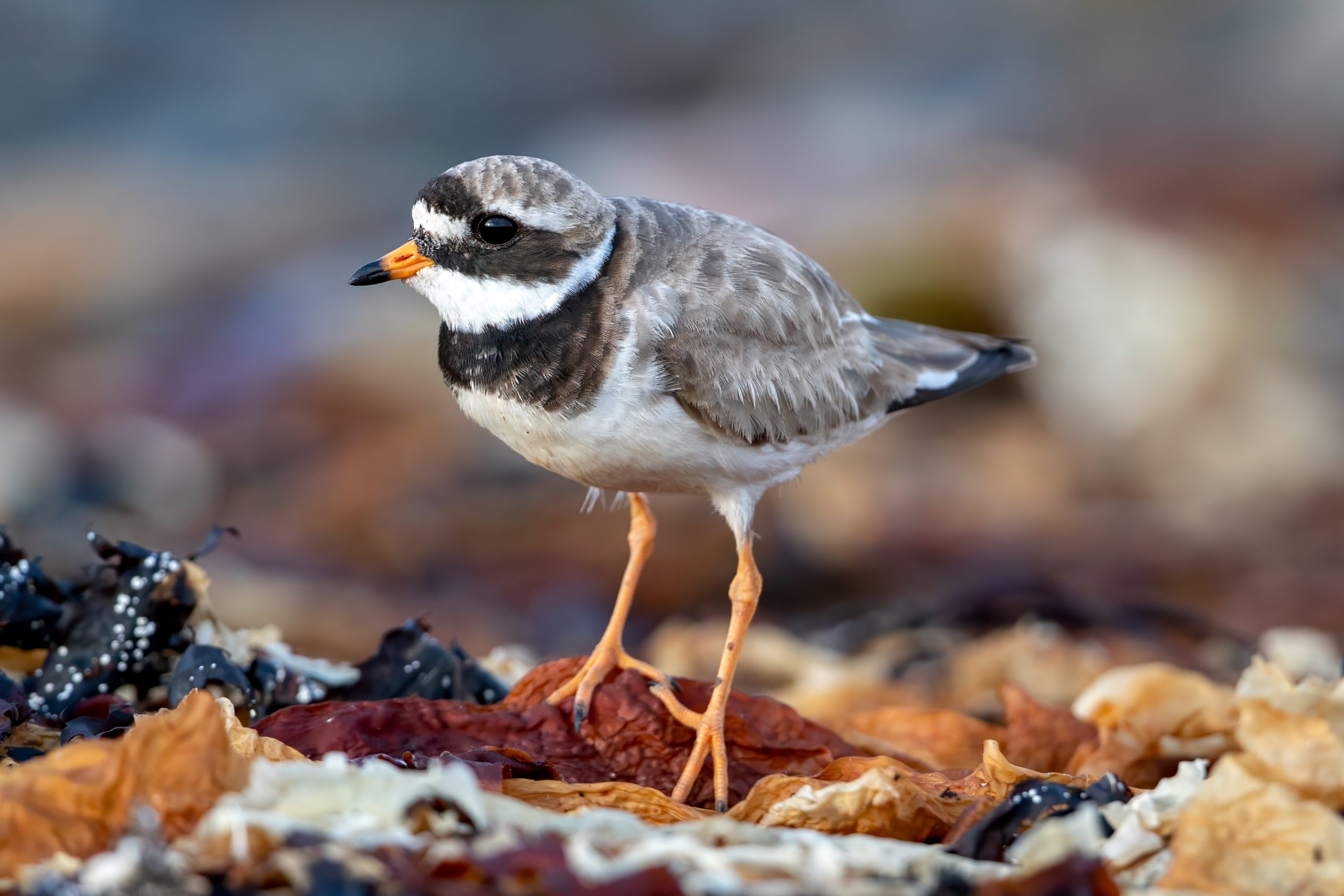
An experiment on the Varanger Peninsula in north-eastern Norway found substantial costs when the normal four-egg clutch of common ringed plovers (Charadrius hiaticula) was experimentally enlarged to five. Chicks from enlarged clutches were smaller after hatching and had a 3.5-times higher risk of dying before ten days of age than chicks from control clutches.
Fieldwork was carried out from late May to mid-July 2022 in a roughly 35 km² study area on Varanger. The researchers followed 46 nests. All experimental nests initially contained the species’ normal four eggs; one member of each matched pair was enlarged with a model egg with thermal properties similar to a real egg, while the other served as a control. Adults continued to incubate the enlarged clutches, allowing the team to test whether the extra egg changed incubation and later chick performance without increasing the number of chicks that parents had to rear.
Larger clutches slowed development
Hatching success itself changed little, but enlarged clutches had longer incubation periods, more asynchronous hatching and lower egg mass loss, which the authors interpret as consistent with slower embryonic development. Hatchlings from enlarged clutches were lighter and had shorter head-and-bill measurements. During the first 15 days after hatching they remained lighter and had shorter tarsi than control chicks.
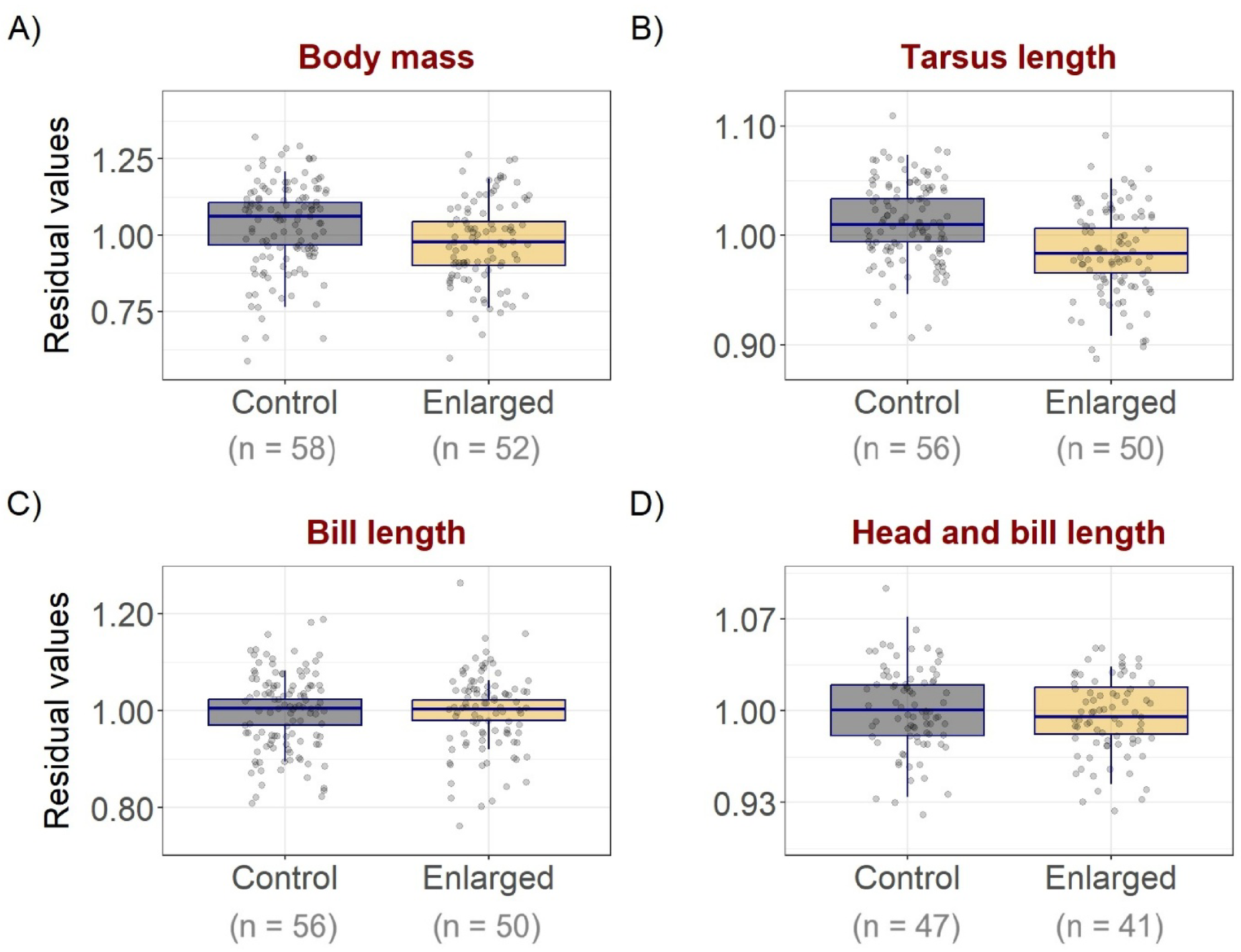
Chick mortality rose sharply
Mortality produced the clearest difference. The minimum proportion surviving the first ten days was 78.9% in the control group and 51.3% in the enlarged group. When the researchers combined clutch size, nest survival, egg survival, hatchability and chick survival, treating the model egg in the calculation as if it were a real fifth egg, the enlarged clutches had an 11% higher calculated reproductive value at hatching, but this advantage had become a 36% deficit by day ten.
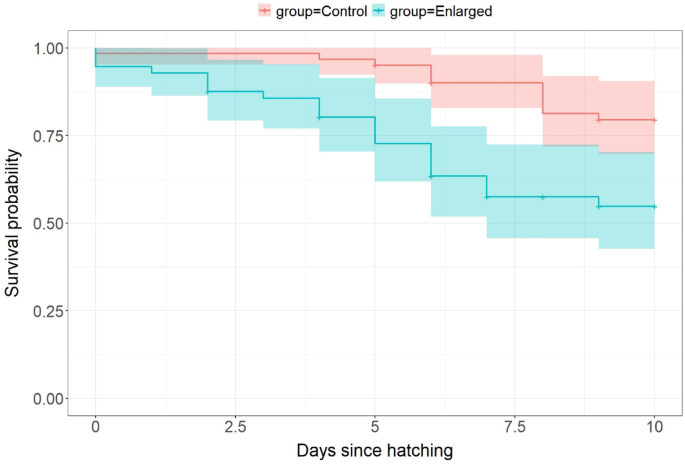
The authors conclude that the costs of incubating a larger-than-normal clutch can carry over well beyond hatching. They did not directly measure egg temperatures, but describe the longer incubation, altered embryonic development and poorer chick performance as broadly consistent with reduced incubation efficiency in oversized clutches. The results provide a mechanism that can help explain why a four-egg clutch is so strongly conserved among many waders.
Reproduction & development
Related news
Artificial Wader Nests Had Lower Survival and Different Predators Than Natural Nests in Estonia
In Estonian coastal grasslands, 77 artificial wader nests had lower survival than 182 natural lapwing and ringed-plover nests,…
Read story →
58 Ringed Plover Chicks Fledged at Protected Norfolk Beaches in 2025, Up From 19 in 2021
RSPB reported 58 fledged Ringed Plover chicks at protected Heacham–Snettisham sites in 2025, just over three times the…
Read story →
Shorebirds at Marker Wadden Preferred Saturated Mud and Water Up to 5 cm Deep
At Marker Wadden, pied avocets, common snipes, ruffs and common ringed plovers were analysed as one pooled group,…
Read story →SPECIES IN THIS STORY
Species in this story
Independent research and conservation news archive
Did you find this information useful?
Wildlife Vagabond is independently built and maintained. Voluntary support helps cover source verification, hosting and continued work on research and conservation news.
Support Wildlife VagabondThe news archive will remain freely available.