
Shorebirds at Marker Wadden Preferred Saturated Mud and Water Up to 5 cm Deep
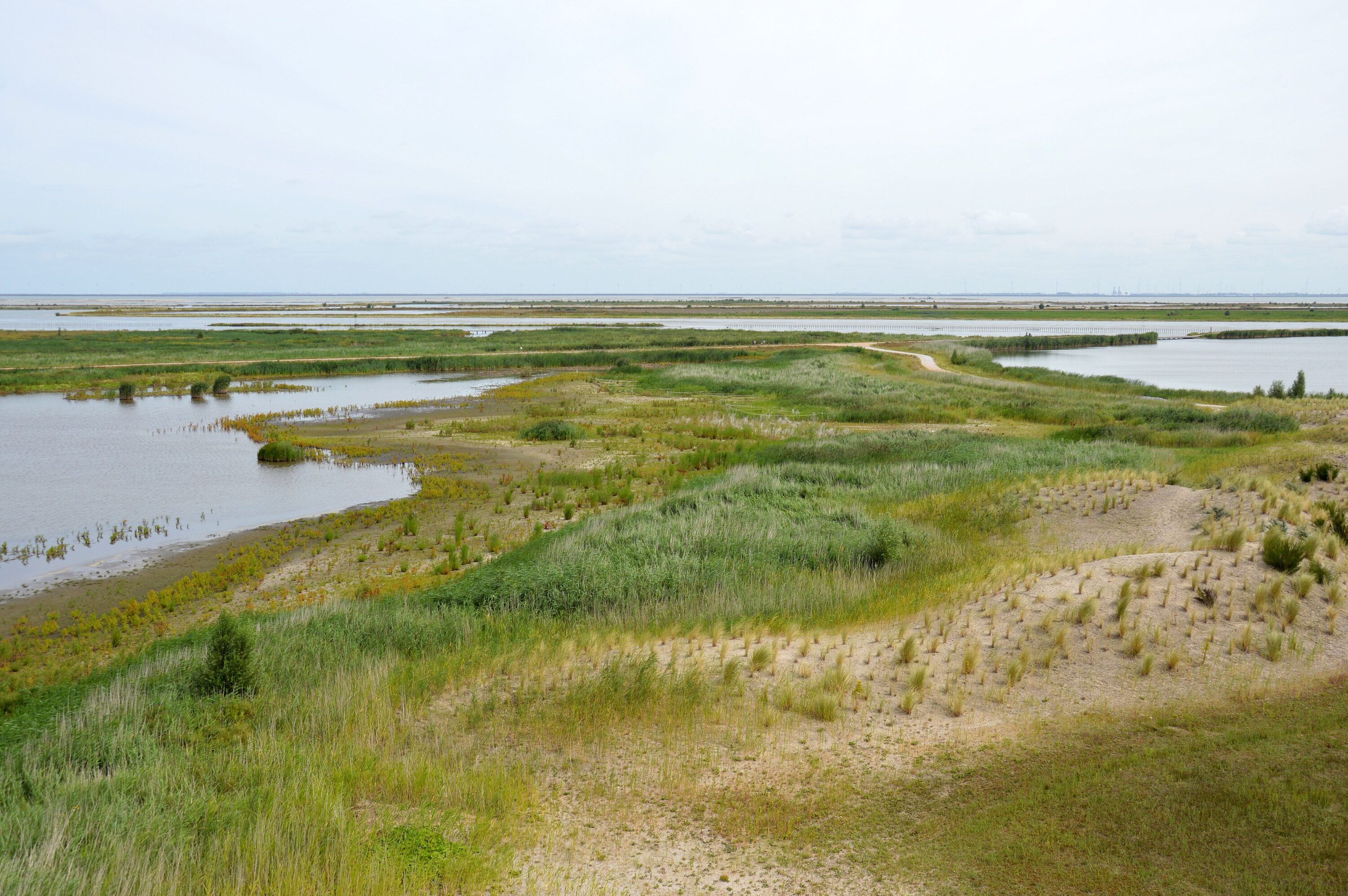
Shorebird use of the newly constructed Marker Wadden wetland in the Netherlands was much more strongly related to fine-scale water level than to the amount of macrofauna measured as potential prey. The highest use occurred from exposed, saturated mud to about 5 cm of water above the sediment surface.
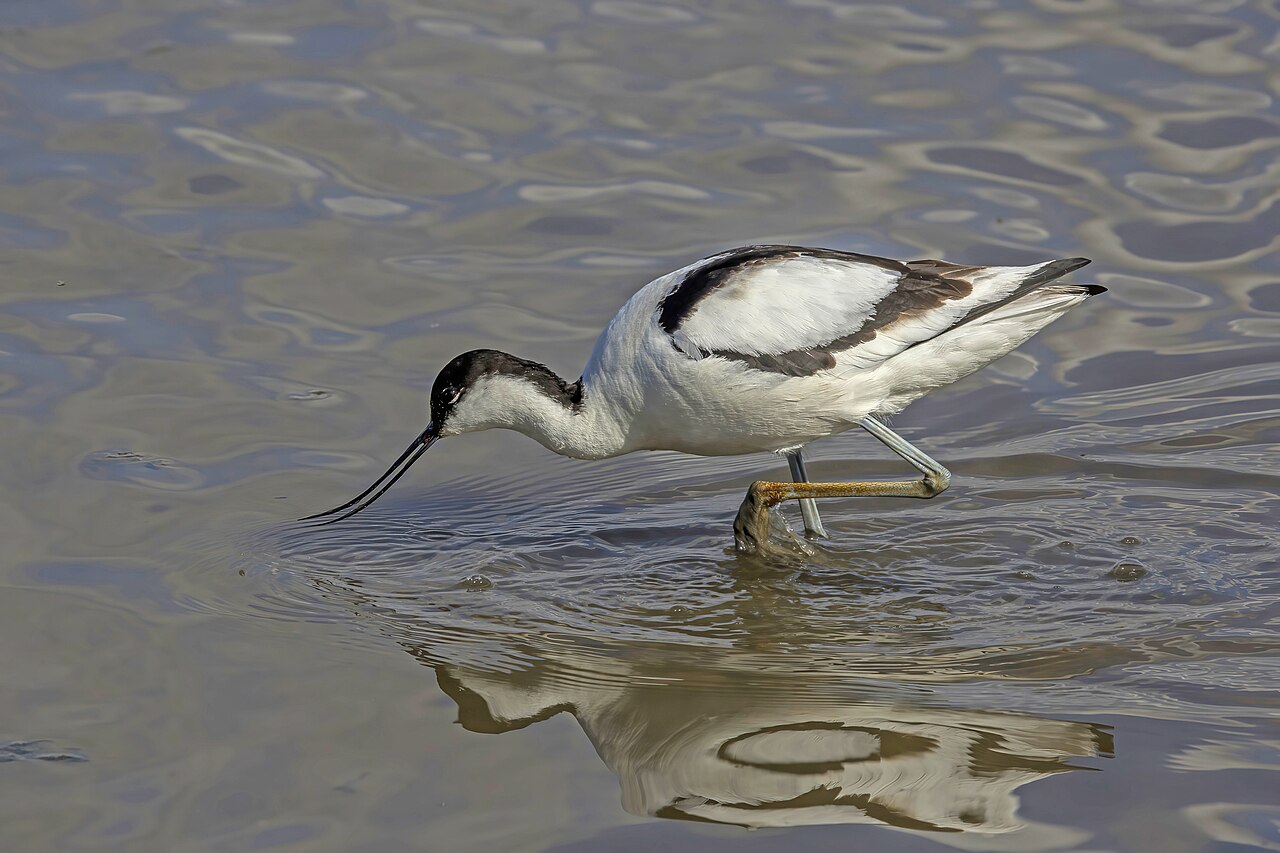
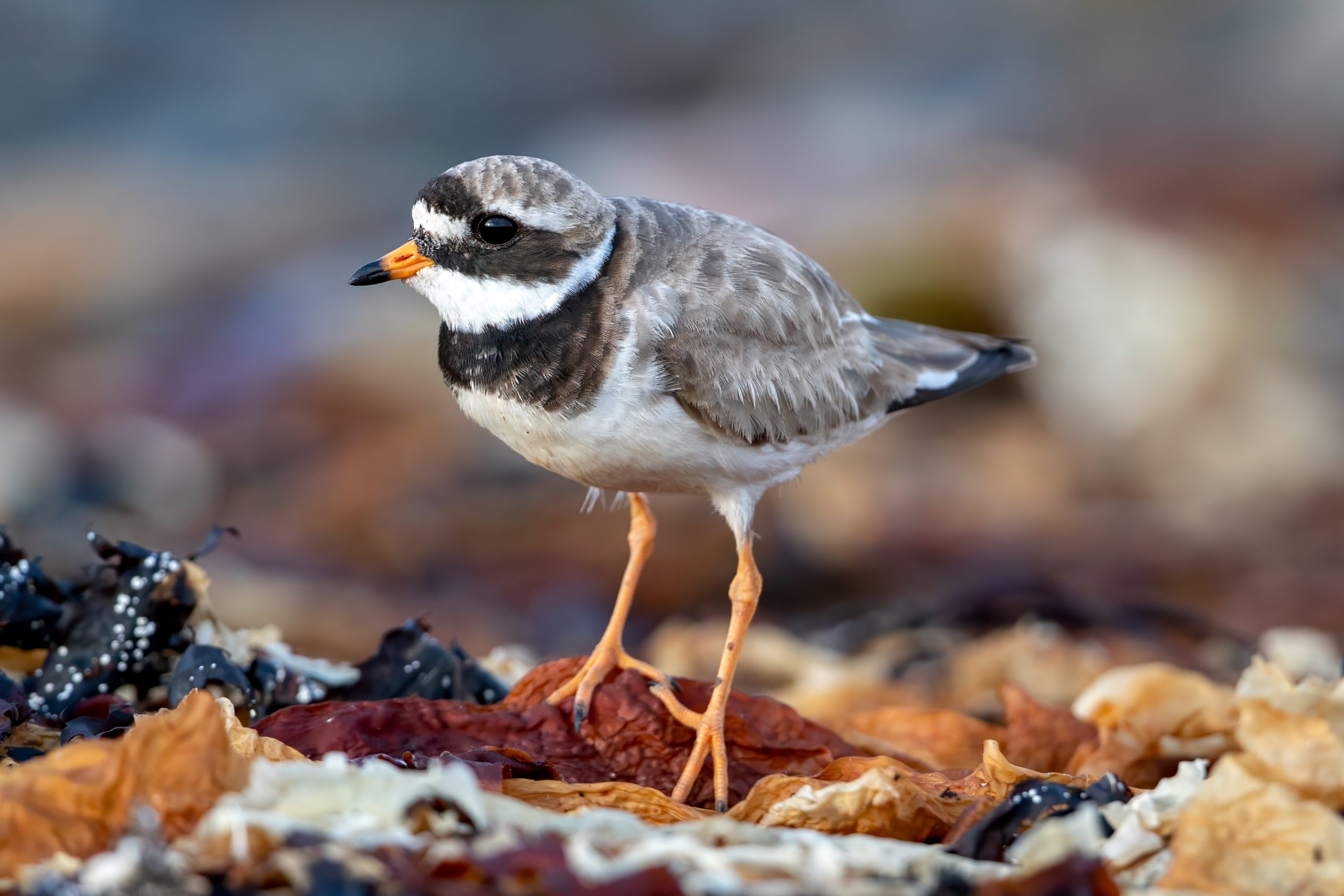
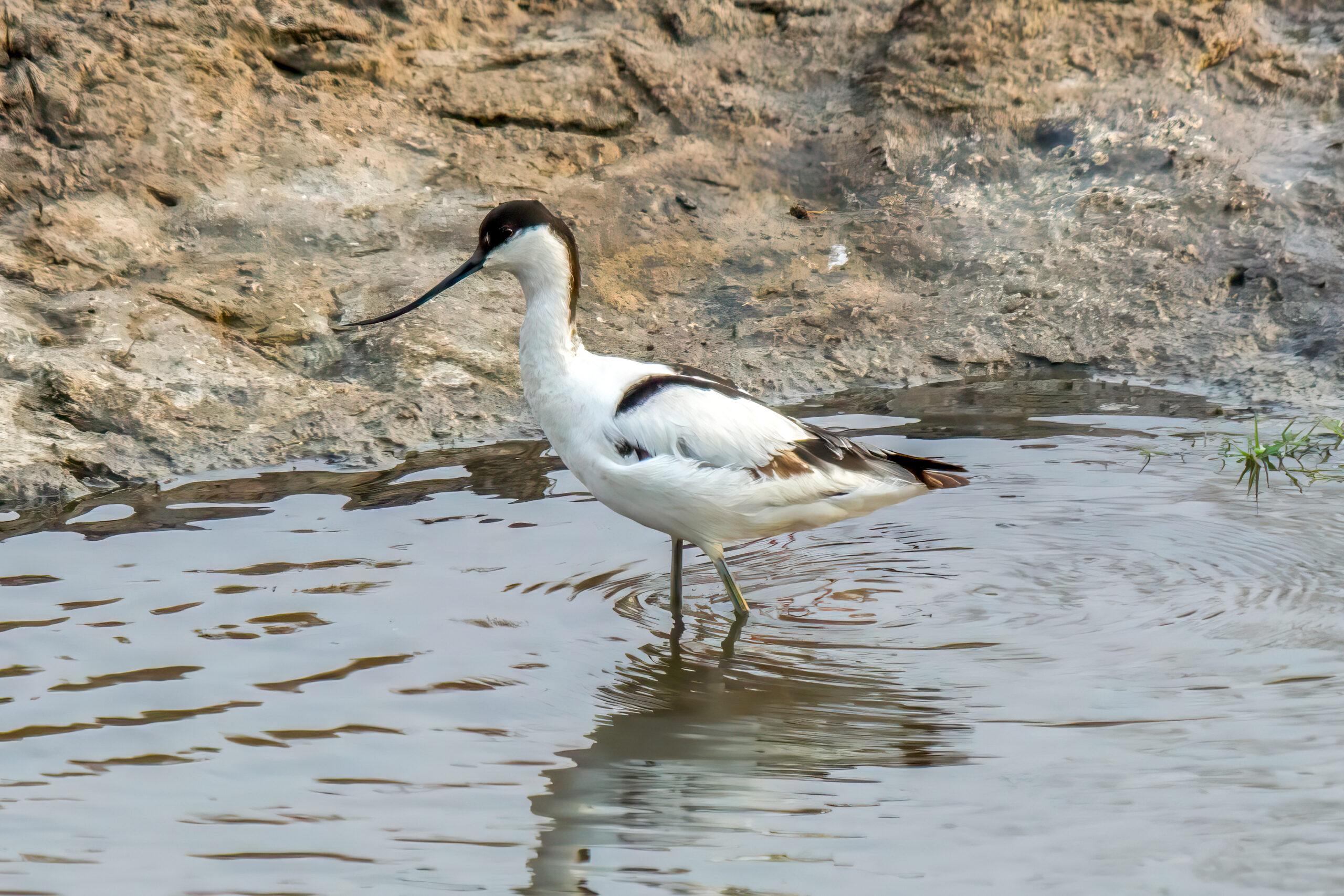
The study focused on four abundant shorebirds: pied avocet (Recurvirostra avosetta), common snipe (Gallinago gallinago), ruff (Calidris pugnax) and common ringed plover (Charadrius hiaticula). Together they made up about 63% of the shorebird community recorded at Marker Wadden from May to September 2022. The species were analysed as one pooled group, so the results describe a shared community-level pattern rather than separate depth preferences for each species.
Peak use occurred around the sediment surface
At six locations, the researchers combined automatic water-level measurements with monthly sampling of benthic and pelagic macrofauna and bird counts from 86,400 camera-trap images.
Water level was by far the strongest predictor of shorebird numbers. Sixty-seven percent of focal observations occurred when the water level ranged from 10 cm below to 10 cm above the sediment surface, and use peaked when 0–5 cm of water covered the mud.
A negative water level did not mean dry habitat. It meant that the water table had dropped below the sediment surface, leaving exposed mud that could still be wet and saturated. This distinction matters because the birds were concentrated around the transition between exposed soft mud and very shallow water.
Accessibility mattered more than measured prey biomass
Benthic and pelagic macrofauna biomass varied among sites and months, but adding those prey measurements improved the models little compared with water level alone. Their effects were much smaller than the water-level effect.
The authors interpret this as a question of prey accessibility rather than simply how much prey was present. The four focal species differ in bill and leg length, but all forage in soft sediment or shallow water. When water becomes deeper, prey can remain present in or on the sediment yet become physically harder to reach; when exposed mud dries too much, probing can also become more difficult.
This helps explain why the estimated optimum lay close to the sediment surface. At that depth, prey in the mud and shallow water can remain accessible to a broad range of wader feeding strategies even when the total standing biomass of macrofauna is not especially high.
The four focal species were analysed together because the camera system was not reliable enough for species-level classification across the full image set. A manually checked subset showed the same broad shallow-water pattern, but the result should not be read as proof that every shorebird species has the same ideal depth.
For restored freshwater wetlands, the management implication is unusually concrete: shifts of only a few centimetres can substantially change how much foraging habitat is usable. The authors therefore argue for water-level management that creates shallow feeding areas when shorebirds are present, while recognising that other organisms and seasons may require different hydrological conditions.
Ecology
Related news
Ringed Pied Avocet Set a UK Longevity Record at 36 Years
A Pied Avocet ringed as a nestling at Titchwell Marsh on 2 July 1990 was identified alive at…
Read story →
Fungal Communities Differed Across Pied Avocet Breeding Substrates
Around ten Pied Avocet nest sites in China's Yellow River Delta, researchers detected 9,980 fungal DNA variants but…
Read story →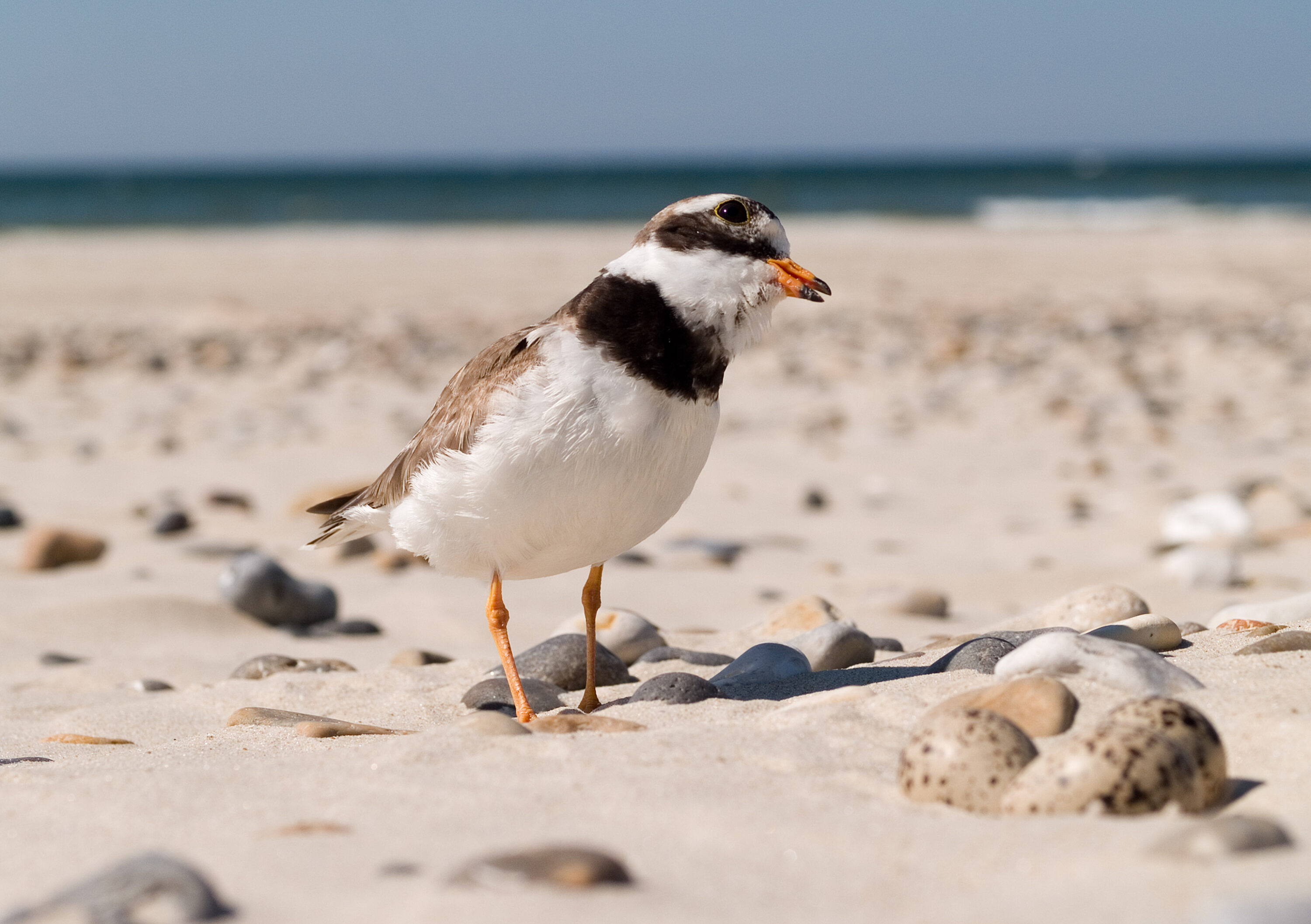
Artificial Wader Nests Had Lower Survival and Different Predators Than Natural Nests in Estonia
In Estonian coastal grasslands, 77 artificial wader nests had lower survival than 182 natural lapwing and ringed-plover nests,…
Read story →SPECIES IN THIS STORY
Species in this story
Independent research and conservation news archive
Did you find this information useful?
Wildlife Vagabond is independently built and maintained. Voluntary support helps cover source verification, hosting and continued work on research and conservation news.
Support Wildlife VagabondThe news archive will remain freely available.