
Northern Barasingha Preferred Mixed Grasslands and Avoided Heavily Disturbed Pure Saccharum Patches
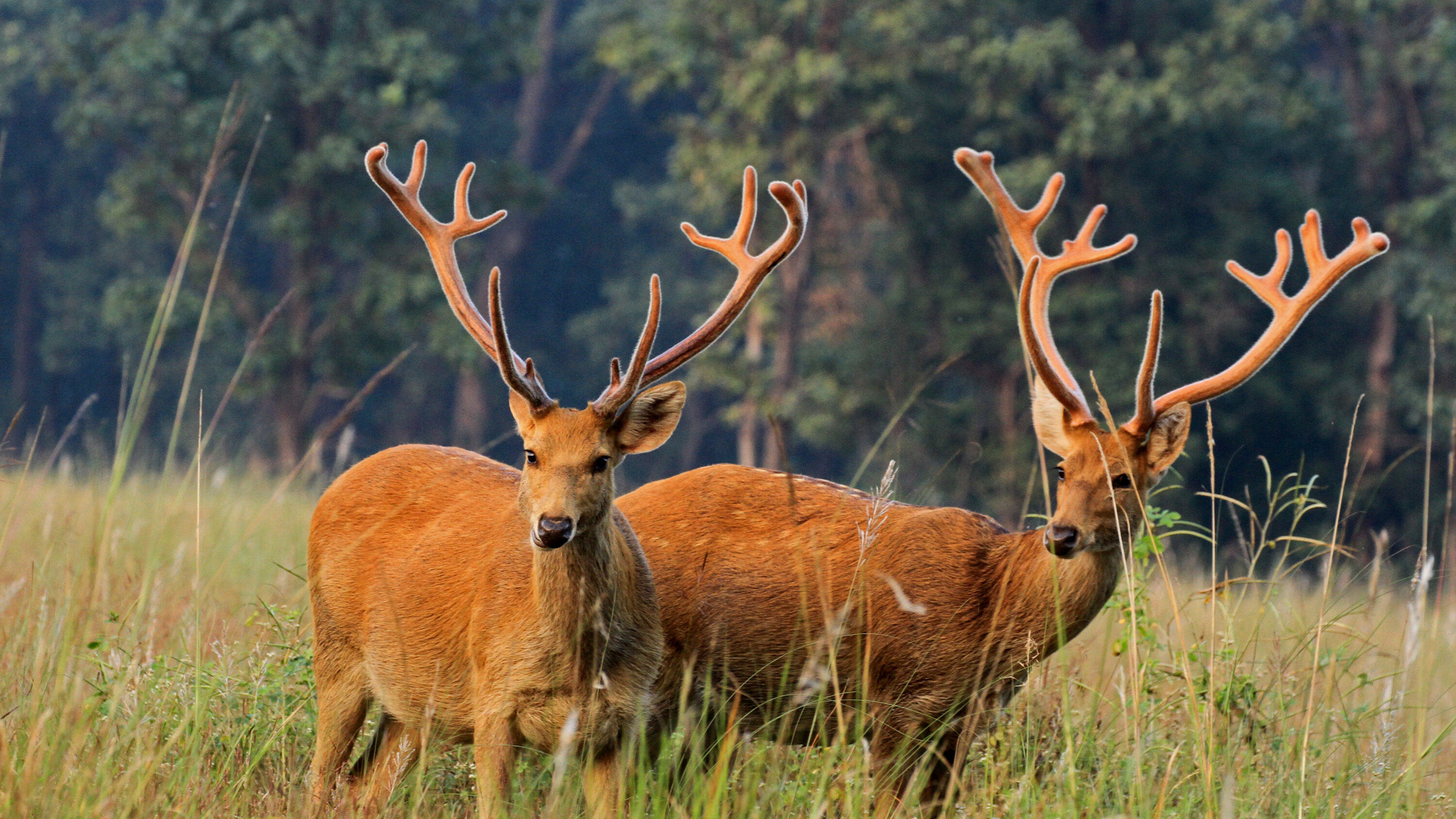
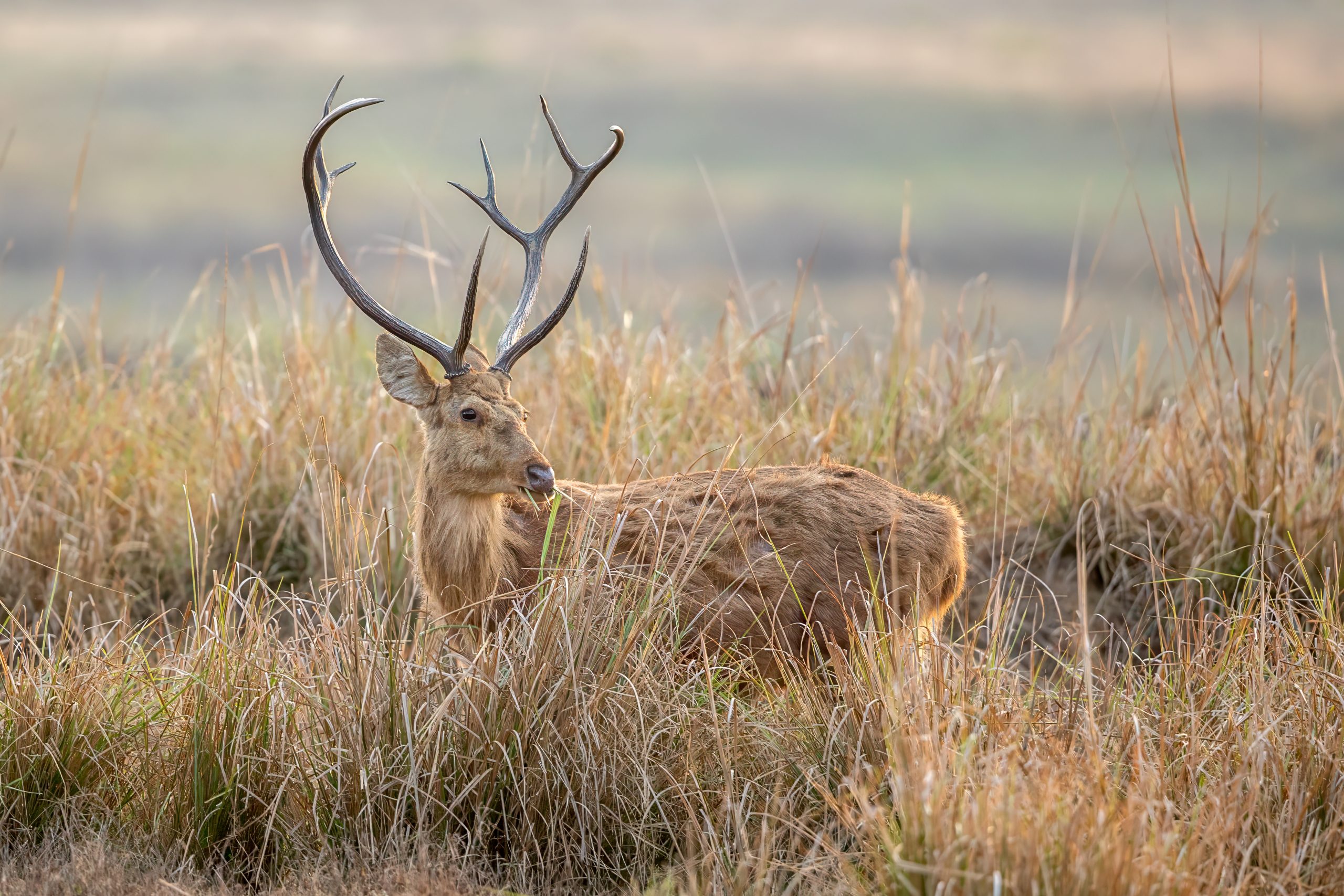
A 2026 preprint on northern barasingha (Rucervus duvaucelii duvaucelii) found that grassland structure and human disturbance were closely related to habitat use along the upper Ganges in northern India. A preprint is a research manuscript made public before formal peer review, so the findings should still be considered preliminary. The study covered Jhilmil Jheel Conservation Reserve, Hastinapur Wildlife Sanctuary and surrounding unprotected grasslands.
Researchers combined field vegetation surveys with satellite-derived NDVI data and classified the grasslands into four main structural types shaped by Saccharum, Phragmites and Typha. NDVI is a satellite-based greenness index that uses differences in how vegetation reflects light to map broad variation in vegetation cover and condition across a landscape. Signs of human disturbance were recorded in about 77% of surveyed grassland plots. Pure Saccharum grasslands had the highest disturbance levels, while Phragmites–Typha patches had the lowest.
Survey records and movement data from two radio-collared barasingha showed more consistent use of mixed vegetation, particularly Saccharum-dominated mixtures and Phragmites–Typha mixtures, while heavily disturbed pure Saccharum patches were avoided. The two collars provided detailed movement information, but such a small number of tracked animals cannot by itself represent all habitat choices in the wider population.
Habitat use also changed seasonally, with vegetation structure, hydrology and disturbance jointly shaping which grassland patches were used. The authors emphasise the value of maintaining structurally diverse grassland mosaics and reducing human pressure, particularly in unprotected parts of the Gangetic floodplain.
Ecology
Related news
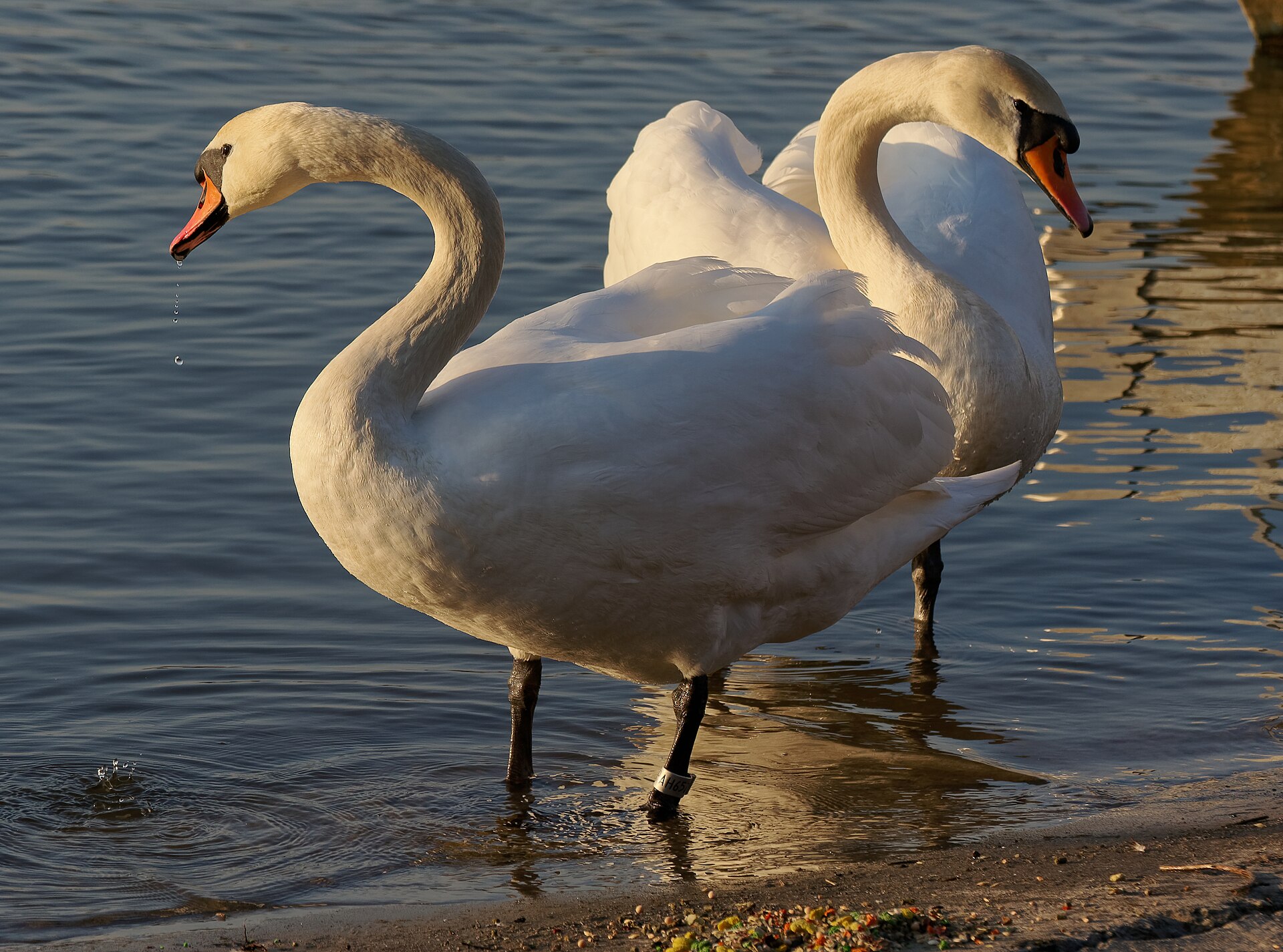
Inland Mute Swans Had Higher Winter Body Condition Despite Harsher Winters and Supplemental Feeding
A study of 853 mute swans from four Polish wintering regions found higher body condition inland than on…
Read story →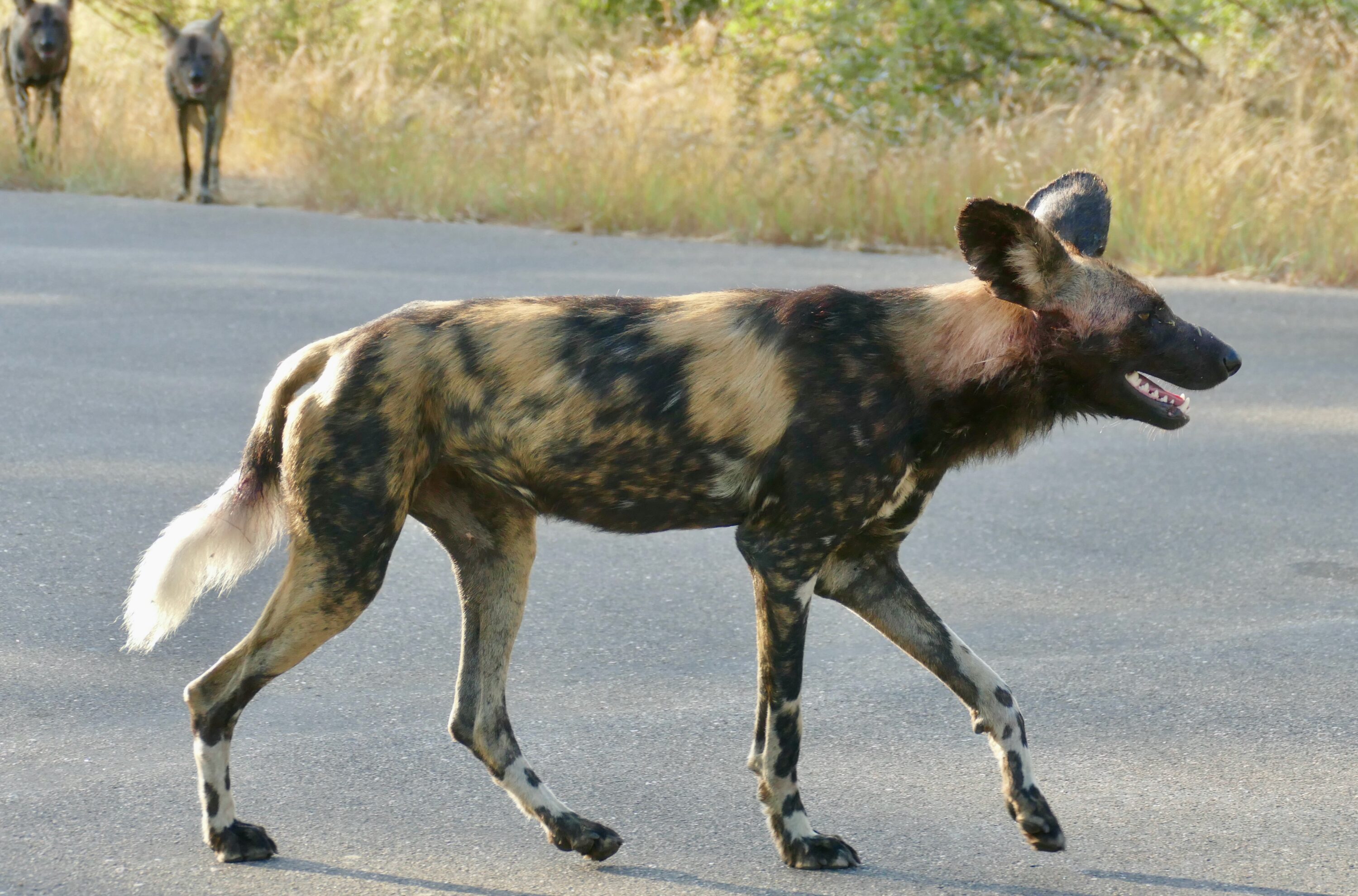
Gut Microbiomes Across Nine Kruger Mammals Clustered More Strongly by Dietary Group Than Species
A study of 89 quality-filtered faecal samples from nine wild mammals in Kruger National Park found that carnivores,…
Read story →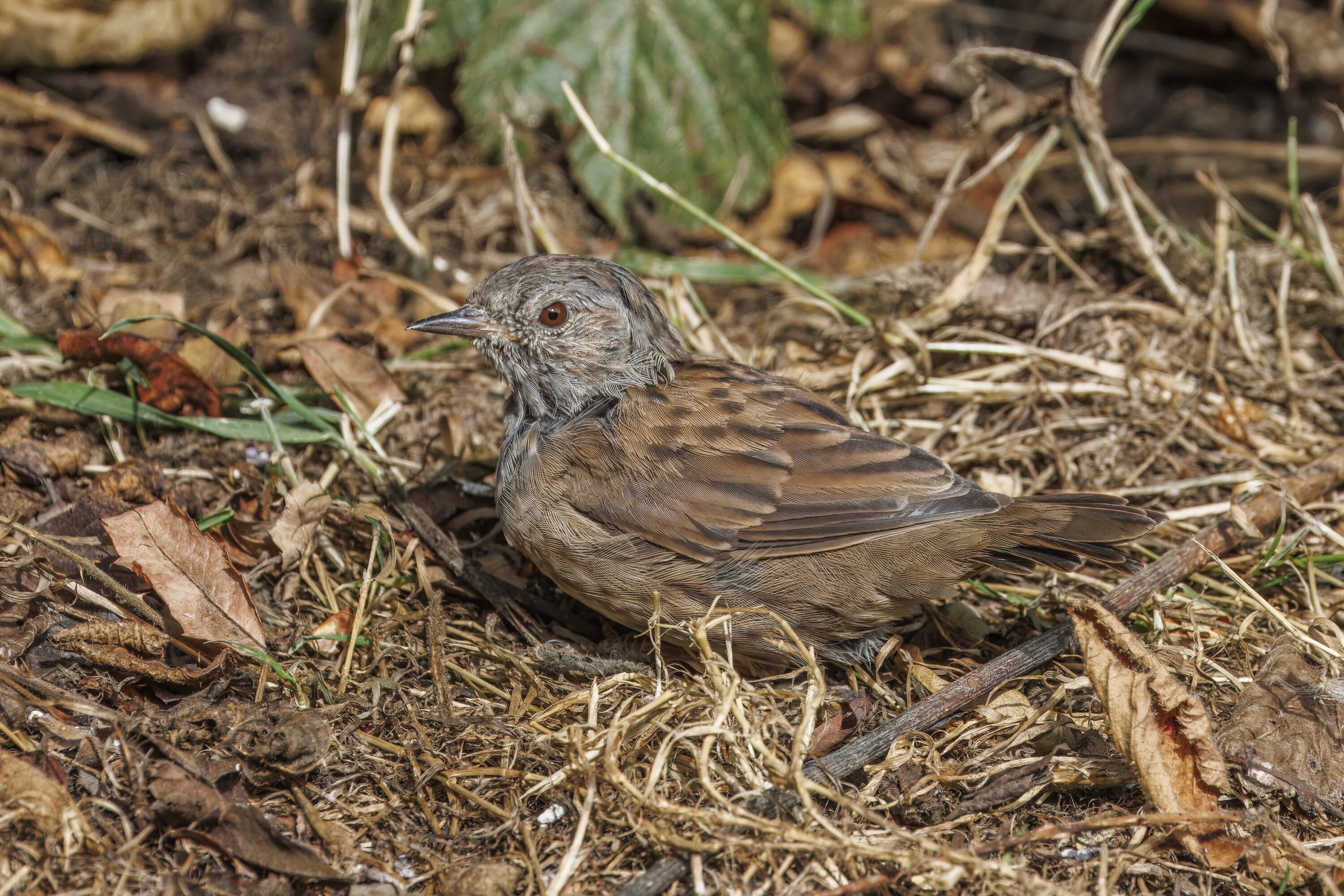
Dunnock Spring Passage Advanced by Up to 8.3 Days Over 61 Years at Hel
Standardised ringing data from northern Poland showed that the first, median and last phases of dunnock spring passage…
Read story →SPECIES IN THIS STORY
Species in this story
Independent research and conservation news archive
Did you find this information useful?
Wildlife Vagabond is independently built and maintained. Voluntary support helps cover source verification, hosting and continued work on research and conservation news.
Support Wildlife VagabondThe news archive will remain freely available.