
Northern Willow Warbler Moult Lasted About 15 Days
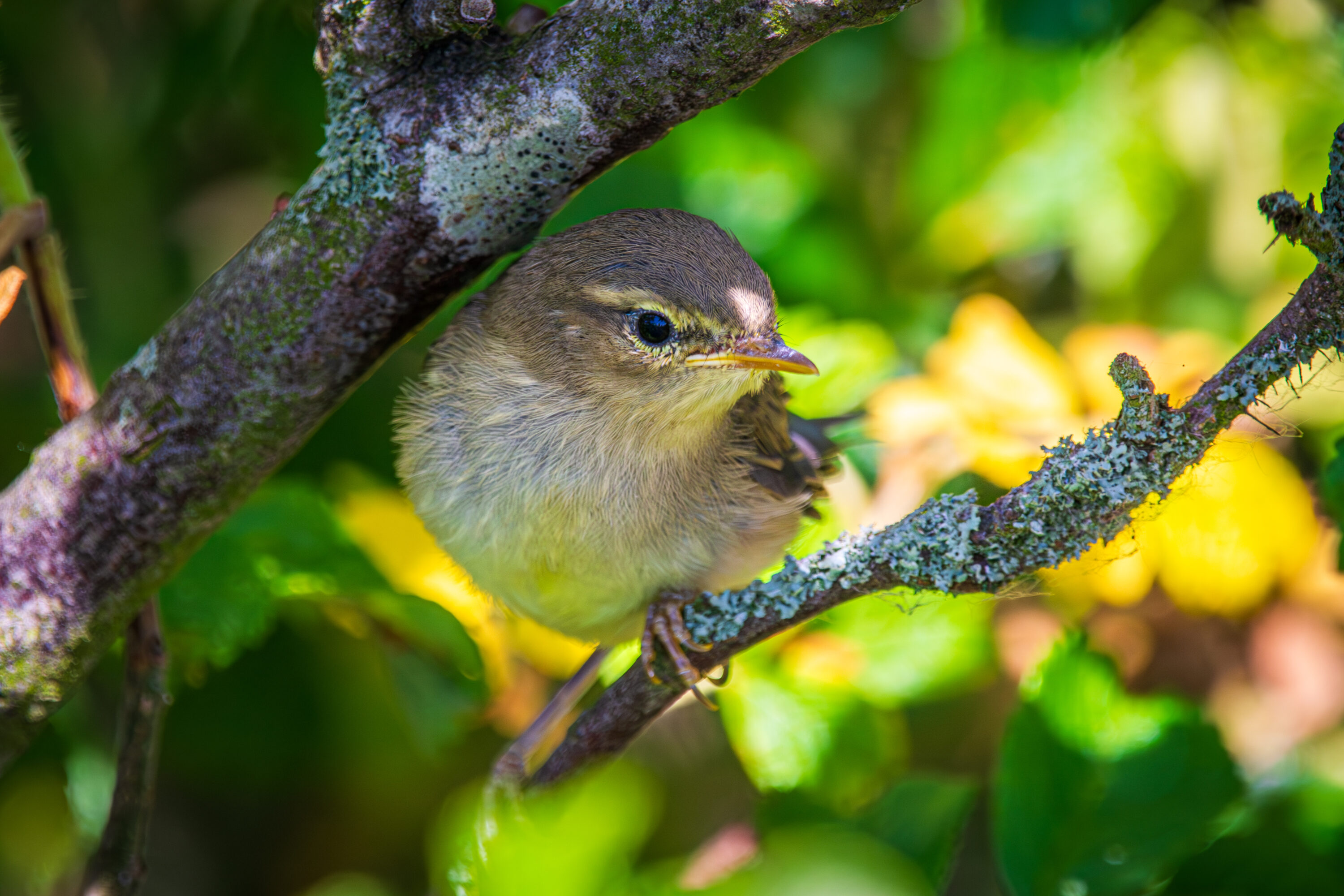
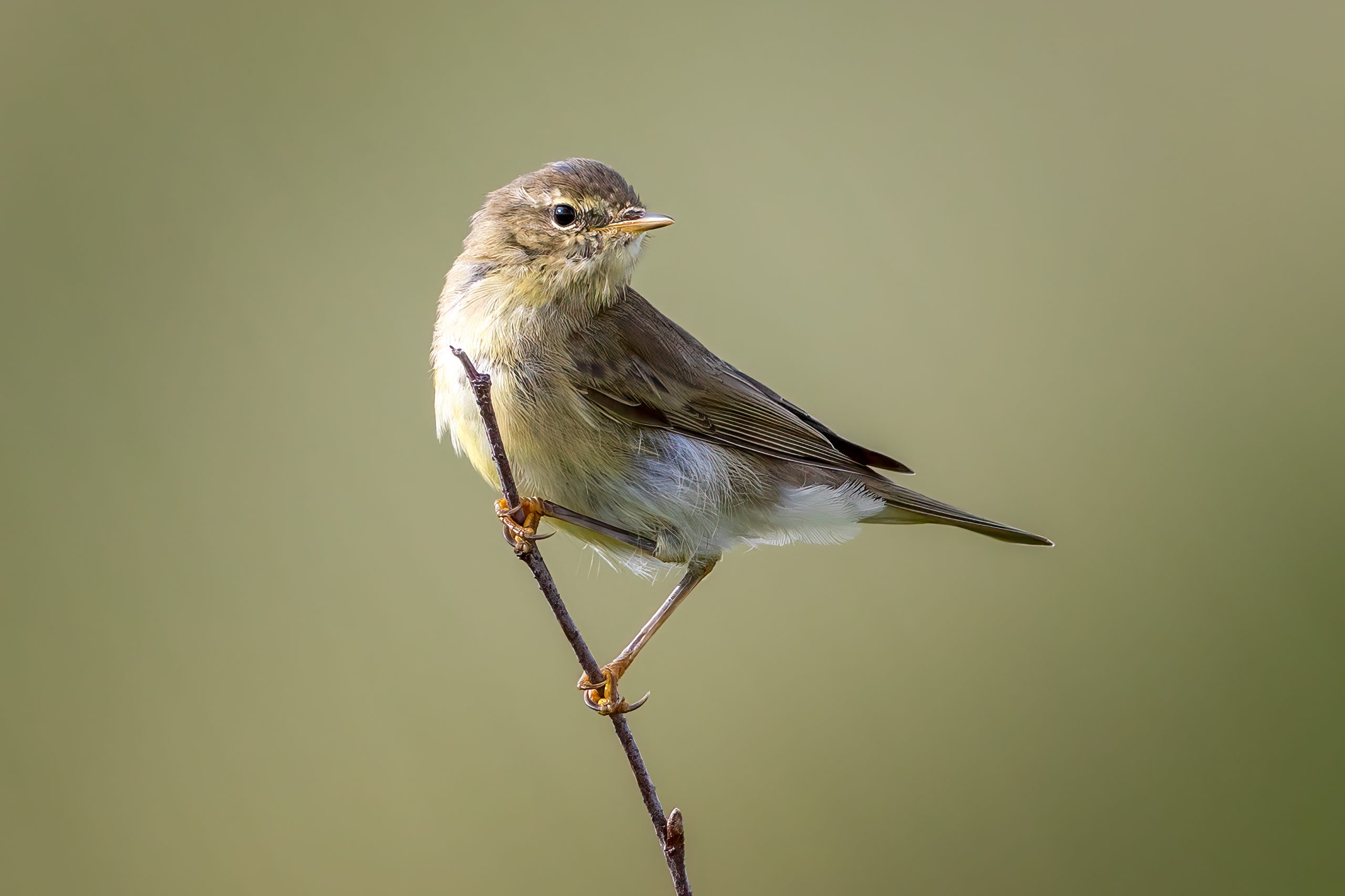
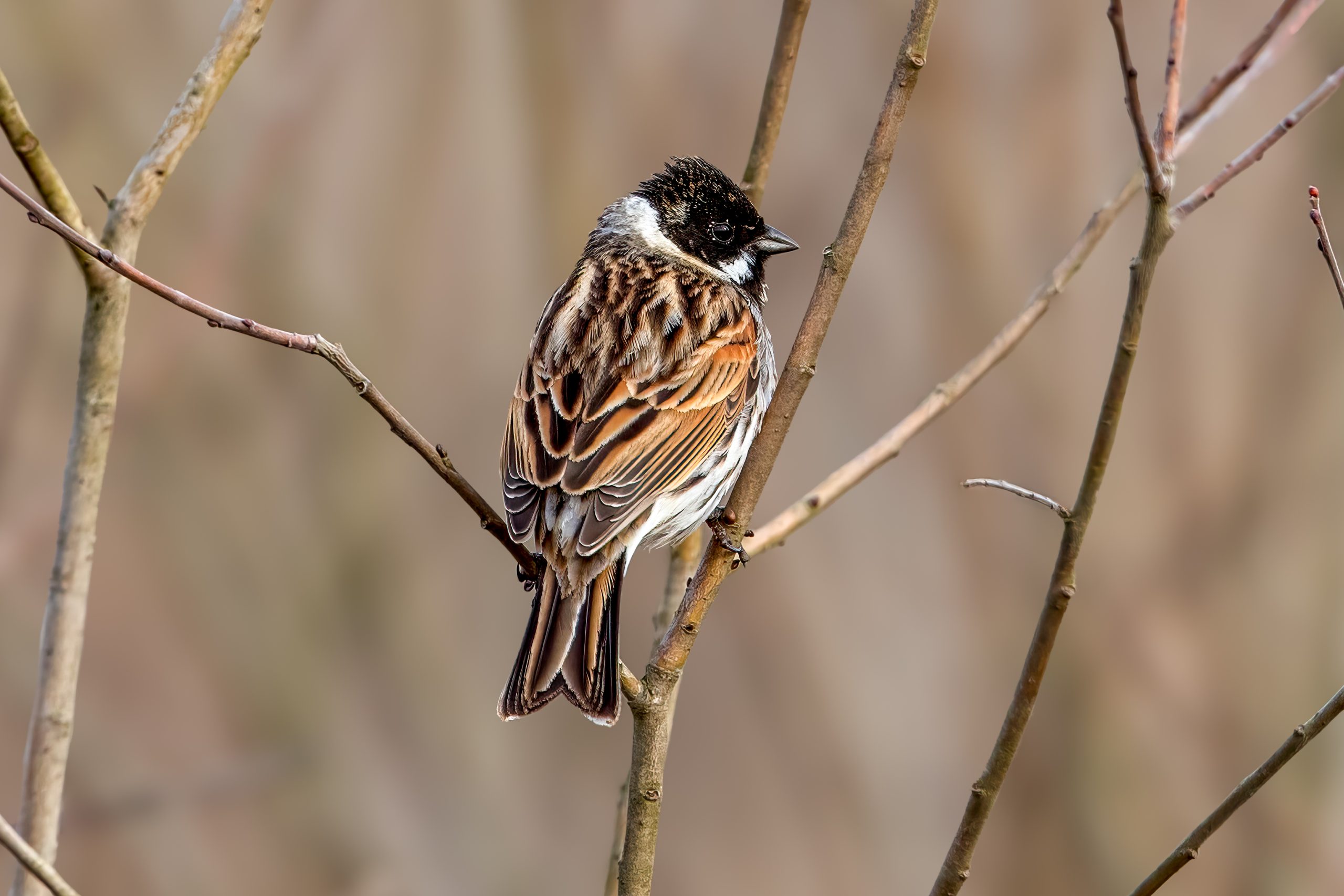
A field study in Russia’s far north found a highly concentrated moult in willow warblers (Phylloscopus trochilus) compared with reed buntings (Emberiza schoeniclus) at the same site. The study, published on 30 June 2026, used data collected at the Varlam Island research station in Pasvik State Nature Reserve, Murmansk Region, from 2022 to 2024.
Birds were captured in mist nets, examined alive and released. The researchers scored plumage condition in different feather tracts using standard methods, assessing post-juvenile moult in first-year birds and post-breeding flight-feather replacement in adults.
Willow warblers showed a synchronous and compressed pattern of feather replacement. Moult activity peaked from 6 to 11 August, and the estimated duration was about 15 days. Reed buntings showed a more prolonged pattern from 28 July to 29 August, lasting about 25–30 days and showing signs of two activity peaks.
The researchers also found characteristics associated with northern populations in both species: reduced moult completeness, earlier onset and partial overlap with the final stages of nesting. They linked the interspecific difference to migration strategy and feeding ecology. Reed buntings are short-distance migrants with a diet that includes seeds, whereas willow warblers are insect-eating long-distance migrants and replaced their plumage more rapidly as the polar summer waned.
The authors interpret these patterns as phenological adaptations to extreme northern conditions. They argue that the results add to understanding of how annual-cycle timing differs between migratory strategies and may help assess how northern birds respond to changing seasonal conditions.
Ecology
Related news
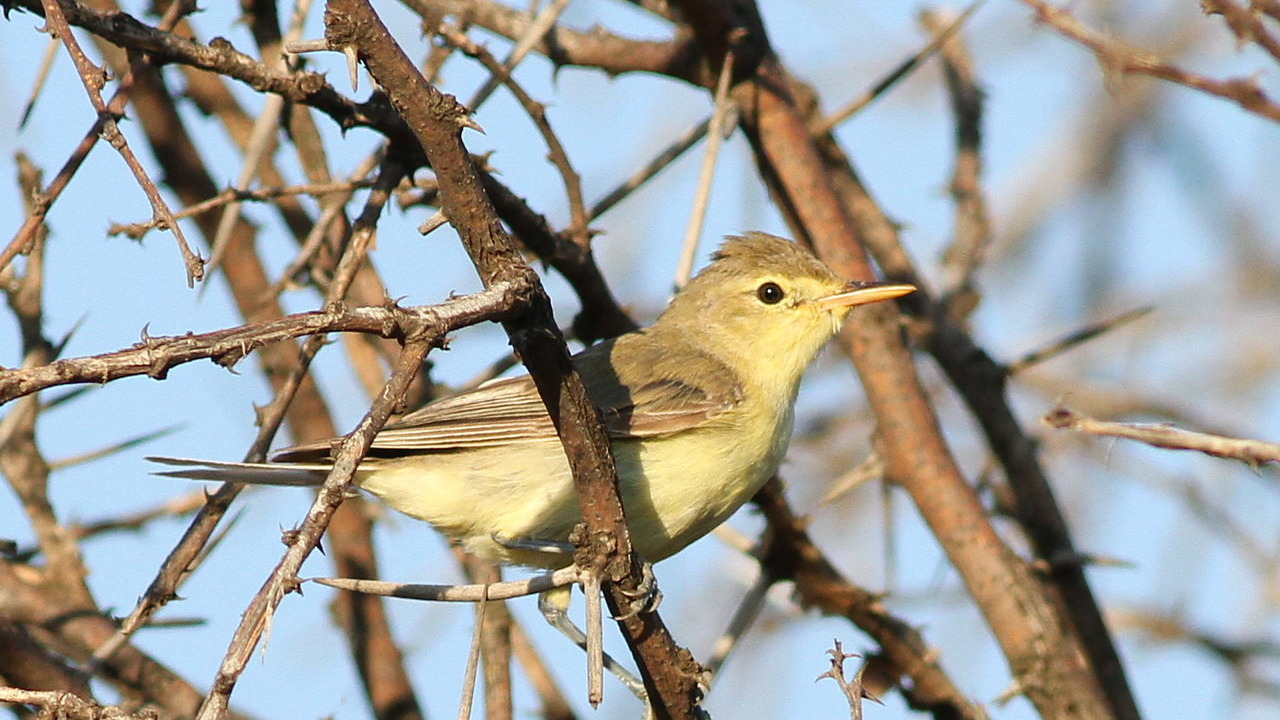
Ten Migrants Followed Early-slow and Late-fast Passage Strategies Through Nigeria
Twenty-four years of ringing data from Jos showed striking species differences in migration timing: Icterine Warblers were among…
Read story →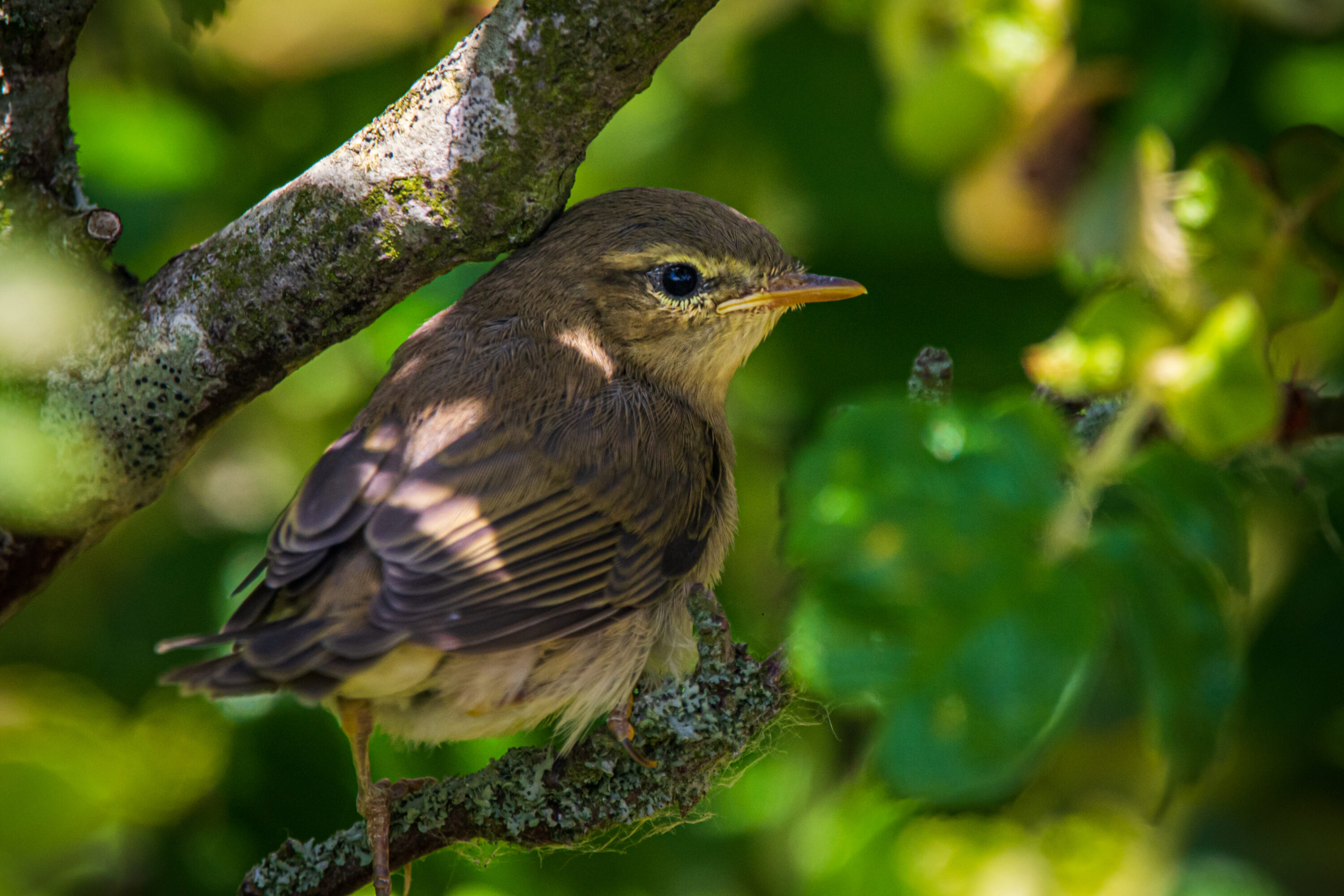
Locally Hatched Young Willow Warblers Declined 74% in Gotland Ringing Data
Standardised ringing at Sundre Bird Observatory found 74% fewer locally hatched first-year willow warblers in 2016–2024 than in…
Read story →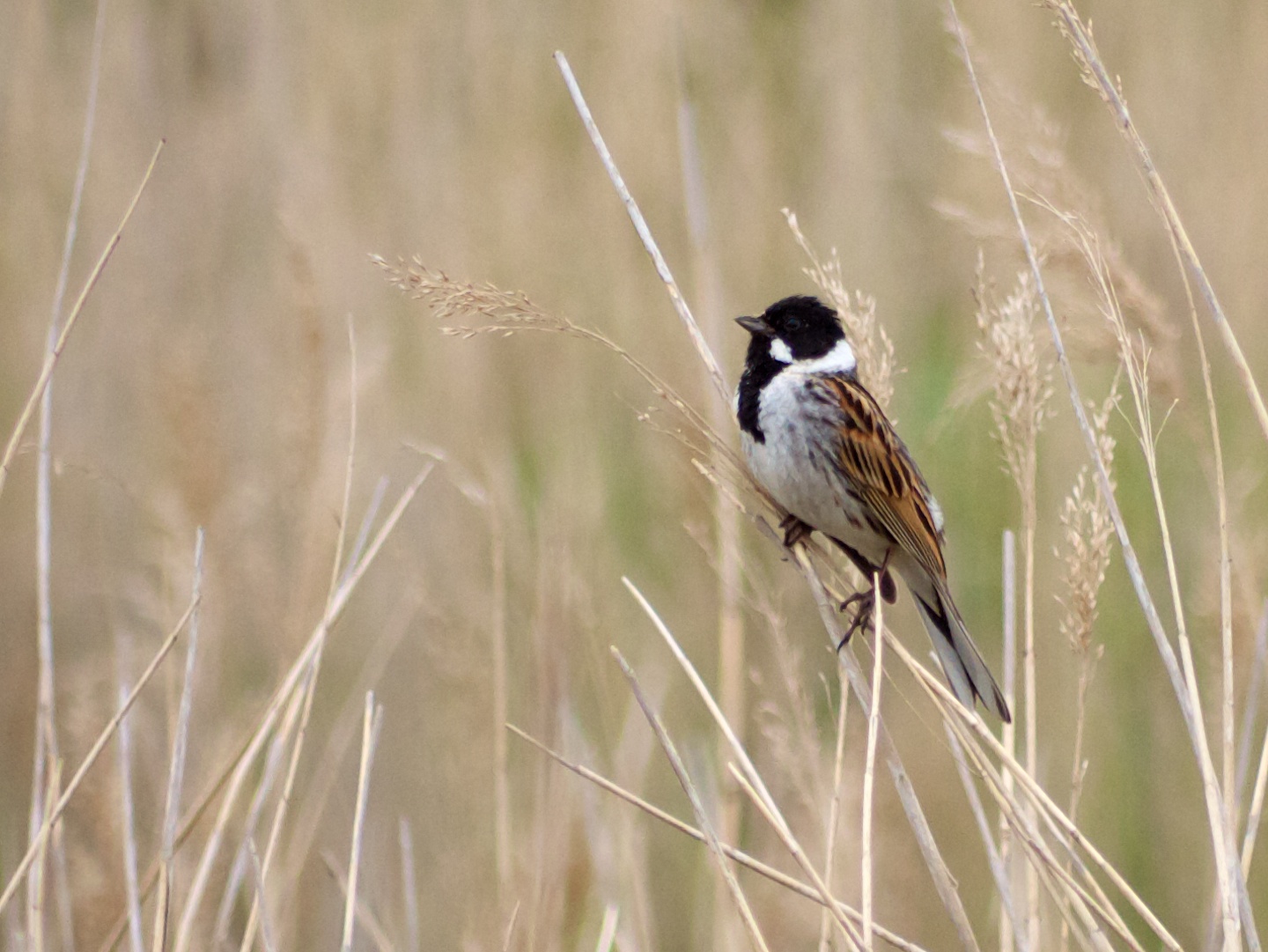
Birds Breeding in Tall Vegetation Increased as Cattail Paludiculture Developed Over Six Years
At a 10-hectare rewetted peat site in north-eastern Germany, breeding pairs that favour tall vegetation increased as cattails…
Read story →SPECIES IN THIS STORY
Species in this story
Independent research and conservation news archive
Did you find this information useful?
Wildlife Vagabond is independently built and maintained. Voluntary support helps cover source verification, hosting and continued work on research and conservation news.
Support Wildlife VagabondThe news archive will remain freely available.