
Oriental Honey-buzzard Documented in North America for the First Time
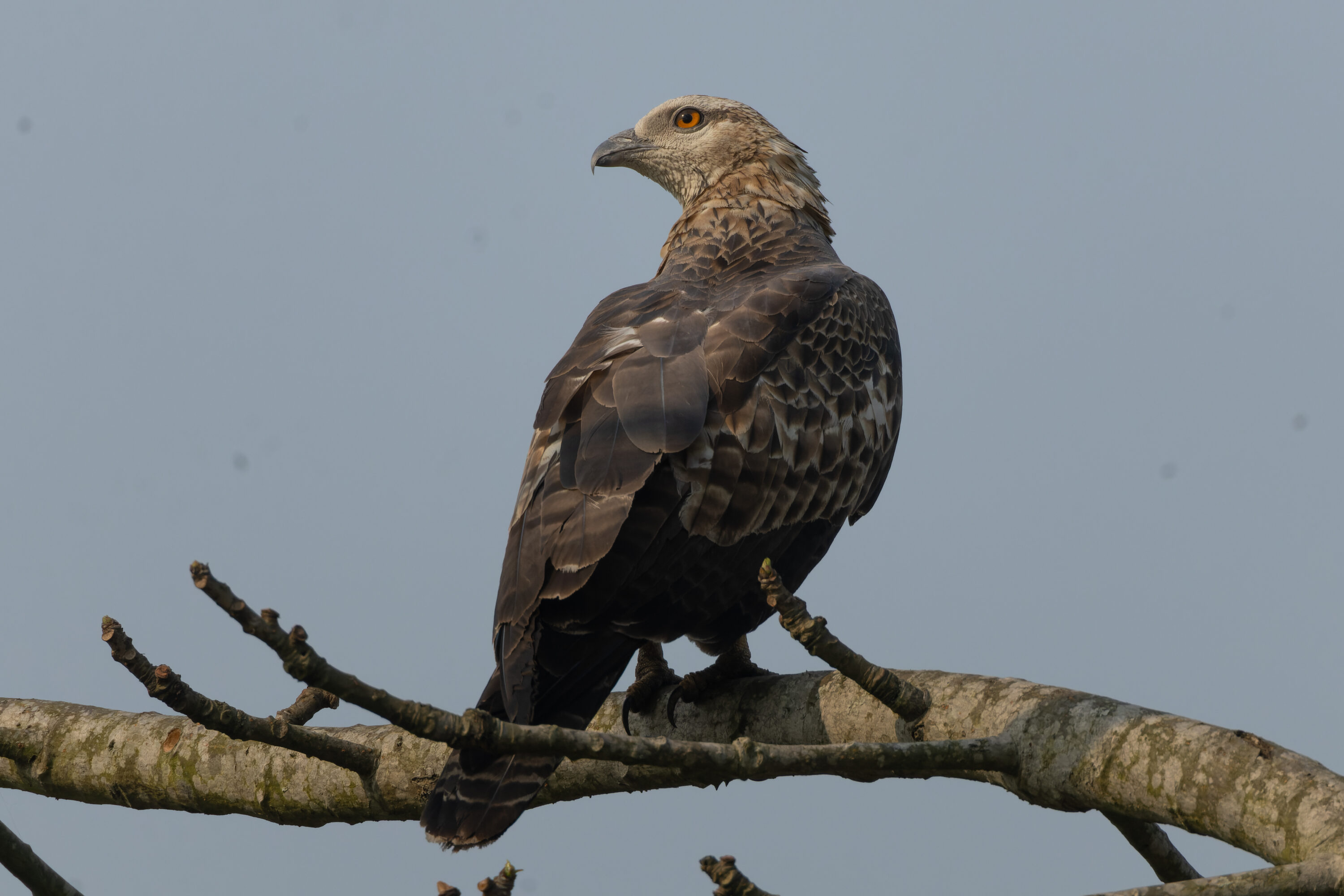
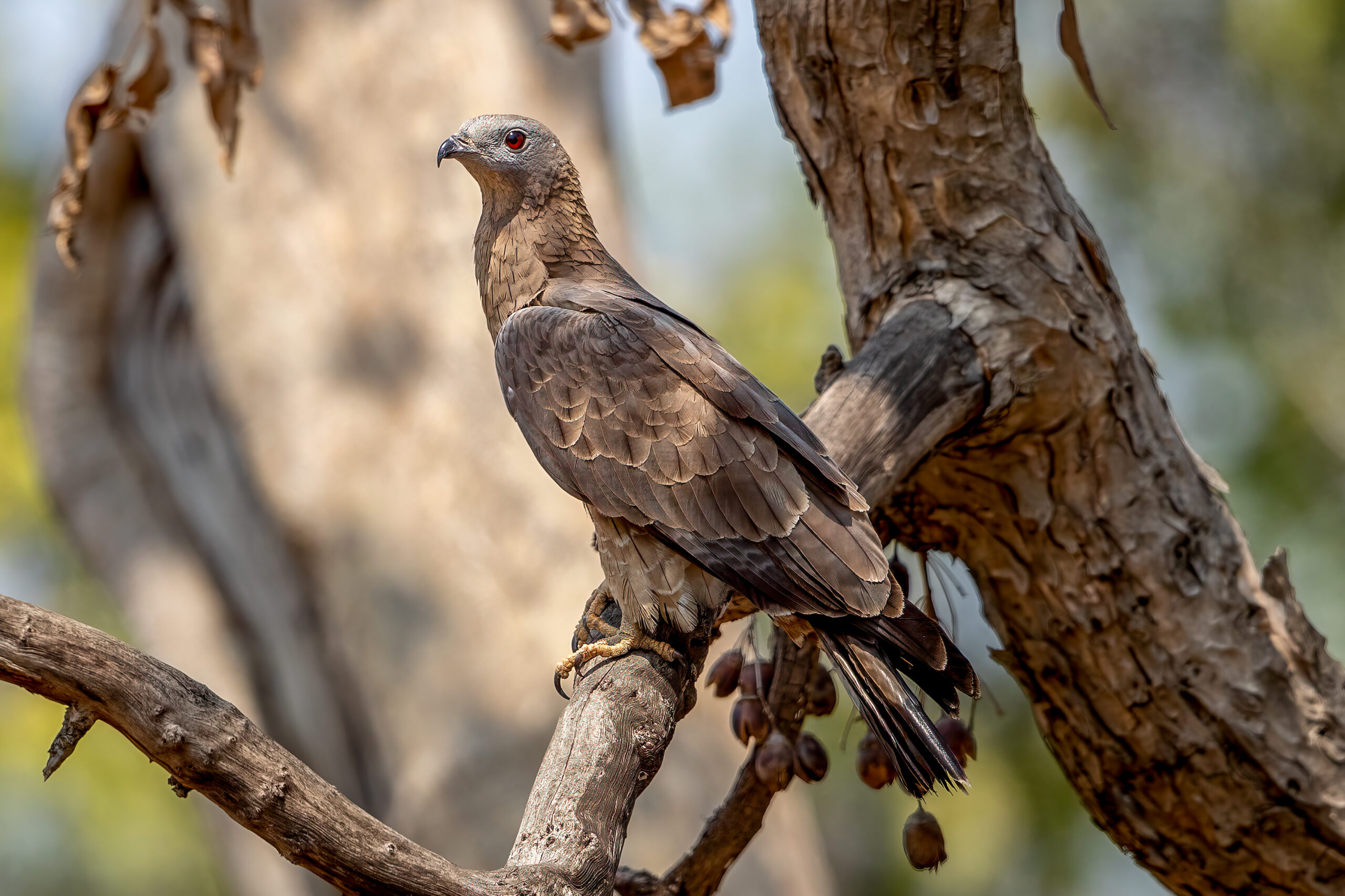
An adult female Oriental honey-buzzard (Pernis ptilorhynchus) seen on Shemya Island in Alaska, USA’s western Aleutians has been documented as the first record of the species in North America. The observation was made on 27 May 2024 and formally published in Western Birds on 2 February 2026.
The bird was first flushed from a boulder-strewn grassland near Eareckson Air Station. It gained height and moved west along the island before landing on a coastal bluff 1.3 kilometres away. About three and a half hours later, the observers relocated it several kilometres from the first sighting and saw it again before it disappeared.
Plumage and wing structure separated it from European honey-buzzard
The researchers identified the bird from a combination of structural and plumage characters. It showed six prominent outer primary feathers, a cinnamon-coloured underside, evenly barred flight feathers and no dark carpal patches. These features distinguish Oriental honey-buzzard from the similar European honey-buzzard (Pernis apivorus), which has five prominent outer primaries and typically shows dark carpal markings.
The grey cere, yellow eye and wing pattern indicated that the Shemya bird was an adult female.
Winds may have carried the bird towards the Aleutians
Of the six recognized subspecies of Oriental honey-buzzard, P. p. orientalis is the only migratory one. It breeds from Siberia through north-eastern Asia to Japan and normally winters in southern and south-eastern Asia. The authors argue that frequent westerly and south-westerly winds in May 2024 probably displaced the Shemya bird north and east during its northbound migration towards breeding areas in Japan.
Although raptors often avoid long sea crossings, Oriental honey-buzzards are capable of substantial overwater flights and regularly cross roughly 650 kilometres of the East China Sea during autumn migration. Shemya is also a well-known stopping point for Asian migrants displaced into the western Aleutians.
Population & status
Related news
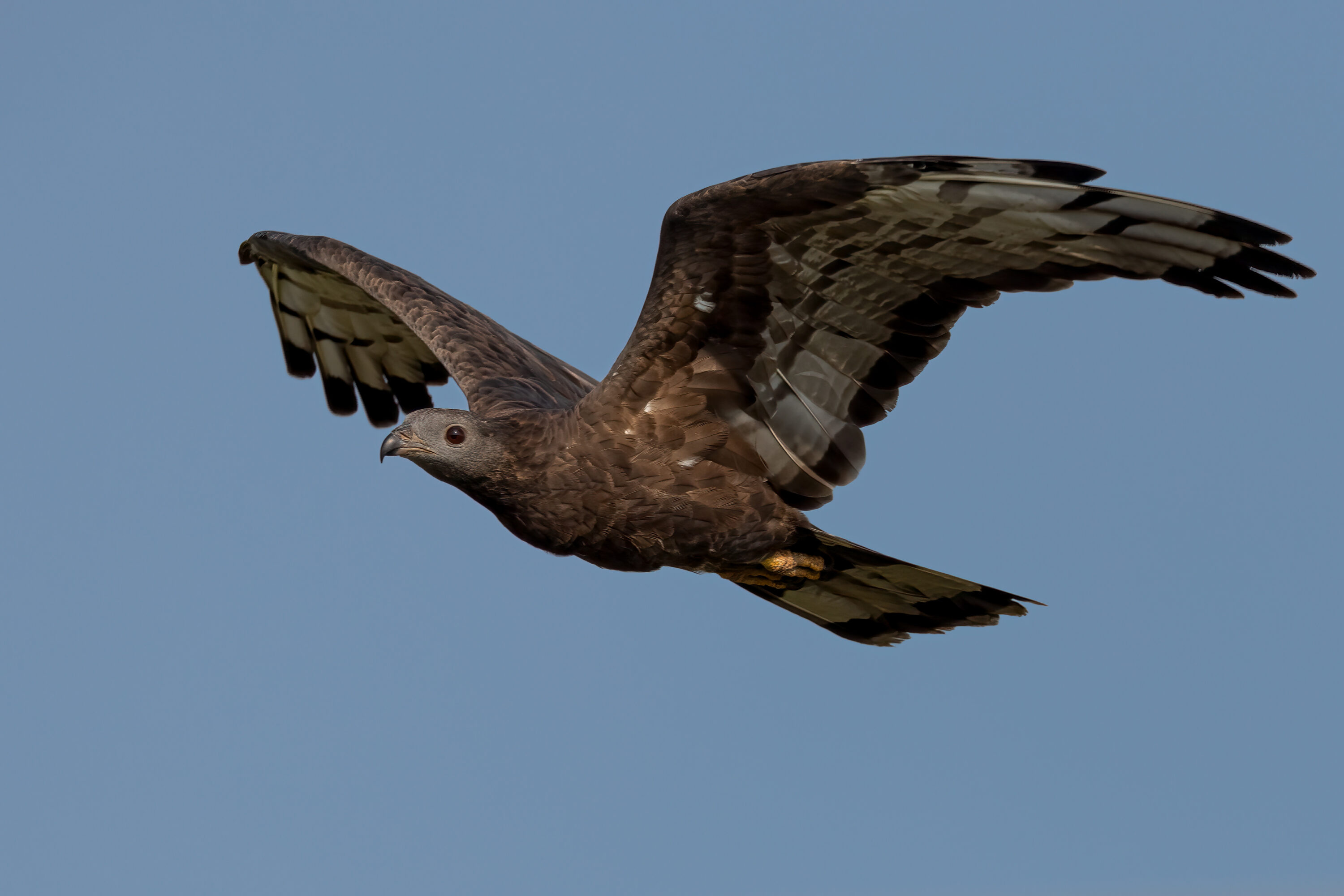
Oriental Honey-buzzard Released on Bawean After Four Months of Rehabilitation
An Oriental honey-buzzard rescued from private keeping was released on Bawean Island on 25 July 2026 after about…
Read story →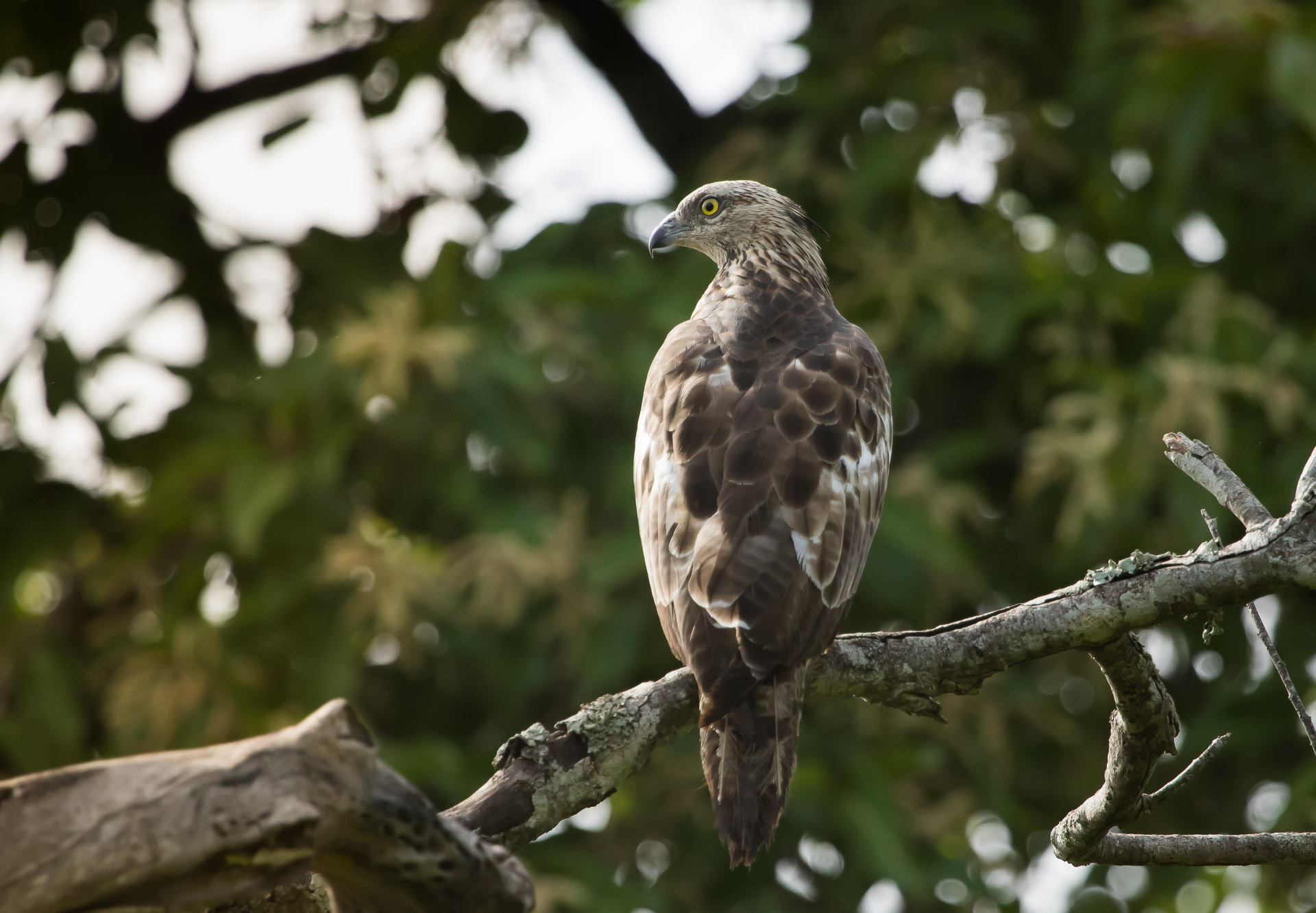
Oriental Honey-buzzard Released in Wadi Wurayah After 90 Days of Intensive Care
An Oriental honey-buzzard found severely weakened in Wadi Wurayah was released after 90 days of intensive veterinary care…
Read story →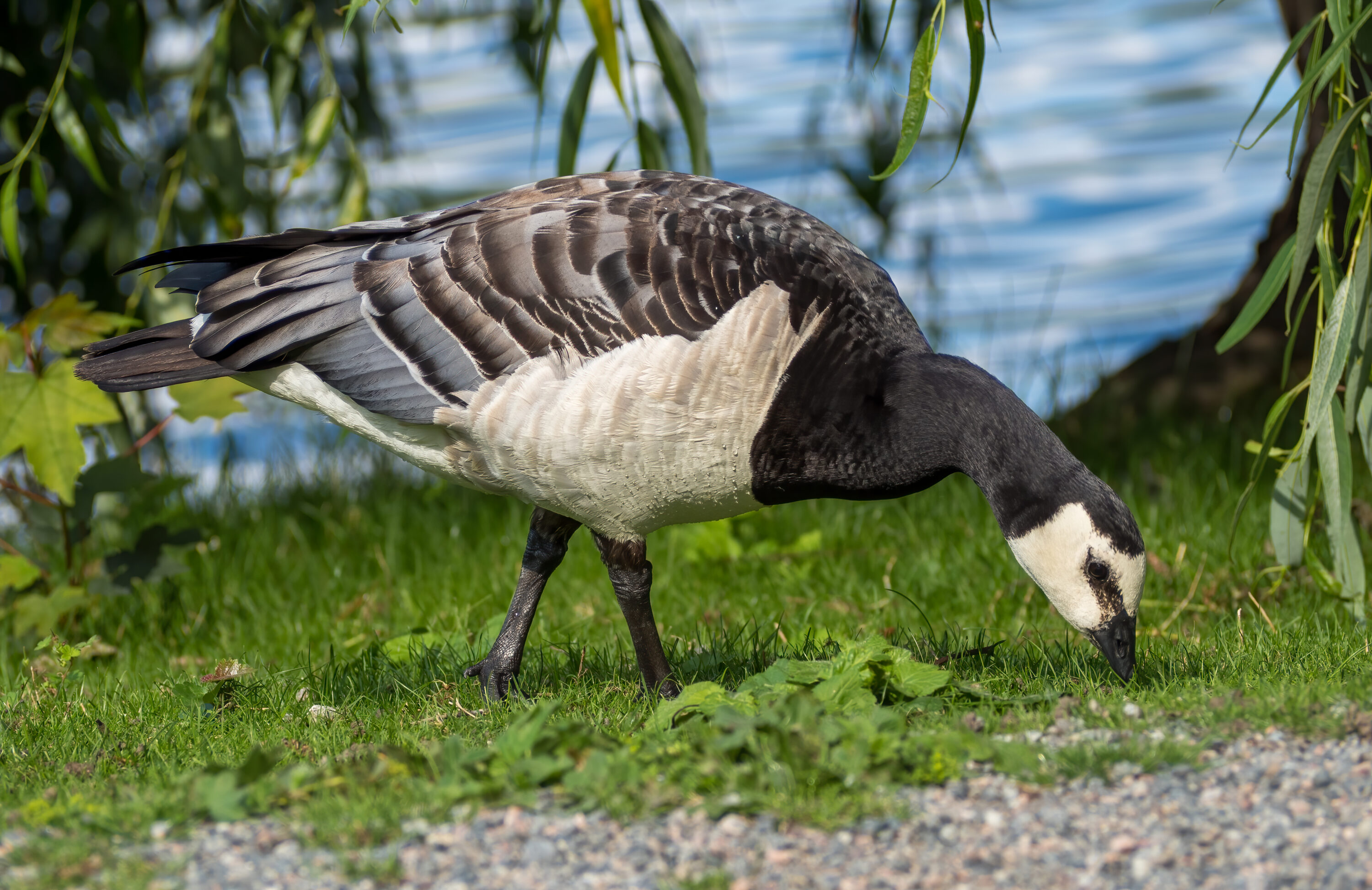
Barnacle Goose Breeding Population Fell 98% on Gotland and Öland – Eagle Predation a Likely Factor
Breeding pairs of Barnacle Geese on Gotland and Öland fell from about 5,290 in 2002 to roughly 100…
Read story →SPECIES IN THIS STORY
Species in this story
Independent research and conservation news archive
Did you find this information useful?
Wildlife Vagabond is independently built and maintained. Voluntary support helps cover source verification, hosting and continued work on research and conservation news.
Support Wildlife VagabondThe news archive will remain freely available.