
Ouse Washes Now Regularly Supports More Than 30% of Icelandic Whooper Swans Wintering in Britain and Ireland
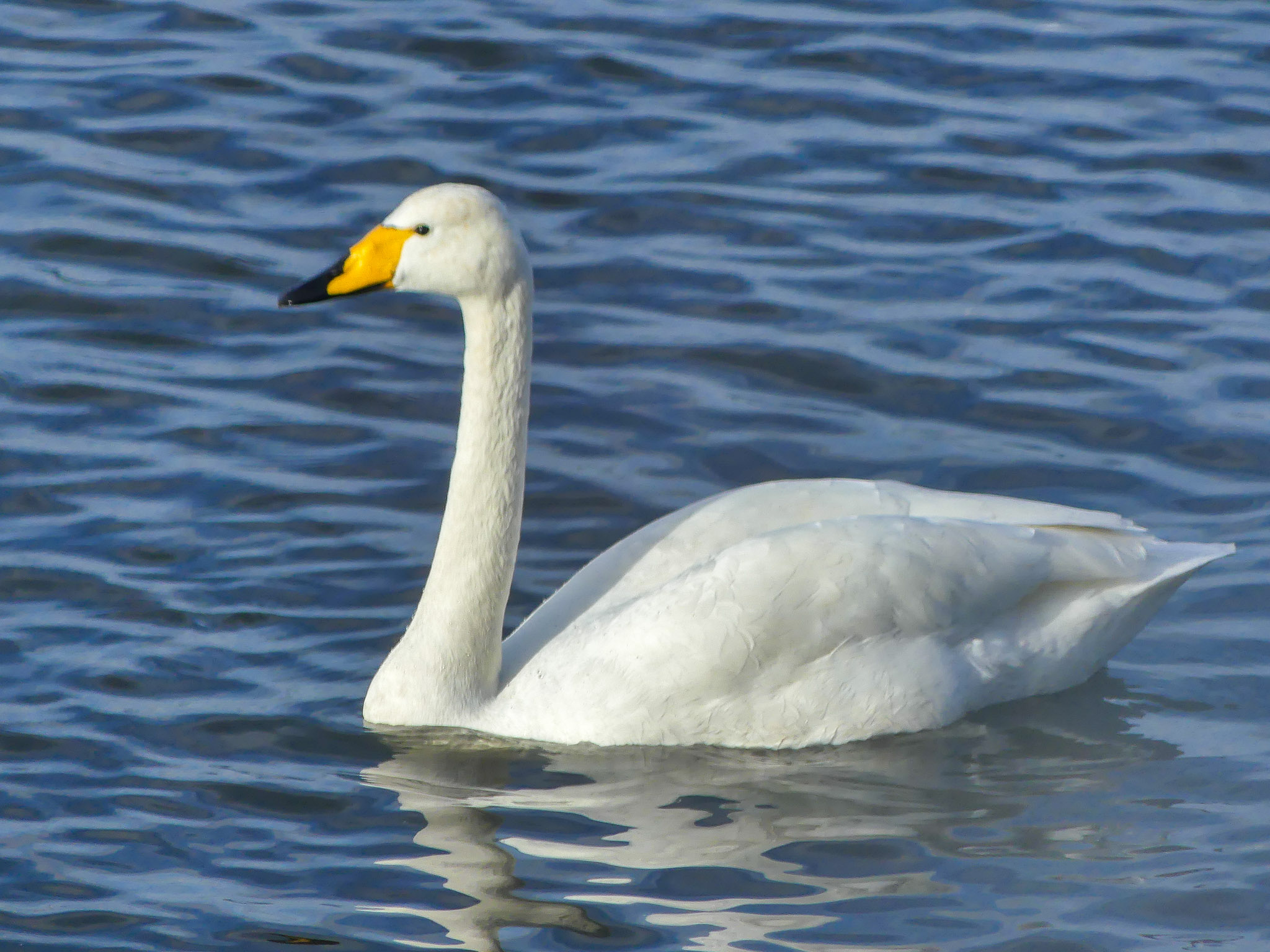
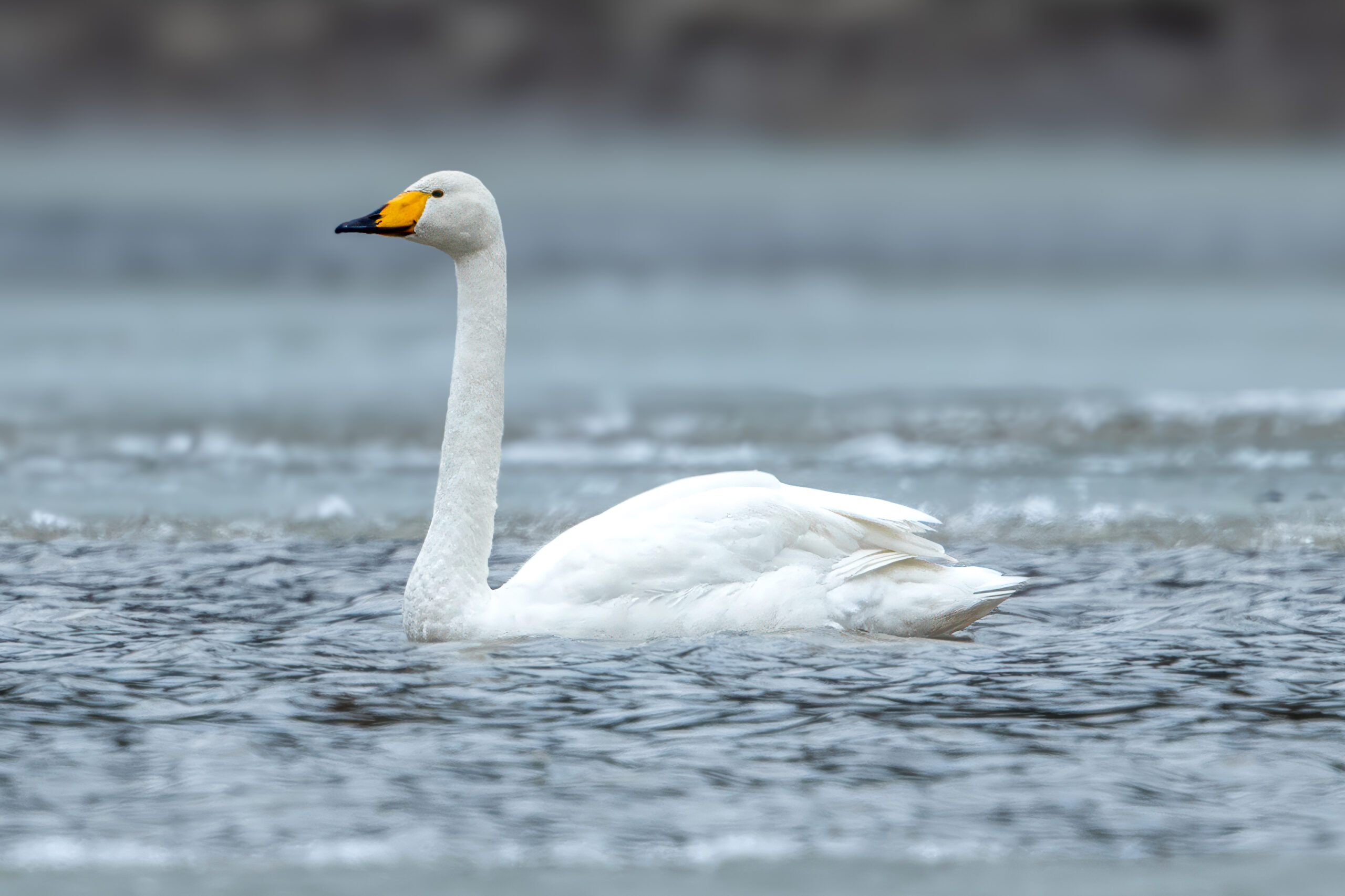
The Ouse Washes and surrounding farmland in Cambridgeshire and Norfolk now regularly support more than 30% of the Icelandic whooper swans (Cygnus cygnus) wintering in Britain and Ireland, according to a review published in February 2026.
The paper combines data from the International Swan Census, the Goose and Swan Monitoring Programme and recent GPS tracking to describe how the Ouse Washes has become England’s most important wintering area for whooper swans.
The wider wintering population has grown strongly
The Icelandic population wintering in Britain and Ireland increased from 15,842 birds in 1995 to more than 43,000 in 2020. As the population grew, the Ouse Washes became increasingly important within the winter range.
The authors contrast this expansion with the decline of the northeast/northwest European population of Bewick’s swan (Cygnus columbianus) over a similar period, showing how differently two migratory swan populations using north-western Europe have developed.
Flooded washes and farmland create ideal winter conditions
Managed flooding of the Washes and the surrounding farmland together provide ideal conditions for wintering swans. The review brings together information on migration routes, winter numbers, breeding success, feeding and roosting ecology to explain how the birds use this landscape through the winter.
The authors also identify agriculture, hydrology, disease and climate as factors that could alter future use of the site. Changes in these factors could reshape how the swans use the Ouse Washes and surrounding farmland in future winters.
Population & status
Related news
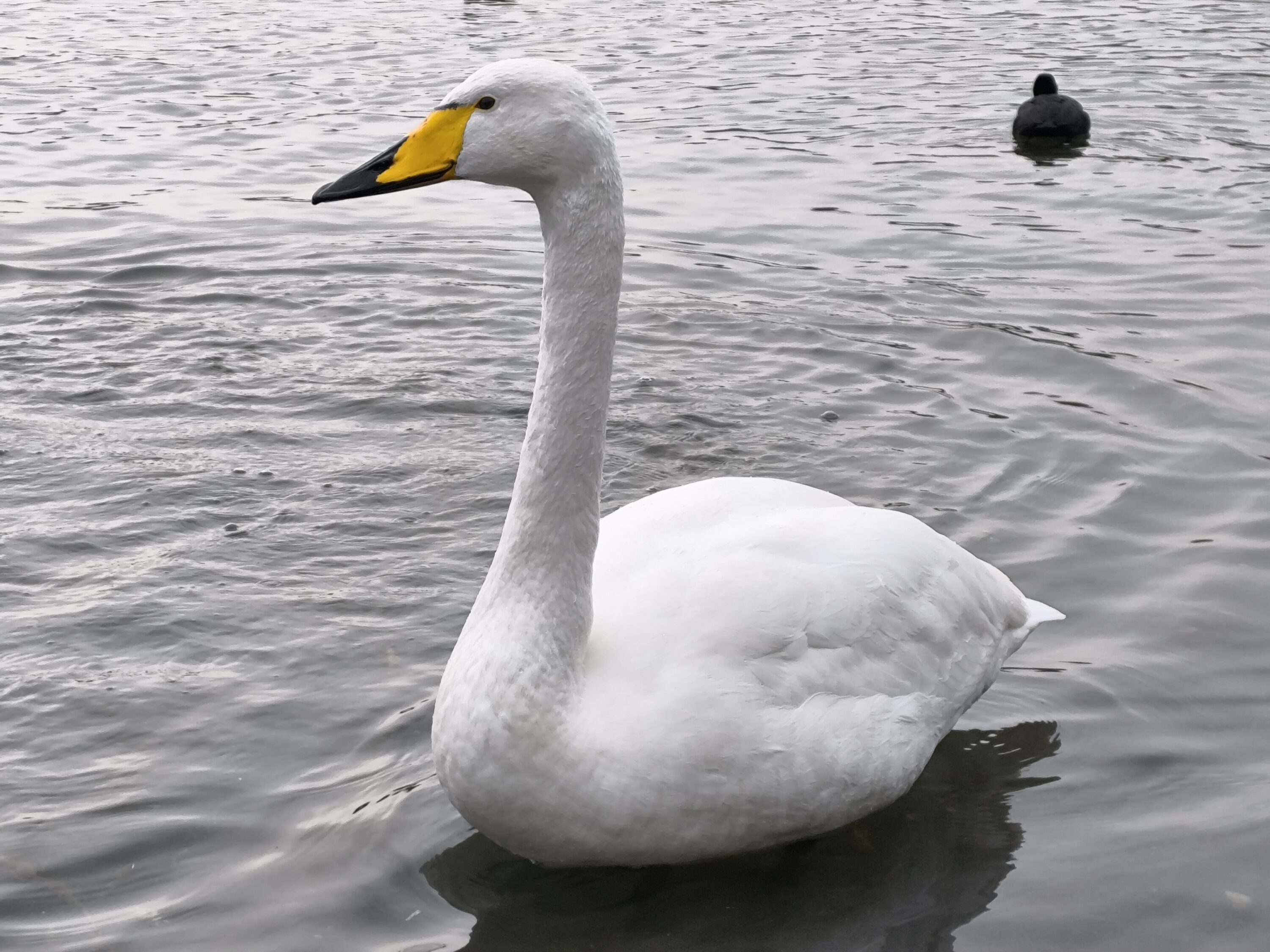
Whooper Swans in Urban and Natural Xinjiang Wetlands Had Different Gut Microbiomes
A study of 34 faecal samples found clear differences in gut bacterial communities between whooper swans wintering in…
Read story →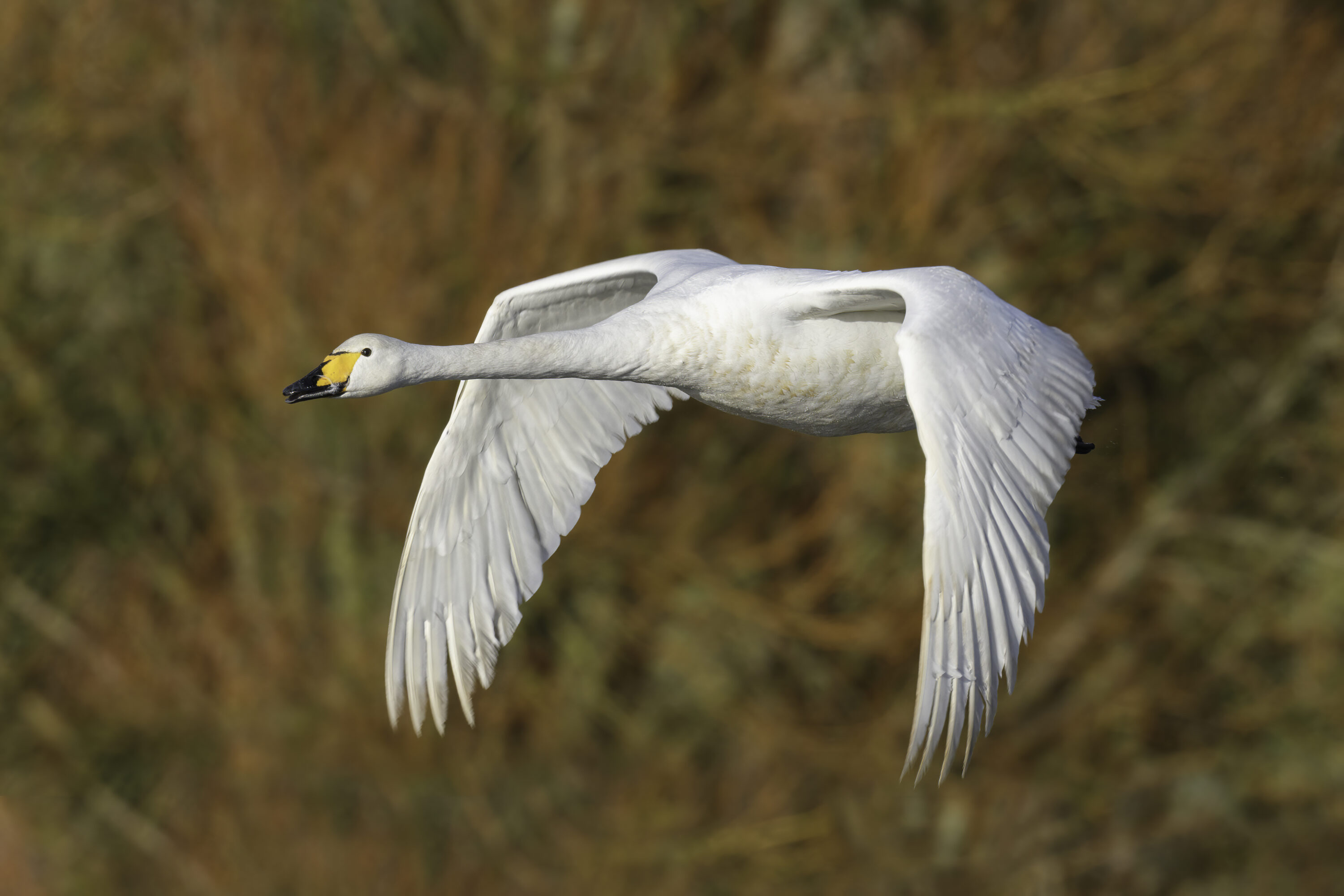
Gut Microbial Communities Differed Between Pre- and Post-migration Whooper Swan Samples in Xinjiang
Metagenomic sequencing of 24 whooper swan fecal samples from Xinjiang found similar overall microbial diversity before and after…
Read story →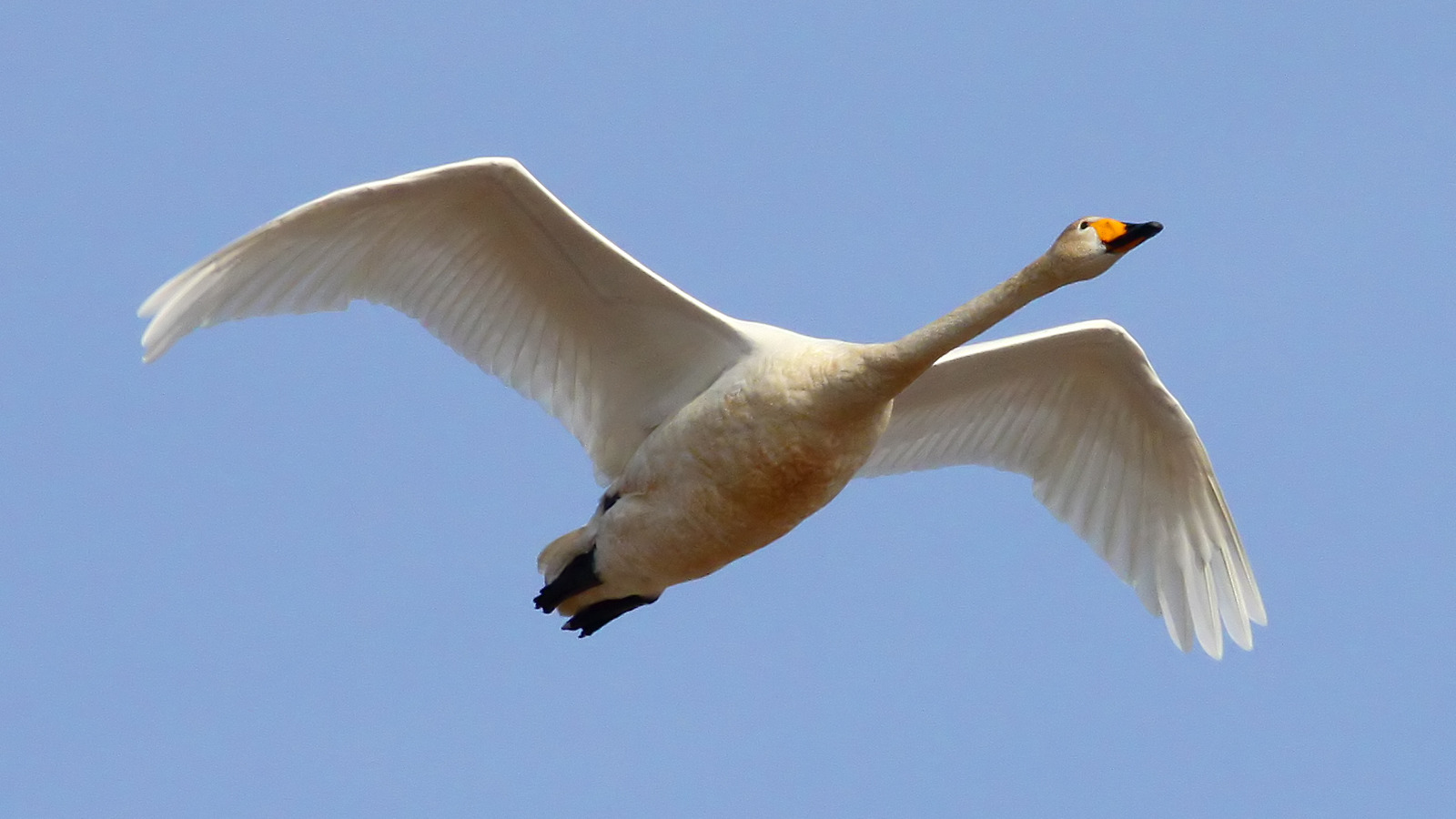
Eleven of 12 Tagged Whooper Swans Shared an Early Spring Migration Axis Before Routes Diverged
GNSS tracking of 12 whooper swans from South Korea’s Nakdong Estuary found that 11 initially used the same…
Read story →SPECIES IN THIS STORY
Species in this story
Independent research and conservation news archive
Did you find this information useful?
Wildlife Vagabond is independently built and maintained. Voluntary support helps cover source verification, hosting and continued work on research and conservation news.
Support Wildlife VagabondThe news archive will remain freely available.