
9 of 10 Great Cormorants Examined in South Korea Carried a Newly Recorded Tapeworm
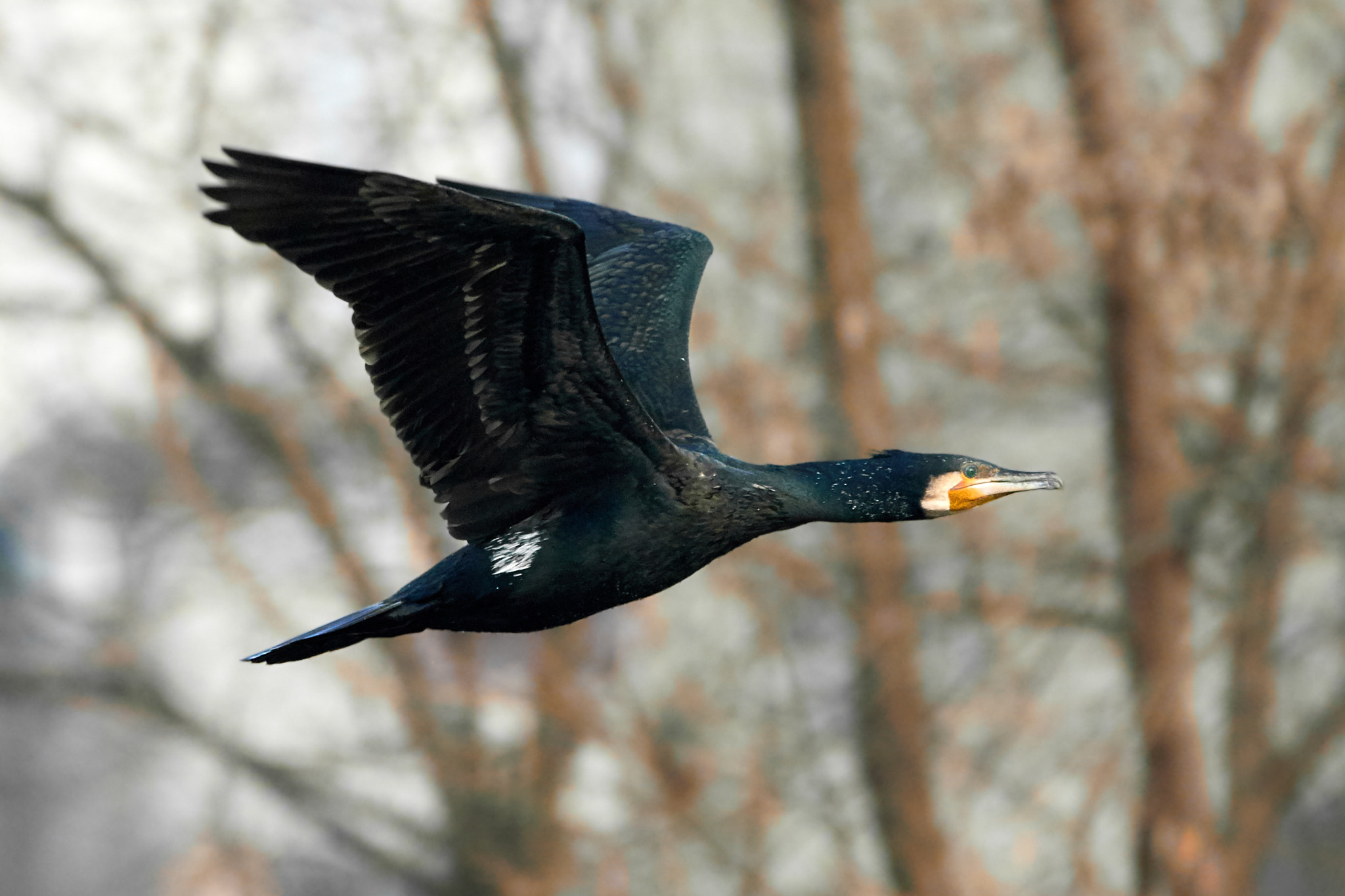
A tapeworm not previously documented in South Korea has been identified in resident great cormorants (Phalacrocorax carbo sinensis). Nine of ten birds examined carried Paradilepis scolecina, giving a prevalence of 90% in this small sample.
P. scolecina is an intestinal tapeworm of fish-eating birds. Its life cycle is linked to freshwater food webs, with copepods and fish able to act as successive intermediate hosts, so a first national record also raises the question of whether a local transmission cycle is established in Korean freshwater systems.
The cormorants had been lethally controlled by local authorities at Paroho Lake in Yanggu County, Gangwon Province, in April 2024 and donated for scientific examination. Adult tapeworms were recovered from the small intestine. Among the nine infected birds, worm counts ranged from two to 1,250, with a mean intensity of 280.1 per infected host.
Morphology and DNA confirmed the first Korean record
The researchers combined light microscopy, scanning electron microscopy and ribosomal and mitochondrial DNA markers to identify the worms. A diagnostic feature was the hook-bearing rostellum at the front of the tapeworm, which carried 20 hooks arranged in two rows. The morphological and genetic evidence together supported identification as P. scolecina.
Scanning electron microscopy also revealed a previously undescribed surface structure on the cirrus, the male copulatory organ: rose-thorn-shaped spines interspersed with fine filament-like structures. The authors describe this as the first such ultrastructural observation reported in the family Gryporhynchidae.
The Korean life cycle is still unknown
P. scolecina has a complex food-web life cycle. Related evidence indicates that copepods and freshwater fish can serve as successive intermediate hosts, while fish-eating birds such as cormorants carry the adult worms. No intermediate fish host has yet been confirmed for the parasite in South Korea.
The authors suggest that the increasing year-round residency of great cormorants in parts of South Korea could increase opportunities for local transmission by maintaining regular contact with freshwater food webs. They also raise possible implications for wild fish and aquaculture if economically important fish prove to be intermediate or paratenic hosts. These are hypotheses and ecological risks to investigate, not effects demonstrated by this study.
The study did not assess tissue damage or health effects in the examined cormorants. The high parasite burdens therefore show that infection can be intense in some individuals, but do not by themselves establish how strongly the worms affected the birds.
Disease, parasites & microbiology
Related news

Great Cormorants Increased as Southern Baltic Diving Seabirds Stayed 40% Below Early-1990s Levels
A 35-year analysis of Polish Baltic winter surveys found strong growth in great cormorants, while the wider diving-seabird…
Read story →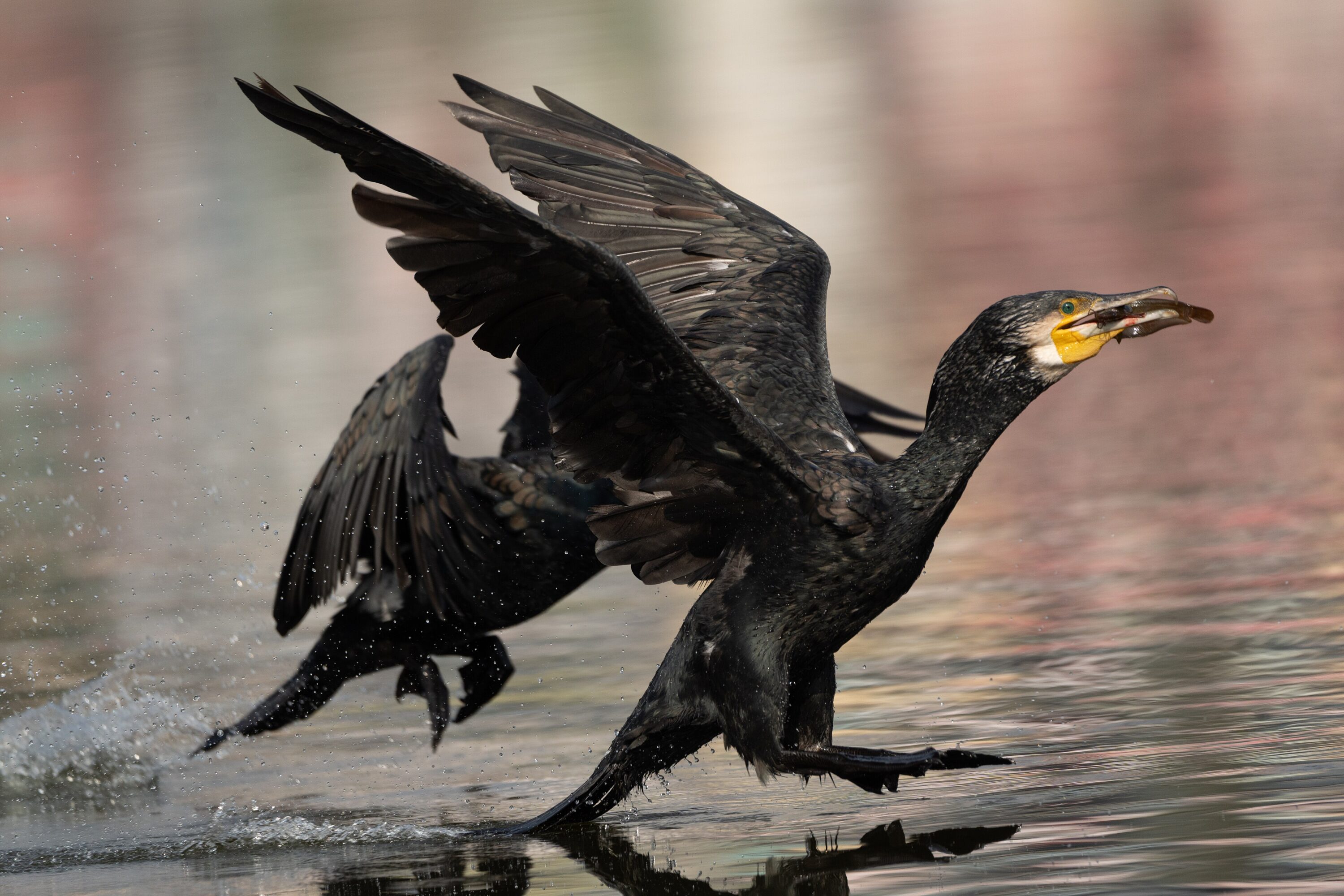
European Inventory Estimated More Than €670 Million in Annual Fish Damage From Great Cormorant Predation
A 2026 European inventory using information from more than 300 organizations estimates annual cormorant-related damage to fish stocks…
Read story →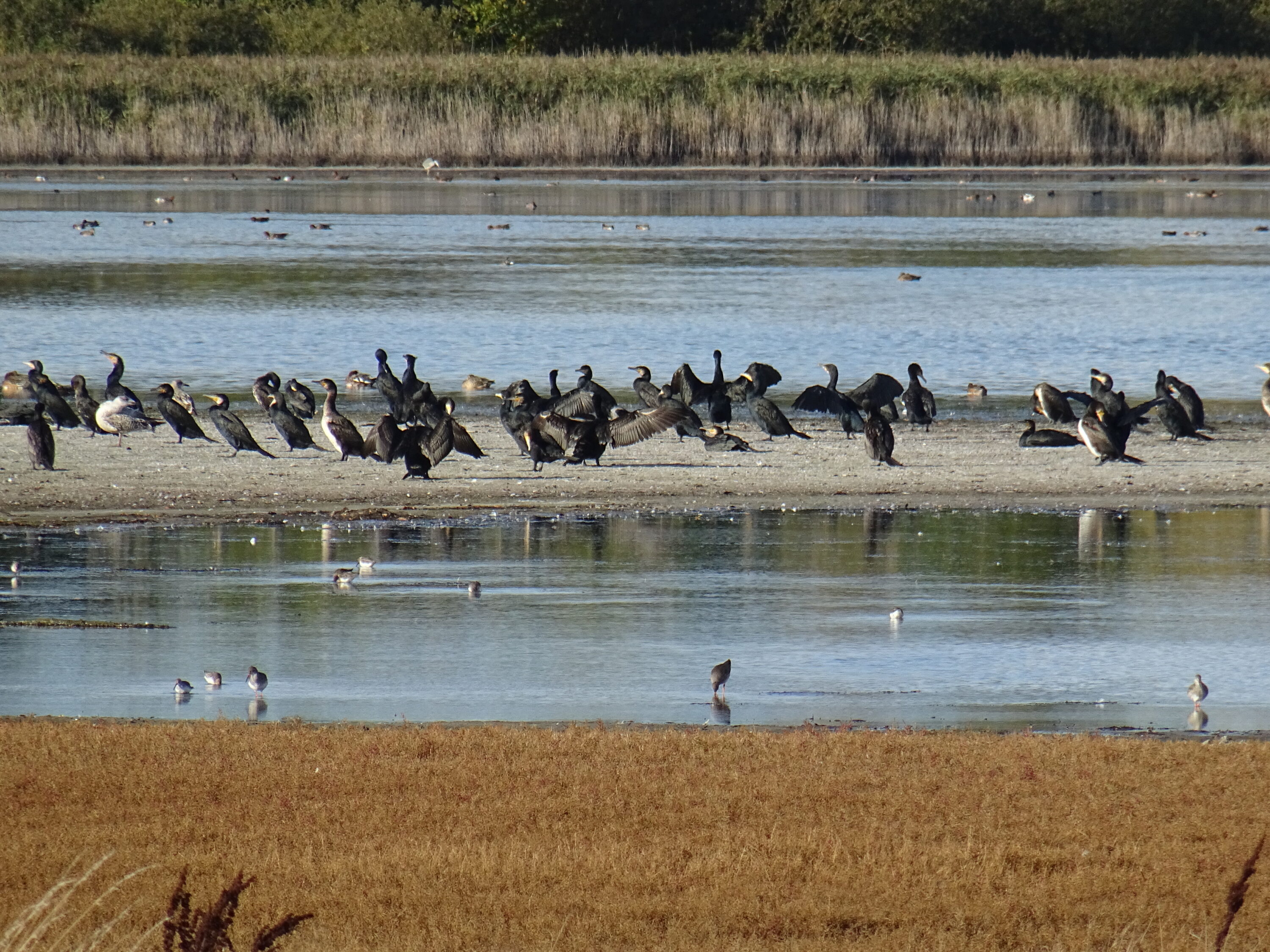
Estimated Great Cormorant Predation Reached 52–88% in Tagged Cod and 14–84% in Tagged Flounder
In Genner Bay, Denmark, a PIT-tag study estimated that great cormorants consumed 52–88% of tagged cod and 14–84%…
Read story →SPECIES IN THIS STORY
Species in this story
Independent research and conservation news archive
Did you find this information useful?
Wildlife Vagabond is independently built and maintained. Voluntary support helps cover source verification, hosting and continued work on research and conservation news.
Support Wildlife VagabondThe news archive will remain freely available.