
Parasites and Insect Harassment Lowered Modeled Bathurst Caribou Population Size
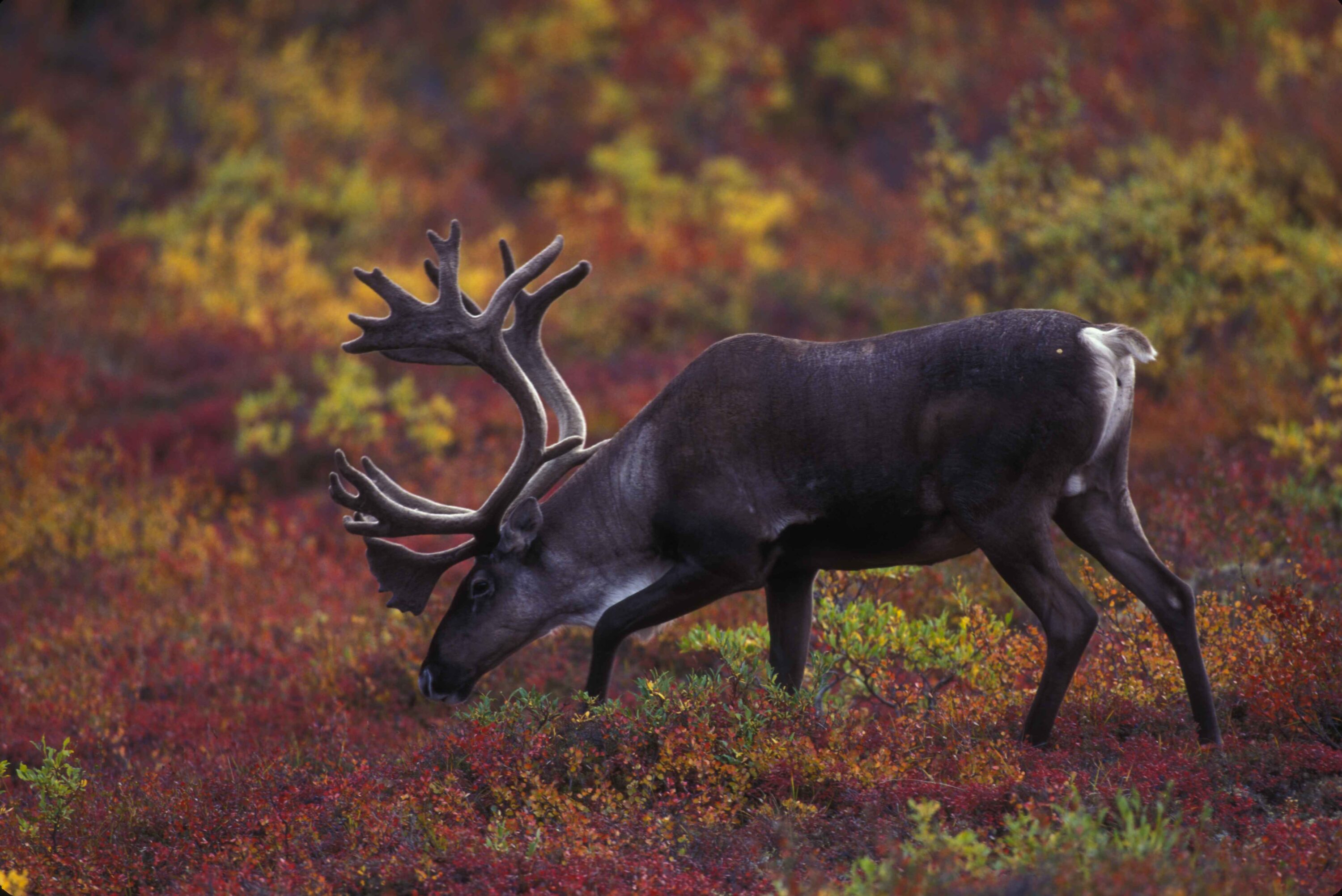
A bioenergetic model parameterized for the Canadian Bathurst herd of barren-ground caribou (Rangifer tarandus groenlandicus) found that gastrointestinal nematodes, warble flies, biting-insect harassment and forage quality can alter modeled body condition and population size by changing the animals’ energy balance. The study first appeared as a preprint on 20 May 2026 and was later peer-reviewed in Ecological Modelling.
The model was developed with both western scientific data and Tłı̨chǫ Indigenous Knowledge. Rather than reconstructing how many Bathurst caribou have actually died from parasites, it asks how several energetic costs could propagate from individual animals to population dynamics under specified assumptions.
The model tracked energy reserves through the year
The bioenergetic integral projection model followed a distribution of female caribou with different body sizes and energy reserves through repeated 15-day time steps. Food intake adds energy, while maintenance, movement, reproduction, lactation and parasite-related costs use it. Reserve body mass — mainly stored fat and other mobilisable tissue — therefore acts as a measure of nutritional condition.
Body condition then feeds back into demography. Females with insufficient reserves are less likely to reproduce successfully, and poor condition can also increase mortality risk. In this way, a stressor that only modestly reduces daily feeding can ultimately change modeled recruitment and population size when its effects accumulate through many seasons.
The stomach nematode created a chronic feeding cost
Ostertagia gruehneri is a nematode that lives in the abomasum, the true stomach of reindeer and other ruminants. Infection can reduce appetite and food intake — a response often called parasite-induced anorexia. The model therefore represented increasing worm burden mainly as a continuing reduction in foraging.
When O. gruehneri was added by itself, mean modeled population size was about 23.1% lower than in the no-parasite scenario. The mechanism was driven less by animals starving directly from the worms than by poorer energy reserves reducing recruitment among females.
Flying insects produced stronger seasonal disruption
The model separately represented warble flies (Hypoderma tarandi) and harassment by mosquitoes and black flies. Warble-fly larvae are true parasites that develop in the host, whereas mosquitoes and black flies mainly impose a cost through blood feeding and persistent harassment.
During intense insect periods, caribou spend less time feeding and more energy walking, running, grouping and trying to escape insects. In the insects-only scenario, these seasonal effects reduced mean modeled population size by about 36.9% relative to the no-parasite scenario and produced large long-term population cycles.
Combining the stomach nematode with the insect effects gave the lowest population sizes of the four baseline scenarios. This does not mean those stressors have been measured to cause the same percentage decline in the real Bathurst herd; the values describe outcomes generated by the model under its baseline assumptions.
Winter forage quality was one of the most sensitive inputs
The researchers also changed individual model parameters to see which assumptions most strongly affected the outcome. This sensitivity analysis showed that winter forage quality was especially influential. Reducing the modeled energy content of winter forage by 20% caused the simulated population eventually to collapse to zero, whereas increasing it by 20% allowed the model population to reach about 250,000 animals.
These numbers are not forecasts of the Bathurst herd. A sensitivity analysis deliberately changes one parameter to reveal how strongly the model depends on it. The result means that winter nutrition has powerful leverage within the model, not that a measured 20% change in real forage will inevitably produce either extinction or 250,000 caribou.
Multiple non-lethal stressors can converge on the same energy budget
The broader biological result is that apparently different stressors can affect caribou through a shared pathway. A stomach parasite can suppress intake throughout much of the year, while insects create intense seasonal losses of feeding time and extra energy expenditure. Poorer forage lowers the amount of energy gained from the feeding that remains.
The authors argue that monitoring only deaths or total population size can therefore miss important early signals. Measures of body condition, parasite burden, forage quality and insect activity may help reveal how cumulative stress is affecting animals before the demographic consequences become obvious.
The model was tailored to ecological conditions experienced by the Bathurst herd, but it remains a mechanistic framework rather than a direct explanation of the herd’s historical decline. The authors present it as a way to test how nutrition and health interact and to identify which individual-level measurements would be most useful for future monitoring.
Disease, parasites & microbiology
Related news
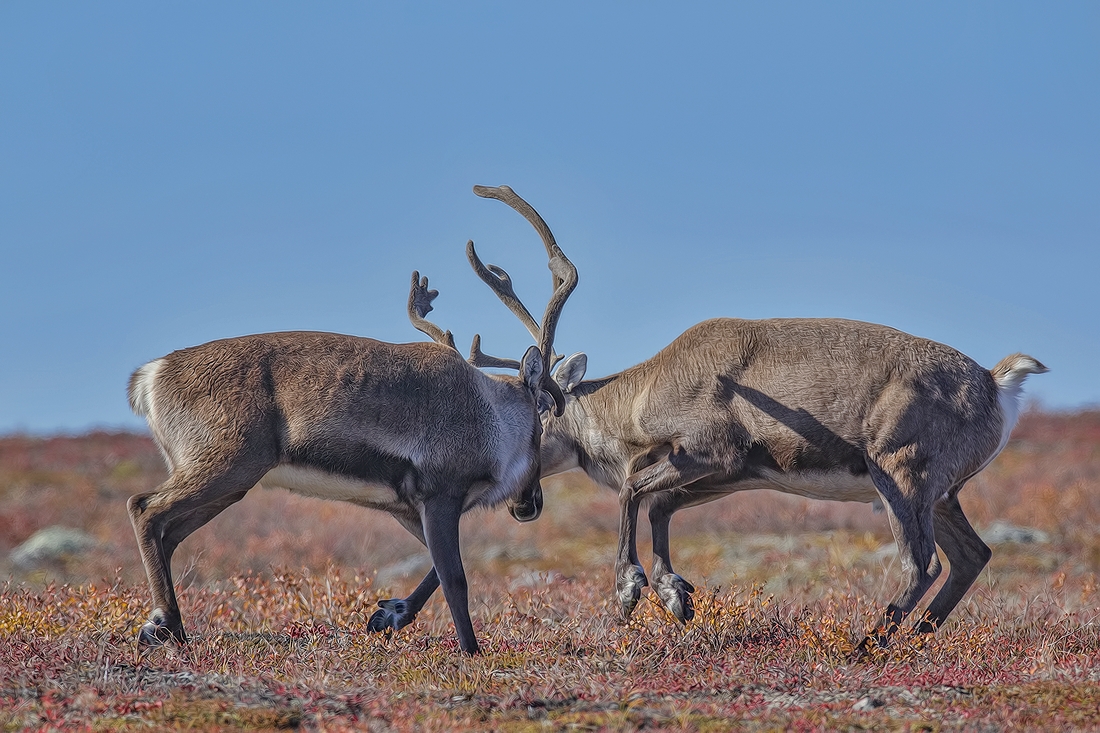
Inuit harvesters help detect an emerging parasitic disease in Arctic caribou
Near Kugluktuk in Nunavut, Inuit harvesters reported unusual tissue changes in caribou. Tests found DNA from two parasitic…
Read story →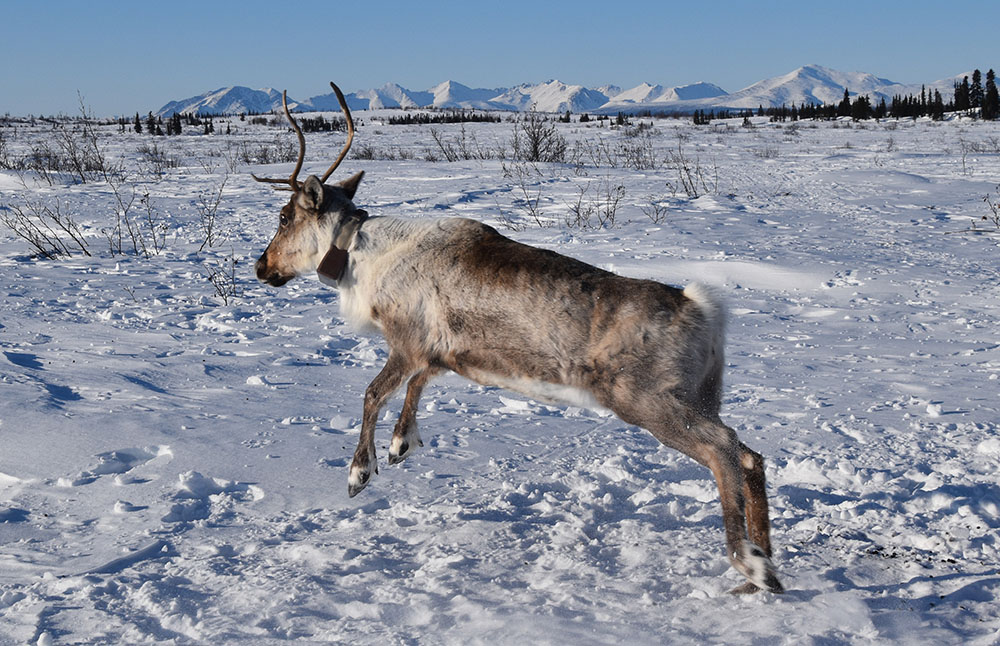
Video Collars Showed GPS Methods Were Only About 70% Accurate at Detecting Caribou Calving
Video collars from 160 adult females in the Porcupine and Western Arctic herds showed that two GPS movement…
Read story →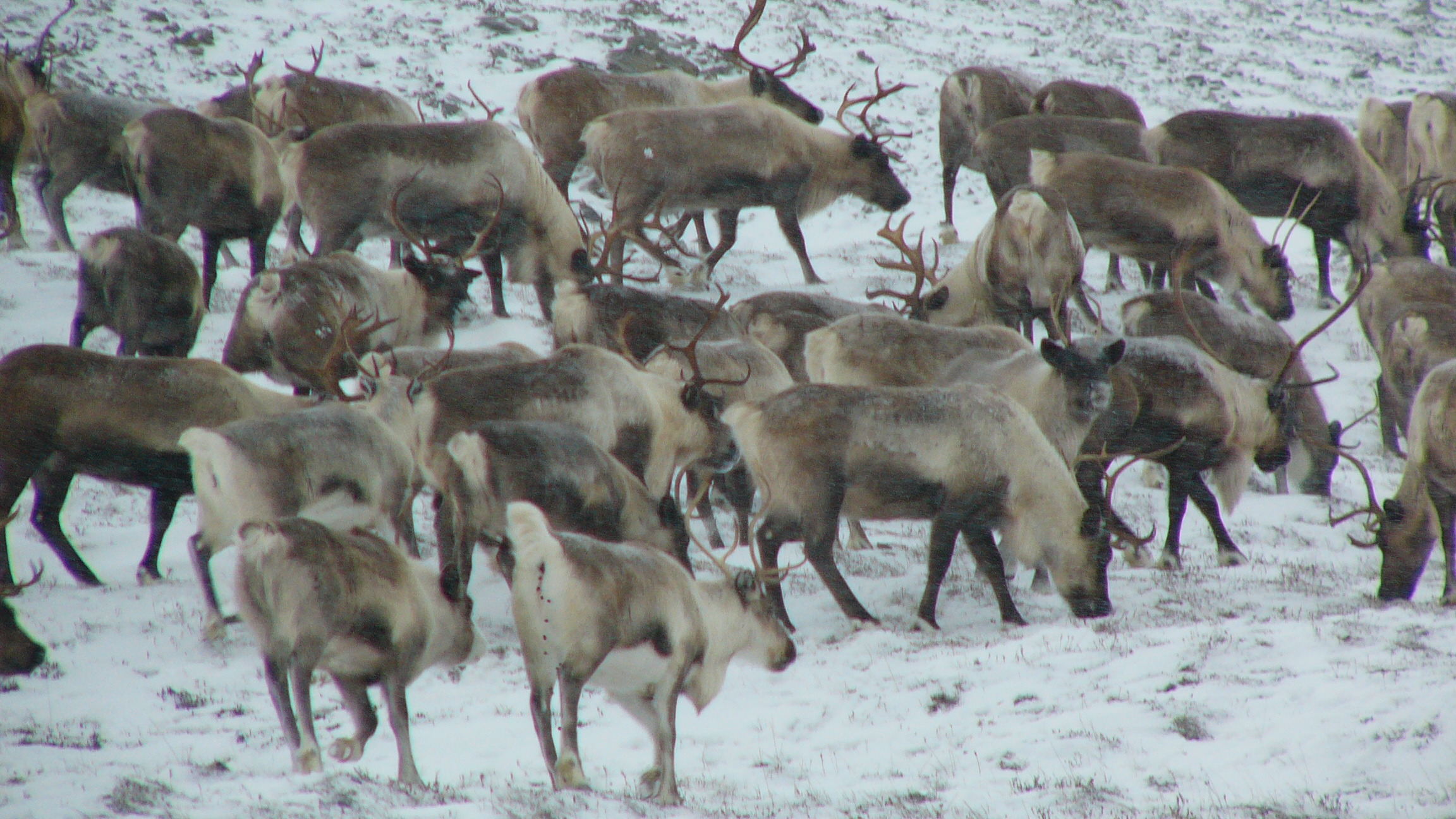
Reindeer and Caribou Showed Broad Genetic Differences Across Russia, Alaska and Canada
Microsatellite data from 1,544 reindeer and caribou in 42 populations showed broad genetic differentiation among Russia, Alaska and…
Read story →SPECIES IN THIS STORY
Species in this story
Independent research and conservation news archive
Did you find this information useful?
Wildlife Vagabond is independently built and maintained. Voluntary support helps cover source verification, hosting and continued work on research and conservation news.
Support Wildlife VagabondThe news archive will remain freely available.