
DDE Was Detected in All 60 Spanish Birds; Red Kites Had the Highest Medians for Most Pollutants
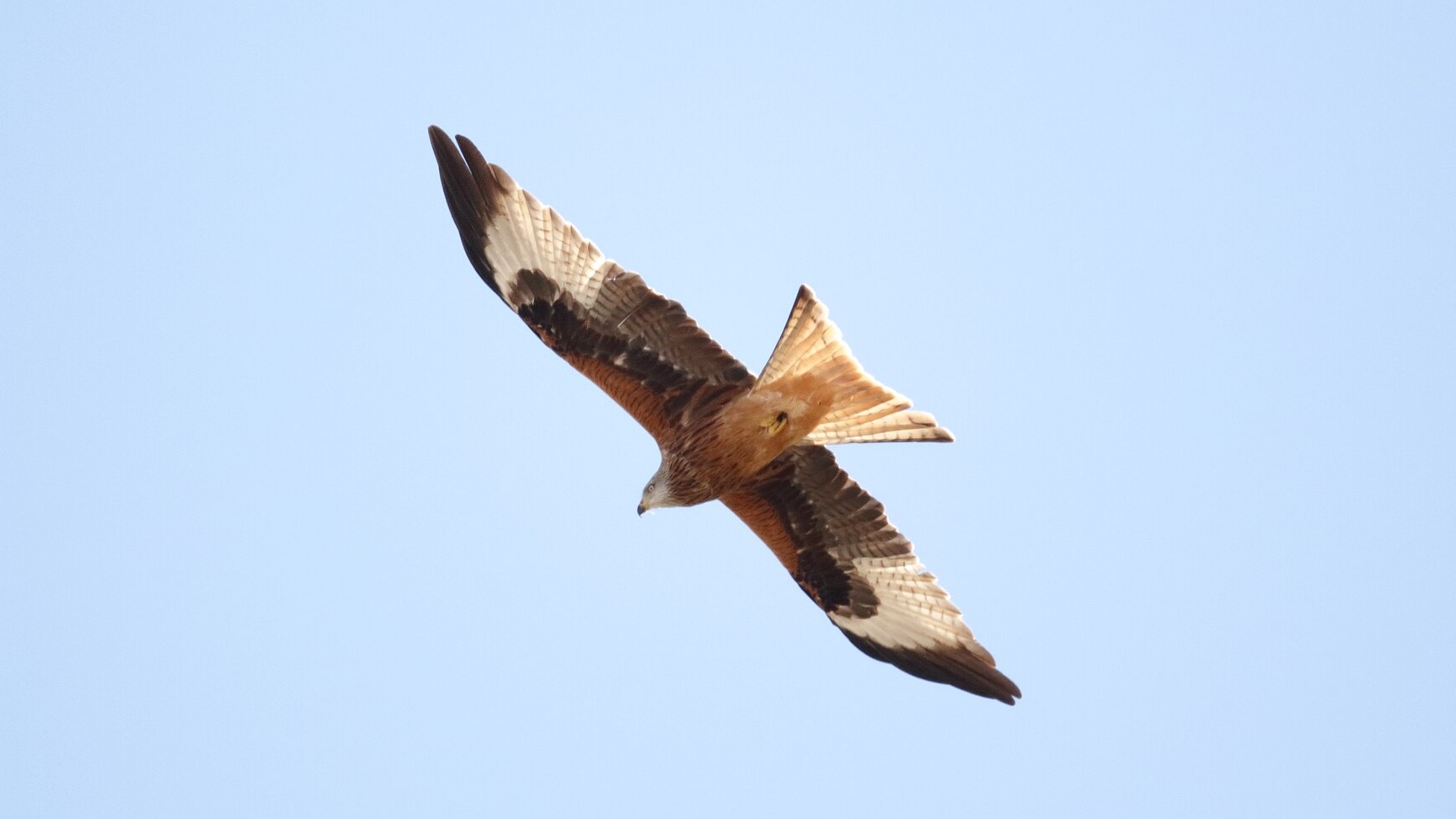
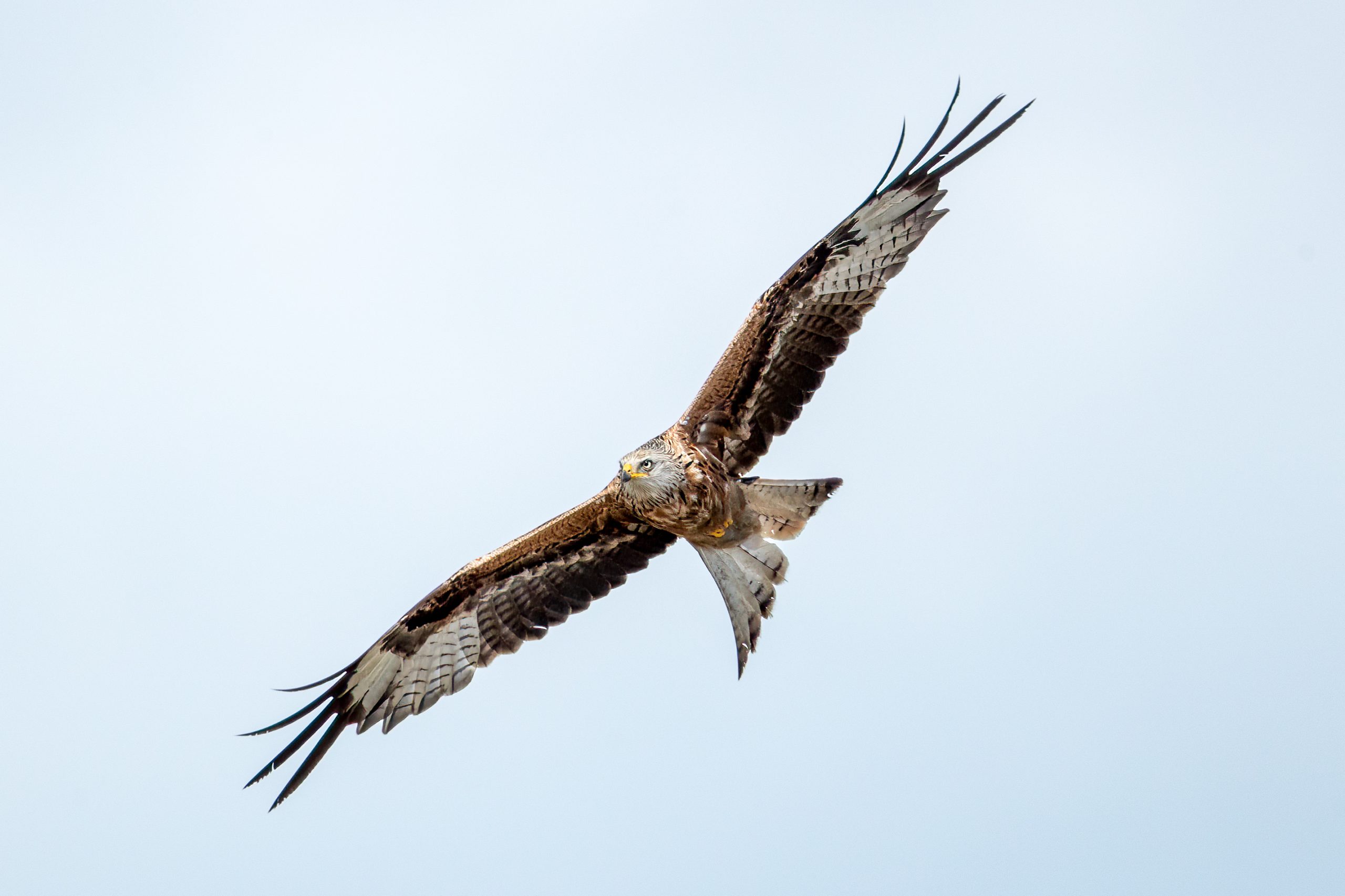
A study published in 2026 found persistent organochlorine compounds and polychlorinated biphenyls (PCBs) in liver samples from three wild bird species collected in Extremadura, Spain. Persistent organic pollutants resist degradation and can remain in the environment and accumulate in biological tissues for long periods. Researchers analysed 20 white storks (Ciconia ciconia), 20 red kites (Milvus milvus) and 20 griffon vultures (Gyps fulvus). The birds had been found dead in the wild and submitted for necropsy. When poisoning was suspected, liver samples were sent for toxicological analysis.
The study’s primary aim was to adapt and validate a QuEChERS method for 19 persistent organic pollutants — 11 organochlorine compounds and eight PCBs — in lipid-rich bird liver. QuEChERS is a multi-residue extraction and clean-up approach designed to isolate many contaminants efficiently from the same sample. Here, the researchers modified the clean-up for liver tissue and then identified the compounds with gas chromatography–mass spectrometry. When the method was applied to the 60 wild-bird samples, an average of 11 compounds was detected above the method’s detection threshold in each liver. DDE, a persistent breakdown product of DDT, occurred in all 60 birds.
Red Kites Had the Highest Median for Most Compounds
Concentrations varied widely and included extreme values, so the researchers used medians for the species comparisons because a median is less strongly pulled by unusually high individual measurements. Red kites had the highest median concentration for every measured compound except β-HCH, which was highest in griffon vultures, DDD, which was highest in white storks, and PCB28, which was highest in griffon vultures.
Not every apparent difference was statistically supported. White storks and red kites differed for DDE, DDD, PCB153, PCB138 and PCB180. White storks and griffon vultures differed for α-HCH, heptachlor epoxide and PCB153. Red kites and griffon vultures differed for heptachlor epoxide, DDE, PCB118, PCB153, PCB138 and PCB180. The pattern therefore depended on the compound rather than forming one simple ranking across all pollutants.
Trophic Level Alone Did Not Explain the Pattern
Although red kites generally showed higher contamination than the other two species, the authors found no clear accumulation pattern that followed trophic level alone. They point instead to a combination of exposure, the chemical properties of each pollutant and species-specific physiology. In particular, DDE’s high stability and resistance to degradation help explain why it was so widespread, while more highly chlorinated PCB compounds are harder to metabolise and eliminate and therefore tend to persist in tissues.
The authors present the modified method as a practical tool for wildlife biomonitoring as well as a way to document continuing legacy contamination. Birds, especially raptors, can act as sentinels of environmental pollution, and the Extremadura samples illustrate the continuing legacy of historical contamination across very different wild-bird species.
Other research
Related news
Red Kites Return to Jaén as Dangerous Power Poles Are Made Safer
Red kites are breeding again in Jaén, southern Spain, following a reintroduction programme. Twenty-one released birds used the…
Read story →
GPS Data Show Strong Wind-Turbine Avoidance in Red Kites
Tracking data from hundreds of red kites show very high overall avoidance around wind turbines, while weather and…
Read story →
Thirteen Young Red Kites Were Released in Aspromonte in the Fourth Reintroduction Year
Thirteen young red kites from wild donor populations in Switzerland and Corsica, plus one captive-bred bird, were released…
Read story →SPECIES IN THIS STORY
Species in this story
Independent research and conservation news archive
Did you find this information useful?
Wildlife Vagabond is independently built and maintained. Voluntary support helps cover source verification, hosting and continued work on research and conservation news.
Support Wildlife VagabondThe news archive will remain freely available.