
Camargue Pied Avocet Count Fell From Nearly 3,300 to Below 1,000 After High Water
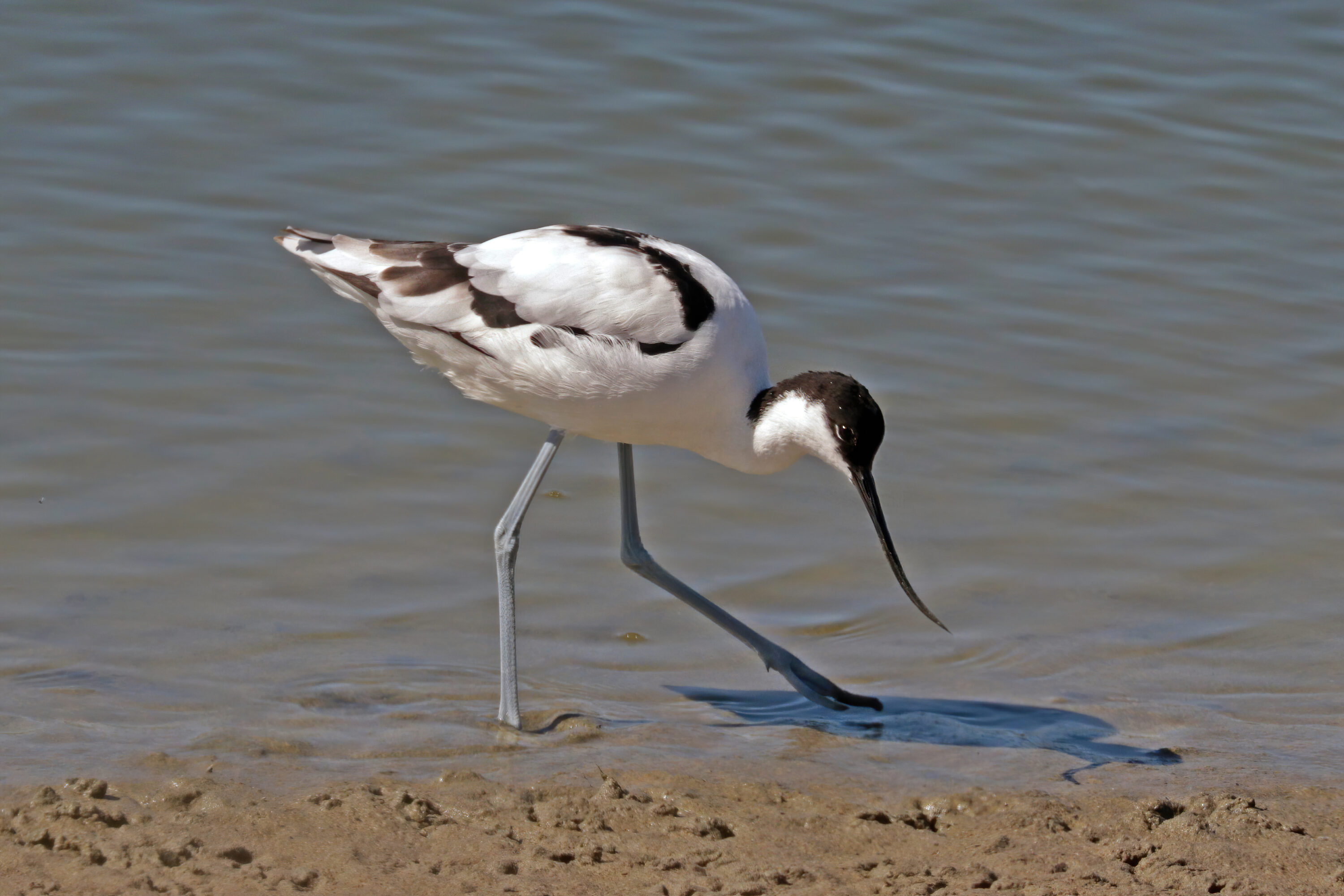
Winter counts in the Camargue recorded a sharp month-to-month fall in pied avocets (Recurvirostra avosetta) during the 2025–2026 season. Nearly 3,300 birds were counted in December, but fewer than 1,000 in January. Tour du Valat published the figures on 26 May 2026 after the results had been presented at its annual regional meeting on waterbird management.
Very high water displaced waders from marshes and lagoons
The winter was unusually wet, and heavy rainfall produced very high water levels in marshes and lagoons. Tour du Valat reported that these conditions caused waders to leave parts of the wetland, with pied avocets showing one of the clearest changes between the December and January counts.
The same wet conditions affected other birds differently. Flooded agricultural plots supported substantial numbers of greater flamingos, common shelducks and glossy ibises. The contrast shows that high water redistributed different waterbird groups across the landscape rather than simply reducing bird numbers everywhere.
The avocet result formed part of the Camargue’s long-term waterbird monitoring. Standardised aerial counts of wintering ducks and related waterbirds began in 1955. In January 2026, counters recorded 103,330 ducks and coots, around 13,000 fewer than the average for the preceding ten years, adding broader context to an unusually wet winter.
The counts show local redistribution, not a population collapse
Tour du Valat attributed the January fall to avocets leaving marshes and lagoons with very high water levels. The update did not report where the displaced birds moved, so the two counts document a sharp local redistribution between December and January rather than a measured decline in the wider population.
Even after the January fall, Tour du Valat described the Camargue as France’s most important site for many wintering ducks and as internationally important for 14 waterbird species, including pied avocet.
Population & status
Related news
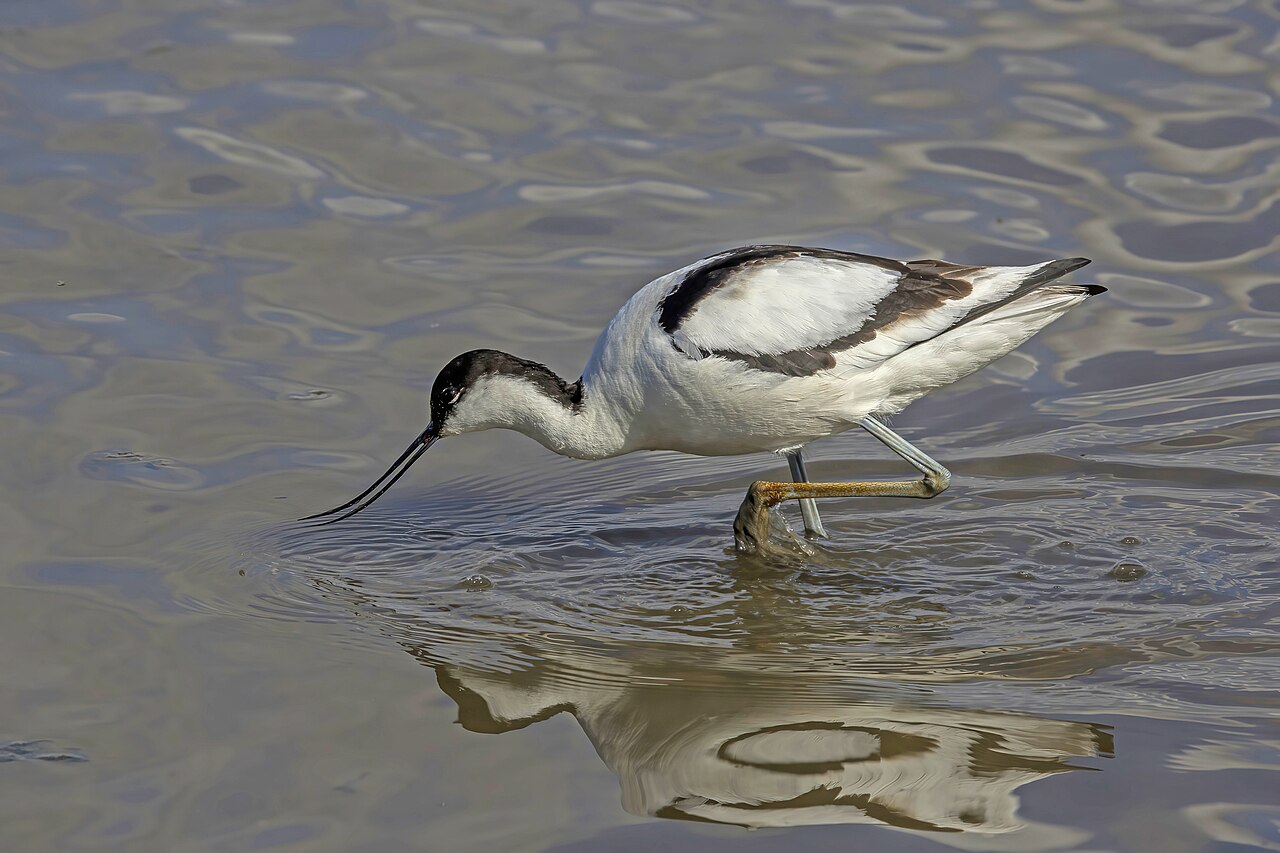
Ringed Pied Avocet Set a UK Longevity Record at 36 Years
A Pied Avocet ringed as a nestling at Titchwell Marsh on 2 July 1990 was identified alive at…
Read story →
Fungal Communities Differed Across Pied Avocet Breeding Substrates
Around ten Pied Avocet nest sites in China's Yellow River Delta, researchers detected 9,980 fungal DNA variants but…
Read story →
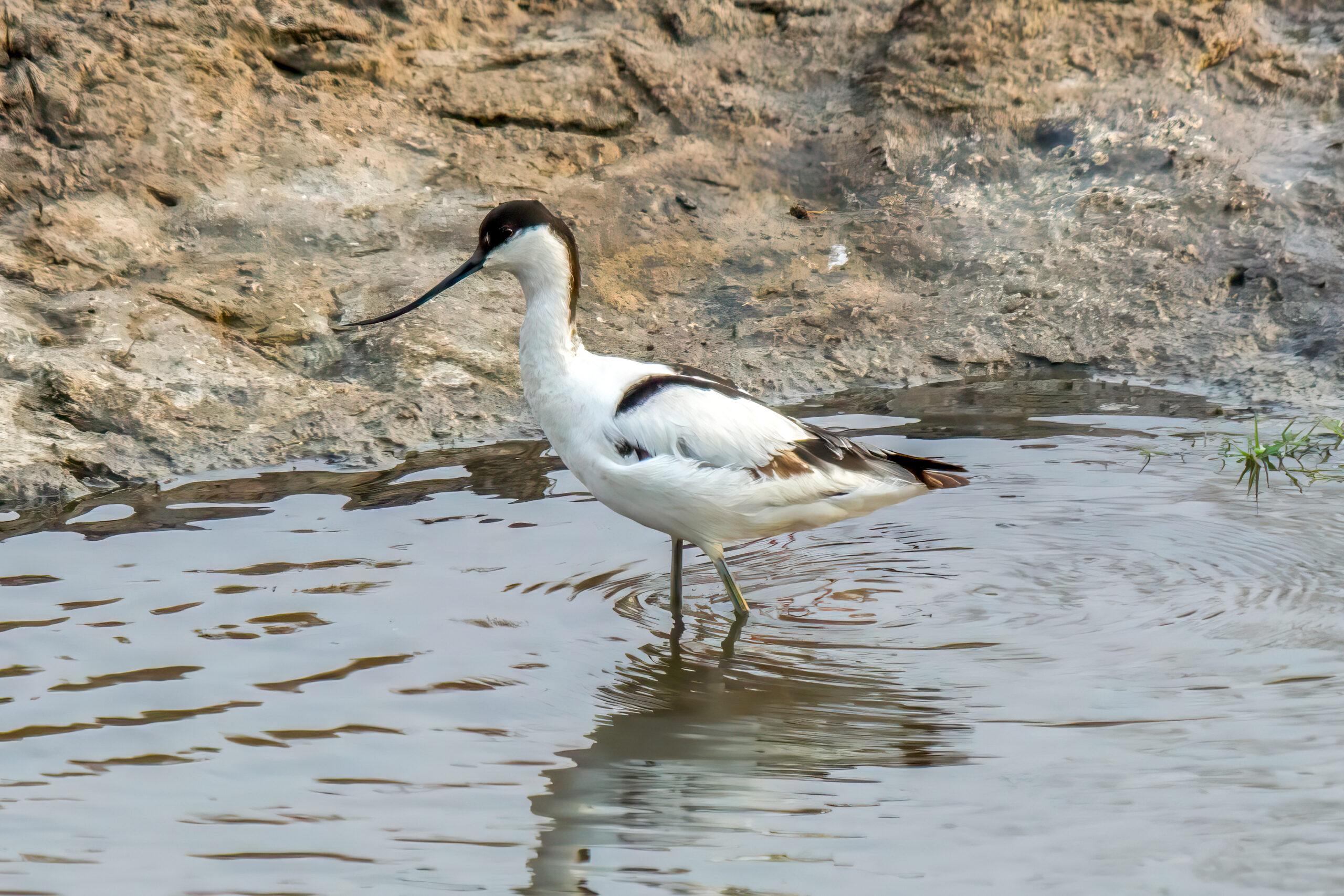
Female Pied Avocets Migrated Farther Than Males
The standardized migration-distance measure averaged 1,928 kilometres for GPS-tracked female pied avocets and 1,277 for males; females also…
Read story →SPECIES IN THIS STORY
Species in this story
Independent research and conservation news archive
Did you find this information useful?
Wildlife Vagabond is independently built and maintained. Voluntary support helps cover source verification, hosting and continued work on research and conservation news.
Support Wildlife VagabondThe news archive will remain freely available.