
Pigeons Kept Their Eyes Nearly Fixed Within the Head During Flight
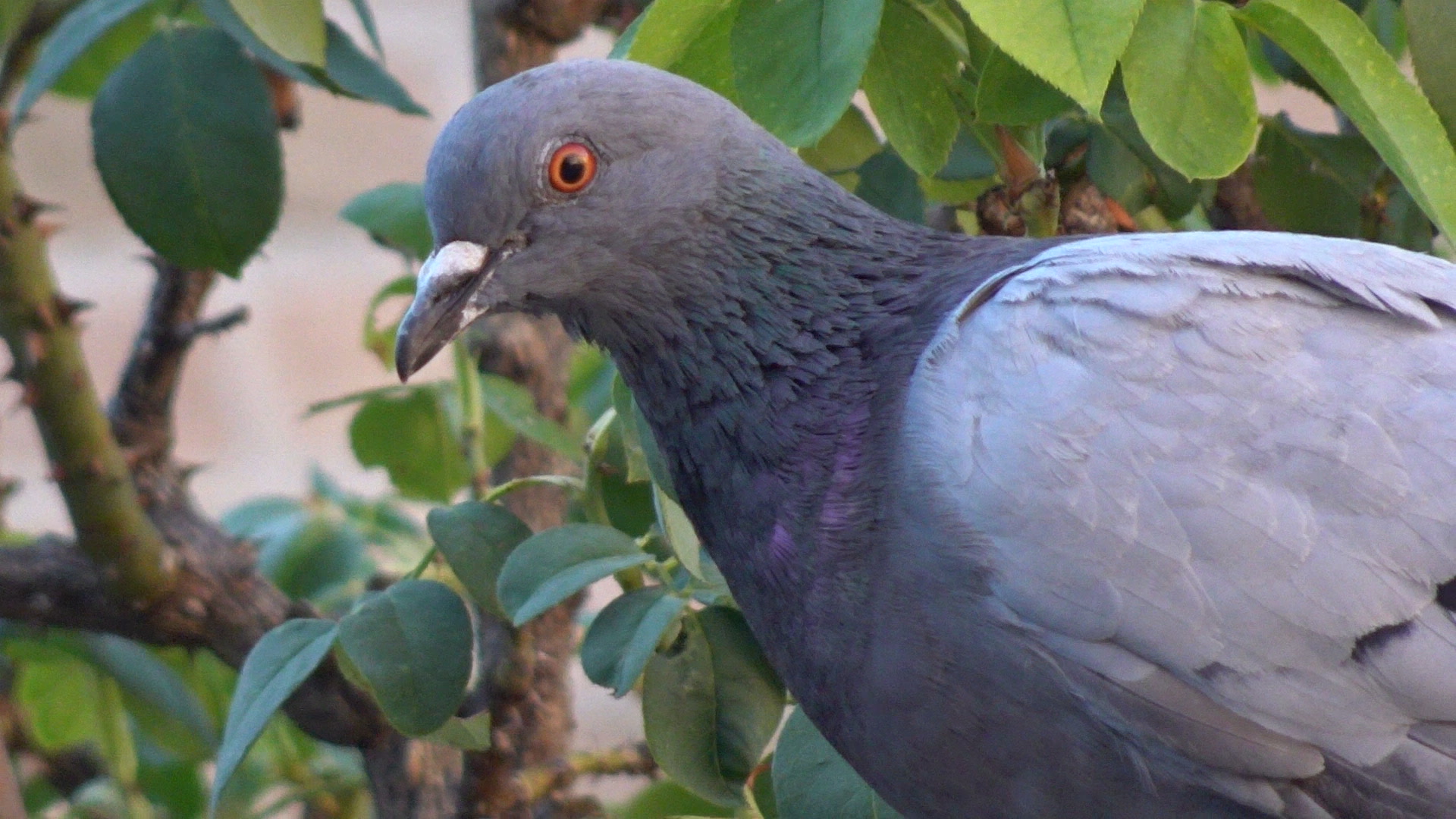
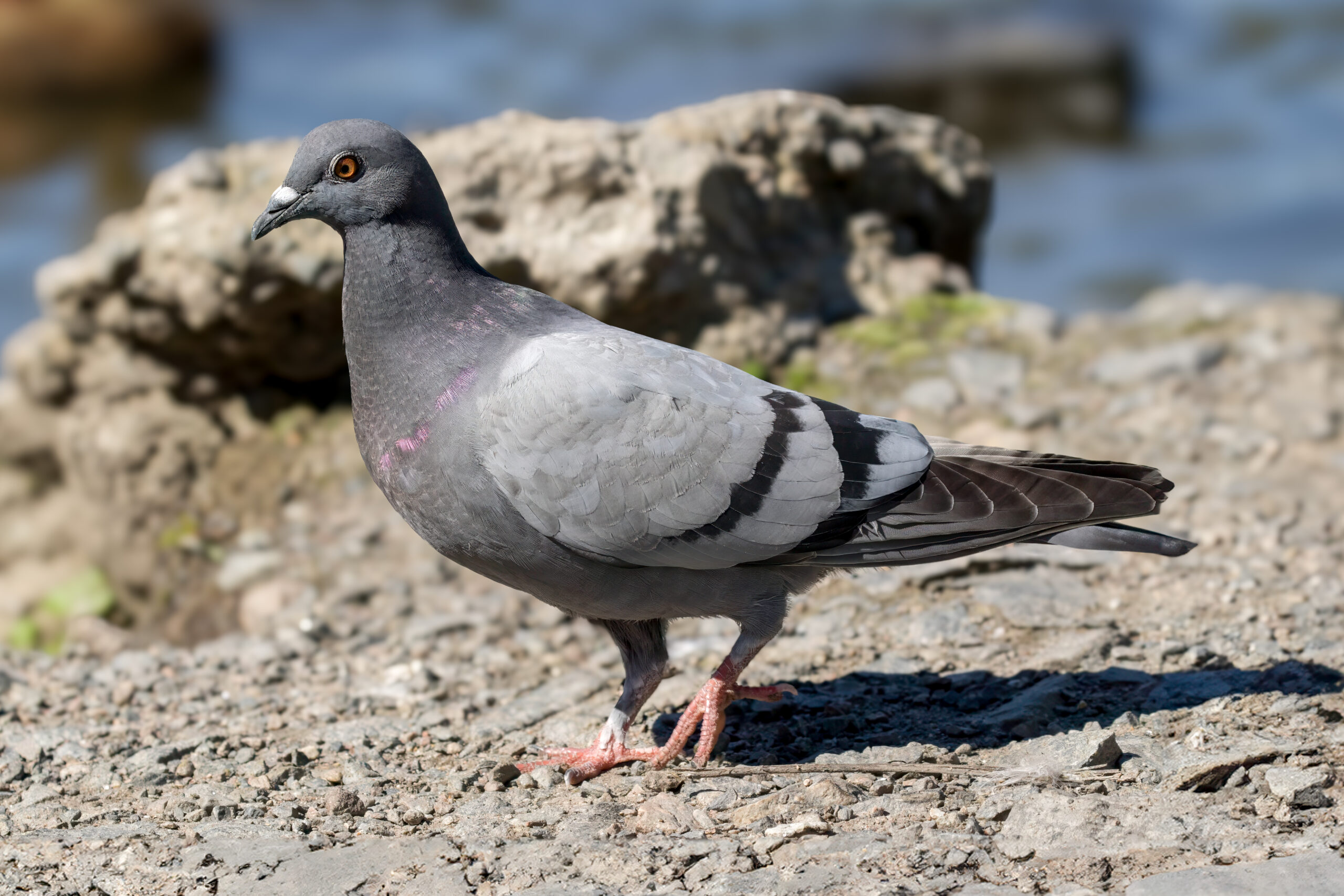
Flying pigeons actively kept their eyes almost fixed within the head, according to a study published online on 17 June 2026. The researchers fitted pigeons, domesticated forms of rock dove (Columba livia), with head-mounted eye trackers that measured the angular position of the eye relative to the head during take-off, free flight and other behaviours.
Eye movement dropped sharply after take-off
After take-off, the birds increased their pupil size, reduced eye movements and adopted a remarkably consistent eye-in-head position. Across different indoor and outdoor visual environments, the eyes repeatedly returned to within about 1° of the same angular position. The 1° result therefore describes how consistently the eye was positioned inside the head; it does not mean that the bird kept looking at one fixed point in the outside world.
The eyes stayed stable while the head could still redirect gaze
The result was not simply that the pigeons happened to look in a similar direction. Eye movement relative to the head was strongly constrained during flight, while head and eye movements were synchronised in time. The pigeons could therefore still redirect their gaze by moving the head even though the eyes themselves moved little within it. This differs from the familiar fixate-and-saccade strategy in which large eye movements contribute strongly to rapid changes in viewing direction.
The flight eye position also lay close to the primary horizontal axes of the vestibular system, the inner-ear system that senses head rotations and accelerations. It was also close to preferred directions of neurons that process optic flow — the pattern of visual motion across the retina produced as an animal moves through its surroundings. This geometric alignment could give visual and vestibular signals more similar reference frames.
The authors propose that this stable eye-in-head position may simplify how pigeons combine visual and vestibular information to estimate their own motion. That neural advantage was not measured directly, so it remains a physiological interpretation of the alignment. The larger pupils seen after take-off are likewise consistent with the greater temporal demands of vision during rapid flight, rather than direct evidence that visual acuity itself increased.
The study therefore adds an ocular component to the well-known gaze stability of flying birds. Pigeons can stabilise the head while the body moves, and the new measurements show that once flight begins they also actively constrain eye position within that stabilised head.
Physiology
Related news
Rock Doves Preferred Predictive Information Despite a Lower Food Payoff
Seven rock doves preferred an informative option that paid on 20% of trials over a non-informative option that…
Read story →
Rotavirus A Antibodies Were Common in Feral Pigeon Samples but Rare in Wood-Pigeon Samples in Germany
A German study detected rotavirus A-reactive antibodies in 79.2% of free-ranging feral pigeons and 77.0% of domestic pigeons,…
Read story →
New Shiqi Pigeon Genome Placed 97.8% of Its Sequence on 41 Chromosomes
A chromosome-level genome from a female Shiqi pigeon in Zhongshan, China spans about 1.24 billion DNA bases, places…
Read story →SPECIES IN THIS STORY
Species in this story
Independent research and conservation news archive
Did you find this information useful?
Wildlife Vagabond is independently built and maintained. Voluntary support helps cover source verification, hosting and continued work on research and conservation news.
Support Wildlife VagabondThe news archive will remain freely available.