
Pisa’s Feral Pigeon Population Fell About 60% Over 20 Years
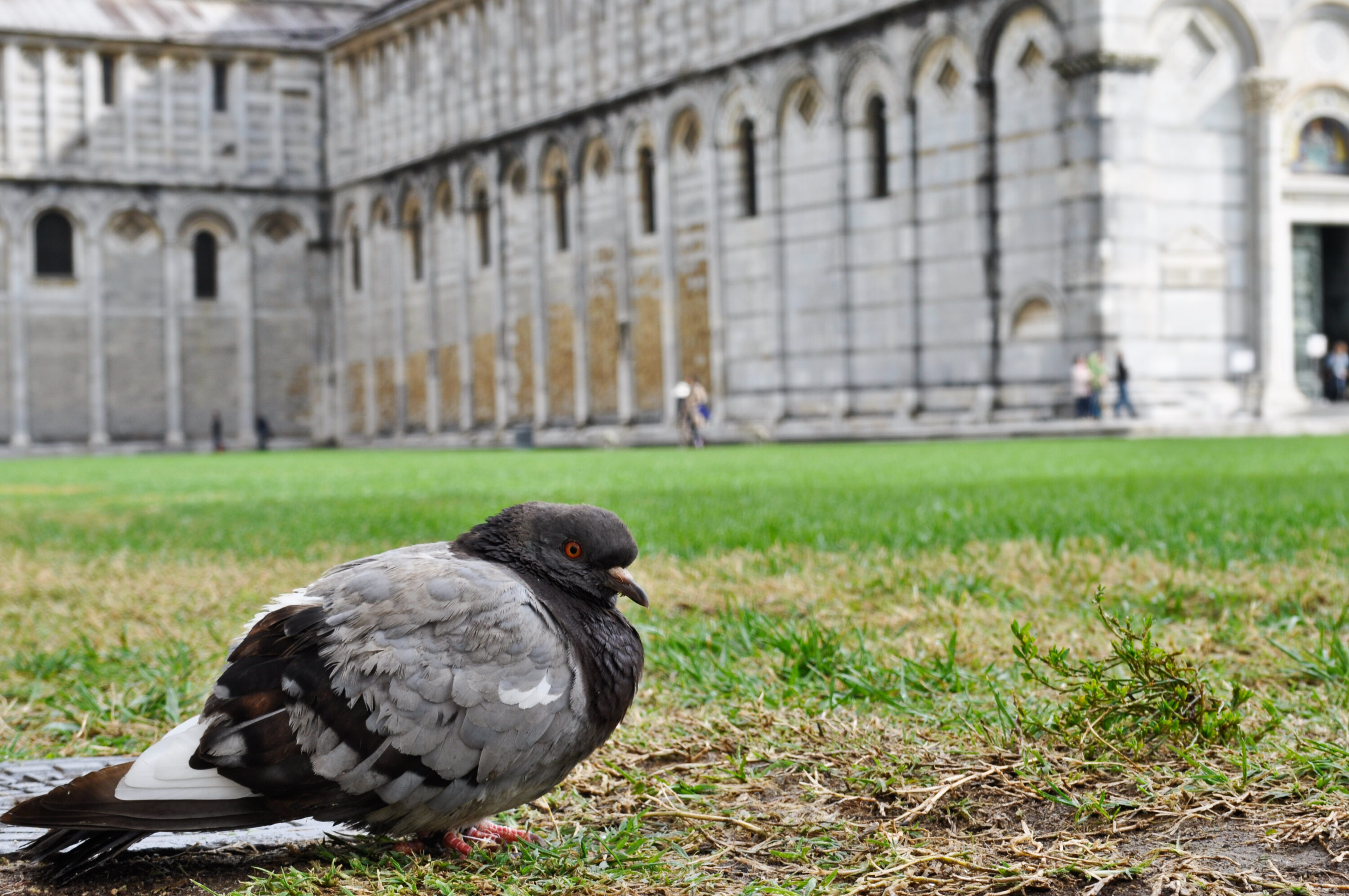
Pisa’s feral pigeon population declined by about 60% over two decades, according to a long-term study published online on 6 June 2026. Feral pigeons are domestic-derived forms of rock dove (Columba livia). Researchers made eight population estimates between 2004 and 2024 using Distance Sampling along 40 transects: birds were counted together with their distance from the observer so that declining detectability farther from the survey line could be accounted for. Pisa had no specific citywide pigeon-control programme during the study period, although pigeons were culled in surrounding agricultural areas.
The estimated population fell from roughly 13,000 birds in 2004 to fewer than 5,000 in 2024. The decline was especially strong in Pisa’s historic centre, where the estimate fell from about 6,000 pigeons to fewer than 1,000.
The urban environment changed substantially
Waste management began changing in part of Pisa in 2014, was extended across most of the city by late 2016 and was fully renewed in early 2017. Door-to-door collection and underground waste containers reduced access to discarded food, an important resource for urban pigeon populations. The authors identify this reduction in human-derived food as a central explanation for the long-term decline.
The period also included culling in agricultural areas around Pisa from 2009 and the SARS-CoV-2 pandemic and associated restrictions from 2020 to 2022. The researchers modelled plausible contributions from surrounding culling because the exact number of city birds removed was uncertain. Their results point more strongly to reduced urban food resources than to culling, while the pandemic may also have temporarily reduced food supplied by human activity. The decline therefore cannot be assigned to a single factor.
No citywide pigeon-control programme was in place
The study is unusual because it follows a large feral pigeon population over 20 years without a dedicated programme aimed at reducing pigeon numbers inside the city. This allowed the researchers to examine how the urban population changed while both its city environment and external pressures such as agricultural culling changed over time.
The population also changed in spatial distribution, not only in total abundance, with the contraction particularly marked in the city centre. The authors therefore emphasise that management should follow both how many pigeons remain and where they are concentrated.
The study supports reduced access to human-derived food as a major part of the Pisa decline, rather than showing that waste management alone caused it. The broader lesson is that changing the urban resources that sustain pigeons can alter population size substantially even without a citywide programme directed at the birds themselves.
Population & status
Related news
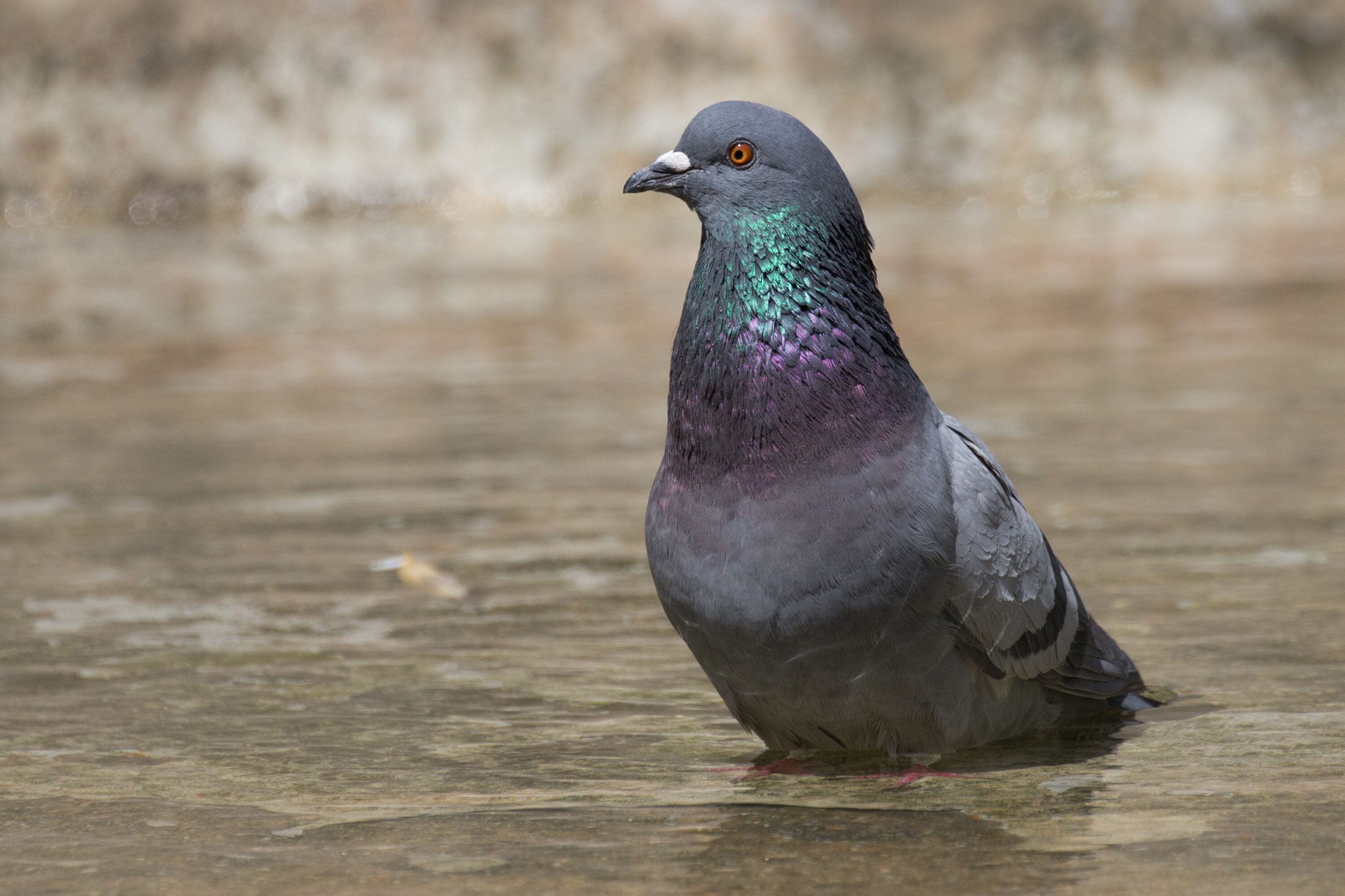
Rock Doves Preferred Predictive Information Despite a Lower Food Payoff
Seven rock doves preferred an informative option that paid on 20% of trials over a non-informative option that…
Read story →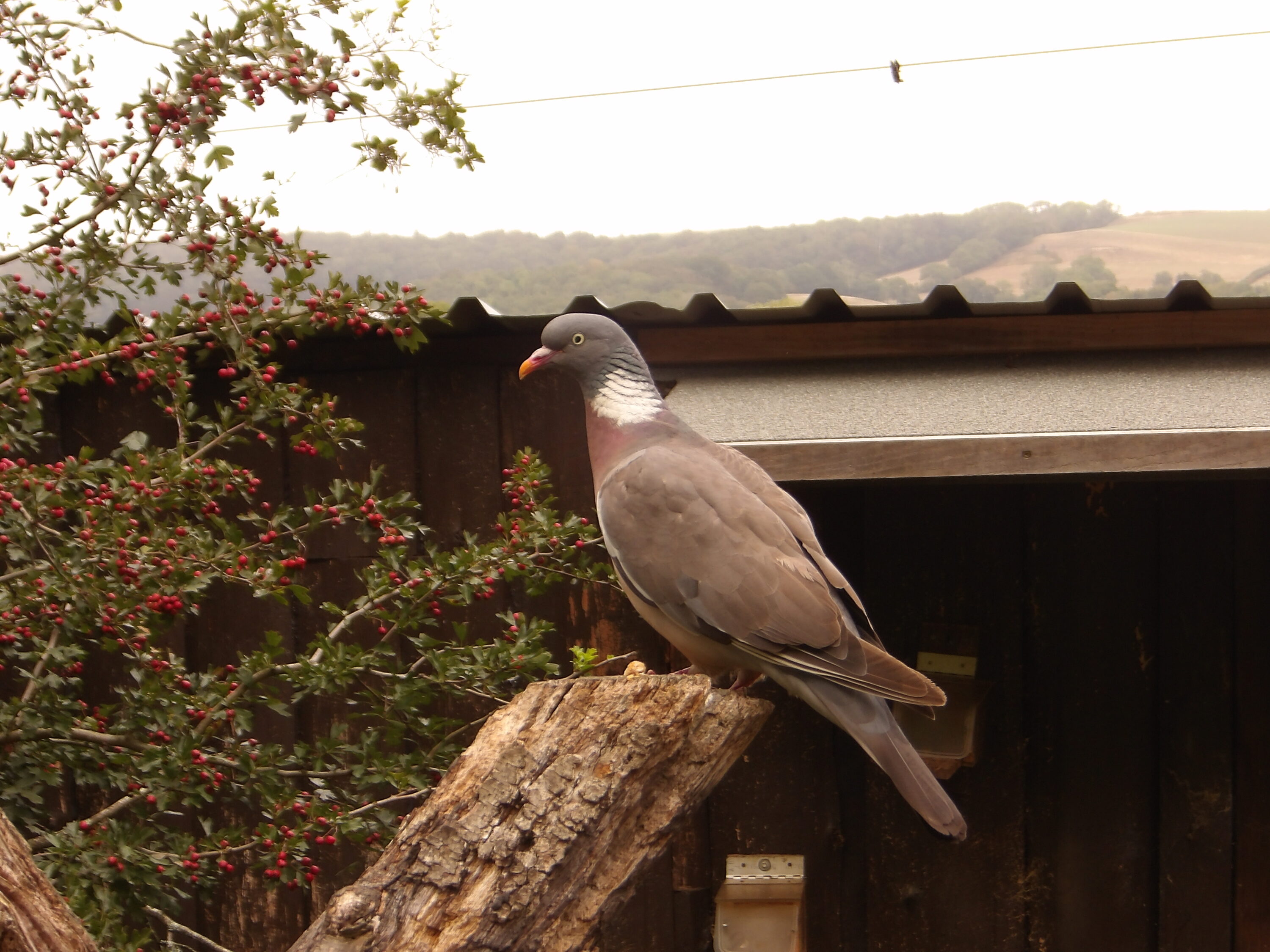
Rotavirus A Antibodies Were Common in Feral Pigeon Samples but Rare in Wood-Pigeon Samples in Germany
A German study detected rotavirus A-reactive antibodies in 79.2% of free-ranging feral pigeons and 77.0% of domestic pigeons,…
Read story →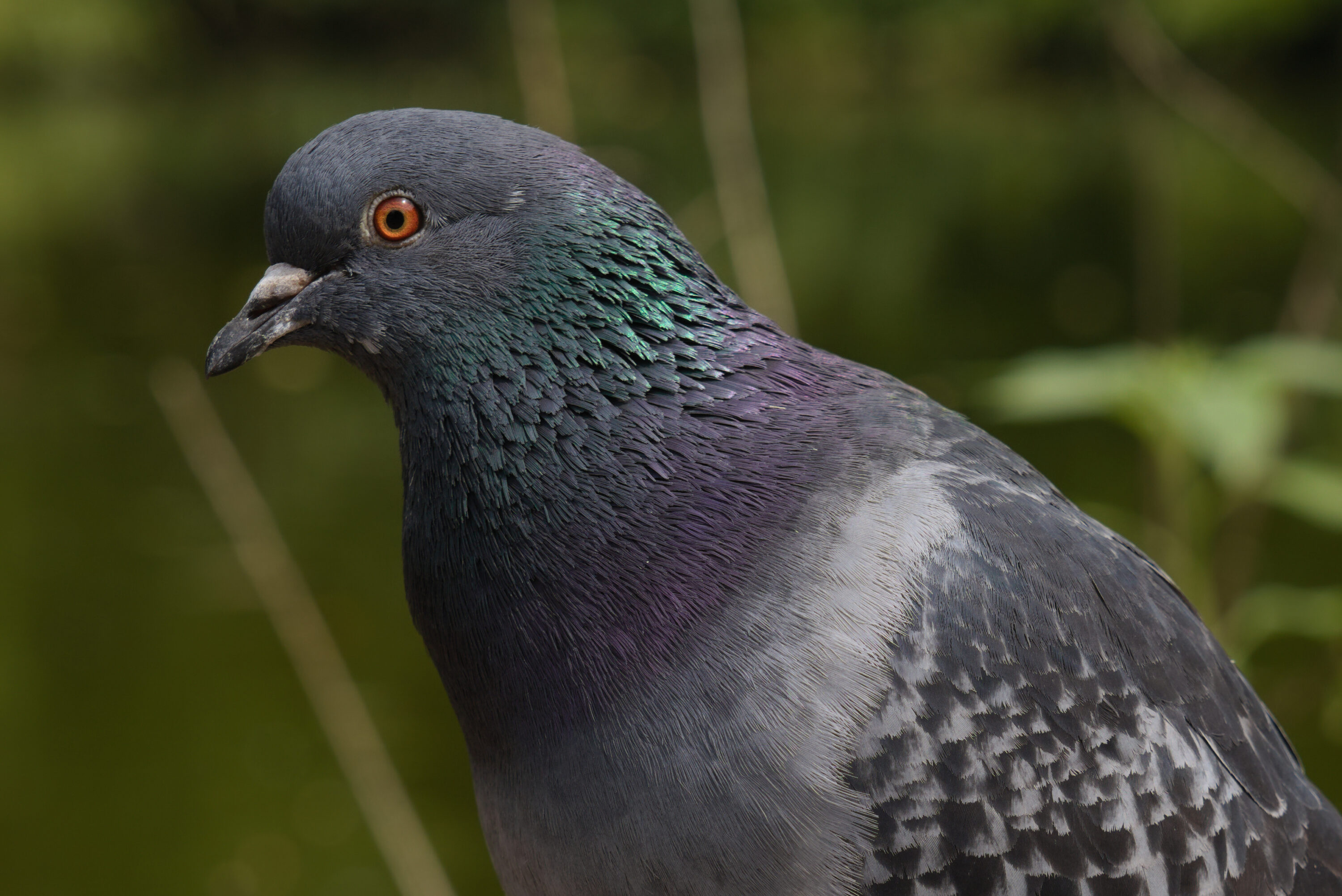
New Shiqi Pigeon Genome Placed 97.8% of Its Sequence on 41 Chromosomes
A chromosome-level genome from a female Shiqi pigeon in Zhongshan, China spans about 1.24 billion DNA bases, places…
Read story →SPECIES IN THIS STORY
Species in this story
Independent research and conservation news archive
Did you find this information useful?
Wildlife Vagabond is independently built and maintained. Voluntary support helps cover source verification, hosting and continued work on research and conservation news.
Support Wildlife VagabondThe news archive will remain freely available.